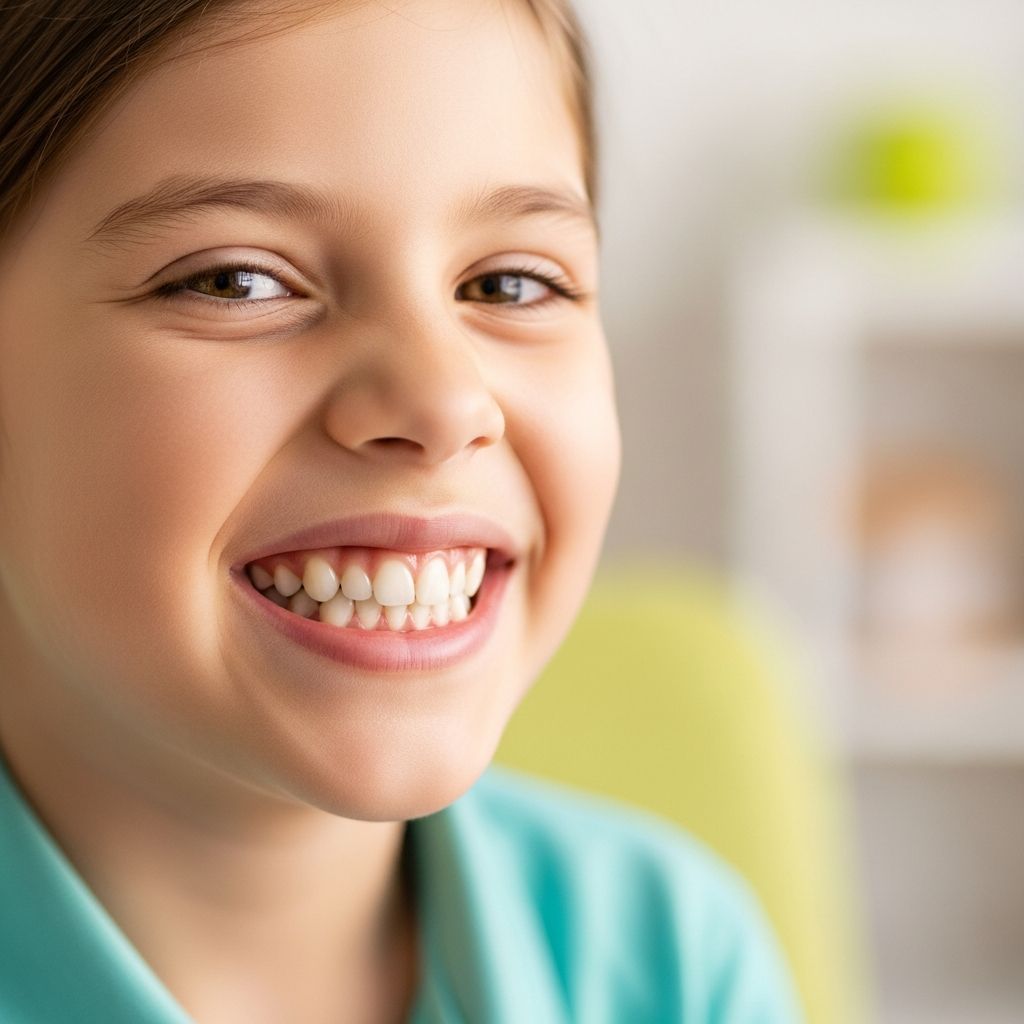
Canine teeth, sometimes called “eye teeth” or “cuspids,” are the pointed teeth at the corners of your child’s smile, and they play a big role in chewing, speaking, and guiding the bite into the right position.
What Are Canine Teeth?
Canine teeth are the sharp, slightly pointed teeth located between the front incisors and the back molars in both the upper and lower jaws. They are shaped differently from other teeth, with a more prominent tip, or cusp, that helps tear food instead of just cutting or grinding it. In children, there are four canines in the baby (primary) set and four in the adult (permanent) set.
Unlike the flat edges of front teeth, canine teeth are designed to be strong and stable, anchored by long roots that help guide the rest of the teeth into proper alignment as a child grows. Because of their shape and strength, dentists often think of canines as the “cornerstones” of the dental arch, helping to keep the bite balanced on both sides of the mouth.
Why Kids Need Canine Teeth
Canine teeth may look small, but they do an impressive amount of work during everyday activities like eating and speaking. They step in right after the front teeth cut into food, helping to tear and pull it apart into pieces that can be easily chewed by the molars further back.
Beyond their job in chewing, canines also help guide the jaw when a child moves from side to side, which protects other teeth from excessive wear. Their position at the corners of the smile also supports the lips and helps shape the way a child’s face looks, contributing to a more balanced facial appearance.
Baby Canines: When They Usually Appear
Baby canine teeth do not appear first; they follow after the front incisors and the first baby molars have already come in. For many children, the upper and lower baby canines arrive sometime in the second year of life, but the exact timing can vary from child to child without meaning that anything is wrong.
Generally, parents may notice the gums in the canine area becoming a bit swollen or firmer before the pointed tip finally breaks through. It is important to remember that a range of several months around any average age is still considered normal, so having canines arrive a little earlier or later than a sibling or friend is usually not a cause for concern.
Typical Baby Canine Timeline (Approximate)
| Tooth Type | Position in Mouth | Common Eruption Window | Notes |
|---|---|---|---|
| Upper baby canines | Top jaw, one on each side of front teeth | Roughly late in the second year of life | Often arrive slightly before or around the same time as lower canines. |
| Lower baby canines | Bottom jaw, one on each side of front teeth | Shortly before or after upper canines | May appear nearly together with upper canines, or a few months apart. |
Permanent Canines: The Second Set
As your child grows, the baby canines eventually become loose and are replaced by permanent canines. This usually happens in later childhood, after many of the permanent front teeth and some back teeth are already in place. Permanent canines are larger and stronger than baby canines, with longer roots that make them particularly important for a stable bite.
Because of their long roots and key position, permanent canines help distribute biting forces more evenly across the mouth. This is one reason dentists pay close attention to how and where these teeth erupt, especially if a child shows signs of crowding or has unusual spacing in the front of the mouth.
Typical Permanent Canine Timeline (Approximate)
| Tooth Type | Usual Age Range | What Parents May Notice |
|---|---|---|
| Lower permanent canines | Later childhood, often before the upper canines | Baby canines loosen, small gaps appear, followed by the eruption of sharper, taller teeth. |
| Upper permanent canines | Typically follow lower canines, sometimes one of the last front teeth to erupt | Parents may see a small bump high in the gum above the baby canine before it falls out. |
How Canine Teeth Help With Eating
When a child bites into foods like sandwiches, fruits, or cooked meats, the front incisors cut the first piece, but the canines are the teeth that grab, hold, and tear that food into smaller, more manageable portions. This makes chewing more efficient and reduces the amount of work the molars must do on each bite.
Canine teeth are also helpful for dealing with tougher textures, such as crusty bread or fibrous vegetables. Their pointed shape sinks into the food, and their long, stable roots provide the strength needed to manage these more demanding bites without putting too much stress on the front or back teeth alone.
Canines and Your Child’s Speech
Speech development depends on many factors, but having teeth in the right places helps the tongue and lips form certain sounds correctly. Canine teeth help shape the front of the dental arch, giving the tongue a predictable surface to touch or avoid when producing specific consonants.
Gaps where canines are missing or delayed do not usually cause major speech problems on their own, but they can subtly influence how a child forms some sounds. As permanent canines come in and the dental arch matures, speech often becomes clearer, especially when combined with normal language development and, when needed, speech therapy support.
Appearance and Self-Confidence
As children grow older, they often become more aware of how their smile looks, and the canines are a big part of that picture. Because they sit at the corners of the mouth, they help define the curve of the smile and the way the upper lip rests over the teeth.
Some children notice that their new permanent canines look larger or sharper than their baby teeth, which is completely normal. With time, as the rest of the adult teeth appear and the smile becomes more balanced, those canines usually look very natural, and many children come to appreciate the shape and character they add to their smile.
Common Teething Signs When Canines Erupt
When canine teeth are getting ready to erupt, many children show familiar teething signs, though every child’s experience is a bit different. Some children barely seem to notice, while others may have several days of mild discomfort.
- More drooling than usual, especially when the tooth is close to breaking through the gums.
- Crying or fussiness, particularly around mealtimes or bedtime when the gums may feel more sensitive.
- Chewing or biting on toys, fingers, or clothing to apply counter-pressure to the sore area.
- Redness or slight swelling of the gums where the canine is about to appear.
Mild changes in sleep or appetite often accompany this phase, but these usually pass within a short time once the tooth emerges a bit more. If a child has a high fever, severe rash, or appears very unwell, those signs are more likely related to illness than to normal teething and deserve a call to the pediatrician.
Comfort Strategies for Sore Gums
Parents can offer several simple comforts to help ease gum soreness when baby or permanent canines are erupting. These strategies are typically safe for most healthy children, but it is always wise to ask your child’s health professional when in doubt.
- Offer a firm, clean teething toy or ring for the child to chew on, which can help massage the gums.
- Use a chilled (not frozen) washcloth or teether to provide cool relief to tender areas.
- Gently rub the child’s gums with a clean finger to apply light pressure and reduce discomfort.
- Consider age-appropriate pain relief only under the advice of a pediatrician or pediatric dentist.
Topical gels or numbing products are often not recommended for young children unless advised by a professional, because they can be swallowed and may make it difficult for a child to sense injuries or bites inside the mouth.
Daily Care for Growing Canines
Good habits for canine teeth are the same habits that protect all teeth, but it can help to pay a bit of extra attention to these corner teeth because of their shape and position. Food sometimes collects in the small grooves near the gumline and between the canines and neighboring teeth.
- Brush twice a day with a child-sized toothbrush, gently angling the bristles toward the gumline around the canines.
- Use a smear or pea-sized amount of fluoride toothpaste (depending on age and professional guidance) and encourage your child to spit out the excess.
- Help or supervise flossing between the canines and adjacent teeth once two teeth touch side by side.
- Limit sugary snacks and drinks, especially sticky treats that cling around the canines and in between teeth.
Regular dental checkups allow the dentist to clean areas that are harder to reach at home and to apply preventive treatments like fluoride varnish or sealants to nearby teeth when appropriate.
When Canine Teeth Seem Crowded
Because permanent canines are larger and have long roots, they sometimes struggle to find enough room if the jaw is small or if baby teeth did not fall out on schedule. Parents might notice canines erupting high in the gums, twisting slightly, or appearing behind or in front of other teeth.
In many cases, early evaluation by a dentist or orthodontist can help guide these teeth into better positions. This might involve carefully timing the removal of certain baby teeth, recommending space-maintaining appliances, or planning for braces in the future to align the canines and neighboring teeth.
Recognizing Problems With Canine Eruption
Most children’s canines erupt without serious problems, but there are warning signs that deserve attention. Long delays in eruption compared with the rest of the teeth, or noticeable asymmetry where one canine is present and the other is not, may be clues that something is blocking the tooth.
Painful swelling, pus, or a persistent bump above where a canine should appear can point to infection or an abnormal path of eruption. If a tooth remains hidden under the gum for much longer than expected, a dentist may take X-rays to see whether it is stuck, angled in the wrong direction, or unable to erupt without help.
Dental Visits Focused on Canine Health
Routine dental visits starting in early childhood provide an opportunity to track the development of the canines even before they are visible in the mouth. During checkups, the dental team looks at spacing, gum health, the pattern of tooth loss, and how the baby canines are functioning with the rest of the bite.
As permanent teeth begin to erupt, the dentist may suggest diagnostic images to check the position of the developing canines inside the jaw. Catching potential crowding, impaction, or unusual eruption patterns early makes treatment options simpler and often more comfortable for the child.
Healthy Habits to Protect Canine Teeth
Canine teeth are strong, but they are not indestructible, and a few habits can help preserve their strength for life. Children often use these teeth to tear into packaging or chew on non-food items, which can chip the enamel or stress the roots.
- Teach children to avoid opening packages or bottles with their teeth.
- Discourage chewing on pencils, fingernails, or hard plastic toys.
- Provide a mouthguard for contact sports or activities with a risk of falls, such as skating or biking.
- Schedule prompt dental care if a canine is chipped, loosened, or knocked out in an accident.
Over time, small chips and repeated stress can make canine teeth more sensitive and more prone to wear, so building safe habits early is a gift that can protect your child’s smile well into adulthood.
Frequently Asked Questions About Children’s Canine Teeth
1. My child’s canines are coming in later than a sibling’s. Is this normal?
A wide range of eruption times is normal, even within the same family. If your child’s other teeth are arriving on schedule and there are no signs of pain, swelling, or infection, a modest delay in canine eruption usually is not a cause for worry, though asking your dentist at the next checkup can provide added reassurance.
2. One permanent canine is in, but the other side is still a baby tooth. Should I be concerned?
It is quite common for teeth on the left and right sides not to follow exactly the same schedule. However, if many months pass and the other side shows no sign of loosening or eruption, it is wise to schedule a dental visit to see whether the second canine is developing normally and has enough room to come in.
3. My child’s new canine looks very pointed. Will it always look this sharp?
Freshly erupted permanent canines often look extra pointy because the enamel edges are still new and unworn. Over time, normal chewing gradually smooths the tips, and as nearby teeth erupt and align, the overall look of the smile becomes more balanced and less dramatic.
4. Can canines cause crowding or crooked teeth?
Permanent canines can highlight existing crowding because they are wide and need space to fit correctly. If the jaw is small or the front teeth are already tightly packed, canines may erupt higher in the gum or twist out of place, but orthodontic care can usually guide them into healthier alignment.
5. What if a canine tooth never appears?
Sometimes a canine is present but impacted, meaning it is trapped under the gums or growing at an unusual angle. In other cases, a child may naturally miss a canine due to a developmental difference, so dental imaging and evaluation are needed to plan treatment that protects the bite and overall appearance.
6. Do canines get cavities as easily as other teeth?
Canines usually have fewer deep grooves than molars, but they can still develop cavities, especially near the gumline and in the spaces between teeth. Consistent brushing, flossing, and routine cleanings at the dentist help protect these important teeth from decay.
7. Are canine problems always obvious to parents?
Not always. Some issues, such as impacted canines or roots that are not forming normally, can only be seen with dental imaging. This is one reason why regular checkups are essential even when your child is not complaining of pain or visible problems.
Helping Your Child Feel Confident About Their Canine Teeth
Children sometimes worry if their canines look different for a while, especially during the years when baby and permanent teeth are mixed together. Encouraging your child to see these teeth as helpful and strong, rather than scary or strange, can make the transition easier.
By explaining that everyone’s smile changes as they grow, and by partnering with a pediatric dentist to monitor development, parents can support both the health and the self-confidence of their child as those little corner teeth do their big, important job.