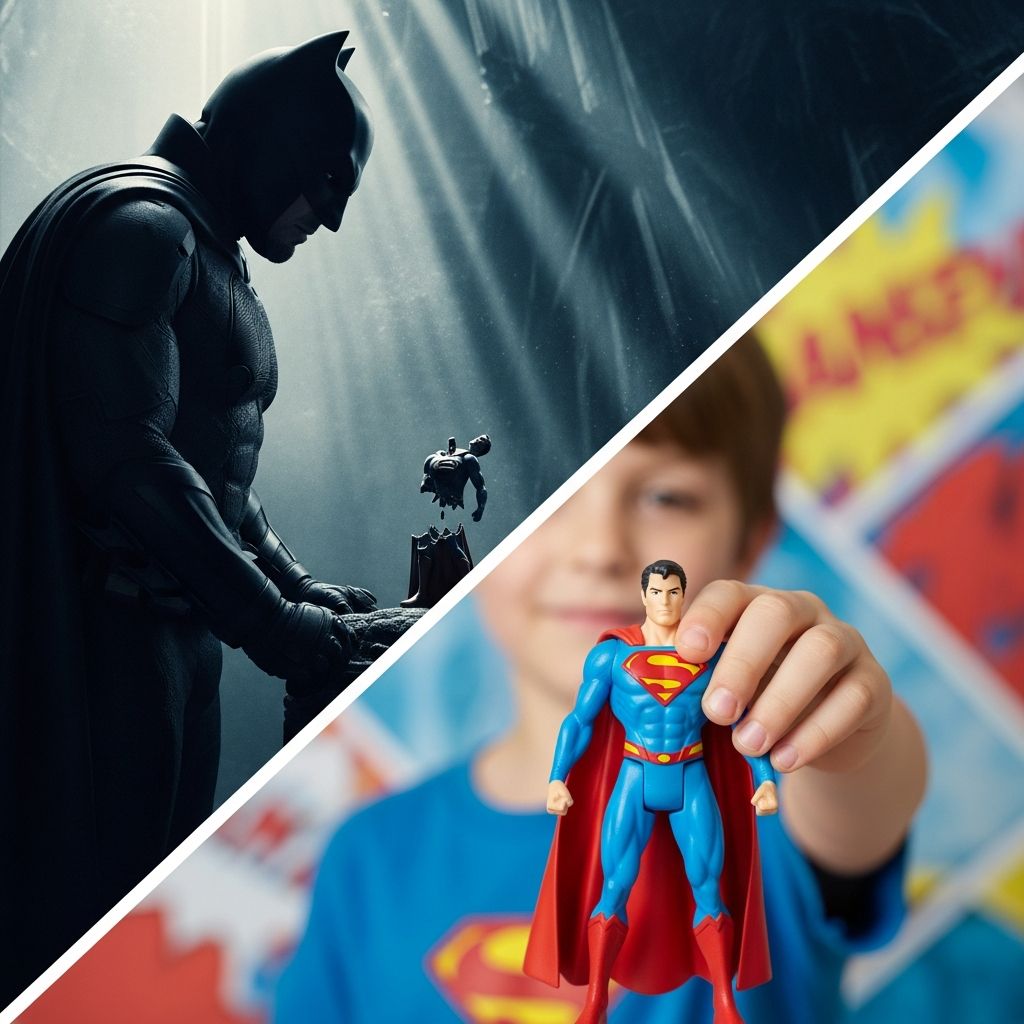
Zack Snyder’s Justice League, known widely as the Snyder Cut, is not just a longer version of the 2017 theatrical release. It is a four-hour, R-rated reconstruction that leans heavily into mature themes, operatic emotions, and dense world-building, making it far more attuned to adult viewers than to children.
Where many superhero films aim for broad, family-friendly appeal, this cut embraces grief, trauma, and mythic stakes in ways that are more likely to resonate with older fans who have followed these characters and this franchise for years.
From Studio Compromise to Personal Vision
The story behind the Snyder Cut is almost as famous as the movie itself. The 2017 theatrical release credited to Zack Snyder and Joss Whedon was heavily reshaped by the studio and Whedon after Snyder stepped away during a family tragedy.
- 2017 version: Approximately two hours, a lighter tone, extensive reshoots, and uneven visual continuity.
- 2021 Snyder Cut: Roughly four hours, R-rated, restored subplots, and a consistent stylistic approach matching Snyder’s earlier DC films.
For many adults who had followed the behind-the-scenes turmoil, the Snyder Cut became an event: a test of whether a director’s personal vision could be reclaimed from corporate compromise.
Why the Snyder Cut Skews Older
Although the DC heroes have strong appeal for children, several elements of this version tip it firmly toward adults.
1. The R Rating and Graphic Intensity
The film carries an R rating for violence and language, which immediately narrows its suitability for younger audiences.
- Frequent stylized violence, including decapitations and intense battle imagery.
- Occasional strong profanity, particularly in late-film sequences.
- Dark, apocalyptic visions that can be disturbing to children rather than thrilling.
While the violence is heavily stylized and often blood-splattered through CGI, the overall effect is closer to a war epic than a Saturday matinee adventure.
2. Four Hours of Slow-Burn Storytelling
The Snyder Cut runs around four hours, divided into chapters but presented as one continuous movie.
- Long stretches of character backstory and world-building rather than constant action.
- Frequent use of slow-motion, dream imagery, and music montages.
- Complex exposition about alien artifacts, ancient wars, and alternative timelines.
Adults with prior investment in the DC Extended Universe may appreciate the deliberate pacing, but younger viewers could find the runtime and extended conversations exhausting.
3. Heavy Themes: Grief, Guilt, and Redemption
At its core, the Snyder Cut is about how individuals and societies respond to loss and fear.
- Global mourning: The film opens with the echo of Superman’s death rippling across the world, awakening cosmic threats.
- Personal grief: Characters like Lois Lane and Martha Kent struggle with private sorrow, while Bruce Wayne grapples with guilt over past conflicts.
- Trauma and recovery: Cyborg’s arc centers on bodily trauma, family loss, and the struggle to accept his new identity.
These emotional through-lines are rich material for adult audiences but may feel abstract or relentlessly somber for children expecting a light-hearted team-up adventure.
Character Arcs That Reward Adult Viewers
One of the most widely praised aspects of the Snyder Cut is how much more attention major heroes receive, particularly those sidelined in the theatrical release.
| Character | 2017 Version | Snyder Cut |
|---|---|---|
| Cyborg | Minimal backstory, limited emotional focus. | Central emotional anchor, detailed origin, and complex relationship with his father. |
| The Flash | Comic relief with scattered heroic moments. | Retains humor but gains crucial plot agency and a pivotal time-bending sequence. |
| Batman | One-liners and a lighter interpretation. | More somber leader searching for redemption after past mistakes. |
| Superman | Returns quickly, limited thematic weight. | Resurrection is treated as a monumental event tied to the world’s collective fate. |
Cyborg as the Emotional Core
Cyborg’s expanded storyline is a key reason the film feels tuned to adult sensibilities.
- He copes with catastrophic injury, body transformation, and the loss of his mother.
- His father’s risky scientific choices and their strained relationship add a generational dynamic familiar to many adults.
- His powers are depicted as both terrifying and empowering, symbolizing the ambivalence many people feel about technology and control.
This depth gives the movie a dramatic backbone that is more about identity, responsibility, and forgiveness than about simple heroics.
The Flash and the Burden of Time
The Flash still supplies much of the comic relief, but the Snyder Cut hands him a crucial narrative responsibility.
- His climactic moment involves bending time itself, dramatizing the fantasy of getting a second chance to fix catastrophic mistakes.
- The film hints at family struggles and economic pressures that ground him in everyday concerns.
These elements may speak most clearly to adults who know what it means to live with regret and wish for do-overs.
Visual Style: Mythic Grandeur Over Colorful Fun
Visually, the film reflects Snyder’s preference for desaturated palettes, heightened contrast, and dramatic compositions.
- Muted blues, grays, and metallic tones dominate action sequences, emphasizing scale over brightness.
- Frequent use of slow-motion elevates fights and character beats into almost operatic tableaux.
- Large-scale battle scenes recall war films more than traditional children’s cartoons.
For some adults, this visual seriousness lends the film a sense of importance and grandeur, though others may experience it as overly self-serious.
Adult Themes Beneath the Superhero Surface
Beneath the CGI spectacle, the Snyder Cut engages with issues that are often the territory of adult dramas rather than family blockbusters.
Power, Institutions, and Mistrust
The movie continues Snyder’s longstanding fascination with how societies respond to powerful individuals and existential threats.
- Government institutions appear cautious or overwhelmed in the face of alien invasion and metahumans.
- Heroes are often outsiders—gods among humans—struggling with whether to fully accept their responsibilities.
- Global unity is framed as something fragile, dependent on individual sacrifice and trust.
These themes mirror contemporary anxieties about governance, security, and the role of extraordinary individuals or technologies in public life, which adult audiences are more likely to appreciate fully.
Fandom, Agency, and Cultural Ownership
The very existence of the Snyder Cut raises questions about creative control and the power of fan movements.
- Dedicated fans campaigned online for years for Snyder’s version to be released.
- The studio invested tens of millions of dollars in completing the cut, including visual effects and new footage.
- This outcome suggests that passionate, organized fan communities can influence large corporate decisions in entertainment.
For adults who grew up with these characters and now experience them through streaming-era fandom, the film becomes partly a story about how audiences and creators negotiate ownership of shared icons.
Should You Watch It With Kids?
Parents or caregivers considering a family viewing have several factors to weigh, especially given the movie’s length and rating.
- Content rating: The R rating reflects violence and language that may not be suitable for younger children.
- Runtime: Four hours is a substantial commitment and may require breaks even for adults.
- Emotional weight: Extended grief sequences and apocalyptic visions can be emotionally intense.
For older teens accustomed to darker superhero stories, the Snyder Cut may be engaging and meaningful. For younger children accustomed to brighter, quippier superhero fare, the film’s tone and pacing are likely to feel overwhelming or dull.
How the Snyder Cut Fits into the Superhero Landscape
When compared to more conventional superhero movies, the Snyder Cut stands out in several key ways.
| Aspect | Typical Family Superhero Film | Snyder Cut |
|---|---|---|
| Runtime | About 2–2.5 hours | About 4 hours |
| Rating | Usually PG-13 or PG | R (violence and language) |
| Tone | Balanced humor and drama | Primarily dark, somber, and serious |
| Primary Audience | Families and general audiences | Adult fans and dedicated franchise followers |
| Character Focus | Clear arcs, limited subplots | Multiple intertwined arcs and mythological backstory |
These distinctions help explain why the Snyder Cut has become a touchstone for discussions about what superhero cinema can be when it leans more into auteur-driven, adult-oriented storytelling.
Who Will Appreciate the Snyder Cut Most?
The Snyder Cut is unlikely to convert viewers who dislike Snyder’s style, but it offers considerable rewards for a specific segment of the audience.
- Long-time DC fans who value mythic interpretations of the characters and don’t mind a darker tone.
- Adults interested in director’s cuts and the politics of creative control.
- Viewers who enjoy sprawling fantasy or war epics and have the patience for extended runtimes.
- Fans of character-driven arcs who appreciate the expanded roles for Cyborg, The Flash, and supporting figures.
Those seeking a brisk, easily digestible superhero romp for family movie night are better served by shorter, lighter alternatives in the genre.
Frequently Asked Questions (FAQs)
Is the Snyder Cut appropriate for children?
The film’s R rating for violence and language, along with its dark tone and four-hour runtime, make it more suitable for adults and older teens than for younger children.
Do I need to watch Batman v Superman first?
Watching Batman v Superman: Dawn of Justice provides useful context for the opening and for Bruce Wayne’s guilt and motivations, but the Snyder Cut includes enough exposition that dedicated newcomers can still follow the broad strokes.
How different is the Snyder Cut from the 2017 theatrical version?
It differs substantially in tone, structure, and character focus: many reshot scenes from 2017 are removed, the runtime doubles, and characters like Cyborg and The Flash receive fully developed arcs.
Why did fans campaign for the Snyder Cut?
Fans believed Snyder’s original vision had been compromised in the 2017 film and pushed for the completed version to be released; eventually, the studio funded additional work and visual effects to finish it.
Is the Snyder Cut better watched in one sitting or in parts?
The film is divided into labeled chapters, making it easy to break into segments; many adult viewers prefer watching it over two or more sittings due to its length and emotional density.
References
- NOC Review: The Snyder Cut is Good, Actually — The Nerds of Color. 2021-03-15. https://thenerdsofcolor.org/2021/03/15/noc-review-the-snyder-cut-is-good/
- Zack Snyder’s Justice League Review – Unique, Personal, Yet, Also Long and Exhaustive — The Curb. 2021-03-18. https://www.thecurb.com.au/zack-snyders-justice-league-review-unique-personal-yet-also-long-and-exhaustive/
- Review: Zack Snyder’s Justice League — Never Felt Better. 2021-04-09. https://neverfeltbetter.wordpress.com/2021/04/09/review-zack-snyders-justice-league/
- Zack Snyder’s Justice League Review: Everything Fans Want & More — Mama’s Geeky. 2021-03-14. https://mamasgeeky.com/2021/03/zack-snyders-justice-league-review.html
- Review: Zack Snyder’s Justice League — Talk Film Society. 2021-03-16. https://talkfilmsociety.com/reviews/review-zack-snyders-justice-league
- Zack Snyder’s Justice League | Review — FOUR KENTS. 2021-03-26. https://www.fourkents.com/blog/zack-snyders-justice-league-review
- Review: Zack Snyder’s Justice League — ScreenGeeks. 2021-03-19. https://www.screengeeks.com/2021/03/19/review-zack-snyders-justice-league/