Arm fractures represent one of the most frequent orthopedic injuries in children, often resulting from everyday play or sports activities. These breaks, typically involving the forearm bones (radius and ulna), demand prompt parental awareness and medical intervention to promote optimal healing and prevent long-term complications. This guide draws from authoritative pediatric health resources to equip parents with detailed knowledge on every stage, from initial suspicion to full recovery.
Understanding the Basics of Arm Fractures in Young Ones
Children’s bones possess remarkable healing potential due to their pliability and active growth plates, distinguishing pediatric fractures from adult ones. The forearm, comprising the radius (thumb side) and ulna (pinky side), bears the brunt of falls during play, skateboarding, or bicycle mishaps. Unlike mature bones that snap cleanly, kids’ bones often bend or buckle, leading to unique fracture patterns that influence treatment choices.
Healing timelines vary: minor cracks mend in 3-4 weeks, while complex breaks may require 6-8 weeks or more. Factors like age, nutrition, and injury severity play key roles. Parents should note that growth plates—soft cartilage areas at bone ends—are vulnerable, and damage here can affect future limb development, underscoring the need for specialized pediatric care.
Common Types of Arm Fractures Seen in Children
Pediatric arm fractures manifest in several forms, each with distinct characteristics:
- Greenstick Fracture: The bone bends and partially cracks on one side, like a green twig snapping incompletely. Common in younger children due to bone flexibility.
- Torus or Buckle Fracture: The bone’s outer layer compresses and buckles without fully breaking, often at the wrist. These stable injuries typically heal quickly with minimal intervention.
- Galeazzi Fracture: Involves a radius break with ulna dislocation at the wrist, requiring careful realignment to avoid joint issues.
- Monteggia Fracture: Features an ulna fracture paired with radius head dislocation at the elbow, demanding urgent attention.
- Growth Plate Fracture: Impacts the developing tissue near bone ends, potentially stunting growth if untreated promptly.
Recognizing these types aids parents in understanding why certain treatments are recommended, as confirmed by imaging and clinical exams.
Spotting the Signs: Symptoms That Signal a Fracture
Immediate identification can prevent further damage. Key indicators include:
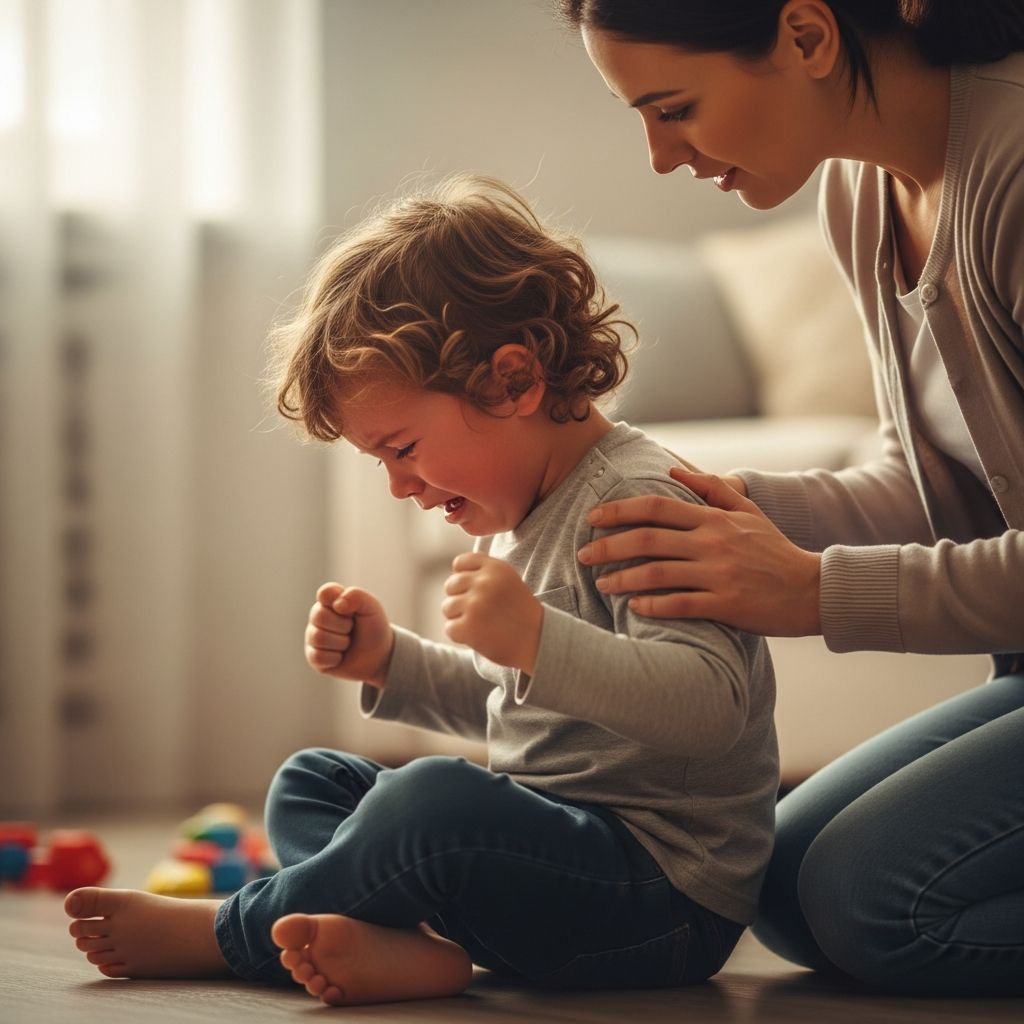
- Intense pain worsening with movement or touch.
- Visible swelling, bruising, or deformity (e.g., unnatural bend).
- Inability or reluctance to use the arm.
- Skin breaks (open fracture) or numbness/tingling suggesting nerve involvement.
For minor injuries, pain peaks on days 2-3 with swelling resolving by day 7, but persistent symptoms warrant evaluation. Always err on caution: if pain is severe or skin is broken, seek emergency care immediately.
First Response: What Parents Should Do Right Away
Upon suspecting a fracture:
- Immobilize: Avoid moving the arm; keep it in the found position.
- Splint if Possible: Use a rigid item like cardboard or rolled newspapers, secured with bandages, but not too tight.
- Remove Clothing Gently: Cut if necessary to expose the area without manipulation.
- Apply Ice: Wrap in cloth for 10-20 minutes every 1-2 hours to curb swelling.
- Elevate: Position above heart level using pillows or a sling.
- Manage Pain: Administer age-appropriate acetaminophen or ibuprofen as directed.
Head to the nearest emergency department promptly, especially for open wounds, severe deformity, or circulation loss (check fingers for color, warmth, movement).
Medical Diagnosis: Tests and Evaluations
Clinicians start with a thorough history and physical exam, assessing tenderness, range of motion, and neurovascular status (nerves, blood flow). X-rays are the cornerstone, revealing fracture type, location, and alignment. Additional tests may include:
| Test | Purpose |
|---|---|
| Range of Motion Assessment | Evaluates joint function and stiffness |
| Nerve Function Checks | Detects compression or damage |
| Follow-up X-rays | Monitors healing progress |
These ensure tailored treatment, minimizing risks like compartment syndrome.
Treatment Pathways: From Casting to Surgery
Treatment hinges on fracture stability and displacement.
Non-Surgical Options
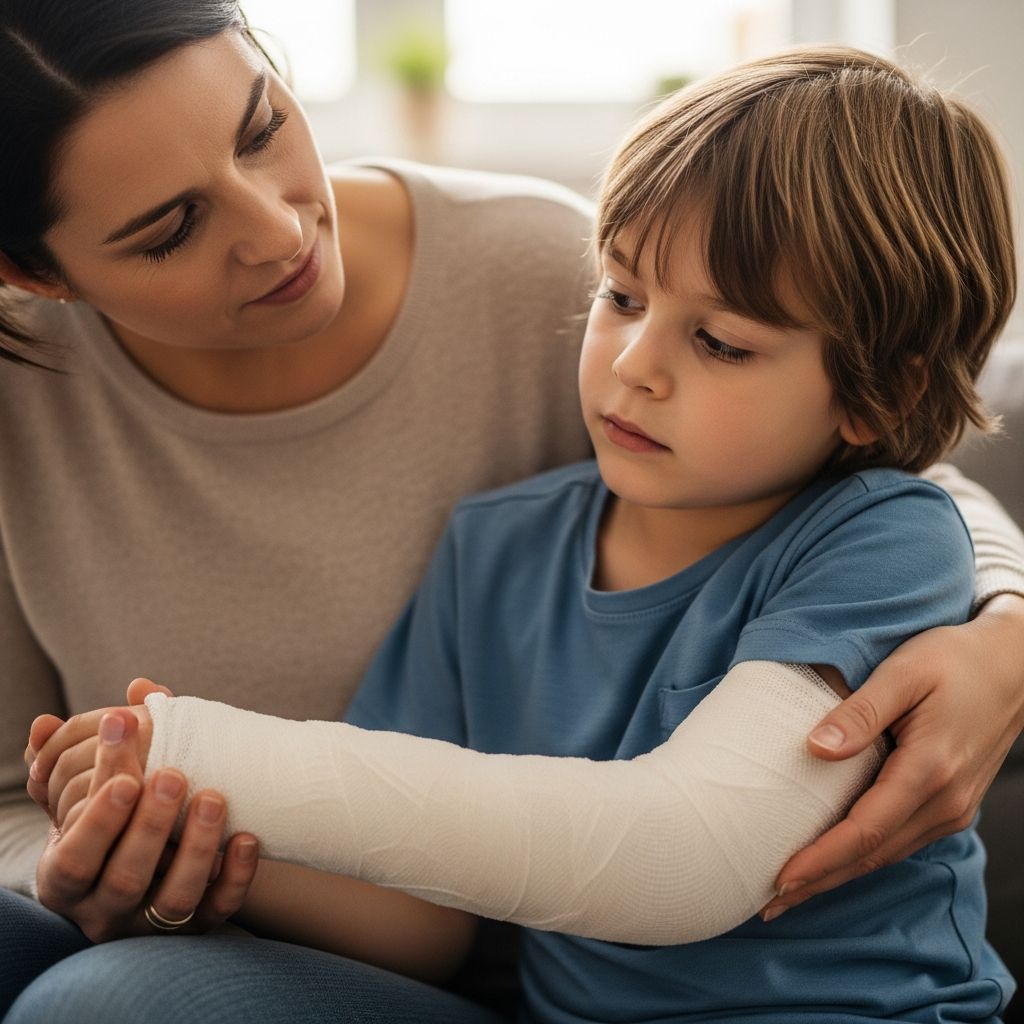
Stable fractures like torus types often need only a cast or splint for 3-6 weeks. For misaligned but closed breaks, closed reduction—manual realignment under local anesthesia—precedes casting. Braces suffice for very minor cases.
Surgical Interventions
Reserved for unstable, open, or growth plate-involved fractures. Procedures include open reduction (incision to reposition bones) with fixation via pins, plates, screws, or external fixators. General anesthesia ensures comfort, and pediatric protocols enhance safety.
Post-op, immobilization lasts 4-6 weeks, with X-rays confirming union.
Home Care During Immobilization
Optimal recovery demands vigilant home management:
- Elevation and Ice: Continue for first 48-72 hours.
- Pain Control: Regular doses of recommended meds.
- Finger Exercises: Wiggle hourly to maintain circulation.
- Hygiene: Keep cast dry; use plastic covers for baths.
- Nutrition: Boost calcium and vitamin D intake via dairy, greens, and sunlight.
Monitor for cast issues: tightness, odor, or sores signal problems—contact your doctor.
Recovery Roadmap: Regaining Strength and Mobility
Cast removal reveals potential stiffness, resolving in 2-3 weeks naturally. Gentle play rebuilds strength without formal therapy in most cases. Key milestones:
- Weeks 1-2 Post-Removal: Light activities; avoid high-impact.
- Weeks 3-4: Gradual sports return if cleared.
- Months 2-3 (Post-Surgery): Full contact sports.
X-rays at follow-ups track progress; weakness fades with use.
Preventing Future Fractures: Proactive Strategies
Empower kids with habits:
- Ensure helmets, wrist guards for biking, skating.
- Promote balanced activity blending cardio and strength.
- Supervise play areas; teach safe falling.
- Maintain bone health through diet and vitamin D.
These reduce recurrence risks significantly.
Frequently Asked Questions (FAQs)
Can my child go back to school with a cast?
Yes, typically within days, using a sling for comfort. Accommodations like note-taking aids help.
How long until full arm use?
4-8 weeks total, with full strength by 3 months for surgical cases.
Is surgery common for kids’ fractures?
No, most (80-90%) heal with casting alone.
What if fingers turn pale or cold?
Emergency! Indicates circulation compromise—seek care now.
Does physical therapy always follow?
Rarely needed; natural use suffices.
References
- Broken Forearm — Children’s Hospital of Philadelphia. 2023. https://www.chop.edu/conditions-diseases/broken-forearm
- Broken Bone (Fracture): Treatment, Care — Nemours KidsHealth. 2024. https://kidshealth.org/en/parents/broken-bones-sheet.html
- Fracture care: arm — The Royal Children’s Hospital. 2023. https://www.rch.org.au/kidsinfo/fact_sheets/Fracture_care_arm/
- Forearm Fractures in Children — American Academy of Orthopaedic Surgeons (AAOS). 2024. https://orthoinfo.aaos.org/en/diseases–conditions/forearm-fractures-in-children/
- Treating Pediatric Fractures — University Health. 2023. https://www.universityhealth.com/pediatrics/services/orthopedics/fractures
- Broken Arm in Children: Care Instructions — Alberta Health Services. 2024. https://myhealth.alberta.ca/Health/aftercareinformation/pages/conditions.aspx?hwid=bo1309
- Pediatric Arm Injuries — Children’s Hospital Colorado. 2023. https://www.childrenscolorado.org/conditions-and-advice/conditions-and-symptoms/symptoms/arm-injury/