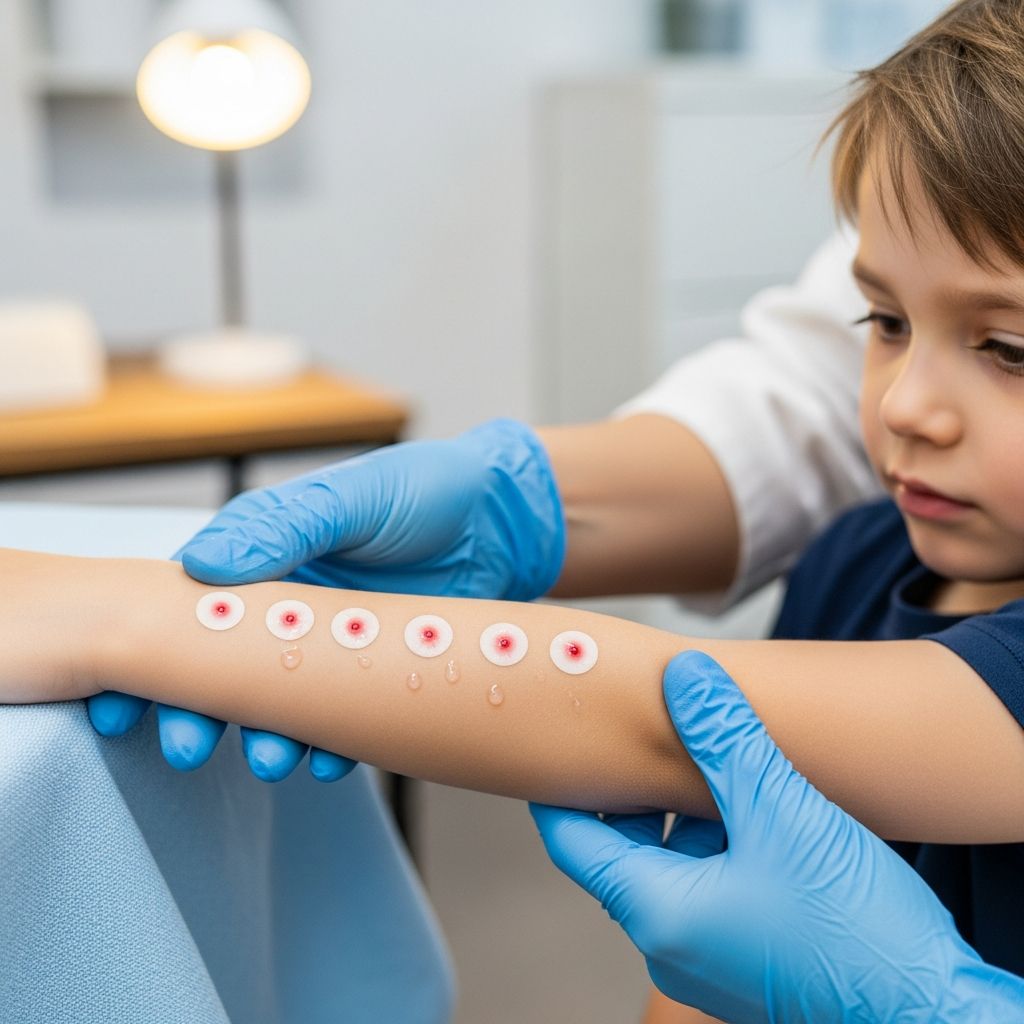
Allergy testing helps identify specific triggers causing symptoms in children, enabling targeted management to improve quality of life. Common methods include skin prick tests, blood tests, and patch tests, each suited to different situations and ages.
Recognizing When Your Child Needs Allergy Evaluation
Parents often notice persistent issues like frequent sneezing, itchy eyes, or skin irritations in their children. These could signal allergies affecting daily activities, sleep, or school performance. Testing becomes essential when symptoms interfere with normal routines or suggest risks like asthma exacerbation.
Key indicators include chronic nasal issues, recurrent rashes, gastrointestinal distress after meals, or respiratory difficulties. Family history of allergies increases likelihood, prompting earlier evaluation. Consulting a pediatric allergist ensures comprehensive assessment beyond self-diagnosis.
Primary Testing Approaches for Young Patients
Healthcare providers select tests based on the child’s age, skin condition, medications, and symptom profile. Skin-based methods offer quick insights, while blood draws provide alternatives for sensitive cases.
Skin Prick Testing: Quick and Common First Step
This method applies tiny allergen drops to the skin on the forearm or back, followed by a shallow prick. Reactions appear as raised wheals within 15-20 minutes, indicating sensitivity. It’s ideal for airborne, food, or insect allergens and safe for most children over six months.
- Advantages: Immediate results, cost-effective, high sensitivity for many allergens.
- Limitations: Not suitable for widespread eczema or recent antihistamine use.
- Procedure time: About 15-30 minutes in-office.
Providers use distraction tools like toys or videos to ease anxiety during the painless pricks.
Blood Testing: Reliable for Challenging Cases
Known as specific IgE or ImmunoCAP tests, these measure allergy antibodies in a blood sample. Useful for infants, eczema patients, or those on interfering medications, results arrive in days.
- Benefits: No skin contact needed, broad allergen panel possible.
- Drawbacks: Slightly less sensitive, higher cost, requires venipuncture.
Though a needle draw may cause brief discomfort, it’s generally well-tolerated.
Other Specialized Skin Tests
Intradermal tests inject allergens slightly deeper for higher sensitivity, often for drug or venom suspicions. Patch tests detect delayed reactions to contact irritants like metals or fragrances, applied for 48 hours.
| Test Type | Best For | Time to Results | Age Suitability |
|---|---|---|---|
| Skin Prick | Airborne, foods | 15-20 min | 6 months+ |
| Intradermal | Venom, drugs | 15-20 min | Older children |
| Blood IgE | Any, esp. skin issues | Days | All ages |
| Patch | Contact dermatitis | 48+ hours | School-age+ |
Preparing Your Child for a Successful Test
Preparation minimizes discomfort and ensures accuracy. Stop antihistamines 5-7 days prior for skin tests, as they suppress reactions. Bathe the child to clean skin, and dress in loose clothing.
- Explain the process simply: “It feels like a tiny poke, like a mosquito bite.”
- Use age-appropriate distractions: stories for toddlers, games for older kids.
- Schedule morning appointments when children are rested.
- Bring snacks, comfort items, and a favorite toy.
For blood tests, ensure hydration and discuss with staff if your child fears needles.
Safety Considerations in Pediatric Testing
Allergy tests carry low risks, performed in equipped offices ready for rare reactions like anaphylaxis. Skin prick tests are safest, with intradermal slightly riskier for severe cases. Monitor post-test for irritation.
Blood draws pose standard phlebotomy risks like bruising. Patch tests may cause temporary redness. No test is 100% predictive; positives require clinical correlation to avoid unnecessary restrictions.
Decoding Test Results and Implications
A wheal larger than 3mm suggests allergy, sized by sensitivity level. Blood levels grade from low to high IgE. False positives occur, so history guides interpretation.
- Positive result: Confirms trigger; pursue avoidance or immunotherapy.
- Negative result: Lowers likelihood but doesn’t rule out non-IgE allergies.
- Equivocal: May need repeat or challenge tests.
Results inform personalized plans, tracking symptom improvement.
Treatment Pathways After Diagnosis
Confirmed allergies lead to avoidance strategies: air purifiers for pollen, hypoallergenic bedding for dust mites, label reading for foods. Medications like nasal sprays or epinephrine auto-injectors manage symptoms.
Immunotherapy builds tolerance via shots or tablets for select allergens. Follow-up tests monitor progress. Education empowers families for long-term control.
Common Questions About Children’s Allergy Testing
At what age can my baby have allergy testing?
Skin prick tests start around 6 months; blood tests suit infants. Earlier evaluation aids management.
Do allergy tests hurt children?
Skin pricks feel like light scratches; blood draws a quick pinch. Distractions help.
How accurate are these tests for kids?
Highly reliable when combined with history; skin tests often more sensitive than blood.
What if results are positive for food allergies?
Avoidance is key; consult for safe reintroduction or oral challenges.
Can medications affect test outcomes?
Yes, pause antihistamines; inform providers of all drugs.
Is testing covered by insurance?
Often yes for symptomatic children; verify with provider.
Long-Term Allergy Management for Families
Beyond testing, lifestyle adjustments prevent flares: regular cleaning, pet zones, seasonal precautions. Annual allergist visits track changes, as allergies evolve.
School plans ensure safety. Research advances promise better diagnostics. Empower yourself with knowledge for proactive care.
References
- A Parent’s Guide to Pediatric Allergy Testing — ENT Surgical Illinois. 2023. https://entsurgicalillinois.com/posts/a-parents-guide-to-pediatric-allergy-testing/
- Allergy Testing for Children and Adults — Amerimmune. 2024. https://amerimmune.com/children-adults-testing
- For Children and Infants — ACAAI. 2025-01-10. https://acaai.org/allergies/testing-diagnosis/for-children-and-infants/
- Allergy skin tests — Mayo Clinic. 2024-05-15. https://www.mayoclinic.org/tests-procedures/allergy-tests/about/pac-20392895
- Diagnostic Tests for Allergy in Children — Nationwide Children’s Hospital. 2023. https://www.nationwidechildrens.org/conditions/health-library/diagnostic-tests-for-allergy-in-children