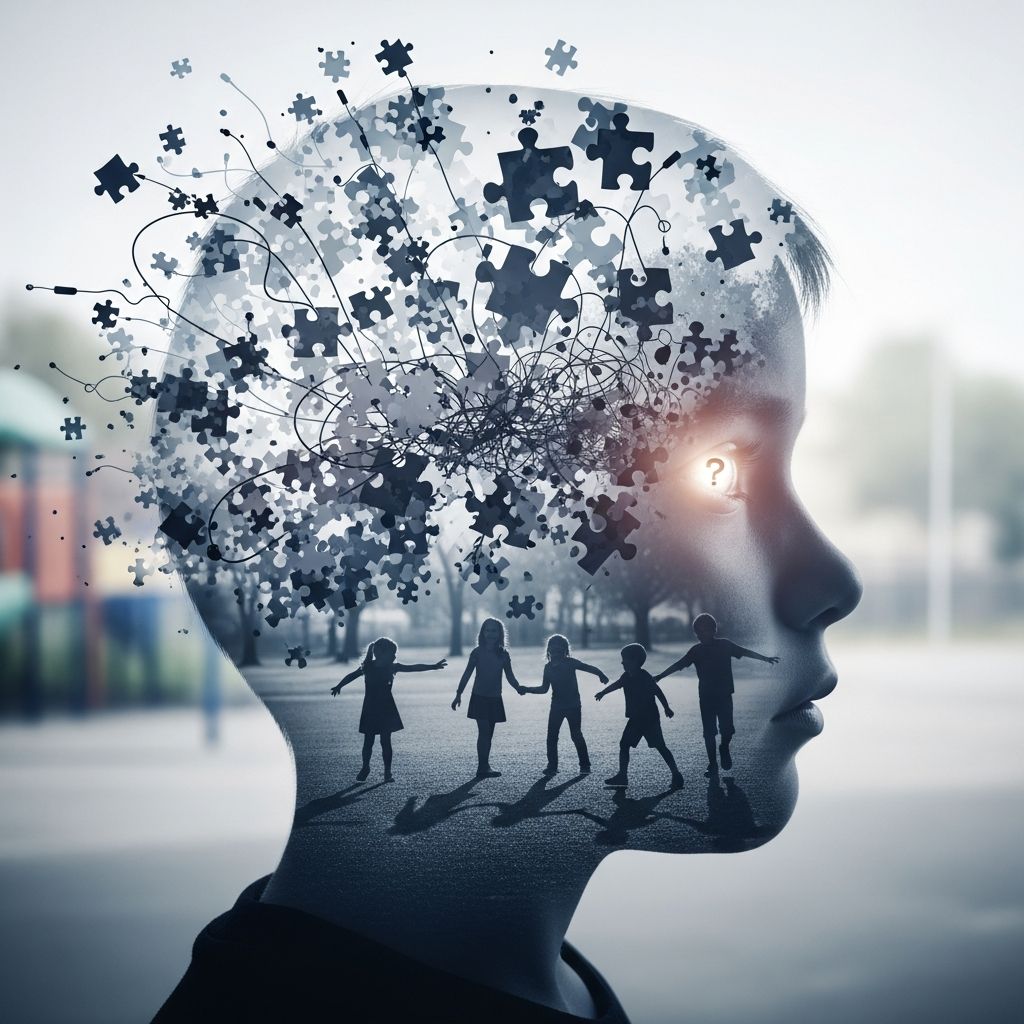
Schizophrenia is a serious mental health condition that can affect how a person thinks, feels, and understands what is real. It is more common in adults, but it can sometimes begin in childhood or the teenage years. This guide explains schizophrenia in a simple way to help kids and families understand what is happening and how to get help.
What Does Schizophrenia Mean?
Schizophrenia is a brain disorder. It affects:
- Thoughts – how someone understands and organizes ideas
- Feelings – their mood and emotional reactions
- Perceptions – how they experience sounds, sights, and other sensations
- Behavior – what they do and how they act around others
Doctors sometimes call it childhood-onset schizophrenia when symptoms begin before age 13, and early-onset schizophrenia when it starts in the teenage years.
How the Brain Is Involved
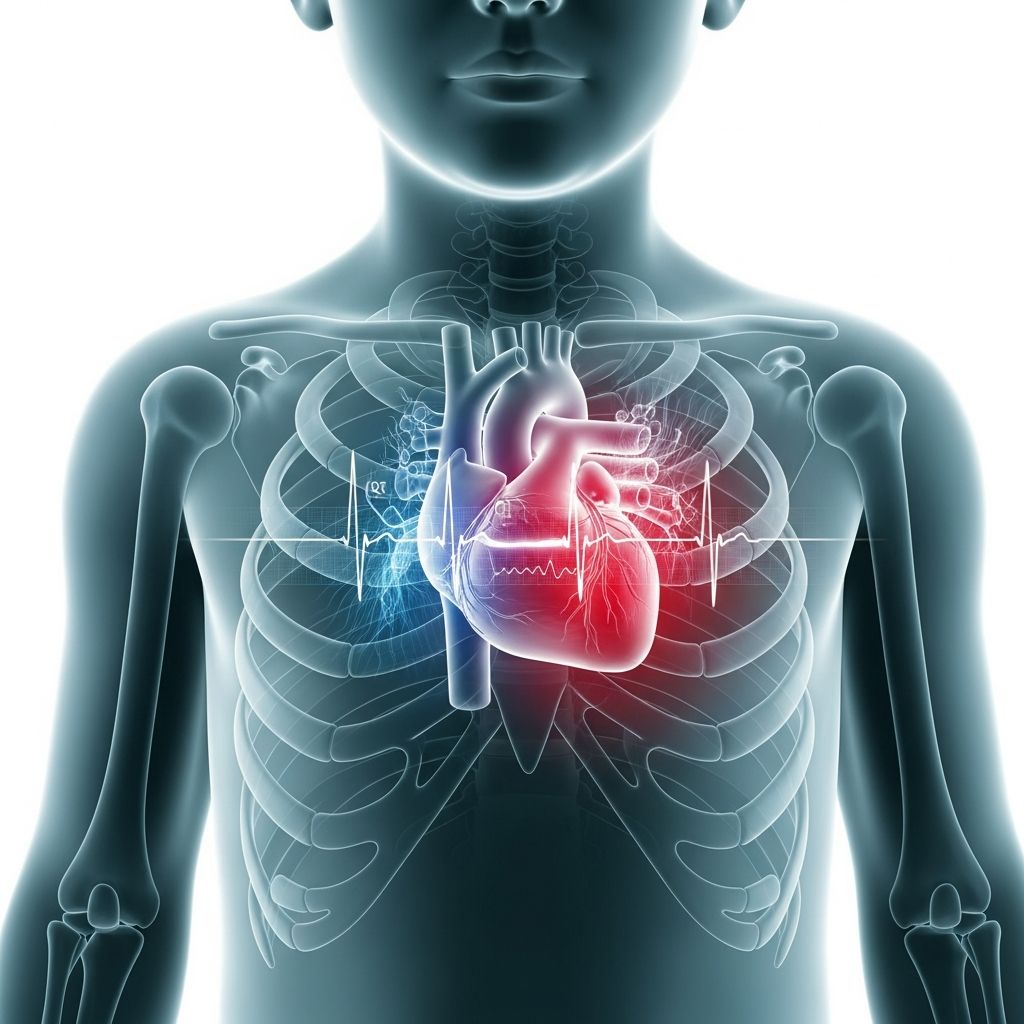
Schizophrenia is not a sign of weakness or bad behavior. It is linked to changes in the brain and the way brain cells communicate.
- Certain brain chemicals called neurotransmitters, especially dopamine and glutamate, may work differently in people with schizophrenia.
- Brain scans show that some children with schizophrenia have differences in brain structure and connections compared with children without the illness.
These changes can make it harder for the brain to sort out what is real and what is not, or to think clearly and manage emotions.
Common Signs and Experiences
Schizophrenia can look different from one child to another. Doctors group symptoms into a few types to better understand and treat them.
Positive Symptoms
These are experiences or behaviors that are added to what a person usually feels or does.
- Hallucinations – hearing, seeing, or sensing things that others do not, such as:
- Voices talking about them or to them
- Figures, shapes, or lights no one else sees
- Strange smells or feelings on their skin
- Delusions – strong beliefs that are not true, such as:
- Thinking someone is spying on them or trying to hurt them
- Believing they have special powers or messages only they can understand
- Disorganized thinking and speech – having trouble staying on topic, jumping from idea to idea, or speaking in a way that is hard to follow
Negative Symptoms
These are things that are reduced or missing compared with what is usual for a child.
- Showing fewer facial expressions or speaking in a flat, quiet voice
- Seeming less interested in friends, school, or play
- Not enjoying activities that used to be fun
- Having trouble starting tasks like homework or getting dressed
Thinking and Learning Difficulties
Schizophrenia can make school and daily tasks more difficult.
- Trouble paying attention or remembering instructions
- Difficulty planning or organizing work
- Confusing TV, dreams, and real life
- Taking longer to understand jokes, hints, or social rules
Changes in Behavior and Emotions
- Acting withdrawn or spending much more time alone
- Unusual or confusing behavior, such as talking to themselves
- Strong fears or worries that something terrible will happen
- Sudden changes in mood, like irritability or sadness
Early Clues in Younger Children
Very young children sometimes show early signs that something is different in their development.
- Delays in learning to walk, talk, or play with others
- Odd movements, like rocking or flapping that continue over time
- Very limited eye contact or interest in people
- Long periods of low activity or very unusual reactions to sounds and sights
These signs do not always mean a child has schizophrenia. They can be part of many different conditions, so doctors look at the full picture.
What Causes Schizophrenia in Kids?
Experts have not found one single cause of schizophrenia. Instead, the condition seems to develop from a mix of factors that affect brain development.
| Type of Factor | How It May Play a Role |
|---|---|
| Genetics | Having a close family member with schizophrenia or a related condition raises the chance of developing it, but does not guarantee it. |
| Brain chemistry and structure | Differences in neurotransmitters and brain connections are linked to schizophrenia. |
| Prenatal and birth factors | Complications during pregnancy or birth, infections, or poor nutrition may affect brain development. |
| Stress and environment | Stressful experiences or trauma may trigger symptoms in a child who is already at higher risk. |
Parents do not cause schizophrenia by something they did or did not do. It is a complex medical condition that no one chooses.
How Doctors Figure Out What Is Going On
There is no single test, like a blood test or brain scan, that can prove a child has schizophrenia. Instead, mental health professionals use several steps.
- Detailed questions about the child’s thoughts, feelings, behavior, and daily life
- Talks with parents or caregivers to learn about development, school, and family history
- Medical checkups and sometimes lab tests or scans to rule out other illnesses
- Observation of how the child behaves and interacts during visits
Because symptoms can overlap with other conditions like depression, autism, or bipolar disorder, the diagnosis can take time and careful evaluation.
Treatment: How Professionals Help
Schizophrenia is a long-term condition, but many children improve with the right care and support. Treatment usually includes a combination of approaches.
Medicines
Doctors often prescribe antipsychotic medications. These medicines can help reduce hallucinations, delusions, and severe confusion.
- Medicines are chosen carefully for children, starting with low doses.
- Doctors watch for side effects like sleepiness, weight gain, or restlessness, and adjust treatment as needed.
- Parents and older kids are encouraged to ask questions and share how the medicine is working.
Therapy and Skills Training
- Cognitive-behavioral therapy (CBT) can help kids manage unusual thoughts, cope with voices, and handle anxiety.
- Family therapy teaches relatives about schizophrenia and offers ways to handle stress and communication challenges.
- Social skills training helps children practice making friends, reading social cues, and solving everyday problems.
School and Daily Support
- Teachers and school counselors can provide learning support or special education plans.
- Extra time for tests, quiet spaces, or help with organization may be offered.
- Community programs and support groups can help families connect with others facing similar challenges.
Living Everyday Life With Schizophrenia
With treatment and understanding, many children and teens with schizophrenia can attend school, make friends, and enjoy hobbies. Some days may be harder than others, especially when symptoms flare up or treatment needs adjustment.
Ways Families Can Help
- Keep regular routines for sleep, meals, and school.
- Give simple, clear instructions and repeat them if needed.
- Stay calm when symptoms appear and contact the treatment team for guidance.
- Celebrate small steps and improvements.
- Take care of your own stress and health as a caregiver.
Helping Other Kids in the Family Understand
Brothers, sisters, and friends might be confused or worried when they see changes in someone they care about. It can help to explain, in age-appropriate language, that:
- The child with schizophrenia is not choosing to act differently.
- They have an illness that affects their brain, like asthma affects the lungs or diabetes affects blood sugar.
- Medicines and therapy are part of helping them feel better.
- They still need friendship, kindness, and respect.
Myths and Facts
There are many misunderstandings about schizophrenia. Learning the facts can reduce fear and stigma.
| Myth | Fact |
|---|---|
| Children with schizophrenia are always dangerous. | Most children with schizophrenia are not violent. With treatment and support, many behave safely and calmly. |
| Bad parenting causes schizophrenia. | Schizophrenia is linked to brain differences and many biological and environmental factors, not simply parenting style. |
| People with schizophrenia cannot get better. | While it is usually a long-term condition, treatment can reduce symptoms and help children function better at home and school. |
| Schizophrenia means having “split” or multiple personalities. | Schizophrenia involves problems with thinking and perception; it is not the same as having multiple personalities. |
When to Ask for Help
It can be hard to know when a behavior is part of growing up and when it may be a sign of a serious problem. Parents and caregivers should consider seeking professional help if they notice:
- Persistent hallucinations or strong beliefs that are clearly not real
- Sudden, major changes in thinking, mood, or behavior
- Withdrawal from friends and family that lasts for weeks
- Serious problems at school that are new or quickly getting worse
- Talk of wanting to die or hurt themselves or others
In emergencies, such as when a child may harm themselves or someone else, families should seek immediate medical or crisis help.
Frequently Asked Questions (FAQs)
Q: Can kids outgrow schizophrenia?
A: Schizophrenia is usually a long-lasting condition. Many children will continue to have symptoms into adulthood, but with treatment they may learn ways to manage those symptoms and lead meaningful lives.
Q: Is it okay to talk to a child about their symptoms?
A: Yes. Calm, honest conversations at a level they can understand can reduce fear. Listening without judgment and letting them know they are not alone is very helpful.
Q: Will medicine change a child’s personality?
A: Medicines may cause side effects, but their goal is not to change who the child is. Instead, they aim to reduce distressing symptoms so the child can be more fully themselves. Doctors work with families to balance benefits and side effects.
Q: Can children with schizophrenia go to regular school?
A: Many can attend regular classes, sometimes with extra support such as individualized education plans, counseling, or classroom accommodations. The right setting depends on the child’s needs and how well symptoms are controlled.
Q: How can friends support someone with schizophrenia?
A: Friends can be kind, patient, and inviting without forcing the person to talk about their illness. Including them in games or activities, respecting their limits, and standing up against teasing or bullying can make a big difference.
References
- Childhood schizophrenia: Symptoms and causes — Mayo Clinic Staff. 2023-10-11. https://www.mayoclinic.org/diseases-conditions/childhood-schizophrenia/symptoms-causes/syc-20354483
- Childhood Schizophrenia: Symptoms, Treatment, and Outlook — WebMD Editorial Contributors. 2022-06-24. https://www.webmd.com/schizophrenia/childhood-schizophrenia
- Childhood-onset schizophrenia: what do we really know? — Schaeffer J et al., Child and Adolescent Psychiatry and Mental Health. 2015-02-24. https://pmc.ncbi.nlm.nih.gov/articles/PMC4345999/
- Schizophrenia in Children — Children’s Hospital of Philadelphia. 2021-09-15. https://www.chop.edu/conditions-diseases/schizophrenia-children
- Causes – Schizophrenia — NHS. 2022-05-12. https://www.nhs.uk/mental-health/conditions/schizophrenia/causes/
- Schizophrenia in Children — American Academy of Child & Adolescent Psychiatry (AACAP), Facts for Families #49. 2017-08-01. https://www.aacap.org/AACAP/Families_and_Youth/Facts_for_Families/FFF-Guide/Schizophrenia-In-Children-049.aspx
- Schizophrenia — Boston Children’s Hospital. 2020-04-01. https://www.childrenshospital.org/conditions/schizophrenia