Recognizing Headaches in Your Child
Headaches are a frequent complaint among children and adolescents, with approximately one in five children between ages 5 and 17 experiencing headaches at some point. While many parents immediately worry about serious underlying conditions, the reality is reassuring: fewer than 3% of childhood headaches stem from significant medical problems. Most headaches result from manageable factors such as stress, lifestyle habits, and environmental triggers that can be effectively addressed with proper understanding and intervention.
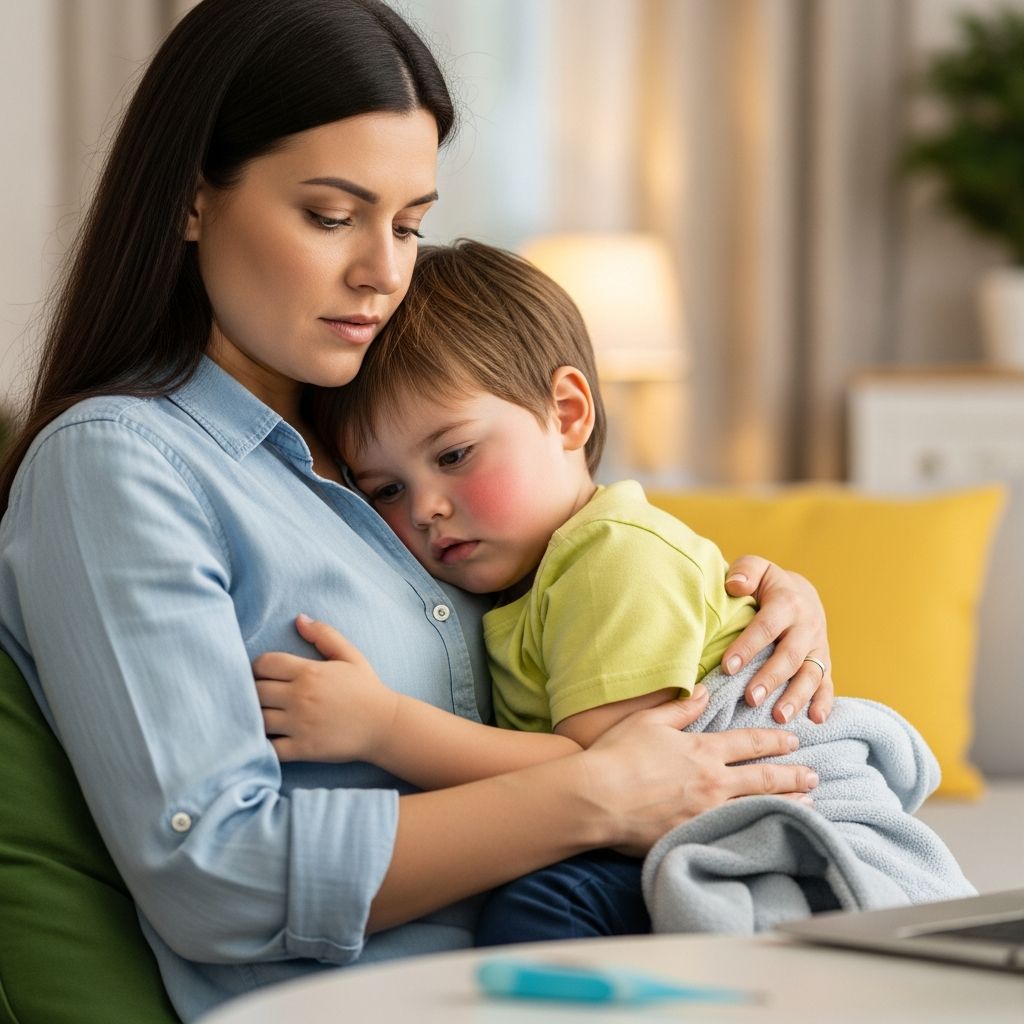
The experience of a headache varies significantly from child to child. Some children report only head pain, while others experience additional symptoms that accompany the discomfort. Common accompanying symptoms include nausea or vomiting, sensitivity to loud noises, and vision changes. Understanding these variations helps parents distinguish between different headache types and determine the most appropriate response.
The Two Main Categories of Childhood Headaches
Primary Headaches: The Most Common Type
Primary headaches occur without an underlying medical condition causing them. These headaches are not symptoms of another disease but rather conditions themselves. Among children, tension headaches represent the most prevalent type, affecting approximately 15% of children in the 5-17 age group, followed by migraines, which affect about 5% of this population.
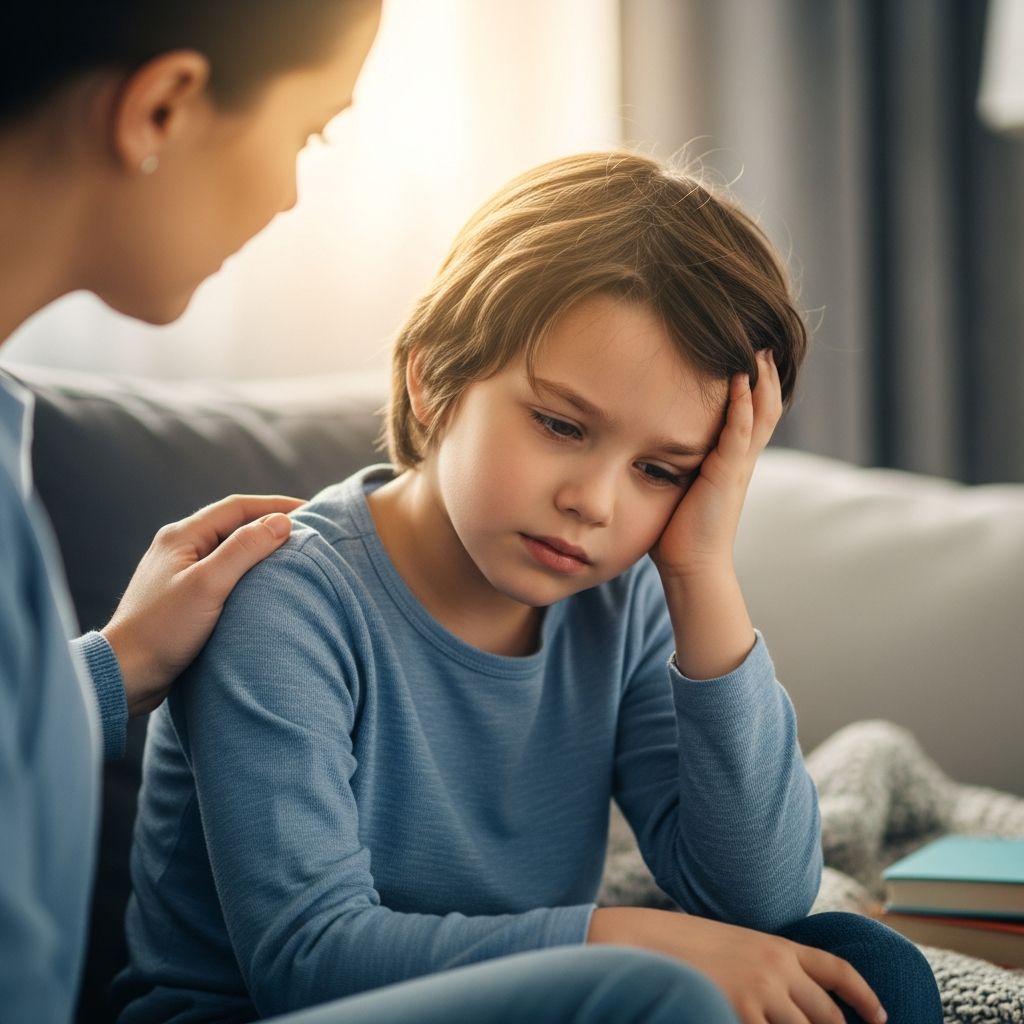
Tension-type headaches typically develop from stress, anxiety, or insufficient rest rather than from physical or organic problems. These headaches frequently result from identifiable triggers including academic pressure, competitive activities, learning difficulties, excessive extracurricular commitments, and significant life events such as family separation or loss. Children experiencing tension headaches benefit from identifying their specific triggers, as this knowledge enables adults to help them develop effective coping strategies or reduce problematic stressors.
Migraines represent a different type of primary headache with distinct characteristics. Most children experiencing migraines also report abdominal discomfort, vomiting, and nausea alongside the head pain. Interestingly, some children experience “silent migraines” where they have cyclic vomiting or abdominal pain without the typical headache component. Migraines carry a hereditary component, meaning children with family histories of migraines face higher risk of developing them.
Secondary Headaches: Symptoms of Other Conditions
Secondary headaches occur as symptoms of underlying medical conditions or infections. Common causes include the common cold, flu, and other viral or bacterial infections. While serious causes such as brain tumors are extremely uncommon, certain warning signs warrant immediate medical attention. Parents should seek emergency care if headaches accompany high fever and neck stiffness (suggesting meningitis), follow head trauma, or represent the most severe headache the child has ever experienced (potentially indicating hemorrhage).
Identifying Triggering Factors and Lifestyle Contributors
Many childhood headaches directly result from preventable lifestyle factors. Establishing consistent sleep patterns proves essential, as insufficient sleep is a major headache trigger. Children should aim for eight hours of quality sleep nightly to reduce headache risk. Beyond sleep, adequate hydration, regular meals, and balanced nutrition significantly impact headache frequency.
Environmental and behavioral factors also contribute substantially:
- Dehydration and skipped meals can trigger or worsen headaches
- Excessive screen time and poor posture strain neck and shoulder muscles
- Irregular eating patterns and certain dietary triggers affect susceptible children
- Emotional stress from academic pressure, social situations, or family circumstances
- Overcommitment to activities leaving insufficient downtime for relaxation
A common misconception concerns sinus infections and dental problems as headache causes. While headaches may accompany true sinus infections (characterized by fever, colored nasal discharge, and facial tenderness), chronic sinus congestion alone does not cause recurrent headaches. Similarly, although temporomandibular joint (TMJ) dysfunction can accompany headaches, most cases attributed to TMJ are actually undiagnosed tension-type headaches or migraines. Stuffy noses and congestion frequently occur as migraine symptoms rather than as causes of headaches.
Effective At-Home Treatment Strategies
Immediate Pain Management Approaches
When a headache occurs, several evidence-based home treatment strategies can provide rapid relief. The most effective initial approach involves multiple complementary techniques rather than relying on a single intervention.
Environmental modifications offer immediate comfort without medication. Encouraging your child to rest in a cool, dark, quiet room addresses sensory sensitivities that often accompany headaches. Removing visual stimulation, reducing noise levels, and lowering room temperature creates optimal conditions for recovery. Sleep often provides the most effective natural relief, so allowing children to nap or rest undisturbed can significantly reduce symptoms.
Temperature therapy can relieve discomfort quickly. Applying a cool, damp cloth to the forehead, temples, or back of the neck provides soothing relief for many children. The cooling sensation helps relax tensed muscles and reduces pain perception. Some children prefer this approach to medications, making it a valuable first-line intervention.
Nutritional support addresses hunger or dehydration as potential triggers. If your child hasn’t eaten recently, offering a light, nutritious snack—such as fruit, whole-grain crackers, or low-fat cheese—may eliminate the headache entirely. Similarly, adequate hydration is crucial; offering water, fruit juice, or other hydrating beverages addresses dehydration-related headaches.
Medication Options for Symptom Relief
Over-the-counter pain relievers serve as first-line medications for treating childhood headaches. Acetaminophen (Tylenol) and ibuprofen (Advil, Motrin) are effective options that work best when administered at the first sign of headache onset. These medications typically bring relief within an hour of administration.
Important medication safety considerations include:
- Never give aspirin to children or teenagers under 18 years old due to the risk of Reye’s syndrome, a serious condition associated with aspirin use during viral illness
- Follow age-appropriate dosing guidelines on medication packages
- Avoid overuse of pain relievers, which can paradoxically increase headache frequency
- Prescription medications such as triptans may be recommended for frequent or severe migraines in older children
Long-Term Prevention and Management Strategies
Behavioral and Psychological Approaches
For children experiencing frequent headaches, preventive strategies prove more valuable than treating individual episodes. Cognitive behavioral therapy (CBT) represents an evidence-based approach that helps children develop positive thought patterns and effective coping mechanisms. Through CBT, children learn to reframe stressful situations and develop resilience, which translates to fewer and less severe headaches.
Research demonstrates that combining CBT with medication proves more effective than medication alone. A qualified psychologist or therapist guides children through techniques for stress management and emotional regulation, providing tools they can apply independently throughout their lives.
Relaxation techniques offer accessible daily prevention methods. Deep breathing exercises, progressive muscle relaxation, and listening to calming music all help reduce tension and lower headache frequency. Teaching children these techniques empowers them to manage stress proactively before headaches develop. Many children benefit from practicing these methods during calm periods, making them more accessible when stress increases.
Lifestyle Optimization for Prevention
Establishing consistent daily habits creates the foundation for headache prevention:
| Prevention Strategy | Benefit | Implementation |
|---|---|---|
| Regular Sleep Schedule | Reduces headache frequency significantly | Aim for 8 hours nightly at consistent times |
| Balanced Nutrition | Prevents hunger-triggered headaches | Offer regular meals and healthy snacks |
| Adequate Hydration | Prevents dehydration-related discomfort | Encourage water consumption throughout the day |
| Activity Balance | Reduces stress-related tension headaches | Limit commitments and ensure downtime |
| Screen Time Limits | Reduces eye strain and tension headaches | Set reasonable limits on device usage |
Alternative and Complementary Therapies
Beyond conventional approaches, several alternative treatments show promise for children with recurrent headaches. Acupuncture, using extremely thin disposable needles, may help relieve headache symptoms in some children and carries minimal discomfort. Therapeutic massage reduces stress and tension, potentially easing tension-related headaches. Physical therapy addresses headaches caused by muscle tension in the head, neck, and spine regions, providing lasting relief through strengthening and flexibility work.
When to Seek Professional Medical Evaluation
While most childhood headaches are manageable at home, certain situations warrant professional evaluation. Parents should contact their pediatrician for persistent headaches occurring more than once weekly, as untreated chronic headaches become progressively more difficult to manage and may interfere with school performance and social activities.
Seek immediate medical attention if headaches are accompanied by:
- Fever combined with neck stiffness or pain
- Unusual or severe symptoms unlike any previous headache
- Progressive worsening over time
- Vision changes, balance problems, or weakness
- Headache following head trauma
- Vomiting without associated nausea
A pediatrician will perform appropriate evaluation to rule out serious causes and establish an effective treatment plan. Once a diagnosis is confirmed, your child’s doctor may provide documentation to share with school personnel, facilitating a 504 plan if needed to accommodate treatment or prevent triggering factors during the school day.
Supporting Your Child Through Headaches
Parents play a crucial role in managing their child’s headaches through identification of triggers and consistent application of prevention strategies. Recognizing patterns—whether headaches occur during stressful periods, after skipped meals, or with insufficient sleep—enables targeted interventions. Open communication with your child about their symptoms, when headaches occur, and what provides relief helps refine treatment approaches over time.
Creating a supportive environment that reduces unnecessary stress, maintains healthy routines, and provides comfort during headache episodes demonstrates care while building your child’s confidence in managing their own health. When combined with professional guidance, these family-based approaches help most children achieve significant improvement in headache frequency and severity.
Frequently Asked Questions
Q: Are childhood headaches dangerous?
A: No. Less than 3% of childhood headaches result from serious medical conditions. Most headaches are manageable primary headaches related to stress, lifestyle, or viral infections. However, headaches with warning signs such as fever and neck stiffness, severe head trauma, or the worst headache ever experienced require immediate medical evaluation.
Q: How long should a typical childhood headache last?
A: Duration varies by headache type. Tension headaches may last from 30 minutes to several hours, while migraines typically last 4 to 72 hours. Secondary headaches related to infections usually resolve when the underlying condition improves. If headaches persist despite home treatment, consult your pediatrician.
Q: Can children become dependent on pain medication?
A: Occasional use of over-the-counter pain relievers for acute headaches does not cause dependency. However, frequent use (more than 2-3 days weekly) can lead to medication overuse headaches. Prevention strategies and occasional medication use represent the recommended approach.
Q: What dietary triggers should I avoid?
A: Common dietary triggers include processed foods, excessive caffeine, foods containing nitrates or monosodium glutamate (MSG), and skipped meals. Keeping a headache diary helps identify whether specific foods trigger symptoms in your individual child.
Q: How can I help my child manage school-related stress headaches?
A: Work with your child to identify specific stressors, teach relaxation techniques, ensure adequate sleep and nutrition, and consider whether activity levels are manageable. Communicate with teachers about your child’s condition, and practice stress management together regularly.
References
- Headaches in Children: Causes, Types & Pain Relief — Cleveland Clinic. 2025. https://my.clevelandclinic.org/health/diseases/4225-headaches-in-children
- Children’s Headache Disorders — American Headache Society. 2025. https://headaches.org/resources/childrens-headache-disorders/
- Headache — Child Neurology Foundation. 2025. https://www.childneurologyfoundation.org/disorder/headache/
- Children, Headaches, and When to Worry — Brown University Health. 2025. https://www.brownhealth.org/be-well/children-headaches-and-when-worry
- Headaches in Children — Children’s Hospital of Philadelphia. 2025. https://www.chop.edu/conditions-diseases/headaches-children
- Headaches in children – Diagnosis & treatment — Mayo Clinic. 2024. https://www.mayoclinic.org/diseases-conditions/headaches-in-children/diagnosis-treatment/drc-20352104