What Is a Fever and Why Children Develop Them
A fever represents an elevation in body temperature above the normal range, typically occurring when a child’s immune system detects an infection or other physiological challenge. Unlike common misconceptions, a fever is not an illness itself but rather a protective mechanism that helps the body combat invading pathogens. When viruses or bacteria enter the body, the immune system responds by raising the body’s temperature setpoint, creating an environment less favorable for microbial replication.
Children experience fevers more frequently than adults for several important developmental reasons. Young children frequently explore their environment by placing objects and hands in their mouths, increasing their exposure to various microorganisms. This heightened exposure actually serves a beneficial purpose: each infection helps strengthen and train the immune system, building immunity against future exposures. The development of a robust immune response during childhood creates a foundation for lifelong health protection.
Parents should understand that fever-producing infections represent normal developmental events in childhood rather than indicators of serious underlying disease in most cases. The overwhelming majority of childhood fevers resolve without medical intervention and leave no lasting effects on the child’s health.
Common Triggers Behind Elevated Body Temperature in Children
Viral Infections: The Primary Culprit
Viral infections account for the vast majority of fever cases in children, outnumbering bacterial infections by a ratio of approximately ten to one. Common viral illnesses that produce fever include upper respiratory infections, influenza, enteroviruses, and gastroenteritis. These viral illnesses typically run their course within several days as the immune system neutralizes the invading organisms. Viral fevers generally do not require antibiotic treatment, as antibiotics are ineffective against viruses and may contribute to antibiotic resistance when misused.
Bacterial Infections
While less common than viral infections, bacterial infections can trigger fevers that warrant closer medical attention. Bacterial urinary tract infections represent the most common serious bacterial infection in febrile children, particularly in girls. Ear infections, strep throat, pneumonia, and sinus infections also rank among frequent bacterial causes. Some bacterial infections may require antibiotic therapy to prevent complications, making accurate diagnosis important when bacterial infection is suspected.
Vaccine-Related Temperature Elevation
Parents often observe mild fever following routine immunizations, which represents a normal response to the vaccine and indicates that the immune system is mounting an appropriate defensive response. Vaccine-related fevers typically commence within twelve hours of administration and persist for two to three days. This temporary temperature elevation signifies that the vaccine is effectively stimulating immune system development and poses no danger to the child.
Environmental and Other Non-Infectious Causes
Excessive environmental heat exposure, such as prolonged time in an overheated vehicle or extreme overdressing during hot weather, can produce elevated body temperatures. Intense physical exertion during play or exercise may also temporarily raise body temperature. Additionally, certain medications and inflammatory conditions can trigger fever, though these causes are considerably less common than infections.
Recognizing Fever Symptoms and Associated Physical Signs
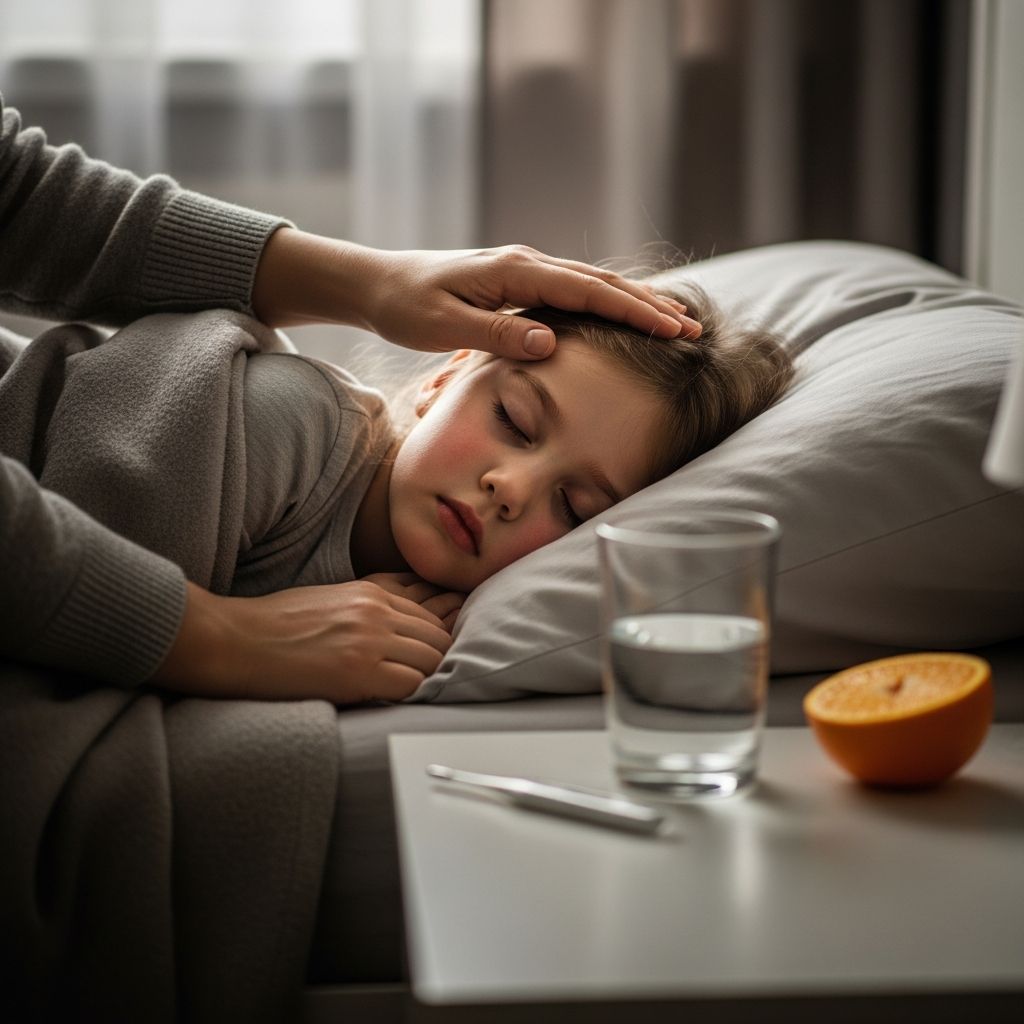
Fever manifests through several observable physical symptoms that parents can readily identify. Children with elevated body temperature often display flushed skin and feel notably warm to the touch. Accompanying symptoms frequently include general malaise, reduced appetite, increased drowsiness, and irritability or crankiness. Some children experience muscle aches and body discomfort, while others complain of headaches. Visible sweating or shivering may occur as the body attempts to regulate temperature. Heart rate and breathing rate typically increase during fever, similar to the physiological response during physical activity.
It is important to note that fever alone, without other symptoms, should not cause excessive crying or distress. If a child exhibits inconsolable crying during fever, pain from another source likely exists. Frequent crying warrants investigation for hidden conditions such as ear infections, kidney infections, throat infections, or more serious conditions like meningitis.
Distinguishing Fever from Common Misunderstandings
Teething Does Not Cause Fever
A persistent myth among parents suggests that teething produces fever. Scientific research consistently demonstrates that the tooth eruption process does not elevate body temperature. If a teething child develops fever, another cause should be investigated rather than attributing the symptom to dental development. This distinction helps parents identify genuine illnesses requiring attention rather than dismissing fever as a normal part of teething.
Fever Typically Maintains a Self-Limiting Upper Temperature
Another common misconception holds that untreated fever will continuously rise to dangerous levels. In reality, fever typically reaches a plateau determined by the body’s immune response to the specific infection and does not escalate indefinitely. The body possesses natural regulatory mechanisms that prevent fever from reaching catastrophically high temperatures in most circumstances. This understanding helps reduce parental anxiety about fever reaching dangerous extremes.
When to Seek Professional Medical Evaluation
While most fevers resolve without complications, certain circumstances warrant prompt professional medical assessment. Parents should contact their pediatrician if fever persists longer than three days, as prolonged fever may indicate complications requiring intervention. Recurring fevers that follow a pattern of resolution and recurrence suggest possible underlying chronic conditions.
Specific symptoms accompanying fever demand immediate medical attention. These include extreme letharness or difficulty arousing the child, severe difficulty breathing, unexplained rashes, localized areas of significant pain or swelling, severe headache combined with stiff neck, and drastically reduced fluid intake accompanied by minimal urination. Children who have experienced heat exposure in extremely hot environments like overheated vehicles require evaluation even with moderate fever. Additionally, children with compromised immune systems, chronic medical conditions, or those taking immunosuppressive medications warrant more conservative medical consultation thresholds.
Parents should trust their intuitive sense about their child’s condition. If something feels genuinely wrong beyond the fever itself, professional evaluation provides reassurance and identifies any serious underlying conditions.
Effective Fever Management Strategies for Comfort
Hydration as the Foundation of Care
Increased fluid consumption represents the cornerstone of fever management, offering benefits beyond simple comfort. Fever increases the body’s metabolic demands and fluid losses through increased respiration and perspiration. Adequate hydration supports the body’s ability to dissipate heat through the skin and maintains physiological processes necessary for effective immune response. For infants under six months, breast milk or formula provides appropriate hydration. Older children benefit from cool water and age-appropriate beverages. Cold fluids prove particularly helpful as they provide soothing relief and encourage consumption.
Appropriate Clothing and Environmental Adjustments
Lightweight, single-layer clothing facilitates heat loss from the body’s surface, promoting greater comfort during fever. Excessive layering traps body heat and paradoxically increases body temperature. However, if a child experiences shivering or chills, providing a lightweight blanket creates comfort without overheating. Maintaining a moderate room temperature and avoiding excessive environmental heat supports the body’s temperature regulation efforts.
Fever-Reducing Medications: When and How to Use Them
Acetaminophen and ibuprofen both effectively reduce fever-related discomfort when used appropriately. These medications work by resetting the body’s temperature setpoint closer to normal, typically reducing temperature by two to three degrees Fahrenheit. Crucially, fever-reducing medications do not eliminate the underlying infection; they simply provide comfort relief. Fever reduction medications become most appropriate when fever exceeds 102 degrees Fahrenheit or when the child experiences significant discomfort despite the fever.
For milder fevers below 102 degrees, medication may not be necessary, as fever actually helps the body fight infection more effectively. Parents should allow one to two hours for fever-reducing medications to take effect and should never administer aspirin to children, as this medication has been linked to Reye syndrome, a serious and potentially fatal condition.
Frequently Asked Questions About Childhood Fever
How should I measure my child’s temperature accurately?
Digital thermometers provide the most reliable temperature readings. For children under three years, rectal temperature measurement offers the greatest accuracy. For older children, oral temperature readings work well. Temporal artery thermometers and tympanic (ear) thermometers also provide reasonable accuracy in most situations. Always follow the thermometer manufacturer’s specific instructions for proper use.
Is it harmful to alternate acetaminophen and ibuprofen?
Some pediatricians recommend alternating these medications under specific circumstances to maintain more consistent comfort relief. However, parents should only do this under their pediatrician’s specific guidance and recommendations, as individual children may have different medication requirements and contraindications.
Will treating fever prevent febrile seizures?
Fever-reducing medications do not prevent febrile seizures, which occur in a small percentage of children between six months and five years. Febrile seizures happen due to the rapid temperature rise rather than the fever level itself. Children at risk for febrile seizures should be monitored closely, but fever treatment focuses primarily on comfort rather than seizure prevention.
How long does fever typically last in children?
Most viral fevers persist for three to five days, though some may last up to a week. Bacterial infections may produce fever lasting several days to longer periods depending on the specific infection and treatment. Fever lasting longer than three to five days warrants professional evaluation to identify any complications or secondary infections.
When can my child return to school or daycare after fever?
Most schools and daycare facilities require that children remain fever-free for at least 24 hours without fever-reducing medications before returning to group settings. This guideline helps prevent disease transmission to other children. Consult your specific school or daycare facility for their exact fever-related absence policies.
The Positive Perspective on Childhood Fever
Parents often view fever with alarm and anxiety, yet fever represents a remarkable adaptive response that protects children from infection. The temporary discomfort of elevated body temperature comes with genuine benefits: the higher temperature inhibits microbial multiplication, speeds up immune cell production, and enhances immune system effectiveness. Each fever experience during childhood contributes to immune system maturation and strengthens the child’s capacity to fight future infections.
Understanding fever as a helpful bodily response rather than a dangerous threat reduces parental stress and supports more rational decision-making about when treatment becomes necessary. Most childhood fevers resolve without intervention, and the vast majority of children with fever experience no lasting complications. By maintaining appropriate hydration, ensuring comfort, and seeking professional guidance when warning signs appear, parents can navigate febrile illnesses confidently and support their children’s natural healing processes.
References
- Fever in Healthy Children — Children’s Hospital of Philadelphia. 2024. https://www.chop.edu/conditions-diseases/fever-children
- Fever (1 and Older) — Children’s Hospital Colorado. 2024. https://www.childrenscolorado.org/conditions-and-advice/conditions-and-symptoms/symptoms/fever/
- Fever in Children — Stanford Medicine Children’s Health. 2024. https://www.stanfordchildrens.org/en/topic/default?id=fever-in-children-90-P02512
- Fever — Symptoms & Causes — Mayo Clinic. 2024. https://www.mayoclinic.org/diseases-conditions/fever/symptoms-causes/syc-20352759
- Pediatrician Tips on Fevers in Children — UC Davis Health. 2024. https://health.ucdavis.edu/children/patient-education/fevers-in-children
- Fever — Boston Children’s Hospital. 2024. https://www.childrenshospital.org/conditions/fever
- Fever — Nationwide Children’s Hospital. 2024. https://www.nationwidechildrens.org/conditions/fever