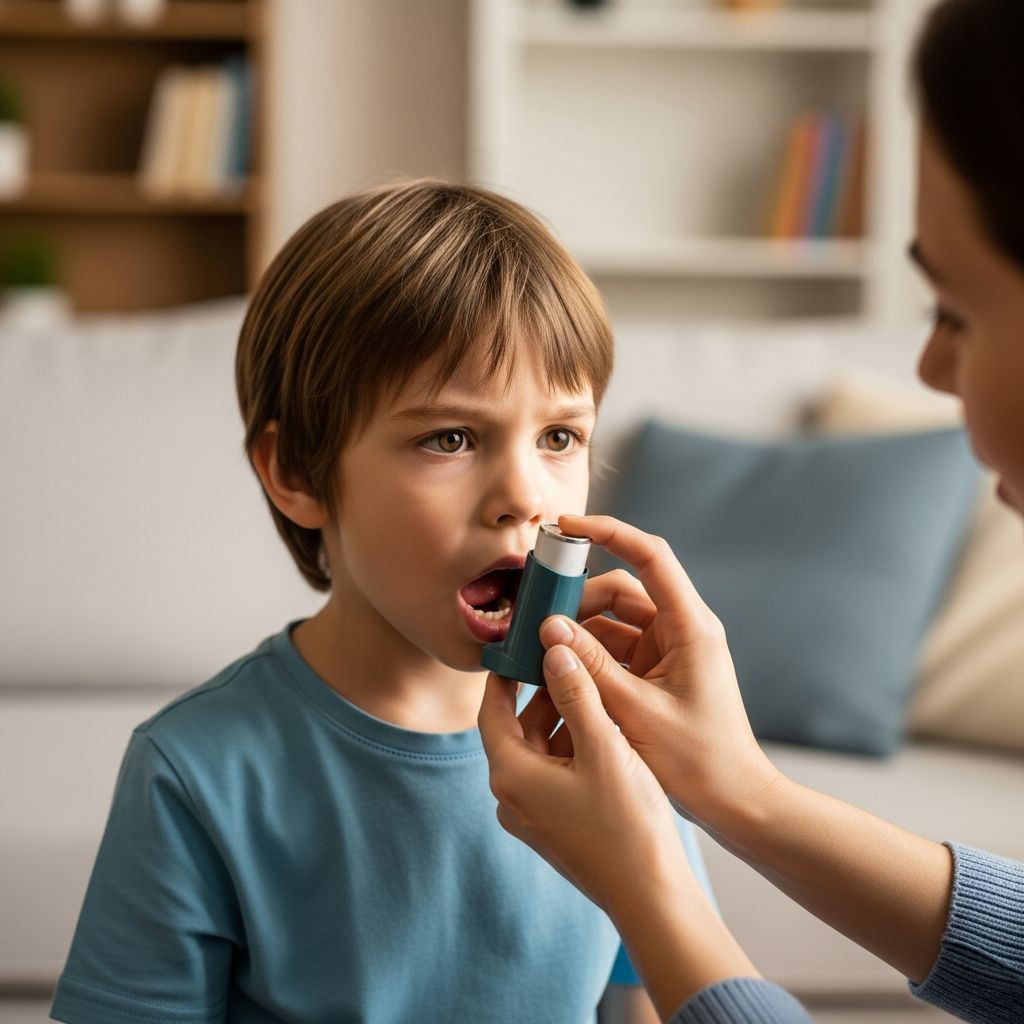
Childhood asthma affects millions of families, with flare-ups posing sudden challenges to daily life. These episodes involve airway inflammation and constriction, leading to breathing difficulties that require prompt parental response. Understanding symptoms, treatments, and prevention strategies empowers caregivers to protect their child’s respiratory health effectively.
Understanding What Triggers Asthma Episodes in Children
Asthma flare-ups, often called attacks, occur when a child’s airways swell and tighten, blocking airflow. Common triggers include allergens like pollen or pet dander, respiratory infections, cold air, exercise, smoke, and stress. In children, these can escalate quickly, turning mild coughing into severe breathing issues.
Recognizing patterns is crucial. For instance, symptoms may worsen at night or during physical activity. Tracking exposures in a journal helps identify personal triggers, allowing proactive avoidance measures such as using air purifiers or avoiding outdoor play on high-pollen days.
Key Indicators of an Approaching Asthma Flare-Up
Early detection prevents escalation. Parents should watch for subtle signs before severe distress sets in. These include:
- Mild, persistent coughing, especially at night or after play.
- Slight wheezing, a high-pitched whistle during exhalation.
- Chest tightness or discomfort, often described as pressure.
- Shortness of breath during routine activities.
- Fatigue, irritability, or reduced activity levels.
- Runny nose, itchy eyes, or sore throat preceding respiratory symptoms.
In moderate stages, peak flow readings (using a home meter) drop to 50-80% of the child’s personal best, signaling caution. Peak flow meters are simple devices that measure lung function, recommended for children over age 5.
Severe Warning Signs Requiring Immediate Action
When flare-ups intensify, symptoms demand urgent intervention to avoid life-threatening complications. Critical red flags are:
- Rapid, labored breathing with visible effort, like nostril flaring or chest retractions.
- Inability to speak in full sentences or walk without stopping to breathe.
- Persistent, severe coughing unresponsive to initial treatment.
- Blue tint around lips or fingernails, indicating low oxygen.
- Peak flow below 50% of best or no improvement after rescue medication.
Untreated severe attacks can lead to respiratory failure. Always err on the side of caution and seek professional help promptly.
The Critical Role of an Asthma Action Plan
Every child with asthma needs a personalized asthma action plan, co-developed with their healthcare provider. This document divides symptoms into green (well-controlled), yellow (caution), and red (emergency) zones, dictating specific responses.
| Zone | Symptoms | Actions |
|---|---|---|
| Green (Good) | No symptoms, normal activity, peak flow 80-100% | Follow daily controller meds; monitor triggers. |
| Yellow (Caution) | Increased symptoms, peak flow 50-80% | Quick-relief inhaler (2-4 puffs); recheck in 1 hour; adjust if needed. |
| Red (Danger) | Severe distress, peak flow <50% | Rescue meds immediately; call doctor/911; consider oral steroids. |
Post a copy at home, school, and with caregivers. Review it annually or after any flare-up.
Mastering Rescue Medications for Rapid Relief
Quick-relief bronchodilators like albuterol (or levalbuterol) are frontline treatments, relaxing airway muscles within minutes. Available as inhalers, nebulizers, or dry powder devices, they provide 4-6 hours of relief but don’t address underlying inflammation.
Proper Inhaler Technique:
- Shake well and attach spacer if prescribed (essential for kids under 8).
- Exhale fully away from mouthpiece.
- Seal lips around mouthpiece; inhale slowly and deeply.
- Hold breath 10 seconds, then exhale slowly.
- Repeat puffs as directed, waiting 1 minute between.
For nebulizers, use a mask for toddlers. Always carry rescue meds; schools must have access via prescription.
Step-by-Step Response to a Child’s Asthma Episode
Stay calm—your composure reassures the child. Follow these steps:
- Assess zone using symptoms and peak flow.
- Administer rescue meds per plan (e.g., 4 puffs yellow zone).
- Position child upright, loosen tight clothing; offer sips of water.
- Monitor for 15-60 minutes; repeat meds if partial improvement.
- If no relief or worsening, contact provider or activate emergency protocol.
For yellow zone persistence, add controller meds or oral steroids if prescribed.
Long-Term Strategies to Minimize Flare-Ups
Beyond acute care, daily controllers like inhaled corticosteroids reduce inflammation, cutting attack frequency by up to 50%. Leukotriene modifiers or biologics like omalizumab suit allergy-driven cases.
Lifestyle tips include:
- Avoiding smoke, strong odors, and allergens.
- Maintaining flu shots and hygiene to prevent infections.
- Encouraging balanced exercise with pre-treatment if needed.
- Tracking symptoms via apps or logs for provider reviews.
When to Escalate to Medical Professionals
Call your doctor for repeated yellow zones or frequent rescue use (>2x/week). Head to ER if red zone symptoms persist post-rescue or involve cyanosis. Hospitals may provide nebulized meds, oxygen, or IV steroids.
Post-flare follow-up adjusts the action plan, ensuring control.
Frequently Asked Questions (FAQs)
What is the first step in an asthma attack?
Give quick-relief albuterol via inhaler or nebulizer immediately while staying calm.
How often can I give rescue inhaler?
Every 4 hours if needed in yellow zone; more frequent in red requires medical advice.
Do spacers make a difference?
Yes, spacers increase medicine delivery by 50-70% in children, reducing side effects.
Can asthma be outgrown?
Many children improve by adolescence, but monitoring is lifelong; follow action plans.
What if peak flow isn’t improving?
Seek emergency care; it signals uncontrolled inflammation needing steroids.
Empowering Families for Lifelong Asthma Control
With vigilance, proper meds, and action plans, children thrive despite asthma. Educate all caregivers, advocate at school, and celebrate control milestones. Regular check-ups refine management, fostering active, healthy childhoods.
References
- Managing Your Child’s Asthma — St. Louis Children’s Hospital. 2023. https://www.stlouischildrens.org/health-resources/pulse/managing-your-childs-asthma
- How to Treat Asthma Attacks in Kids — Children’s Healthcare of Atlanta. 2024. https://www.choa.org/parent-resources/asthma/asthma-attacks
- Asthma Attack — Seattle Children’s Hospital. 2024. https://www.seattlechildrens.org/conditions/a-z/asthma-attack/
- Your Child’s Asthma: Flare-ups — Nationwide Children’s Hospital. 2023. https://www.nationwidechildrens.org/conditions/health-library/your-childs-asthma-flare-ups
- Treating asthma in children ages 5 to 11 — Mayo Clinic. 2025-01-10. https://www.mayoclinic.org/diseases-conditions/childhood-asthma/in-depth/asthma-in-children/art-20044383
- Asthma in Children: Symptoms, Causes & Treatment — Cleveland Clinic. 2024. https://my.clevelandclinic.org/health/diseases/6776-asthma-in-children