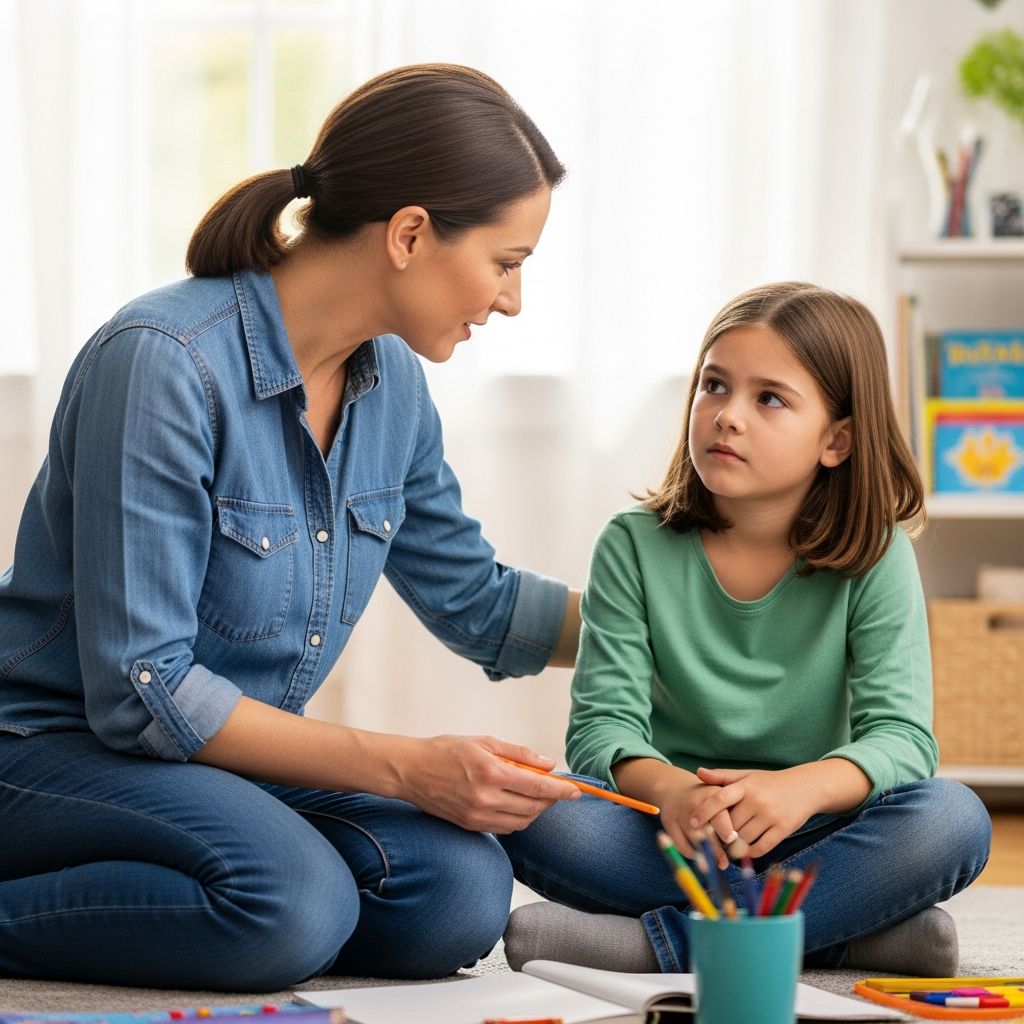
Understanding the Roots of Childhood Anger
Anger is a natural emotion that all children experience, but when it becomes frequent or intense, it can signal deeper issues. Common causes include anxiety, ADHD, academic stress, social challenges, and family dynamics such as conflict or inconsistent discipline . Recognizing these underlying factors is the first step toward helping a child manage their emotions more effectively.
Identifying Triggers and Patterns
Children often struggle to articulate what makes them angry, so parents can help by observing patterns and asking gentle questions. Common triggers include:
- Feeling overwhelmed by schoolwork or social pressures
- Experiencing anxiety or fear about changes at home or school
- Witnessing conflict or anger in the family environment
- Difficulty with impulse control, especially in children with ADHD
Keeping a simple journal of when and where anger occurs can help parents and children identify recurring triggers and develop targeted responses.
Building Emotional Awareness
Helping children recognize and name their emotions is a crucial step in anger management. Parents can:
- Teach emotional vocabulary, such as frustrated, angry, sad, or anxious
- Encourage children to describe how anger feels in their body (e.g., clenched fists, racing heart)
- Validate their feelings, showing that it’s okay to feel angry as long as it’s expressed in healthy ways
Regular conversations about emotions help children feel understood and supported, reducing the likelihood of explosive outbursts.
Effective Parenting Strategies
Parents play a vital role in shaping how children respond to anger. Key strategies include:
- Establishing consistent routines to provide stability and reduce anxiety
- Using positive reinforcement to encourage desired behaviors, rather than focusing solely on punishment
- Modeling calm and respectful communication, especially during disagreements
- Providing clear, consistent consequences for inappropriate behavior, paired with explanations
These approaches help children learn that their actions have predictable outcomes and that there are healthier ways to express frustration.
Teaching Coping Skills
Equipping children with practical tools to manage anger can empower them to handle difficult situations. Effective coping strategies include:
- Deep breathing exercises to calm the body and mind
- Counting to ten or taking a break before reacting
- Using “I feel” statements to communicate emotions without blame
- Role-playing scenarios to practice problem-solving and conflict resolution
Regular practice of these skills builds emotional resilience and helps children respond to anger in constructive ways.
When to Seek Professional Help
While most children benefit from parental support and simple strategies, some may need additional help. Consider professional intervention if:
- Anger outbursts are frequent, intense, or dangerous
- Anger interferes with school, friendships, or family life
- There are signs of underlying mental health conditions, such as anxiety or ADHD
Cognitive-behavioral therapy (CBT) and parent management training (PMT) are evidence-based approaches that can help children and families develop healthier patterns of interaction .
Supporting Emotional Growth
Parents can foster long-term emotional growth by:
- Creating a safe space for open communication about feelings
- Encouraging children to reflect on their behavior and its impact on others
- Modeling healthy coping strategies and emotional regulation
- Collaborating with teachers and other caregivers to reinforce positive behaviors
These efforts help children build self-awareness, empathy, and the ability to manage their emotions throughout life.
FAQs: Anger in Children
What causes anger in children?
Anger in children can stem from anxiety, ADHD, academic stress, social challenges, family conflict, or inconsistent discipline .
How can I help my child manage anger?
Teach emotional vocabulary, establish routines, model calm communication, and provide consistent consequences paired with explanations .
When should I seek professional help?
Seek professional help if anger is frequent, intense, dangerous, or interferes with daily life, or if there are signs of underlying mental health conditions .
What are effective coping strategies for angry children?
Deep breathing, counting to ten, taking breaks, using “I feel” statements, and role-playing scenarios are all effective coping strategies .
How can parents model healthy emotional regulation?
Parents can model healthy emotional regulation by staying calm during disagreements, expressing their own emotions constructively, and practicing coping skills in front of their children .
Summary Table: Anger Management Strategies
| Strategy | Description | Benefit |
|---|---|---|
| Emotional Vocabulary | Teach children to name and describe their feelings | Improves self-awareness and communication |
| Routines | Establish consistent daily schedules | Reduces anxiety and frustration |
| Positive Reinforcement | Reward desired behaviors rather than punishing misbehavior | Encourages positive interactions |
| Coping Skills | Practice deep breathing, counting, and breaks | Builds emotional resilience |
| Professional Help | Seek therapy if anger is severe or persistent | Provides targeted support and intervention |