What Are Allergies and How Do They Develop in Children?
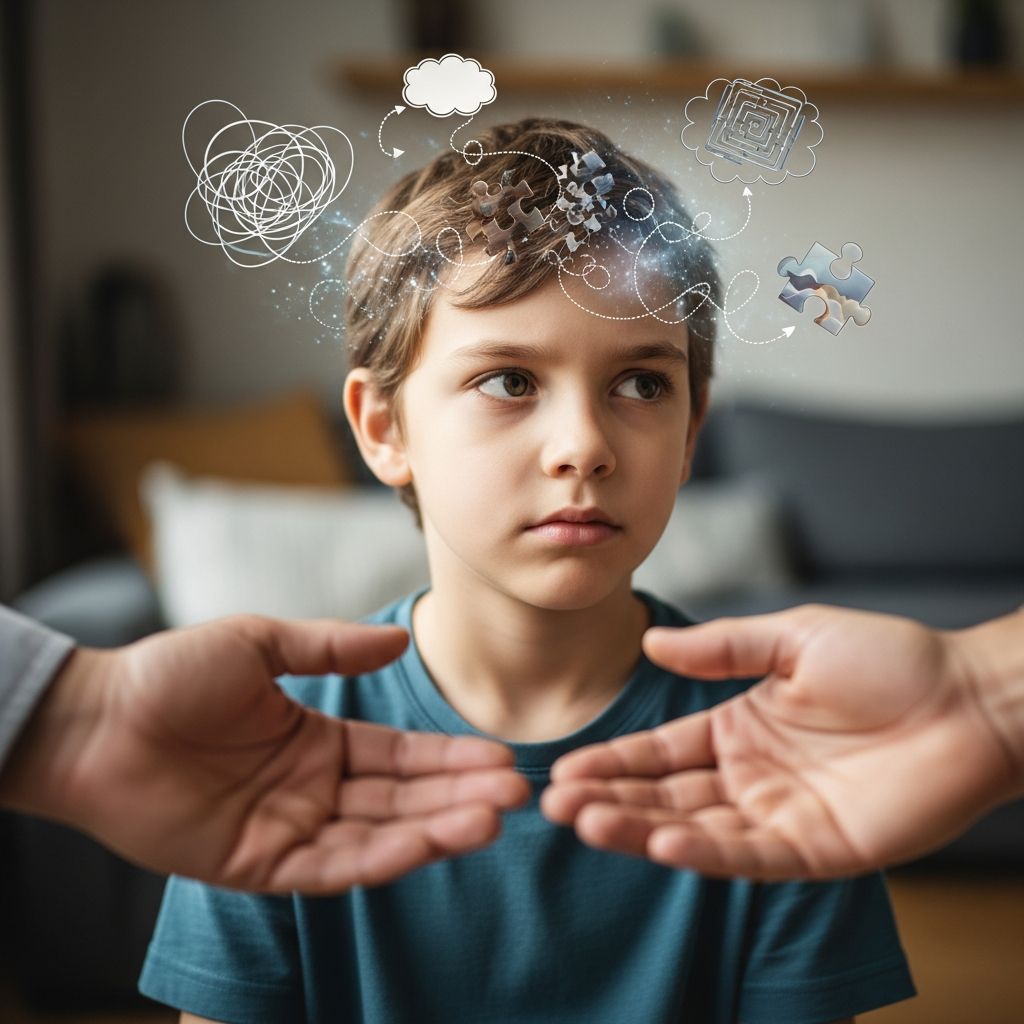
An allergy occurs when a child’s immune system reacts negatively to a substance that is generally harmless to most people. These substances, called allergens, trigger the body’s defense mechanisms to overreact, producing various symptoms that can range from mild discomfort to life-threatening emergencies. Understanding how allergies develop is crucial for parents seeking to protect their children’s health and quality of life.
Children can develop allergies at different stages of growth. Food allergies often emerge between ages one and three, while seasonal allergies typically appear between ages four and six. Asthma related to allergic reactions can develop between ages five and seven. However, allergies can manifest at any age, and some children are born with a genetic predisposition to allergic reactions. The likelihood of a child developing allergies is significantly influenced by family history—if one parent has allergies, there is approximately a 25% chance their child will develop them, and if both parents have allergies, this probability increases to between 60% and 70%.
Identifying Common Allergy Symptoms in Young People
Allergic reactions in children manifest through numerous physical signs that affect different body systems. The symptoms can vary considerably from one child to another and may change over time. Recognizing these indicators early allows parents and caregivers to seek appropriate medical intervention and implement preventive measures.
The most frequently observed symptoms include:
- Nasal and respiratory signs: Stuffy or runny nose, sneezing, postnasal drip (drainage from the nose down the back of the throat), itching inside the nose, and persistent coughing
- Ocular manifestations: Red or swollen eyes, itching in and around the eyes, watery eyes, and dark circles beneath the eyes
- Oral and throat symptoms: Itching on the roof of the mouth, sore throat, and itching inside the ears
- Skin reactions: Itchy or flushed dry skin, itchy rashes, welts, hives, and conditions such as eczema or atopic dermatitis
- Gastrointestinal complaints: Stomach pain, nausea, vomiting, and diarrhea
- Respiratory compromise: Wheezing, shortness of breath, and asthma-related symptoms
In some cases, children may display behavioral changes such as constant face rubbing, eye rubbing, or nose rubbing. Chronic nasal congestion can lead to mouth-breathing, particularly during sleep, which may result in daytime fatigue and poor concentration in school. Additionally, untreated nasal congestion can potentially affect the development of teeth and facial bone structure.
Distinguishing Between Different Types of Allergic Conditions
Children experience various forms of allergic reactions, each with distinct characteristics and management approaches. Understanding these categories helps parents and healthcare providers implement targeted treatment strategies.
Allergic Rhinitis (Hay Fever)
Allergic rhinitis represents the most prevalent allergic condition in children. Despite its common name “hay fever,” this condition is not triggered by hay and does not produce fever. Instead, it results from the immune system’s overreaction to environmental or seasonal allergens. Children with allergic rhinitis experience nasal congestion, runny nose, sneezing, postnasal drip, and may develop chronic ear infections due to fluid accumulation in the middle ear.
Food-Related Allergic Reactions
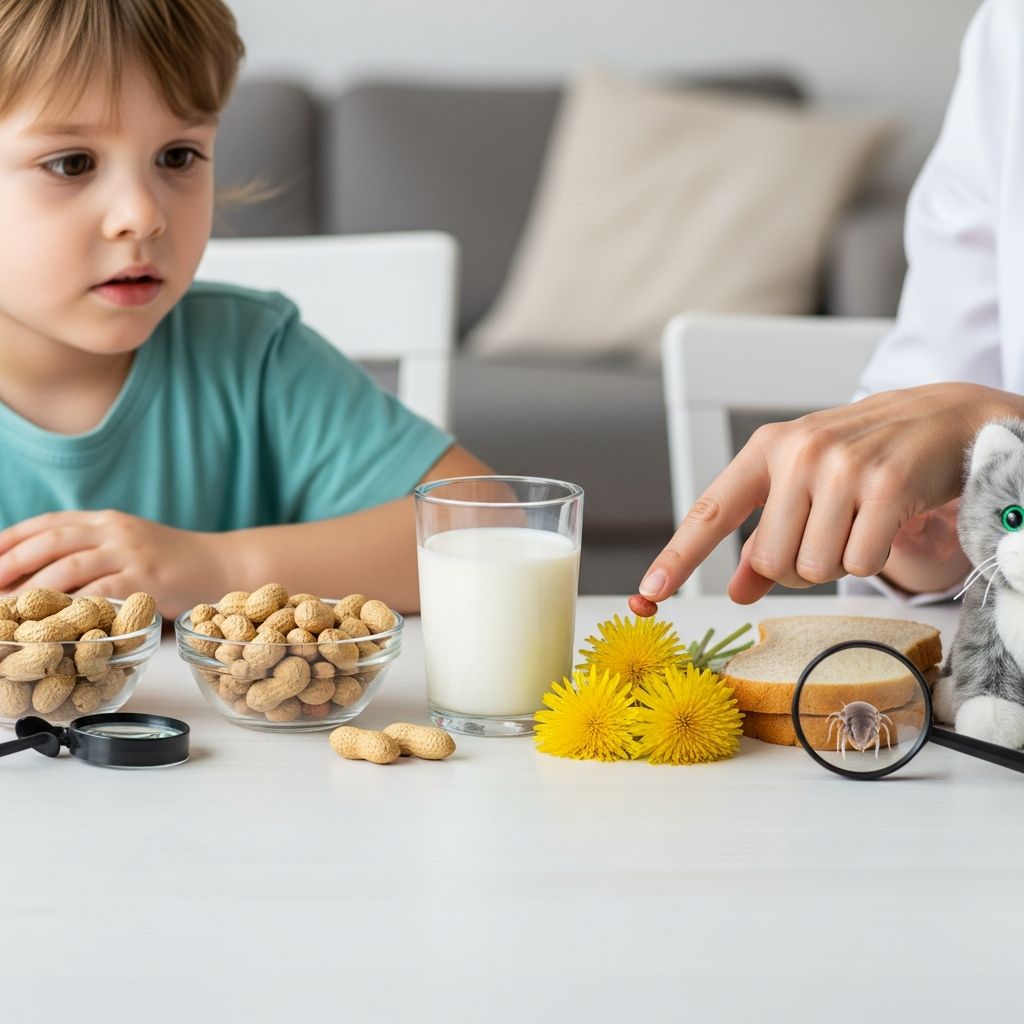
Food allergies are among the most prevalent allergies affecting children. The most common culprits include peanuts and milk, followed by eggs, fish, shellfish (crab, lobster, crayfish, and shrimp), soy, tree nuts (pecans, cashews, walnuts), and wheat. The severity of reactions varies significantly, ranging from mild symptoms such as hives and itching to severe, life-threatening anaphylaxis. Peanuts, tree nuts, fish, and shellfish typically cause the most severe reactions and tend to persist throughout a child’s lifetime, whereas allergies to milk, eggs, soy, and wheat are often outgrown during childhood.
Respiratory and Asthma-Related Allergies
When allergens are inhaled or trigger allergic responses, they can precipitate or exacerbate asthma symptoms in children. The relationship between allergies and asthma is particularly significant, as allergens can trigger breathing difficulties, wheezing, and chronic coughing. This interconnection requires careful monitoring and coordinated treatment plans.
Recognizing Potential Allergen Sources in Your Child’s Environment
Allergens surround children in both indoor and outdoor settings. Identifying these triggers is essential for minimizing exposure and managing allergic symptoms effectively.
| Allergen Category | Common Indoor Sources | Common Outdoor Sources |
|---|---|---|
| Biological Allergens | Dust mites, pet dander, mold, cockroaches | Pollen from trees, grasses, and weeds |
| Pet-Related | Fur, saliva, urine, dander from dogs and cats | Feathers from birds and other animals |
| Food Items | Cross-contamination in kitchen areas | Consumption of outdoor foods and fruits |
| Other Sources | Medications, latex materials | Bee stings and biting insects |
Indoor Environmental Triggers: Dust mites thrive in household dust and bedding, mold grows in damp areas such as bathrooms and basements, pet dander accumulates on furniture and flooring, and cockroaches are common pests in many homes. Medications and latex-containing products can also provoke allergic responses indoors.
Outdoor Environmental Triggers: Tree, grass, and weed pollen cause allergic reactions when these plants flower and release pollen particles into the air. Note that a well-maintained lawn does not typically cause allergies; however, grass that grows tall enough to produce flowers releases allergenic pollen. Mold spores flourish outdoors in warm, damp conditions. Biting insects such as bees and other arthropods can trigger both allergic reactions and anaphylaxis in susceptible children.
Pet-Related Triggers: Although pet fur is often blamed for allergies, the primary culprits are dander (dead skin cells), saliva, sweat, oil, and urine from animals. Fur can trap pollen and mold spores, intensifying allergic reactions. Dogs and cats are the most common animals triggering allergies in children.
Understanding Severe Allergic Reactions and Anaphylaxis
While most allergic reactions in children are mild, some can escalate into life-threatening emergencies requiring immediate medical intervention. Anaphylaxis represents a severe, rapid-onset allergic response that demands urgent emergency care.
Warning Signs of Anaphylaxis Include:
- Difficulty breathing, wheezing, or chest tightness
- Throat or tongue swelling and tightness
- Widespread rash or hives covering large body areas
- Severe itching of the skin
- Stomach pain, vomiting, or diarrhea
- Lightheadedness, dizziness, or fainting
- Weak or irregular pulse or heartbeat
- Loss of bladder control
- Confusion or agitation
- Inability to speak
- Pallid or pale appearance
An individual experiencing anaphylaxis typically exhibits at least two of the above symptoms. Critically, anaphylaxis can develop within minutes of allergen exposure or may emerge hours later. This unpredictability makes it essential for parents of children with known severe allergies to carry emergency epinephrine auto-injectors and ensure all caregivers understand their use. Immediate emergency medical attention is absolutely necessary, and it is important to note that over-the-counter antihistamines are not appropriate treatments for anaphylaxis.
Practical Strategies for Managing Your Child’s Allergies
Effective allergy management combines identification of triggers, environmental modifications, medical treatment, and preventive measures. Working closely with pediatricians and allergists enables parents to develop comprehensive management plans tailored to their child’s specific needs.
Trigger Avoidance Techniques: Once specific allergens are identified through testing or observation, minimizing exposure becomes the primary strategy. This might include using air filters, washing bedding frequently, removing carpets in bedrooms, keeping pets out of sleeping areas, or implementing strict dietary restrictions for food allergies.
Medical Interventions: Healthcare providers may recommend antihistamines, decongestants, nasal corticosteroid sprays, or other medications depending on the type and severity of allergies. For severe allergies, immunotherapy (allergy shots or sublingual tablets) may be considered to gradually reduce the immune system’s sensitivity to specific allergens.
Environmental Modifications: Maintaining clean living spaces, using hypoallergenic bedding, controlling humidity levels to prevent mold growth, and regularly vacuuming with HEPA filters can significantly reduce allergen exposure.
The Impact of Untreated Allergies on Child Development and Wellbeing
Beyond the immediate discomfort of symptoms, unmanaged allergies can have substantial consequences for children’s physical health, academic performance, and emotional wellbeing. Chronic nasal congestion and sleep disruption from nighttime symptoms can result in daytime fatigue and poor school concentration. Allergies increase the risk of secondary ear and sinus infections due to inflammation and fluid accumulation. Additionally, allergic reactions can trigger or worsen asthma symptoms, potentially leading to serious respiratory complications. Chronic discomfort and sleep deprivation may also contribute to behavioral issues and mood disturbances in children.
Frequently Asked Questions About Childhood Allergies
At what age do children typically develop allergies?
Children can develop allergies at various ages. Food allergies often emerge between ages one and three, seasonal allergies typically appear between ages four and six, and asthma related to allergies can develop between ages five and seven. However, allergies can manifest at any age depending on genetic predisposition and environmental exposure.
How can I tell if my child has allergies versus a common cold?
While both conditions produce similar symptoms like runny nose and sneezing, allergies tend to be persistent and occur predictably in response to specific triggers, whereas colds are typically viral infections that last a limited time. Allergic reactions often include itching of the nose, eyes, and throat, while colds may produce fever and body aches. A healthcare provider can perform allergy testing to confirm a diagnosis.
What is the relationship between allergies and asthma in children?
Allergies and asthma are closely interconnected in many children. Allergens can trigger or exacerbate asthma symptoms, leading to breathing difficulties, wheezing, and coughing. Children with both conditions require coordinated treatment plans that address both the allergic response and asthma management.
Can children outgrow their allergies?
Some allergies are outgrown during childhood, particularly allergies to milk, eggs, soy, and wheat. However, allergies to peanuts, tree nuts, fish, and shellfish typically persist into adulthood. Each child’s allergy trajectory is individual, and parents should consult with allergists about the likelihood of their child outgrowing specific allergies.
What should I do if my child shows signs of anaphylaxis?
Anaphylaxis is a medical emergency requiring immediate professional intervention. If your child exhibits signs of anaphylaxis, such as difficulty breathing, throat swelling, or severe symptoms, call emergency services immediately. For children with known severe allergies, parents should have an epinephrine auto-injector available and ensure all caregivers understand its proper use.
How can I reduce allergen exposure in my home?
Several strategies can minimize indoor allergen levels: use HEPA air filters, wash bedding frequently in hot water, vacuum regularly, control humidity to prevent mold growth, keep pets out of bedrooms, remove carpets when possible, and use allergen-proof covers on mattresses and pillows. These modifications particularly help reduce dust mites, pet dander, and mold spores.
References
- Allergy Symptoms in Children — Parker Pediatrics. 2024. https://www.parkerpediatrics.com/allergy-symptoms-in-children/
- Children’s Allergies: Common Kids Allergy Symptoms & How to Help — Benadryl. 2025. https://www.benadryl.com/childrens-allergies
- Common Signs for Recognizing Child Allergies — West Hills Childrens. 2024. https://www.westhillschildrens.com/blog/1010487-common-signs-for-recognizing-child-allergies
- Seasonal Allergies: Keeping Symptoms in Check — Children’s Hospital of Philadelphia. 2024. https://www.chop.edu/news/health-tip/seasonal-allergies-keeping-symptoms-check
- Children and Allergies | Symptoms & Treatment — American College of Allergy, Asthma and Immunology. 2024. https://acaai.org/allergies/allergies-101/who-gets-allergies/children/
- Allergies in Kids — Bootin and Savrick Pediatric Associates. 2024. https://www.bootinandsavrickpediatrics.com/asthma-allergies/allergies/
- Understanding Pediatric Allergies: Common Triggers and Symptoms — Healthcare for Children KC. 2024. https://healthcareforchildrenkc.com/blog/understanding-pediatric-allergies-common-triggers-and-symptoms/