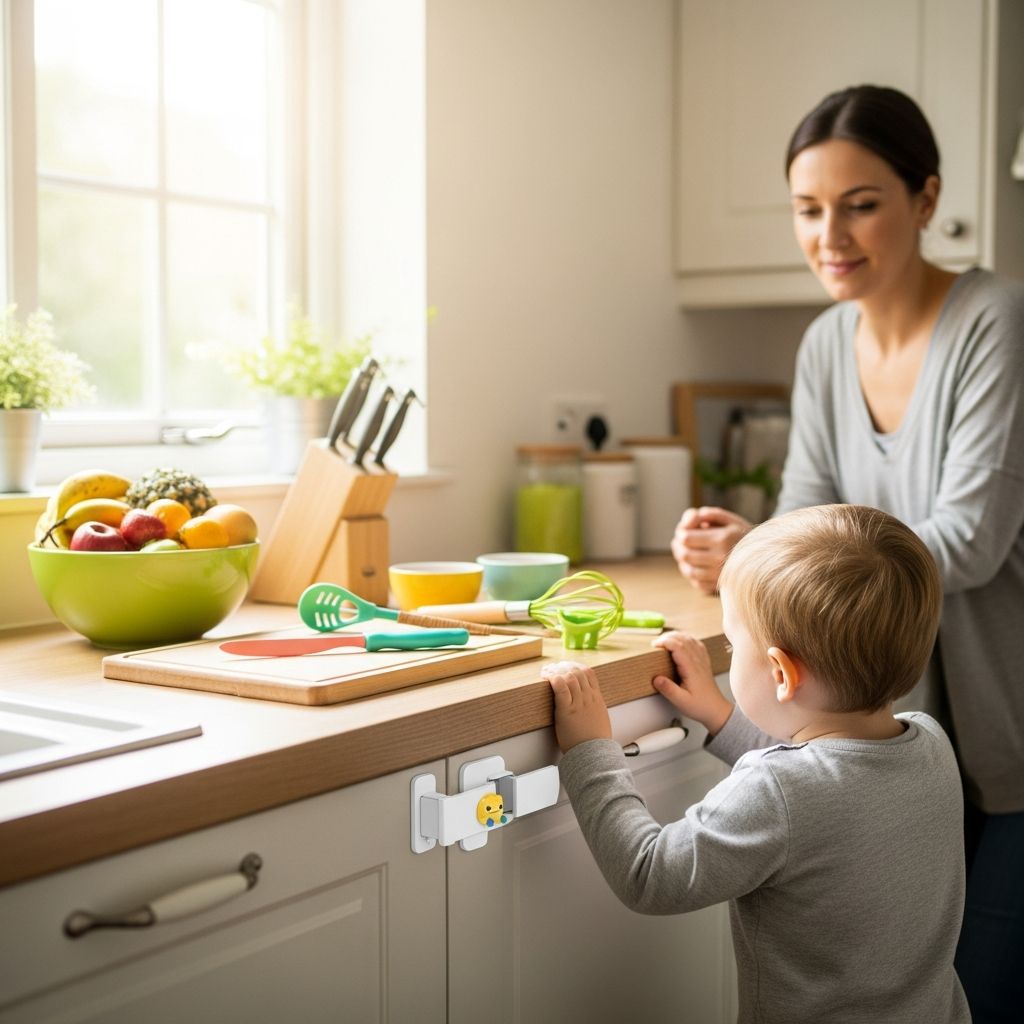
Creating a Child-Safe Kitchen Environment
The kitchen represents one of the most hazardous spaces in any home for young children. However, with thoughtful planning and strategic modifications, parents can transform this essential room into a secure learning environment where children can develop valuable cooking skills while minimizing injury risks. Understanding the specific dangers present in kitchens and implementing practical safeguards allows families to balance supervision with independence-building opportunities.
Understanding the Primary Kitchen Hazards
Multiple interconnected dangers exist within kitchen spaces that require systematic attention. Burns from hot surfaces, boiling liquids, and steam represent the leading cause of kitchen-related injuries for children. Sharp objects including knives, forks, and kitchen scissors pose significant laceration risks, particularly for curious toddlers and young children who lack the fine motor control and judgment necessary for safe handling. Appliance-related accidents occur when children access equipment they cannot operate safely, while falls and impact injuries result from children climbing on unstable surfaces or furniture to reach high shelves or countertops.
Storage Solutions and Accessibility Management
Proper organization of kitchen items requires implementing a layered approach to accessibility. Sharp utensils demand the most restrictive storage methods to prevent accidental injuries.
Managing Sharp Objects and Tools
- Knife storage: Place knives, forks, and scissors in drawers equipped with childproof latches that children cannot operate without adult assistance. These locks prevent unauthorized access to items capable of causing deep cuts or lacerations.
- Child-safe utensils: Maintain a separate designated drawer containing age-appropriate utensils with rounded edges and safety features designed specifically for young hands.
- Knife presentation: When children participate in food preparation, provide plastic or child-safe knives suitable for cutting soft foods such as bananas, cheese, and cooked vegetables.
Appliance and Equipment Safety
Electrical appliances with sharp blades, including blenders, food processors, and stand mixers, require secure storage outside of children’s reach. Unplug all appliances when not in use and keep electrical cords arranged so children cannot pull them or become entangled. Consider utilizing appliance garage storage solutions that keep countertop equipment concealed and inaccessible.
Dishwasher Security
Installing a dishwasher lock prevents children from opening the appliance during operation or accessing the knife baskets and broken dishware it may contain. This single modification eliminates a significant source of potential injuries that many parents overlook.
Protecting Against Burn Injuries
Thermal injuries represent the most common kitchen accident affecting young children. Multiple strategies work together to reduce burn risk significantly.
Establishing Hot Surface Boundaries
The 3-5 Rule provides families with a memorable framework for maintaining safe distances from heat sources. Children should maintain a buffer zone of three to five feet from the stove, oven, microwave, and toaster. Teaching children to spread their arms wide helps them understand this distance visually—fingertip to fingertip typically equals three to five feet. Establishing a physical “no-go zone” around cooking areas reinforces this concept through consistent enforcement.
Stove and Oven Management
Heat sources require multiple protective mechanisms working in concert:
- Install stove knob protectors that prevent children from adjusting temperature settings or activating burners.
- Use a stove lock to restrict access to stovetop controls entirely.
- Turn pot and pan handles inward toward the center of the cooktop or position them on back burners where children cannot grasp them.
- Keep chairs and step stools positioned away from cooking areas to prevent climbing access.
- Never carry children while standing at the stove; instead, place them in a highchair positioned outside the safety zone if they need to remain visible.
- Install an anti-tip bracket on oven ranges to prevent tipping if children lean or pull on the appliance.
Hot Food and Liquid Precautions
Even when the stove remains off, hot foods and beverages present serious scalding hazards. Remove hot items from counter edges and table surfaces where children might pull them down. Avoid using tablecloths that children can grab and pull, potentially bringing hot dishes onto themselves. Cover hot beverages with lids and maintain hot water heater temperatures below 120 degrees to minimize scald severity if contact occurs.
Securing Hazardous Materials and Supplies
Beyond appliances and food preparation items, kitchens contain numerous toxic substances that demand careful containment.
Chemical Storage Requirements
Cleaning products, dishwasher detergent, and insecticides must be stored in cabinets under the sink that are secured with childproof latches and positioned far from children’s independent reach. Never store these items in food containers or in locations where children might mistake them for consumables. Keep matches and lighters locked away in high cabinets that children cannot access without adult assistance.
Medication and Vitamin Management
Vitamin bottles, prescription medications, and over-the-counter drugs require secure storage in high cabinets with tightly sealed caps. Many children mistake these items for candy, making secure storage absolutely critical. Regularly audit bathroom and kitchen cabinets where medications might accumulate.
Garbage and Waste Containment
Position garbage cans behind cabinet doors equipped with childproof latches to prevent children from accessing contents that may include sharp objects, broken glass, or contaminated materials. Store plastic bags and wrapping materials in secured cabinets to prevent accidental suffocation risks.
General Cabinet and Drawer Organization
Install childproof latches on all cabinet doors and drawers that contain potentially dangerous items. This comprehensive approach ensures that even when children explore the kitchen unsupervised momentarily, they cannot access hazardous materials. Regularly scan kitchen floors for dropped items such as coins, button batteries, or small magnets that pose choking hazards for crawling infants and toddlers.
Fire Safety and Emergency Preparedness
Every kitchen requires a working fire extinguisher positioned accessibly and clearly marked. All family members, including older children, should understand how to operate the extinguisher safely. Conduct periodic fire safety drills at home so everyone knows the appropriate response if a kitchen fire occurs. Teach children the importance of immediately leaving the kitchen if they notice signs of fire and finding an adult.
Creating Age-Appropriate Participation Opportunities
Safety measures should not eliminate children’s opportunities to develop cooking skills and kitchen confidence. Instead, strategic task assignment allows children to contribute meaningfully while remaining protected.
Supervision Framework
- Close monitoring: Directly supervise activities involving heat, sharp objects, or hazardous materials with your full attention and presence.
- Designated safe tasks: Assign children specific responsibilities that do not involve heat or sharp objects, such as measuring spices, stirring cold ingredients, washing produce, and kneading dough.
- Permission-based access: Require children to request permission before using kitchen appliances or accessing specific tools, establishing awareness of safety protocols.
- Clear communication: Discuss which activities require adult participation and which children can attempt independently based on their age and maturity level.
Establishing Kitchen Rules and Expectations
Articulate clear behavioral standards that address the primary kitchen dangers. Children should understand the prohibition against running in the kitchen, proper knife-carrying techniques, appropriate methods for handling hot pots and pans, and the importance of never leaving cooking unattended. Establish that pot holders must be used when touching hot surfaces and that towels should never be draped on stovetops where they might catch fire.
Creating a Designated Children’s Zone
Organize a specific kitchen area equipped with child-sized tools, a sturdy step stool for reaching work surfaces safely, and accessible storage for age-appropriate utensils. This dedicated space reduces conflict over kitchen territory and helps children understand where they can work independently versus where they require supervision.
Food Safety and Hygiene Practices
Beyond preventing physical injuries, teaching children proper food handling prevents foodborne illness. Emphasize thorough hand washing before and after food preparation, especially when handling raw meat, fish, eggs, and poultry. Demonstrate the proper technique for sneezing and coughing into the elbow rather than the hands. These practices establish lifelong habits that protect the entire family from cross-contamination and pathogen spread.
Protective Gear and Clothing
Outfit children with child-sized aprons that protect their bodies from splashes and spills while making them feel part of the cooking experience. Silicone-lined mitts protect hands when handling warm items, and long hair should be tied back securely to prevent entanglement in appliances or contact with hot surfaces.
Highchair and Seating Safety
For younger children, highchairs positioned outside the main cooking zone provide safe containment while maintaining visibility. Select highchairs with safety belts featuring straps between the legs to prevent slipping, and always secure children before leaving the kitchen, even momentarily.
Cleanup and Responsibility
Include children in post-cooking cleanup by assigning age-appropriate tasks such as wiping down work surfaces and putting away their utensils. Verify that all equipment has been turned off and that the kitchen is organized before leaving. This practice establishes responsibility while reinforcing that cooking involves complete cycles from preparation through cleanup.
Accident Response Planning
Despite preventive measures, accidents occasionally occur. Discuss with children what to do if an accident happens, including how to identify when to seek adult assistance immediately. Post emergency contact numbers prominently and ensure that older children know when situations warrant calling emergency services.
Frequently Asked Questions
At what age can children safely use knives in the kitchen?
Children aged five and older can begin learning to use child-safe knives under direct supervision to cut soft foods including cooked vegetables, bananas, and cheese. Progress to more advanced knives only as children demonstrate consistent safety awareness and fine motor control.
How should I teach children about the stove and oven safety?
Establish clear rules about maintaining distance, explain the 3-5 Rule using visual references like arm spans, and consistently enforce boundaries. Demonstrate proper pot handle positioning and discuss why the stove area requires special caution. Never allow children to approach the stove unattended until they are significantly older.
What should I do if a child receives a burn or cut in the kitchen?
For minor cuts, apply pressure with clean cloth and rinse with cool water. For burns, cool the area with water for several minutes. Seek medical attention for any injury showing signs of infection, significant depth, or affecting sensitive areas. Always have a plan for recognizing when injuries warrant emergency care.
Are there kitchen tasks toddlers can safely participate in?
Toddlers can participate in age-appropriate tasks including washing produce, measuring dry ingredients, stirring cold mixtures, and arranging items on plates or serving platters. These activities build confidence and interest in cooking while minimizing injury risks.
How can I balance kitchen safety with encouraging children’s independence?
Designate specific tasks children can accomplish independently or with reduced supervision, provide proper tools scaled to their size, and gradually increase responsibility as they demonstrate understanding of safety principles. The goal is building competence and confidence alongside awareness of hazards.
References
- How to Keep Your Kids Safe in the Kitchen — Little Potatoes. 2025. https://www.littlepotatoes.com/blog/checklist-for-kids-kitchen-safety/
- Kitchen Safety Checklist: Creating a Safe Culinary Space for All Ages — Fairy Baby. 2025. https://fairybaby.com/blogs/babysafe/kitchen-safety-checklist
- Kitchen: Household Safety Checklist (for Parents) — Kids Health at Lurie Children’s. 2025. https://kidshealth.org/LurieChildrens/en/parents/household-checklist-kitchen.html
- Keeping Kids Safe in the Kitchen — Valley Children’s Healthcare. 2025. https://www.valleychildrens.org/blog/keeping-kids-safe-in-the-kitchen
- Childproofing Your Kitchen: A Complete Safety Guide — Children’s Dayton Hospital. 2025. https://childrensdayton.org/injury-prevention/childproofing-your-kitchen-complete-safety-guide/
- Kids Kitchen Safety Checklist — Food Hero. 2024. https://foodhero.org/sites/foodhero-prod/files/resources/KitchenSafetyChecklistKids_0.pdf
- Cooking Safety Parent Checklist — Safe Kids Worldwide. 2025. https://www.safekids.org/tip/cooking-safety-parent-checklist