Accidental poisoning remains a leading cause of injury among young children, with over 90% of incidents occurring in the home while caregivers are nearby. Understanding how to identify risks, respond swiftly, and implement preventive measures can save lives. This guide equips parents with actionable knowledge drawn from medical experts.
Common Household Dangers Lurking for Kids
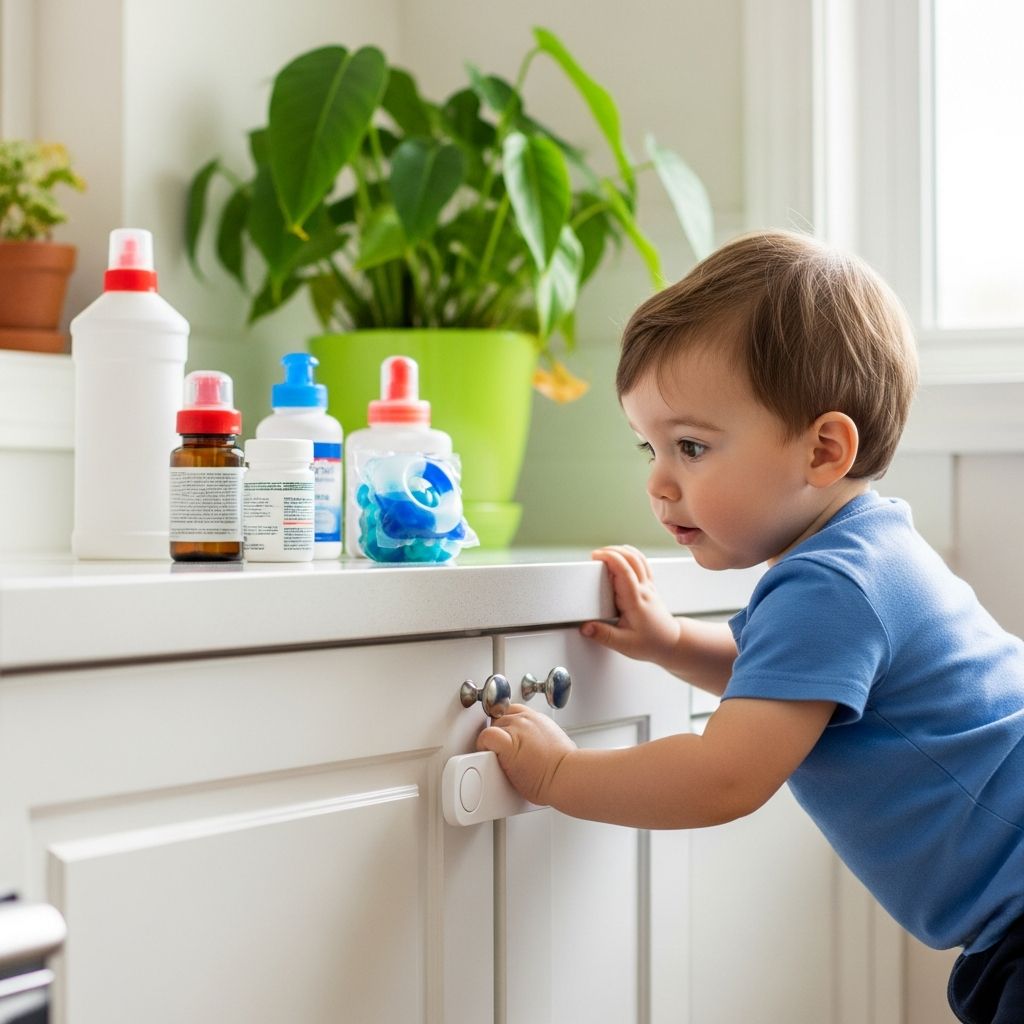
Children are naturally curious explorers, often putting objects in their mouths or touching everything in sight. Everyday items can turn hazardous without proper precautions. Medications top the list, followed by cleaning supplies, batteries, and plants.
- Medications: Prescription pills, over-the-counter remedies, and even vitamins pose overdose risks if mishandled.
- Cleaning Products: Bleach, detergents, and disinfectants can cause severe burns or poisoning if ingested or splashed.
- Batteries: Small button batteries, common in toys and remotes, can lodge in the throat or esophagus, leading to life-threatening damage.
- Plants and Pesticides: Certain houseplants and garden chemicals are toxic when nibbled.
- Alcohol and Personal Care Items: Liquids like mouthwash or lotions may attract kids due to sweet smells.
Recognizing these threats is the first step in creating a safer environment. Statistics show toddlers under age 5 are most vulnerable due to their mobility and lack of judgment.
Spotting the Warning Signs of Poison Exposure
Poisoning doesn’t always announce itself dramatically. Subtle clues can indicate exposure, allowing for timely intervention. Be vigilant for these indicators, especially after unsupervised moments.
| Symptom Category | Examples | Urgency Level |
|---|---|---|
| Behavioral Changes | Drowsiness, irritability, confusion, sudden mood shifts | High – Call Poison Control immediately |
| Mouth and Throat Issues | Excessive drooling, sore throat, burns/blisters on lips | High – Potential for severe damage |
| Gastrointestinal | Vomiting, nausea, stomach pain without fever | Medium to High – Monitor and report |
| Respiratory | Trouble breathing, unusual breath odors | Emergency – Call 911 |
| Physical Evidence | Stains on clothes, pill residues, strange smells | Immediate investigation needed |
Any combination of these signs warrants action. For instance, dilated pupils or seizures signal critical emergencies requiring 911.
Immediate Response Protocols for Suspected Poisoning
Time is critical in poisoning scenarios. Acting methodically prevents worsening harm. Always prioritize safety and professional guidance over home remedies.
General First Steps
- Ensure your child’s safety and remove them from the exposure source.
- Check the mouth: Gently remove any visible remnants without inducing vomit.
- Call the National Poison Control Center at 1-800-222-1222 (available 24/7) before any other action. Provide details like substance name, amount, time of ingestion, and symptoms.
- Have the product container ready with label info, including expiration and batch numbers.
Never induce vomiting unless explicitly directed by experts, as it can cause aspiration or further injury with corrosive substances.
Skin Contact Response
If a chemical contacts skin, strip away contaminated clothing using gloves if possible. Rinse thoroughly with lukewarm water for 15-20 minutes, even if the child resists. Avoid hot water or ointments until advised.
Eye Exposure Handling
For eyes, hold the eyelid open and flush with a gentle stream of lukewarm water from the nose side outward for 15 minutes. Seek a second pair of hands to secure the child safely. Refrain from eye drops or cups without instructions.
Inhalation Cases
Move to fresh air immediately. Monitor breathing and call for help if distress appears.
When to Dial 911
- Loss of consciousness or seizures.
- Severe breathing difficulties or chest pain.
- Any suspicion of button battery ingestion – rush to ER.
While awaiting help, perform CPR if breathing stops, continuing until professionals arrive.
Proven Strategies to Poison-Proof Your Home
Prevention trumps reaction. Simple habits drastically reduce risks, fostering long-term safety.
- Secure Storage: Lock medications, cleaners, and alcohol in high cabinets or use childproof locks. Keep out of sight, not just out of reach.
- Battery Management: Recycle used button batteries promptly; store new ones in inaccessible spots.
- Label Vigilance: Never store chemicals in food containers. Read and heed all labels.
- Medication Practices: Administer in well-lit areas, use exact doses, and avoid calling pills “candy.” Dispose of unused meds safely.
- Plant Safety: Identify and label toxic plants; relocate them beyond toddler grasp.
- Supervision and Education: Watch closely during high-risk times like visitors or parties. Teach older kids to seek permission before consuming unknowns.
Install carbon monoxide detectors and maintain appliances to prevent gas poisonings. Conduct regular home audits for hidden hazards.
Special Focus: The Hidden Peril of Button Batteries
Button batteries deserve unique attention due to their deceptive size and rapid damage potential. Swallowed, they can burn esophageal tissue within hours via electrical current and chemical leakage. Symptoms may delay, mimicking minor upset.
Prevention: Tape spares or use child-resistant storage. Response: Zero-delay ER visit – no home waiting. X-rays guide removal.
Building Family Awareness and Emergency Preparedness
Empower your household with knowledge. Post Poison Control numbers visibly, program into phones, and discuss scenarios age-appropriately. Practice drills for quick response.
Annual safety checks align with growth stages, as crawling infants evolve into crafty climbers.
Frequently Asked Questions
What is the first number to call for poisoning?
1-800-222-1222 (Poison Control) – experts guide next steps without cost or location specifics needed.
Should I make my child vomit after swallowing something?
No, unless directed. It risks more harm; professionals assess based on substance.
How long to rinse skin or eyes after exposure?
At least 15 minutes with lukewarm water, then follow Poison Control advice.
Are household plants safe for kids?
Many aren’t; research toxicity and keep elevated or remove.
What if I can’t identify the substance?
Describe appearance, container, odors to Poison Control; bring it to medical care.
References
- First Aid for Poisonings in a Child — Children’s National Hospital. 2023. https://www.childrensnational.org/get-care/health-library/first-aid-for-poisonings
- Poisoning: First Aid — Nemours KidsHealth. 2024-01-15. https://kidshealth.org/en/parents/poisoning-sheet.html
- Poisoning: First aid — Mayo Clinic. 2025-06-10. https://www.mayoclinic.org/first-aid/first-aid-poisoning/basics/art-20056657
- Preventing Poisoning in Children — NYU Langone Health. 2024. https://nyulangone.org/conditions/poisoning-in-children/prevention
- Poisoning in Children — University of Rochester Medical Center. 2023-11-20. https://www.urmc.rochester.edu/encyclopedia/content?contenttypeid=85&contentid=P00852
- Poisonings and Poison Prevention — Nationwide Children’s Hospital. 2024. https://www.nationwidechildrens.org/family-resources-education/health-wellness-and-safety-resources/helping-hands/poison-prevention