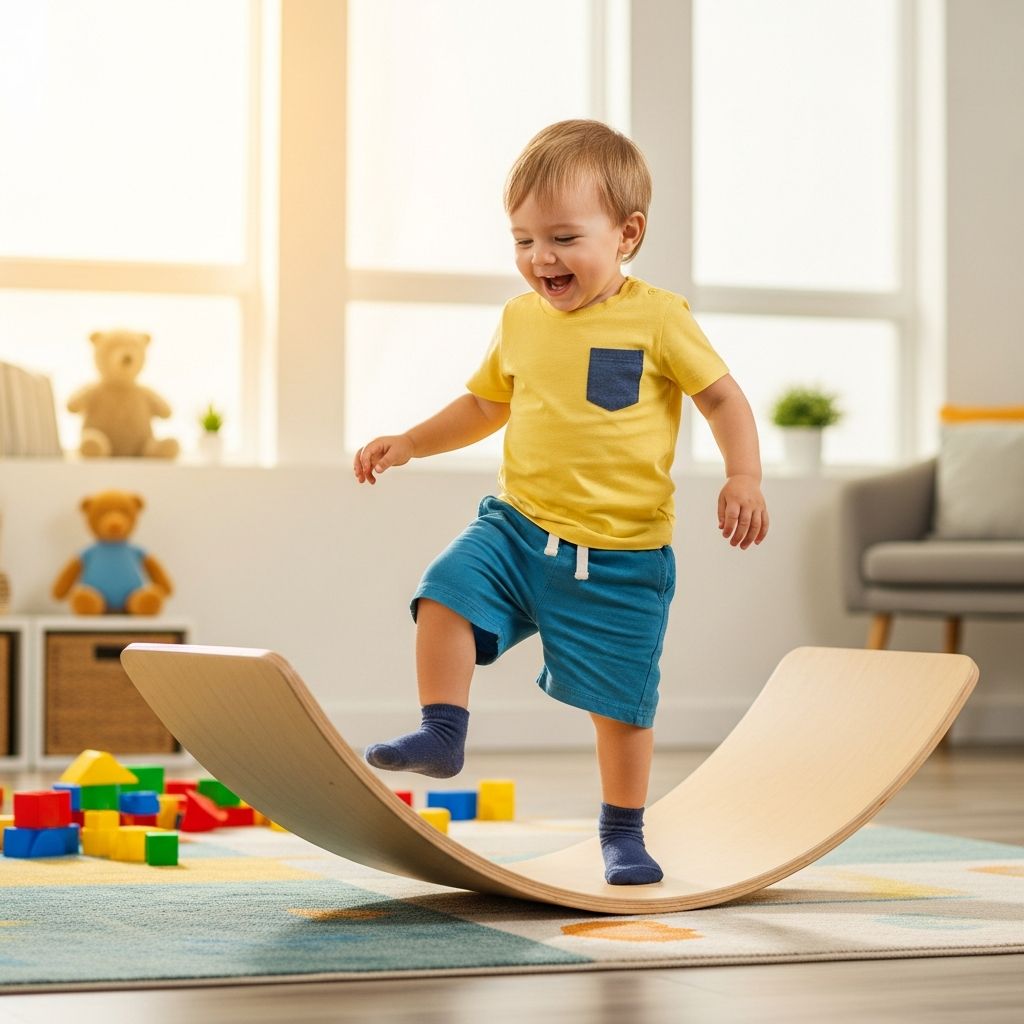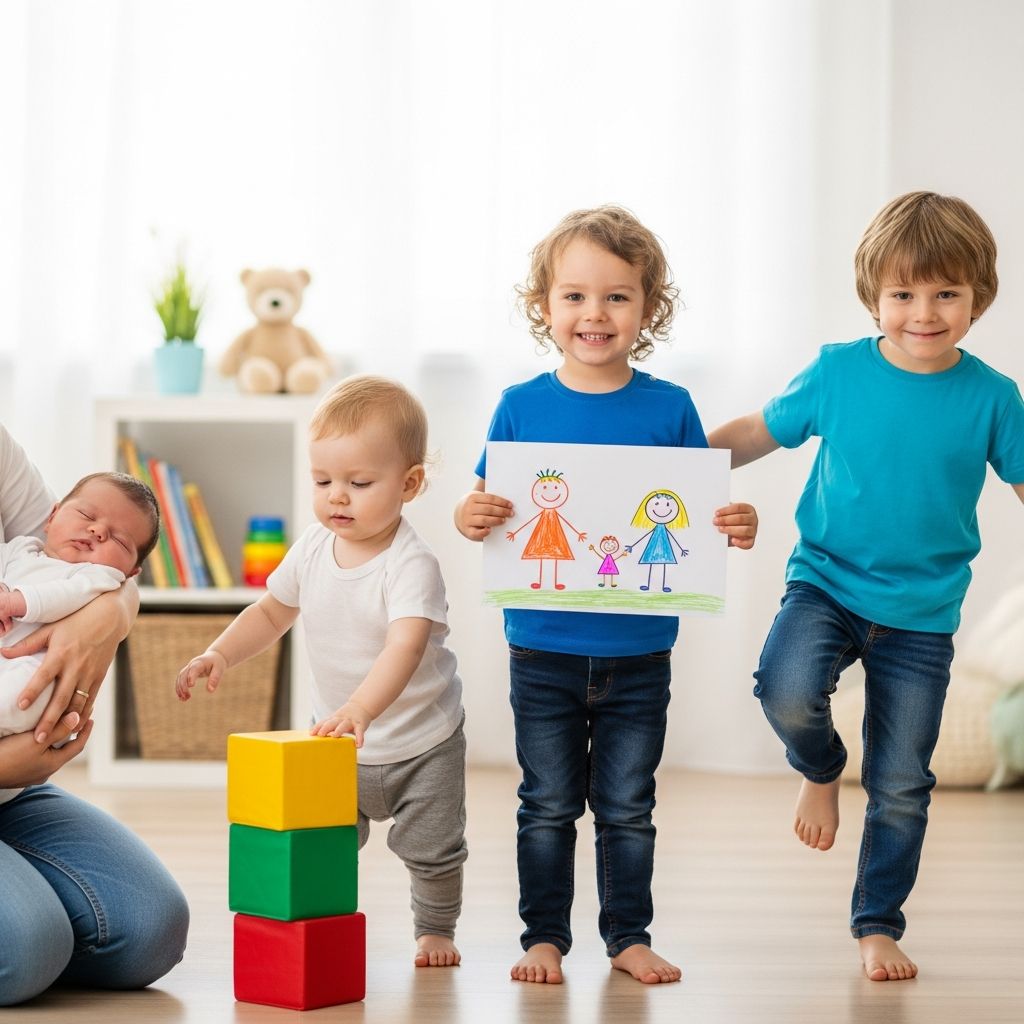
Understanding your child’s physical development is crucial for parents navigating the early years. From a newborn’s first movements to a 5-year-old’s confident skipping, each stage builds foundational skills for lifelong health and mobility. This guide outlines key milestones in gross motor skills, coordination, and overall physical growth, drawing from established pediatric standards to help you monitor progress effectively.
Foundations of Early Physical Development
Gross motor skills involve the large muscle groups in the arms, legs, and core, enabling activities like crawling, walking, and jumping. These skills underpin balance, strength, and body awareness, which also support finer movements later on. Children’s Hospital of Richmond emphasizes that regular tummy time and supervised play are vital from infancy to foster these abilities. The CDC reinforces tracking these milestones to identify potential delays early, promoting interventions that can significantly improve outcomes.
Every child develops uniquely, influenced by genetics, nutrition, and environment. However, consistent patterns emerge, allowing parents to gauge typical progress. Pediatric experts like those at Children’s Hospital of Philadelphia (CHOP) categorize milestones across motor, cognitive, and social domains, noting that well-child visits are key checkpoints.
Newborn to 3 Months: Building Basic Strength
In the first months, babies focus on reflexive movements transitioning to controlled actions. Newborns turn their heads side-to-side while supine and kick legs symmetrically. By 2 months, they lift their head briefly during tummy time, tracking objects past midline, and show social smiles.
- Lifts chest slightly when prone
- Turns head both ways on back
- Moves arms and legs vigorously
- Head lag present when pulled to sit, but improving
At 3-4 months, infants push up on forearms, roll belly to back, and tolerate extended tummy time. These feats indicate strengthening neck and shoulder muscles, essential for sitting later. Stanford Medicine’s milestone chart confirms rolling front-to-back around 4 months alongside grasping objects. Encourage this by placing toys just out of reach during play.
4 to 6 Months: Rolling and Reaching Milestones
This period marks increased mobility. Babies roll both ways, bring feet to mouth, and pivot on belly. Sitting with support emerges around 6 months, alongside reaching for toys. CHOP notes standing while holding furniture and enjoying push-pull toys by late this stage.
| Milestone | Age Range | Tips to Support |
|---|---|---|
| Rolls back to belly | 5 months | Provide safe floor space |
| Pushes up on extended arms | 5-6 months | Engage in daily tummy time |
| Sits with minimal support | 6-8 months | Use pillows for propped sitting |
These skills build core stability. Norton’s guidelines highlight how tracking prevents overlooking delays.
7 to 12 Months: Crawling Toward Independence
Mobility explodes here. Babies sit unassisted, crawl on belly then hands-and-knees, pull to stand, and cruise furniture. By 11-12 months, many walk with hand support or stand briefly alone.
- Pulls to stand using furniture
- Crawls reciprocally
- Stands alone momentarily
- Walks holding one hand
CHOC stresses safety as exploration ramps up—baby-proof homes now. Stanford notes immature pincer grasp and waving bye-bye coincide, linking motor to social growth.
13 to 18 Months: First Steps and Exploration
Toddlers walk independently, squat to pick up toys, and climb stairs with help. Running emerges clumsily, with kicking balls forward. CHOP describes walking backward, rolling balls, and using 2-3 word sentences.
Physical growth accelerates: expect height gains of 10-12 inches yearly, per CDC charts. Nutrition with iron-rich foods supports this spurt.
19 Months to 2 Years: Running, Jumping, and Throwing
By 2 years, children run well, jump in place, kick balls with either foot, and throw overhand. They climb stairs alone and balance briefly on one foot.
- Jumps with both feet
- Throws ball overhand
- Walks upstairs independently
- Stoops and recovers without falling
AAP’s timeline aligns these with cooperative play onset. Daily outdoor time enhances coordination.
3 Years: Balancing and Riding Skills
Preschoolers hop, catch large balls, ride tricycles, and jump forward 10-24 inches. Balance on one foot for seconds improves. CHOP adds turning book pages and pointing to body parts.
| Skill | Expected Achievement |
|---|---|
| Balances on one foot | 3 seconds |
| Rides tricycle | Proficiently |
| Catches bounced ball | Most attempts |
| Jumps forward | 10+ inches |
4 Years: Advanced Coordination and Agility
Children skip, hop on one foot, do hopscotch, somersault, and catch reliably. Climbing and running are smooth. NHS milestones include skating basics.
5 Years: School-Ready Physical Prowess
By kindergarten, kids skip alternating feet, jump rope, ride bikes (with/without training wheels), and swim basics. They climb confidently and engage in team games. CDC urges monitoring for inclusive activities.
Factors Influencing Growth Patterns
Genetics set baselines, but activity, sleep (11-14 hours/night), and diet matter. Premature babies may hit milestones later. CHOP advises consulting pediatricians if delays persist.
How Parents Can Foster Healthy Development
- Tummy Time: 15-30 minutes daily from birth
- Active Play: Balls, obstacle courses, dancing
- Nutrition: Balanced meals with proteins, veggies, dairy
- Safety: Helmets for bikes, gates for stairs
- Screens Limited: Under 2 years, minimal; AAP recommends interactive play
Washington’s screening tools stress consistent check-ins.
Recognizing and Addressing Delays
If a child isn’t walking by 18 months or running by 2 years, seek evaluation. CDC’s Act Early program offers free trackers. Early therapy from places like Children’s Richmond yields best results. Norton’s 2022 updates aid autism/delay spotting.
Frequently Asked Questions (FAQs)
What if my child skips a milestone?
Variation is normal; track over weeks. Consult if multiple delays or regression occur.
How much tummy time for newborns?
Start 3-5 minutes, build to 20-30 daily by 2 months.
When should potty training begin?
Around 2-3 years, when interested and staying dry.
Is screen time okay for motor skills?
Limit; prioritize physical play for coordination.
What causes motor delays?
Prematurity, genetics, low activity; professional assessment needed.
References
- Gross motor skills: birth to 5 years — Children’s Hospital of Richmond. 2023. https://www.chrichmond.org/services/therapy-services/developmental-milestones/gross-motor-skills-birth-to-5-years/
- Developmental Milestones — Children’s Hospital of Philadelphia. 2024. https://www.chop.edu/primary-care/developmental-milestones
- Developmental Milestones: Birth to 5 years — Stanford Medicine. 2022. https://med.stanford.edu/content/dam/sm/pediatricsclerkship/documents/5-Developmental-Milestones-MedU.pdf
- Child Development Milestones From Birth Through Age 18 — Norton Children’s. 2024. https://nortonchildrens.com/services/pediatrics/developmental-milestones-by-age/
- CDC’s Developmental Milestones — Centers for Disease Control and Prevention. 2025-02-18. https://www.cdc.gov/act-early/milestones/index.html
- Child Development: Milestones, Ages and Stages — CHOC. 2024. https://choc.org/ages-stages/