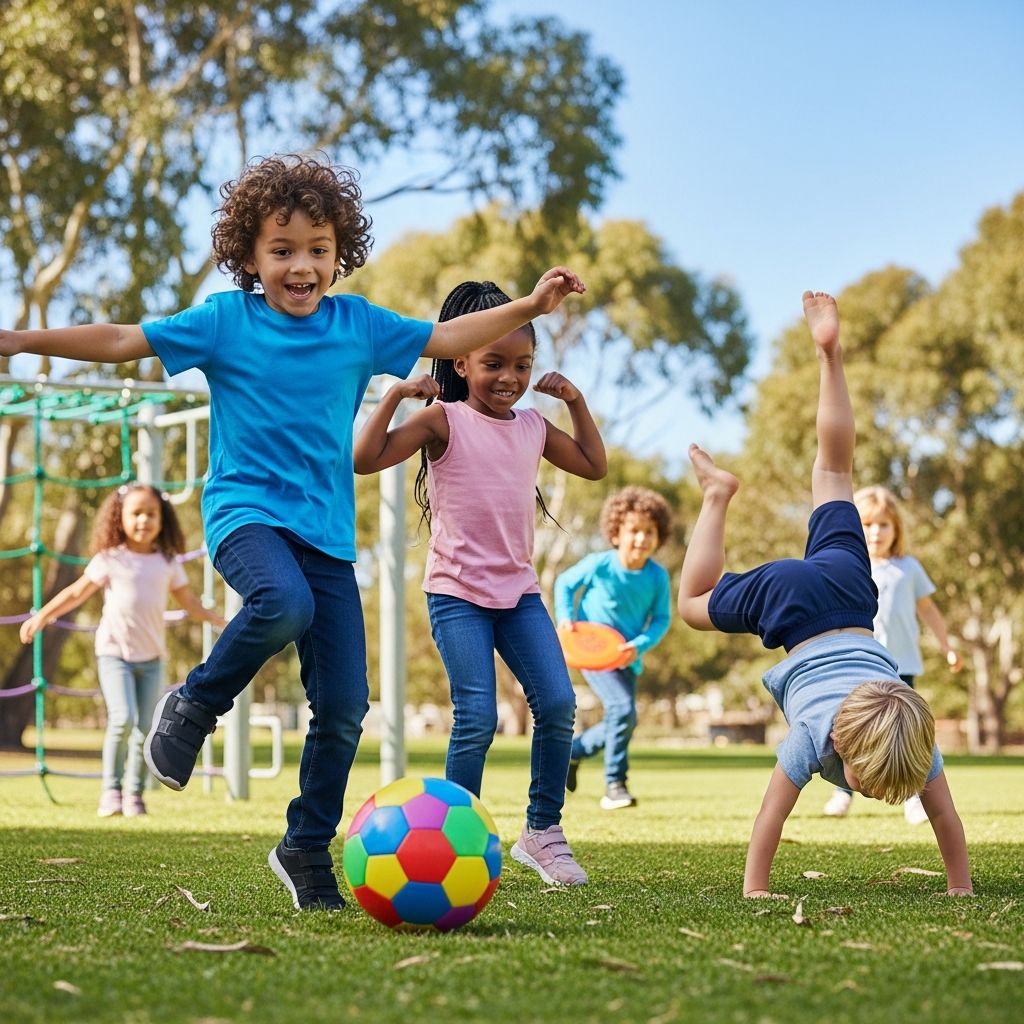
Every jump, hug, and run your child enjoys depends on a complex team of bones, muscles, and joints working together. Understanding this system helps you protect your child from injury, support healthy growth, and recognize when something is not quite right.
The Musculoskeletal System in Plain Language
The musculoskeletal system is the combination of bones, muscles, joints, ligaments, and tendons that give the body shape, strength, and movement. Think of it as a living framework wrapped in powerful engines and flexible hinges.
- Bones form the scaffolding that supports the body and protects vital organs.
- Muscles attach to bones and pull on them to create movement.
- Joints are the places where bones meet and bend, allowing motion in different directions.
- Ligaments connect bone to bone and help stabilize joints.
- Tendons connect muscle to bone and transmit the force that moves the skeleton.
In children, this system is still under construction. Bones are softer, growth areas are active, and muscles and joints are adapting constantly to new skills like crawling, walking, running, and sports.
How Children’s Bones Are Different
Kids are not just small adults. Their bones have special features that make them more flexible and capable of growth, but also vulnerable in unique ways.
- Children’s bones contain “growth zones,” areas where new bone is formed and length increases.
- Young bones often bend more than adult bones, sometimes leading to incomplete or subtle fractures.
- Many separate pieces of bone gradually fuse together as a child grows into the teen years.
Because bones are still changing, a significant injury that affects a growth area can interfere with normal development if it is not treated promptly. This is one reason pediatric bone injuries are taken seriously even when a child can still move the limb.
Muscles: The Body’s Engines
Muscles give children the power to explore the world, from lifting the head to climbing playground structures. They work in pairs and groups, contracting and relaxing in carefully timed patterns.
- Voluntary muscles (skeletal muscles) move arms, legs, and other body parts on purpose, like when a child kicks a ball.
- Involuntary muscles (such as those in the digestive tract and blood vessels) work automatically.
- Heart muscle is a special type that pumps blood continuously without rest.
Day-to-day playtime is more than fun; it is how muscles grow stronger and learn to coordinate. Climbing, dancing, and sports fine-tune balance, reaction time, and posture.
Joints and Connective Tissues: Where Movement Happens
Joints are the meeting points between bones that allow motion. Without joints, children would be stiff like statues. Different joint shapes allow different kinds of movement.
- Hinge joints (like elbows and knees) bend and straighten, similar to a door hinge.
- Ball-and-socket joints (like shoulders and hips) allow rotation and a wide range of motion.
- Gliding and pivot joints (in the wrists, ankles, and neck) allow sliding and turning movements.
Ligaments reinforce joints and prevent bones from sliding out of place, while tendons pass the pull from muscles to bones. Both are strong but can be stretched or torn if a joint is twisted or overloaded.
Growth from Baby to Teen: What Changes?
From birth through adolescence, your child’s skeleton and muscles go through rapid, predictable changes. Understanding these shifts helps you set age-appropriate expectations and activities.
| Age Stage | Bone & Joint Changes | Muscle & Movement Milestones |
|---|---|---|
| Infancy (0–1 year) | Many bones still part cartilage; skull made of several plates that slowly knit together. | Gains head control, rolls, sits, crawls, pulls to stand. |
| Toddler (1–3 years) | Leg and foot alignment are still changing; bow-legs or knock-knees can be normal phases. | Walks independently, climbs, runs, begins jumping and kicking. |
| Childhood (4–10 years) | Bones grow steadily in length and thickness; posture and coordination improve. | Refines balance, throws and catches, rides a bike, learns basic sports skills. |
| Pre-teen & Teen | Rapid “growth spurts” as growth zones are very active; bones eventually reach adult size. | Strength and endurance rise; more intense sports and training become possible. |
Because growth is not perfectly smooth, children may experience temporary clumsiness, awkward posture, or growing pains. Gentle reassurance and consistent healthy habits usually help them through these phases.
Common Musculoskeletal Issues in Kids
Some aches, stiffness, and unusual movements are part of normal growth, while others may signal a problem. Parents often wonder when to watch and wait versus when to seek medical advice.
- Growing pains: Dull aches, often in both legs, typically in the evening or at night, that do not affect daily activity.
- Sprains and strains: Overstretching or minor tearing of ligaments (sprain) or muscles/tendons (strain) from sports or play.
- Fractures: Breaks in the bone that may cause swelling, tenderness, and limited use of the limb.
- Posture issues: Slouching, uneven shoulders, or persistent back pain that might need evaluation.
- Joint hypermobility: Extra-flexible joints that sometimes cause pain or frequent minor injuries.
While minor injuries usually improve with rest, persistent pain, visible deformity, or difficulties with walking and using the limbs deserve prompt medical attention.
Building Strong Bones Through Nutrition
Healthy bones need the right building blocks. Nutrition during childhood plays a major role in how dense and strong the skeleton becomes by early adulthood.
- Calcium: Key mineral that forms the hard structure of bones.
- Vitamin D: Helps the body absorb and use calcium effectively.
- Protein: Supports both bone matrix and muscle growth.
- Colorful fruits and vegetables: Provide vitamins and antioxidants that support bone and tissue repair.
Children who consume a balanced diet with dairy or fortified alternatives, lean proteins, whole grains, and a variety of produce are more likely to build a strong skeletal “bank” for later life.
Activity: Exercise as Bone and Muscle “Training”
Movement is one of the most powerful tools for building bones and muscles. When muscles pull on bones, the skeleton responds by getting stronger and denser over time.
- Weight-bearing activities like walking, running, jumping, and dancing encourage bone growth and durability.
- Muscle-strengthening activities such as climbing, body-weight exercises, and age-appropriate resistance training support posture and joint stability.
- Balance and coordination activities like biking, ball games, and gymnastics can reduce the risk of falls and injuries.
Experts generally encourage children to be actively moving most days of the week, mixing free play with structured activities that they genuinely enjoy.
Posture, Backpacks, and Everyday Habits
Daily routines affect your child’s spine and joints more than a single sports game. Small adjustments to posture and loads can make a big difference over time.
- Encourage sitting with feet on the floor, shoulders relaxed, and screens at eye level.
- Choose a backpack with wide, padded straps and use both straps so weight is evenly distributed.
- Help your child clean out the backpack regularly to avoid carrying unnecessary weight.
- Break up long periods of sitting with movement breaks every 30–60 minutes.
Good posture is less about being perfectly straight and more about regular movement, varied positions, and reasonable loads for a child’s size.
Preventing Injuries at Home and Play
Because kids love to test their limits, completely avoiding injuries is impossible, but many can be reduced with thoughtful precautions. Focus on creating an environment where challenge and safety coexist.
- Use age-appropriate protective gear for biking, skating, and contact sports.
- Ensure playgrounds have soft landing surfaces like sand, mulch, or mats under climbing equipment.
- Teach children how to warm up before intense play and cool down afterward.
- Model safe behavior, such as wearing seatbelts and helmets.
Promptly addressing minor injuries with rest, ice, compression, and elevation when appropriate can prevent small problems from becoming bigger ones.
Warning Signs: When to Call a Professional
Not every complaint requires a clinic visit, but certain signs suggest that a child’s bones, muscles, or joints should be checked by a health professional.
- Pain that is severe, one-sided, or gets worse over several days.
- Swelling, warmth, or redness around a joint that does not improve.
- Noticeable deformity, such as a limb that looks crooked or shorter.
- Persistent limping, stiffness, or refusal to use an arm or leg.
- Back pain that is intense, associated with fever, or follows a break or accident.
Trust your instincts. If something about your child’s movement or pain level seems unusual or frightening, it is reasonable to seek timely medical advice.
Supporting Kids with Chronic or Recurrent Pain
Some children live with ongoing musculoskeletal issues such as joint conditions, muscle disorders, or frequent injuries. These challenges can affect school, sports, and mood.
- Work closely with your child’s healthcare team to follow treatment plans and activity guidelines.
- Inform teachers and coaches about any restrictions or accommodations needed.
- Encourage your child to express how pain affects their daily life, including sleep and emotions.
- Focus on what your child can do rather than only what they must avoid.
With good communication and appropriate support, many children with chronic issues stay active, engaged, and confident in their bodies.
Practical Daily Checklist for Parents
Small, consistent choices shape your child’s musculoskeletal health more than occasional big efforts. Use this simple checklist as a starting point.
- Has my child moved actively for at least an hour today (cumulative play and activity)?
- Did they eat at least one calcium-rich food and a variety of colorful fruits or vegetables?
- Is their backpack light enough to lift easily and worn on both shoulders?
- Did they get appropriate rest and sleep to allow bones and muscles to recover?
- Am I responding calmly and attentively when they mention pain or discomfort?
You do not need perfection every day; aiming for these healthy habits most of the time adds up to stronger bones and muscles over the years.
Frequently Asked Questions (FAQs)
1. Are “growing pains” something to worry about?
Growing pains are common and usually harmless. They often show up as dull aches in both legs in the late afternoon or evening and do not typically interfere with walking, running, or playing the next day. If the pain is severe, localized to one area, associated with swelling or fever, or changes how your child moves, it is wise to have them evaluated.
2. How much exercise does my child really need?
Most children benefit from being actively on the move for at least an hour most days, combining free play with structured activities. This does not need to be one long workout; shorter bursts of running, climbing, dancing, and sports throughout the day are effective and often more enjoyable.
3. Can strength training be safe for kids?
When supervised and tailored to age and skill level, strength training that uses body weight, light resistance, and proper technique can be safe and beneficial. The focus for children should be on learning correct form, developing coordination, and building confidence rather than lifting heavy weights or competing with others.
4. What should I do if I suspect my child has broken a bone?
If a limb looks deformed, your child cannot bear weight, or pain and swelling appear quickly after an injury, seek prompt medical care and avoid moving the injured area more than necessary. Applying gentle support and keeping the limb still on the way to care can help minimize further damage and discomfort.
5. How can I tell if my child’s posture is a problem?
Many children go through phases of slouching or awkward posture, especially during growth spurts. Persistent uneven shoulders, a rib hump, or back pain that does not improve with simple changes like adjusting backpacks or limiting screen time should be checked by a health professional.
Helping Your Child Trust and Enjoy Their Body
Most importantly, children need to feel that their bodies are strong, capable, and worth caring for. Encouraging body awareness, praising effort rather than appearance, and showing interest in their activities all help build this healthy relationship.
By combining good nutrition, regular movement, sensible safety steps, and early attention to concerns, you give your child’s bones, muscles, and joints the best chance to support a lifetime of play, learning, and adventure.