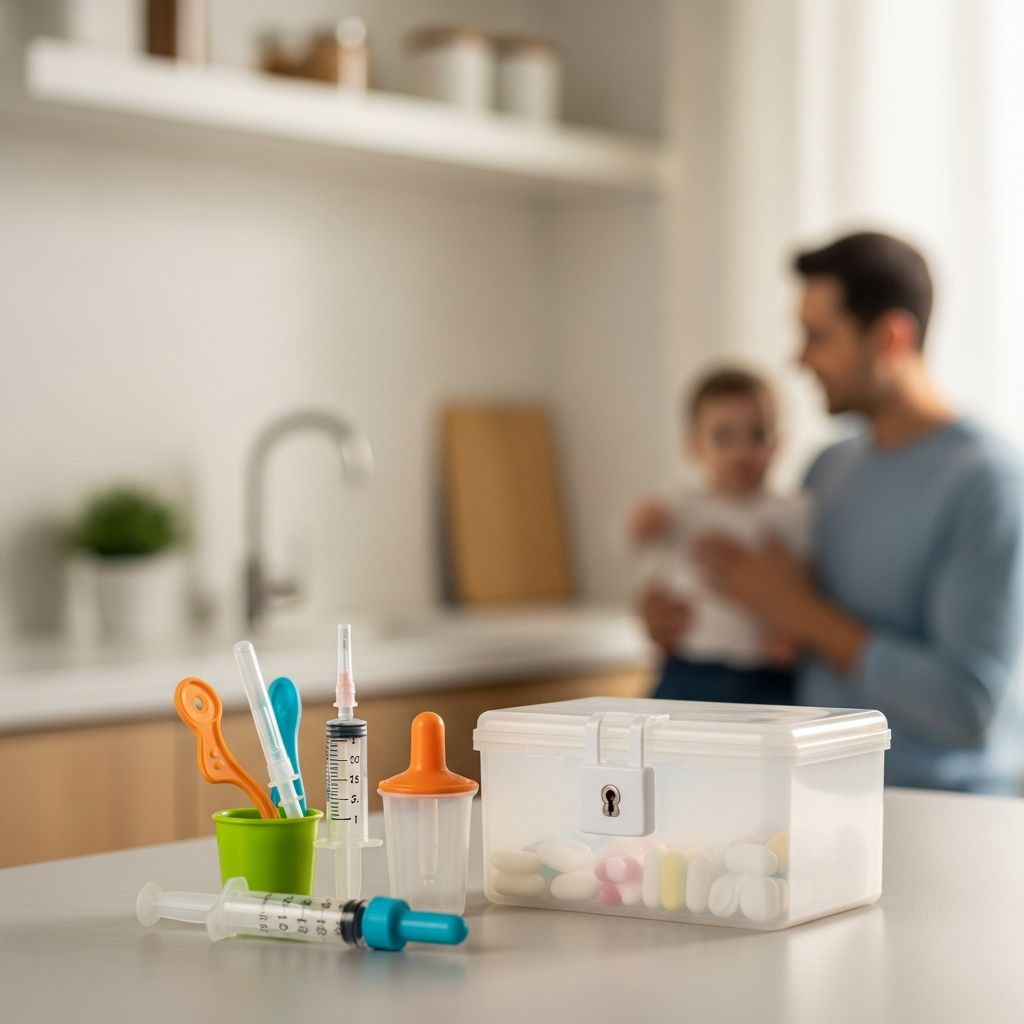
Medications play a vital role in managing children’s health, from treating fevers to addressing chronic conditions. However, improper handling can lead to serious risks, including overdoses and adverse reactions. Parents and caregivers must prioritize safety measures to protect young ones, as children are particularly vulnerable due to their smaller size and developing bodies. This guide draws on authoritative recommendations to outline practical steps for secure storage, accurate administration, risk identification, and family education.
Understanding the Unique Risks for Children
Children’s physiology differs significantly from adults, amplifying the dangers of medication errors. Their immature liver and kidney functions process drugs differently, making even small miscalculations potentially life-threatening. Statistics reveal that pediatric patients experience adverse drug events up to three times more frequently than adults, often stemming from dosing inaccuracies or unapproved formulations. Infants and toddlers face heightened risks because they cannot communicate discomfort, while older children may be curious explorers, mistaking pills for treats.
Common pitfalls include using adult-oriented packaging without adjustments, relying on household utensils for measurement, and overlooking interactions between over-the-counter remedies and prescriptions. Environmental factors, like visitors leaving bags accessible or medicines on nightstands, compound these issues. Awareness of these vulnerabilities forms the foundation for proactive prevention.
Secure Storage: The First Line of Defense
Storing medications out of sight and reach is non-negotiable. Every year, tens of thousands of young children require emergency care after accessing unsecured pills, with even one or two doses proving fatal for substances like opioids or iron supplements. Designate a high shelf, locked cabinet, or childproof box mounted beyond climbing range—avoid bathrooms due to humidity, which degrades potency.
- Lock everything: Use safety caps and relock immediately after use; child-resistant does not mean child-proof.
- Separate hazards: Keep vitamins, supplements, and gummies away from food areas to prevent mix-ups.
- Handle visitors: Politely request guests secure their own meds upon arrival.
- Travel smart: Employ portable lockboxes for bags, cars, or relatives’ homes.
Integrate storage into daily routines: return items immediately post-dose, and conduct weekly audits to ensure compliance. This habit thwarts impulsive access by curious kids.
Precise Dosing and Administration Techniques
Accuracy in dosing prevents the most prevalent errors. Always use the provided syringe or dropper—kitchen spoons vary widely, leading to overdoses. Double-check labels under bright light: confirm name, strength, amount, and timing. For liquid meds, shake vigorously if instructed, and measure at eye level.
| Age Group | Recommended Forms | Dosing Tips |
|---|---|---|
| Infants (<2 years) | Liquids, elixirs | Use oral syringe; avoid OTC cough/cold meds. |
| Toddlers (2-5 years) | Liquids, chewables | Precise milliliter measures; supervise fully. |
| School-age (6+ years) | Tablets, capsules | Crush only if approved; teach swallowing. |
Maintain a master list of your child’s regimen, including purpose, dose, and side effects. Share copies with schools, daycare, and other caregivers. For multiple meds, space administrations to minimize interactions, and note responses to refine future use.
Deciphering Labels and Packaging
Clear labeling averts confusion. Pharmacists should include child’s name, drug details, schedule (e.g., “twice daily with meals”), exact dose, storage (“room temp, away from light”), and expiration. Highlight warnings: allergies, missed doses (“skip, don’t double”), and emergency signs like rash or breathing issues.
Custom pediatric lists for high-risk drugs—such as chemotherapy agents or antibiotics—aid facilities but empower home users too. Parents can request pharmacist reviews for clarity, ensuring instructions suit reading levels and family dynamics.
Spotting and Responding to Side Effects
Vigilance catches issues early. Common effects include drowsiness, nausea, or rashes; rare ones like swelling demand immediate action. Labels must list these explicitly, with steps: “Stop use and call doctor if…” Educate families on anaphylaxis signs (hives, throat tightening) and poison control access (1-800-222-1222).
Track reactions in a log: date, dose, symptoms, duration. Report to providers for adjustments. Avoid assuming tolerance—new meds warrant close monitoring for 48 hours.
Educating Children on Medication Responsibility
Age-appropriate talks build lifelong habits. For preschoolers: “Pills are special medicine only grown-ups give.” Use visuals distinguishing meds from candy. School-agers learn names, purposes, and “never share.” Teens discuss misuse risks, emphasizing prescriptions’ personal nature.
- Tailor messages: Stories for tots, quizzes for tweens.
- Model behavior: Verbalize label reads aloud.
- Reinforce: Praise caution, correct gently.
Special Scenarios: Travel, School, and Emergencies
Adapt strategies for variability. Pack meds in carry-ons with labels intact; use pill organizers labeled by day/time. Schools require duplicate labeled bottles and permission forms. For emergencies, know CPR basics and keep naloxone if opioids are involved.
Disposal matters: Mix with unpalatable substances (coffee grounds), seal in bags, and trash—never flush unless specified. Community take-backs prevent scavenging.
FAQs: Common Medication Safety Questions
What if my child misses a dose?
Follow label: usually skip and resume schedule; consult pharmacist for critical meds like antibiotics.
Are vitamins safe left out?
No—iron-containing ones cause poisoning deaths; treat as drugs.
How to handle grandparent meds?
Store separately in locked spots; discuss safety upfront.
Can I crush pills for picky eaters?
Only if extended-release free and provider-approved; mix in soft food.
What about herbal supplements?
Store securely; disclose to doctors for interactions.
Building a Safer Tomorrow
Consistent practices transform homes into fortresses against mishaps. Collaborate with healthcare teams, stay updated via trusted sources, and advocate for child-focused innovations like flow-restrictor caps. Empowered parents save lives—one secure cabinet, one precise dose at a time.
References
- Pediatric Medication Safety Guide — MedPak. 2023. https://medpak.com/pediatric-medication-safety/
- Medication Safety Tips for Families — American Academy of Pediatrics (HealthyChildren.org). 2024-01-15. https://www.healthychildren.org/English/safety-prevention/at-home/medication-safety/Pages/Medication-Safety-Tips.aspx
- About the PROTECT Initiative — Centers for Disease Control and Prevention (CDC). 2025-06-10. https://www.cdc.gov/medication-safety/protect/index.html
- Medicine Safety — Pennsylvania Department of Human Services. 2024. https://www.pa.gov/agencies/dhs/resources/keep-kids-safe/about-keep-kids-safe/medicine-safety
- Medicine Safety – General — Nationwide Children’s Hospital. 2024-09-22. https://www.nationwidechildrens.org/family-resources-education/health-wellness-and-safety-resources/helping-hands/medicine-safety-general
- Medication Safety — Safe Kids Worldwide. 2025. https://www.safekids.org/medicinesafety