Insulin blood tests measure the hormone insulin levels in a child’s bloodstream, helping doctors diagnose conditions like diabetes or insulin resistance. These tests are crucial for evaluating how well a child’s body regulates blood sugar, especially in cases of persistent low or high glucose readings.
Why Insulin Testing Matters in Pediatric Care
Insulin, produced by the pancreas, plays a key role in controlling blood glucose by facilitating its uptake into cells for energy. In children, abnormal insulin levels can signal type 1 diabetes, where the body attacks insulin-producing cells, or type 2 diabetes linked to insulin resistance. Early detection through these tests allows for timely intervention, preventing complications like hypoglycemia or hyperglycemia.
Pediatric endocrinologists often recommend insulin tests when routine blood sugar screenings show irregularities. For instance, a fasting blood sugar test above 126 mg/dL or random levels over 200 mg/dL with symptoms like excessive thirst or fatigue may prompt further insulin measurement. Beyond diabetes, tests help assess conditions such as hyperinsulinism, where excessive insulin causes dangerous low blood sugar episodes.
Common Types of Insulin Tests for Kids
Several methods exist to gauge insulin sensitivity and levels in children, ranging from simple blood draws to advanced research protocols. Parents should understand these to better prepare their child.
- Fasting Insulin Test: The most straightforward, requiring no food or drink for 8-12 hours beforehand. It provides baseline insulin levels alongside fasting glucose.
- Oral Glucose Tolerance Test (OGTT) with Insulin: Child drinks a glucose solution; insulin and glucose are measured before and after to evaluate response.
- Hyperinsulinemic-Euglycemic Clamp: Gold standard for insulin sensitivity research; insulin is infused intravenously while glucose is clamped at normal levels. Rarely used clinically in kids due to complexity.
- Frequently Sampled Intravenous Glucose Tolerance Test (FSIGT): Involves glucose and insulin injections with multiple blood draws over 3 hours to calculate sensitivity indices.
Clinically, fasting tests are preferred for children due to minimal invasiveness, while clamps and FSIGT are reserved for research or severe cases.
Preparation Steps for Your Child’s Test
Proper preparation ensures accurate results and reduces child anxiety. Consult the healthcare provider for specifics, as protocols vary.
| Age Group | Fasting Requirement | Other Prep |
|---|---|---|
| Infants/Toddlers | 4-6 hours or as advised | Clear liquids only; saline for hydration |
| School-Age Children | 8-12 hours | No meds affecting glucose without doc approval |
| Teens | Overnight fast | Hydrate with water; avoid strenuous activity |
Explain the process using age-appropriate language: “It’s like a quick finger poke to check your body’s sugar helper.” Practice with a toy meter to familiarize them. For IV-requiring tests like FSIGT, numbing cream can ease discomfort.
The Testing Procedure: Step-by-Step
Most insulin tests involve a venipuncture or fingerstick. Here’s what happens:
- Arrival and Check-In: Vital signs are taken; fasting confirmed.
- Site Preparation: Arm or finger cleaned with antiseptic. For young kids, heel sticks may be used.
- Blood Draw: Needle inserts briefly; sample collected in tube or pipette. Pressure applied to stop bleeding.
- Post-Draw Care: Child rests; offered juice if fasting ends. Results processed in lab within hours to days.
For advanced tests like fasting studies for hyperinsulinism, monitoring intensifies: glucose checked every 1-3 hours via fingerstick, escalating to 30 minutes if dropping below 70 mg/dL. Glucagon is administered if below 50 mg/dL to assess response.
In clamp studies, dual IV lines are needed: one for infusions, one for heated hand blood draws to arterialize venous blood, ensuring precise glucose measurements every 5-15 minutes.
Potential Risks and How to Minimize Them
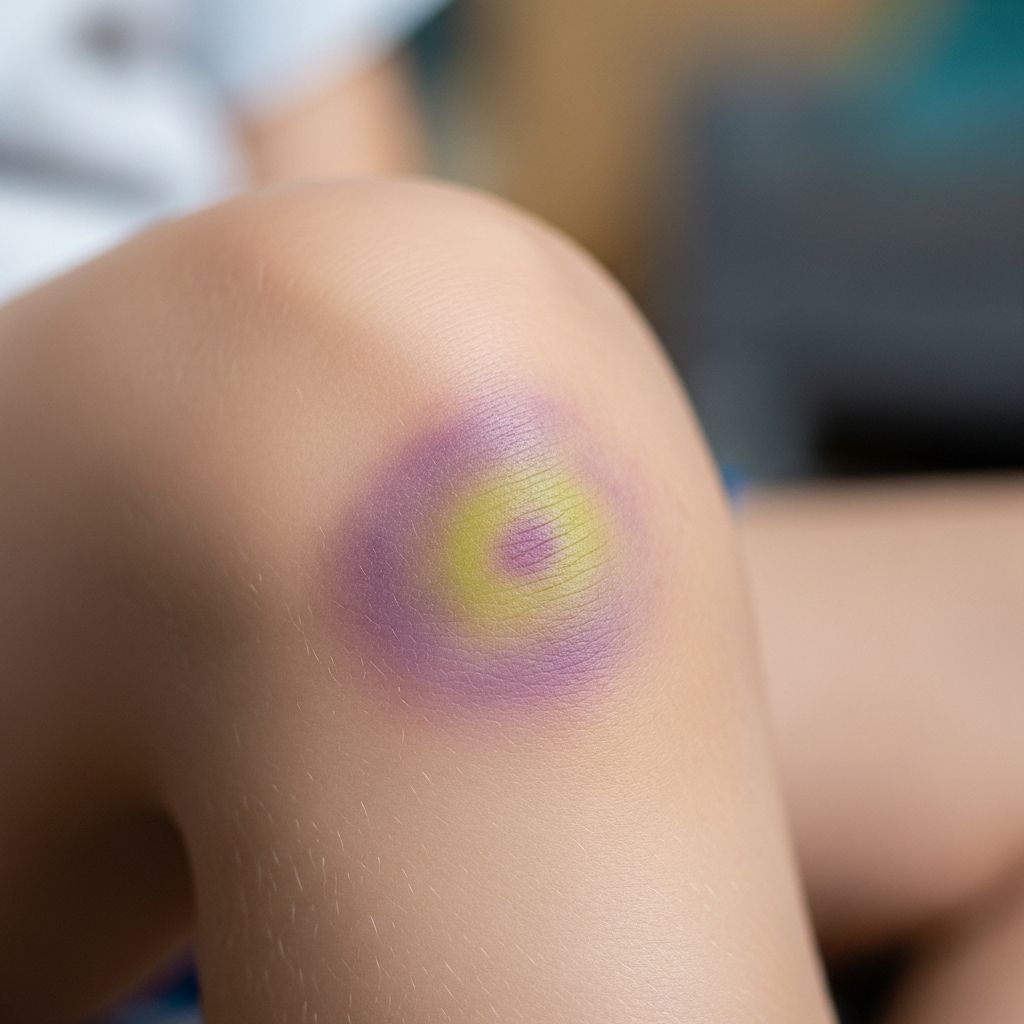
Blood draws are safe but may cause brief pain, bruising, or fainting. In rare cases, infection occurs. For fasting tests, hypoglycemia risk exists, monitored closely.
- Apply ice for swelling.
- Encourage movement post-test to prevent dizziness.
- Watch for signs of low sugar: shakiness, sweating—treat with fast carbs like juice.
Advanced procedures like FSIGT require about 14-35 mL blood, posing anemia risk in small children; hydration and iron checks mitigate this.
Interpreting Your Child’s Insulin Test Results
Normal ranges vary by age, lab, and test type. Fasting insulin typically 2-25 μU/mL in kids; elevated levels suggest resistance, low indicate deficiency.
Combined with glucose:
| Condition | Insulin Level | Glucose Level | Implication |
|---|---|---|---|
| Type 1 Diabetes | Low | High | Insufficient production |
| Insulin Resistance | High | High/Normal | Cells unresponsive |
| Hyperinsulinism | High | Low | Excess secretion |
A1C complements, showing 3-month average glucose; goal under 7% for kids. Discuss with pediatrician; retests confirm findings.
Follow-Up Care After Testing
Post-test, resume normal diet unless advised otherwise. Schedule follow-up to review results. Lifestyle changes like balanced meals, exercise aid insulin sensitivity.
For diabetes diagnosis, insulin therapy or monitoring starts promptly. Home glucometers empower families: wash hands, lancet prick, strip reading in seconds.
FAQs: Common Parent Questions on Insulin Tests
Is fasting always required for an insulin test in kids?
Yes for fasting insulin; no for random or stimulated tests. Confirm with your doctor.
How painful is the blood draw for a young child?
Mild pinch; distraction, numbing aids help. Heel sticks gentler for infants.
What if my child’s insulin is high but glucose normal?
May indicate early resistance; further tests like OGTT needed.
Can medications affect insulin test results?
Steroids, beta-blockers can; disclose all to provider.
How often should insulin levels be checked?
As recommended; annually for at-risk kids, more if diagnosed.
Empowering Parents: Home Monitoring and Prevention
While lab tests are definitive, home glucose checks track trends. Targets: 70-180 mg/dL generally; tighter for some. Promote prevention via:
- Balanced diet low in processed sugars.
- Daily activity: 60 minutes for school kids.
- Regular pediatric check-ups for A1C screening.
Understanding these tests equips parents to advocate for their child’s health, fostering early management of endocrine issues.
References
- Estimation of insulin sensitivity in children: methods, measures and validation — Yackobovitch-Gavan M et al. PMC. 2014-05-15. https://pmc.ncbi.nlm.nih.gov/articles/PMC4035238/
- Fasting Process and Hyperinsulinism (HI) Diagnosis — Children’s Hospital of Philadelphia. Accessed 2026. https://www.chop.edu/treatments/fasting-process-and-hyperinsulinism-hi-diagnosis
- Type 1 diabetes in children – Diagnosis and treatment — Mayo Clinic. 2023-11-01. https://www.mayoclinic.org/diseases-conditions/type-1-diabetes-in-children/diagnosis-treatment/drc-20355312
- Blood sugar testing and goals | Pediatric Diabetes — UC Davis Health. Accessed 2026. https://health.ucdavis.edu/children/patient-education/pediatric-diabetes/blood-sugar-testing
- Medical Encyclopedia: Insulin test — WVU Health Sciences. Accessed 2026. https://www.hsc.wvu.edu/media/5198/insulin-summary.pdf
- Insulin in Blood — MedlinePlus. 2023-07-12. https://medlineplus.gov/lab-tests/insulin-in-blood/