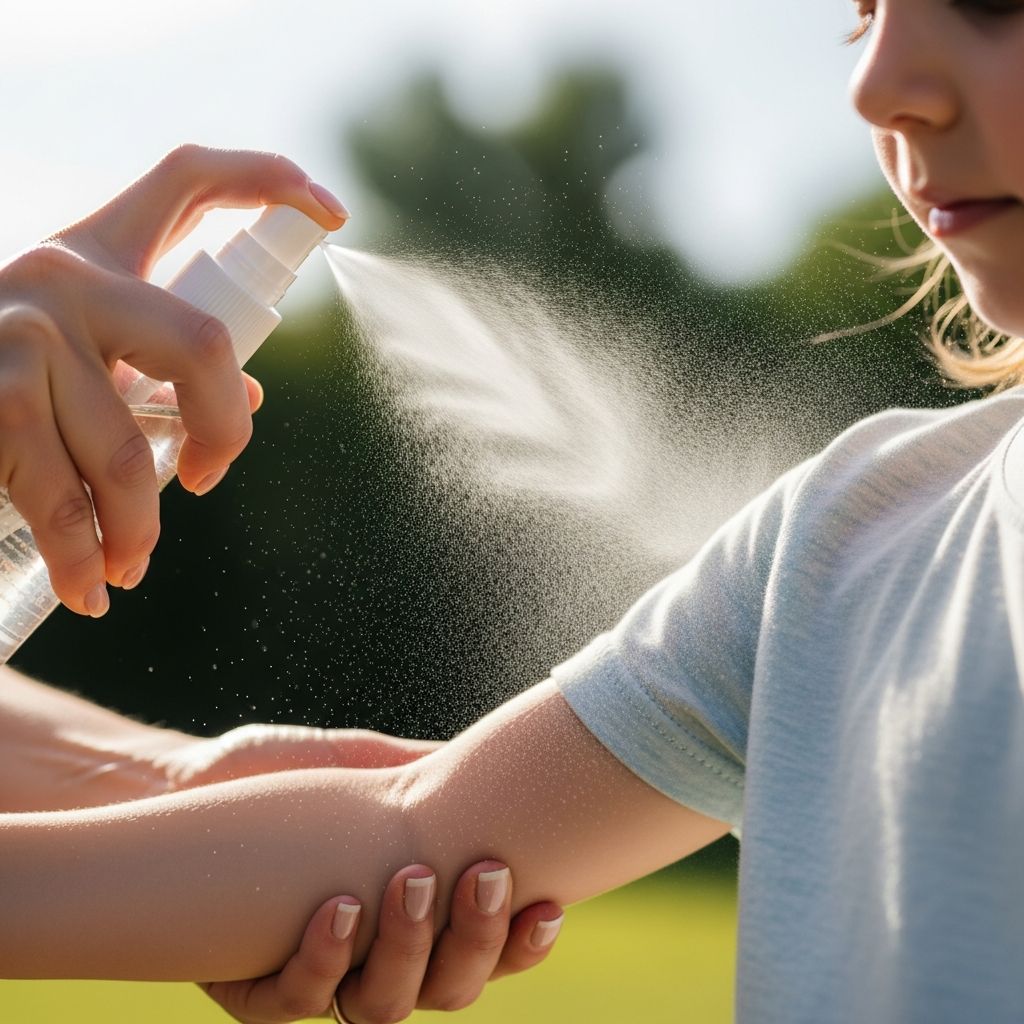
Outdoor play is vital for children’s health and development, but it exposes them to insects like mosquitoes and ticks that can transmit serious illnesses. Parents can safeguard their kids by choosing EPA-registered repellents and following precise application methods. This guide draws from authoritative health sources to provide practical, evidence-based recommendations.
Why Children Need Special Insect Protection
Youngsters spend more time outdoors playing, making them prime targets for biting insects. Their developing immune systems heighten vulnerability to diseases such as West Nile virus, Zika, dengue, and chikungunya carried by mosquitoes, or Lyme disease from ticks. Bites cause immediate discomfort from itching and swelling, but the real risk lies in pathogen transmission. Effective repellents create a barrier, significantly reducing bite incidence when used correctly.
Infants and toddlers face amplified risks due to thinner skin and behaviors like hand-to-mouth contact. Data shows children under 5 experience higher exposure rates during peak insect seasons. Preventive measures not only alleviate immediate irritation but also avert long-term health complications.
Selecting the Right Repellent for Your Child
Opt for products with an EPA registration number on the label, ensuring they have undergone rigorous safety and efficacy testing. Key active ingredients include:
- DEET (N,N-diethyl-m-toluamide): Gold standard for broad protection against mosquitoes, ticks, and flies. Safe for children over 2 months at concentrations up to 30%.
- Picaridin: Comparable efficacy to DEET with less odor and no oily residue. Suitable for kids, though specific AAP guidance is evolving.
- IR3535: Milder option effective for shorter durations, ideal for sensitive skin.
- OLE (Oil of Lemon Eucalyptus) or PMD (para-menthane-diol): Plant-based alternatives providing decent protection, but avoid on children under 3 years.
Concentration determines duration: 10% DEET lasts about 2 hours, 24-30% up to 5 hours. Higher isn’t always better—match to activity length to minimize exposure. Avoid unverified natural oils lacking EPA approval, as they offer inferior, short-lived defense.
| Ingredient | Min Age | Protection Duration (Example Conc.) | Best For |
|---|---|---|---|
| DEET | 2 months+ | 2-5 hours (10-30%) | Mosquitoes, ticks |
| Picaridin | 2 months+ | 3-8 hours (5-20%) | All-around use |
| IR3535 | Children | 1-4 hours | Mild protection |
| OLE/PMD | 3 years+ | 2-6 hours (10-30%) | Plant-derived |
This table summarizes options based on CDC and EPA data, helping parents choose wisely.
Age-Specific Guidelines for Safe Use
Infants under 2 months should never receive repellents; instead, rely on protective clothing, netting, and screened areas. For babies 2-24 months, use lowest effective DEET concentrations (under 10-15%) sparingly. Children 2+ can handle up to 30% DEET or equivalents.
PMD/OLE products are restricted for under-3s due to limited safety data. Always consult pediatricians for children with skin conditions or allergies. Studies confirm low-concentration DEET poses negligible neurotoxicity risk when guidelines are followed, debunking outdated seizure concerns.
Step-by-Step Application Instructions
Proper technique maximizes protection while minimizing risks. Never let children self-apply.
- Read the label thoroughly: Confirm EPA registration, concentration, and child suitability.
- Apply outdoors: Spray into hands first, then rub onto exposed skin—avoid face spraying.
- Cover just exposed areas: Thin layer suffices; excess offers no extra benefit.
- Skip hands, mouth, eyes, cuts: Dab face around these zones if needed.
- Don’t apply under clothes: Use treated fabrics instead.
- Reapply as directed: After swimming or sweating, per product specs.
- Wash off at day’s end: Soap and water for skin and laundry for clothes.
Store repellents securely away from kids to prevent accidental ingestion.
Enhancing Protection with Clothing and Gear
Repellents work best alongside physical barriers. Dress children in:
- Light-colored, long sleeves/pants tucked in.
- Permethrin-treated clothing/gear: Kills ticks/mosquitoes on contact, EPA-approved safe for kids including toddlers. Apply 0.5% permethrin to fabrics, not skin.
- Mosquito netting for strollers/cribs in buggy zones.
Permethrin excels for ticks, lasting through washes. Combine with skin repellents for comprehensive defense.
Recognizing and Handling Adverse Reactions
Rare sensitivities may cause rashes or burning. Cease use, rinse area, and seek medical advice. Monitor for excessive symptoms post-application. No evidence supports broad DEET dangers in kids when used properly; adverse events are exceedingly rare.
Seasonal and Location-Based Strategies
Peak risks occur dawn/dusk in warm months. In high-disease areas (e.g., Zika zones), prioritize 20-30% DEET. Check CDC travel advisories. Daily tick checks post-outdoor play: Examine scalp, armpits, groin. Prompt removal prevents Lyme transmission.
Common Myths About Child Repellents Debunked
- Myth: DEET causes seizures in kids. Evidence shows no elevated risk with proper use.
- Myth: Natural always safer. Many lack efficacy; stick to EPA-tested.
- Myth: Sunscreen + repellent combos ideal. Buy separately—reapply sunscreen more often.
Frequently Asked Questions
Can I use repellent on my 1-month-old baby?
No, infants under 2 months should use netting and clothing only. Consult a doctor.
Is 50% DEET safe for active kids?
No—cap at 30% for children; higher offers no added duration.
How effective is picaridin vs. DEET?
Equally effective, often preferred for feel.
Does swimming wash off repellent?
Yes—reapply post-swim.
Is permethrin safe on kids’ clothes?
Yes, EPA confirms safety even for toddlers.
This comprehensive approach empowers parents to enjoy bug-free adventures confidently. Prioritize prevention for healthier summers.
References
- Using Insect Repellents on Children — Army Public Health Center. 2018-06. https://ph.health.mil/PHC%20Resource%20Library/UsingInsectRepellentsonChildren_FS_18-044-0618.pdf
- DEET-based insect repellents: safety implications for children — National Institutes of Health (PMC). 2003-05-24. https://pmc.ncbi.nlm.nih.gov/articles/PMC167123/
- Safe Use of Insect Repellents — NC Department of Health and Human Services. N/A. https://epi.dph.ncdhhs.gov/cd/diseases/deet.html
- Insect repellents – guidelines for safe use — Royal Children’s Hospital Melbourne. N/A. https://www.rch.org.au/kidsinfo/fact_sheets/Insect_repellents_guidelines_for_safe_use/
- How to Choose an Insect Repellent for Your Child — American Academy of Pediatrics (HealthyChildren.org). N/A. https://www.healthychildren.org/English/safety-prevention/at-play/Pages/Insect-Repellents.aspx
- What Parents Should Know About Bugs and Bug Repellents — JAMA Pediatrics. 2023. https://jamanetwork.com/journals/jamapediatrics/fullarticle/2807917
- Mosquitoes, Ticks, and Other Arthropods — Centers for Disease Control and Prevention (CDC Yellow Book). 2024. https://www.cdc.gov/yellow-book/hcp/environmental-hazards-risks/mosquitoes-ticks-and-other-arthropods.html