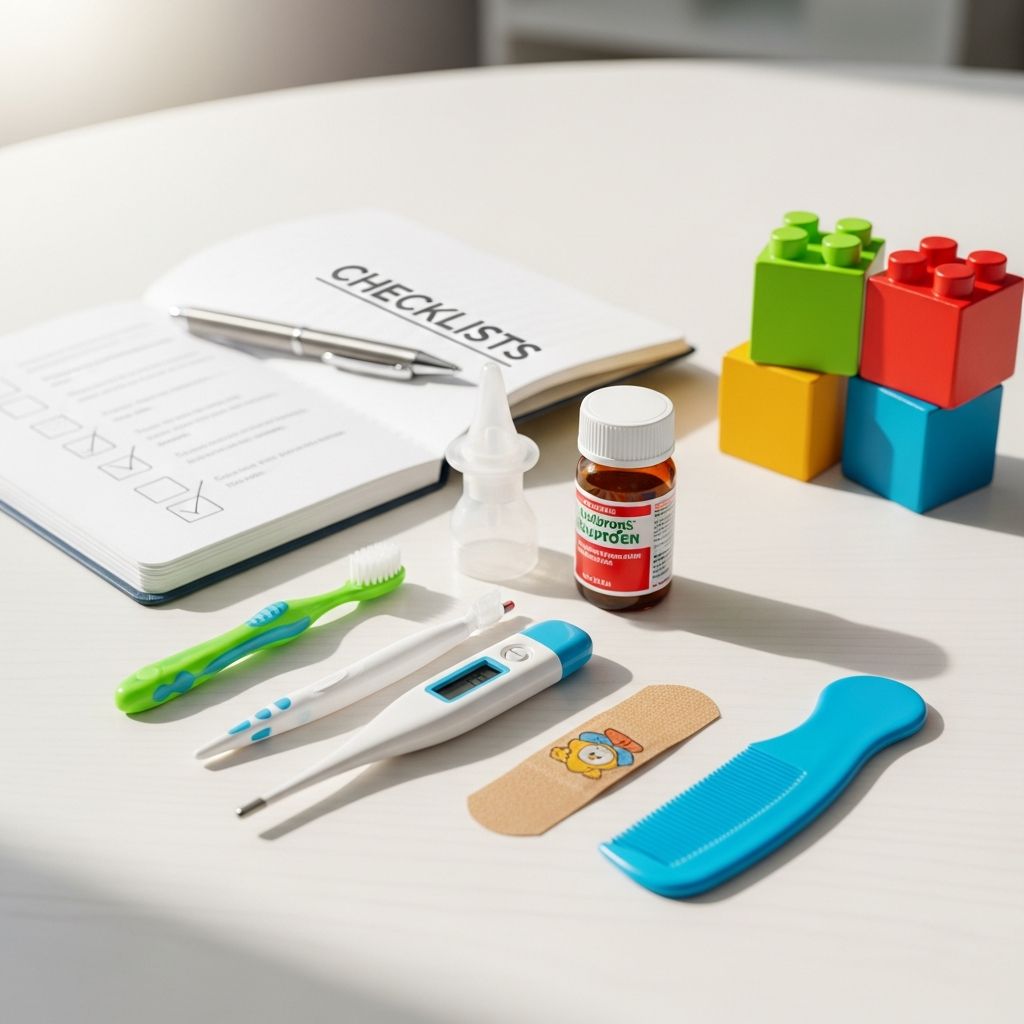
Ensuring your young child’s health involves regular monitoring, timely interventions, and proactive care. This guide outlines critical checklists for children from birth to age 5, drawing on established pediatric standards to support physical, emotional, and cognitive growth.
Understanding Routine Well-Child Visits
Well-child visits are foundational to pediatric care, allowing healthcare providers to track growth, address concerns, and provide anticipatory guidance. The American Academy of Pediatrics (AAP) recommends a structured schedule of these visits to promote optimal health.
For infants and toddlers, visits occur more frequently to monitor rapid developmental changes. Between 12 and 18 months, experts suggest checkups every three months, shifting to every six months up to age 3. Annual visits become standard thereafter, but always consult your pediatrician for personalized timing.
- Prepare by noting your child’s sleep patterns, feeding habits, and any behavioral shifts.
- Discuss family history updates and social factors influencing development.
- Bring school or daycare health forms to ensure compliance with requirements.
Immunization Schedules: Building Immunity Early
Vaccinations protect against serious diseases and are a cornerstone of preventive care. Every well-visit should include a review and update of your child’s immunization record.
Key vaccines in early childhood include those for DTaP (diphtheria, tetanus, pertussis), IPV (polio), MMR (measles, mumps, rubella), varicella (chickenpox), and hepatitis. Boosters reinforce protection as children grow.
| Age Group | Key Vaccines | Frequency |
|---|---|---|
| Birth-12 months | DTaP, Hepatitis B, Hib, PCV, Rotavirus | Multiple doses |
| 12-18 months | MMR, Varicella, Hepatitis A, boosters | Initial + boosters |
| 18 months-3 years | DTaP booster, Influenza annual | As scheduled |
| 3-5 years | IPV booster, MMR booster | Pre-school prep |
Adhering to this timeline minimizes risks and supports herd immunity. If delayed, catch-up schedules are available through your provider.
Tracking Developmental Milestones
Developmental surveillance at every visit helps identify delays early. The AAP endorses standardized screenings at 9, 18, and 30 months using validated tools[10]. Parents should observe skills in motor, language, and social domains.
By 12 months, most children walk with support, say simple words, and respond to their name. At 2 years, expect two-word phrases and kicking a ball. At 3-4 years, children draw shapes, count, and play cooperatively[10].
- Motor skills: Crawling by 9 months, running by 18 months.
- Language: Babbling at 6 months, 50 words by 24 months.
- Social/emotional: Stranger anxiety peaks at 9 months, parallel play by 2 years.
If milestones are missed, formal assessments can lead to interventions like speech therapy. Raise concerns early for the best outcomes.
Sensory Screenings: Vision, Hearing, and Beyond
Early detection of sensory issues prevents long-term challenges. Vision screening is recommended between ages 3-5, with annual checks starting at 3. Hearing screenings begin similarly, often at pediatrician offices or schools.
Common tools include acuity charts for vision and audiometry for hearing. Signs like squinting or frequent ear infections warrant immediate evaluation.
From age 8, anxiety screening gains importance due to rising mental health concerns, though foundational emotional checks start younger.
Oral Health: Starting Dental Care Right
Dental visits begin around age 1, coinciding with first teeth eruption. Annual checkups follow, focusing on cavity prevention and fluoride use.
- Brush twice daily with fluoride toothpaste (rice-grain size for under 3).
- Limit sugary drinks; encourage water.
- Schedule first dentist visit by first birthday.
Good habits reduce decay risk by 40%, per pediatric guidelines.
Nutrition and Feeding Milestones
Nutrition fuels growth. Breastfed infants need iron-fortified formula supplements if not exclusively breastfed. Solids introduce at 6 months: purees, then finger foods.
By age 2, children should eat family meals with varied fruits, veggies, proteins, and grains. Avoid juice excess; aim for 11-14 oz daily max.
| Age | Daily Calories | Key Foods |
|---|---|---|
| 1-2 years | 1,000 | Fruits, veggies, dairy, whole grains |
| 3-5 years | 1,200-1,400 | Lean proteins, limit fats/sugars |
Monitor for allergies; introduce peanuts early under guidance.
Sleep Patterns and Hygiene Routines
Consistent sleep supports brain development: 11-14 hours for 1-2 year-olds, 10-13 for 3-5. Establish bedtime routines sans screens.
Hygiene prevents illness: 20-second handwashing, cough into elbow. Keep sick kids home to curb spread.
Promoting Physical Activity and Screen Limits
Active play builds strength. Toddlers need unstructured movement daily; preschoolers 60 minutes structured activity.
Screen time: None under 18 months, 1 hour max for 2-5 years, high-quality content only.
Safety Measures at Home and Beyond
Childproofing saves lives. Install gates, outlet covers; secure furniture. Car seats: rear-facing to age 2, forward after.
- Supervise water play; teach no running near pools.
- Poison control access; lock meds/cleaners.
- Bike helmets from first ride.
Mental and Behavioral Health Checks
Emotional wellness matters. Screen for postpartum depression in mothers at visits. Watch for excessive tantrums, withdrawal.
Build resilience via routines, positive reinforcement. Age 8+ anxiety screens recommended.
Preparing for Preschool and School Entry
School demands readiness. Update vaccines, vision/hearing. Foster independence in dressing, toileting.
Discuss bullying, social skills with your child.
Frequently Asked Questions (FAQs)
What if my child misses a well-visit?
Schedule promptly; catch-up plans exist for vaccines and screenings. Consistency is key.
How often should dental visits occur?
First at age 1, then annually or as dentist advises.
When to worry about developmental delays?
If no babble by 12 months or no words by 16, seek evaluation[10].
Are screens okay for young kids?
Very limited; prioritize interactive play.
What vaccines are needed before kindergarten?
DTaP, MMR, varicella, IPV, etc.—check state requirements.
This guide equips parents for proactive care. Consult professionals for tailored advice.
References
- The Essential Children’s Health Checklist — NewYork-Presbyterian. 2023. https://healthmatters.nyp.org/the-essential-childrens-health-checklist/
- AAP Schedule of Well-Child Care Visits — American Academy of Pediatrics. 2024-10-15. https://www.healthychildren.org/English/family-life/health-management/Pages/Well-Child-Care-A-Check-Up-for-Success.aspx
- Well-Child Visits for Infants and Young Children — American Academy of Family Physicians. 2018-09-15. https://www.aafp.org/pubs/afp/issues/2018/0915/p347.html
- Bright Futures Guidelines and Pocket Guide — American Academy of Pediatrics. 2024. https://www.aap.org/en/practice-management/bright-futures/bright-futures-materials-and-tools/bright-futures-guidelines-and-pocket-guide/
- Preventive Care/Periodicity Schedule — American Academy of Pediatrics. 2024. https://www.aap.org/en/practice-management/care-delivery-approaches/periodicity-schedule/
- CDC’s Developmental Milestones — Centers for Disease Control and Prevention. 2024. https://www.cdc.gov/act-early/milestones/index.html