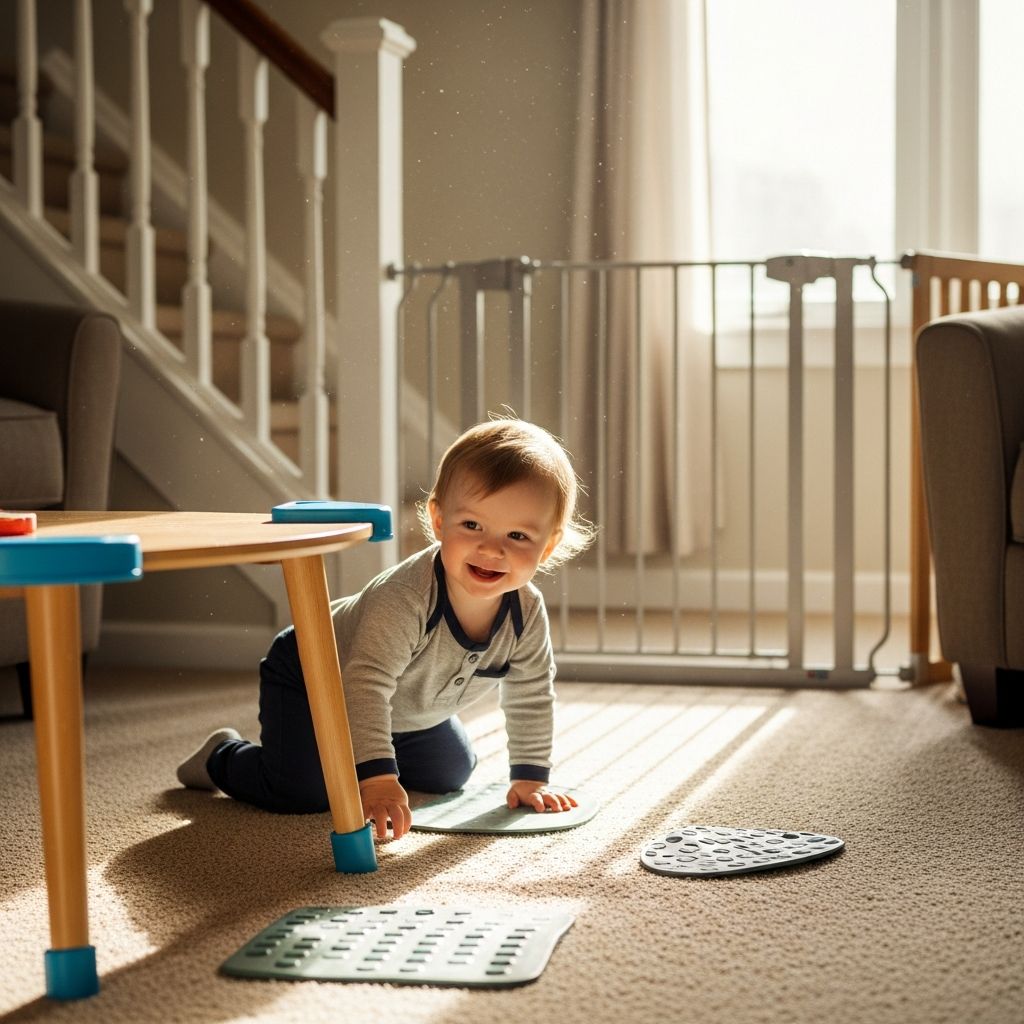
Falls represent one of the leading causes of injury among young children, often occurring in predictable home and play environments. By implementing targeted prevention measures, parents can significantly reduce these risks and foster a safer upbringing for their little ones.
Understanding Fall Risks in Everyday Settings
Young children, driven by curiosity and developing motor skills, frequently encounter dangers from heights or unstable surfaces. Infants may roll off elevated spots, toddlers climb furniture, and older kids test boundaries on stairs or playground gear. Statistics from health organizations highlight that simple adjustments—like securing furniture or using guards—can prevent most incidents.
Key factors contributing to falls include inadequate supervision, cluttered spaces, and unsecured household items. Recognizing these allows proactive steps to create protective surroundings without stifling exploration.
Fortifying Your Home Against Indoor Hazards
The home is where most childhood falls happen, particularly in rooms with stairs, windows, or high furniture. Start by conducting a room-by-room audit to identify vulnerabilities.
Mastering Stairway Protection
Stairs pose a constant threat as babies learn to crawl and walk. Install hardware-mounted gates at both the top and bottom of every staircase—these are far more reliable than pressure-mounted versions, which can shift under a child’s weight.
- Choose gates without accordion designs, as they can trap small heads or limbs.
- Keep stairs free of toys, rugs, or debris to avoid trips.
- Illuminate stairwells brightly and teach toddlers to descend backward on hands and knees for better control.
- Never allow unsupervised play on stairs, even with gates in place.
For added security, position a gate at your child’s bedroom door if it’s near stairs, preventing nighttime wanderings.
Window Safety Essentials
Windows lure climbing children with outdoor views, but they account for thousands of emergency visits yearly. Screens offer no protection against a determined toddler pushing through.
- Fit windows with guards or stops limiting openings to 4 inches maximum.
- Prefer top-opening vents and keep lower panes locked when not in use.
- Reposition furniture, cribs, or toys away from sills to deter climbing.
- Ensure guards have quick-release mechanisms for fire escapes.
These measures comply with safety standards from child health experts.
Preventing Furniture Tip-Overs
Top-heavy items like dressers, bookshelves, or TVs topple easily when children use them as ladders. Anchoring them prevents tragedies.
| Furniture Type | Prevention Method | Why It Works |
|---|---|---|
| Dressers & Shelves | L-brackets or straps to walls | Distributes weight to prevent forward tilt |
| Televisions | Wall mounts or anti-tip kits | Secures heavy screens from climber impact |
| Tables & Chairs | Check stability; avoid wobbly pieces | Reduces collapse risk during play |
Always supervise changing tables and beds—never turn away, even briefly. Opt for tables with high guardrails and place infants in cribs or playpens if stepping away.
Safe Sleeping and Nursery Practices
Cribs and sleep areas demand rigorous checks. As babies grow, adjust mattress heights: lower when they push up on hands and knees, then again for sitting or standing.
- Maintain all four sides up, avoiding drop-side models.
- Remove pillows, bumpers, toys, or mobiles that could aid climbing or pose suffocation risks.
- Select play centers over wheeled walkers, which tip easily on stairs.
Strap children securely in high chairs, swings, or carriers, always placing carriers on the floor.
Outdoor and Playground Fall Defense
Beyond home walls, playgrounds and yards present unique challenges. Choose sites with soft, impact-absorbing surfaces like mulch, sand, or rubber mats covering fall zones— at least 6 feet around equipment.
Playground Selection Checklist
- Verify age-appropriate gear via equipment labels.
- Ensure adequate spacing between swings, slides, and climbers to avoid collisions.
- Separate moving parts (swings, merry-go-rounds) from static play areas.
- Supervise closely, enforcing rules like no running under swings.
For biking or skating, mandate helmets and pads. Clear sidewalks of obstacles and repair cracked paths.
The Power of Constant Vigilance
No gadget replaces parental oversight. Actively watch young explorers, especially near hazards. Teach older children safe habits, like using handrails and avoiding rough play on elevated spots.
Incorporate anti-slip mats in baths, rugs on floors, and bright lighting throughout. Discuss risks age-appropriately: “Hold the rail,” or “No climbing near windows.”
Responding to Falls: First Steps
If a fall occurs, stay calm. For minor bumps, apply ice and monitor. Serious signs—unconsciousness, vomiting, or odd behavior—warrant immediate 911 calls. Never move a potentially spine-injured child; let professionals handle.
Frequently Asked Questions (FAQs)
Are window screens sufficient to stop kids from falling out?
No, screens are designed for insects, not child weight. Install guards instead.
What’s better than baby walkers?
Stationary activity saucers or playpens provide safe movement without mobility risks.
How do I secure furniture effectively?
Use manufacturer kits with brackets; test by pulling firmly.
At what age should I worry about stairs?
From crawling onward—gates and supervision are key until school age.
Are all playground surfaces equal?
No; prioritize soft, deep materials over hard grass or concrete.
Building a Lasting Safety Culture
Integrate fall prevention into daily routines. Regular home checks, modeled safe behaviors, and community playground advocacy build resilience. Programs from health departments offer free resources like gate fittings.
Expand on supervision by involving family: grandparents, siblings learning rules too. Track progress with safety checklists, updating as kids grow—from crib phases to bike riding.
Consider environmental tweaks: non-slip footwear indoors, balcony barriers, porch gates. For apartments, request landlord window installs compliant with codes.
Empower kids gradually: preschoolers practicing stair navigation, school-agers spotting hazards. Praise compliance to reinforce habits.
Health data underscores impact: U.S. Centers for Disease Control notes falls cause over 2.8 million ER visits yearly for under-19s, many preventable. Local initiatives, like those from children’s hospitals, provide tailored advice.
Seasonal vigilance matters—summer window openings spike risks; winter ice demands outdoor caution. Year-round, blend products with education for holistic protection.
Parental stress is real; automate safety via smart reminders or apps scanning homes. Join networks like Safe Kids for updates.
Ultimately, proactive steps yield peace of mind, letting families thrive without fear. Small investments today avert big sorrows tomorrow.
References
- Preventing Injuries From Falling, Climbing, and Grabbing — KidsHealth. 2023. https://kidshealth.org/en/parents/safety-falls.html
- Fall Prevention for Kids — University Health. 2024. https://www.universityhealth.com/services/trauma/injury-prevention/fall-prevention/kid-fall-prevention
- Childhood Falls Prevention: Information For Parents — Rhode Island Department of Health. 2023. https://health.ri.gov/injury/fallsprevention/for/parents
- Preventing Falls — Nationwide Children’s Hospital. 2024. https://www.nationwidechildrens.org/conditions/health-library/preventing-falls
- Falls Prevention Tips — Safe Kids Worldwide. 2024. https://www.safekids.org/tip/falls-prevention-tips
- Fall-Related Safety — Children’s Hospital of Philadelphia. 2023. https://www.chop.edu/centers-programs/injury-prevention-program/fall-related-safety
- Preventing Falls — North Dakota Department of Health & Human Services. 2024. https://www.hhs.nd.gov/health/prevention-healthy-living/injury-prevention/falls