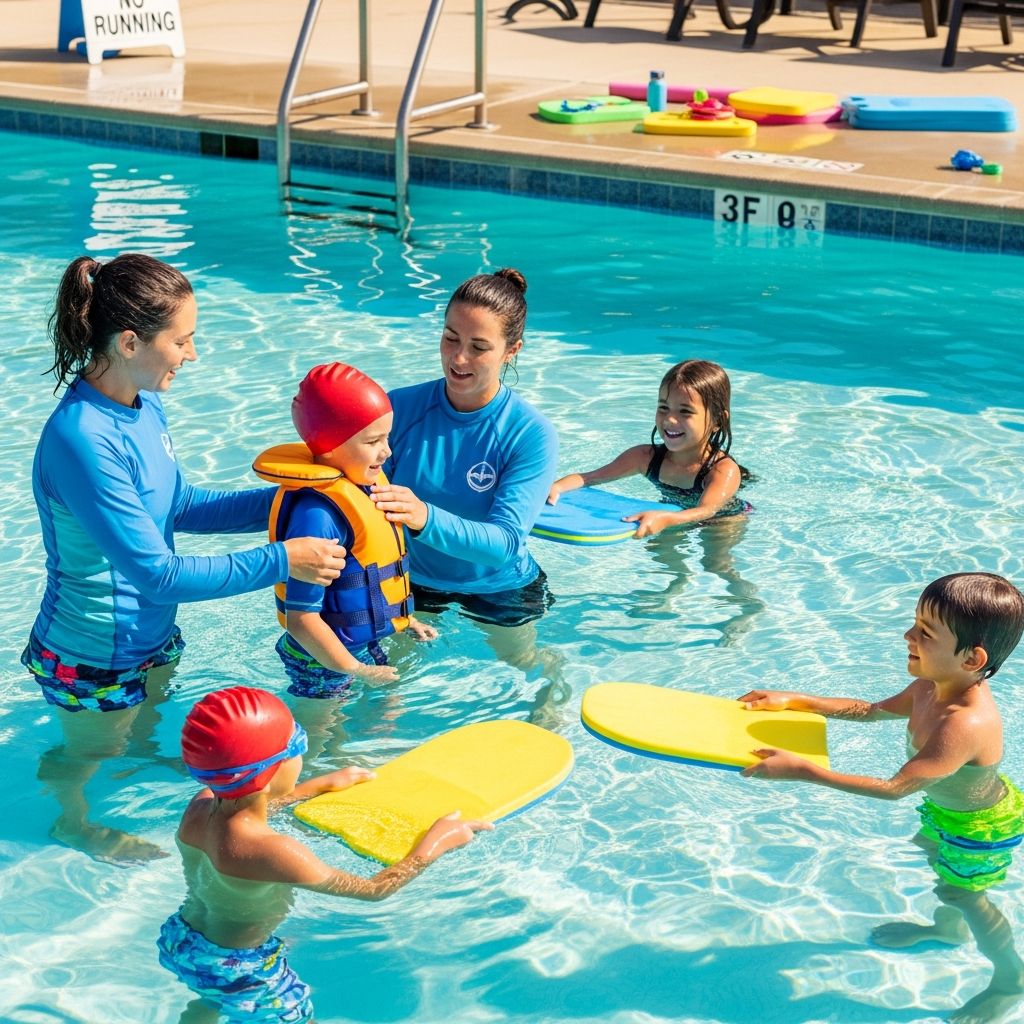
Drowning remains a leading cause of death for young children in the United States, with pools and spas posing significant risks especially during warmer months. Parents and caregivers can drastically reduce these dangers by adopting layered prevention strategies and staying informed on the latest statistics.
Alarming Statistics on Childhood Drownings
Recent data from the U.S. Consumer Product Safety Commission (CPSC) reveals persistent high rates of fatal and nonfatal drownings among children under 15. From 2017 to 2019, an average of 389 pool- or spa-related fatal drownings occurred annually in this age group, with 73% involving children younger than 5. Nonfatal injuries spiked by 17% in 2021, reaching 6,800 hospital-treated cases compared to 5,800 the previous year.
Children aged 1 to 4 face the highest risk, where drowning is the single leading cause of unintentional injury death. On average, 80% of nonfatal drowning injuries treated in emergency departments from 2019-2021 affected kids under 5, with most incidents (73%) happening at residences. In 2021, fatal drownings rose 12% to 380 for children under 15, up from 339 in 2020.
Disparities exacerbate the issue: African American children aged 5-14 account for 45% of drowning deaths where race is known, despite comprising a smaller population share. Black children 10-14 drown in pools at rates 7.6 times higher than white children. Nationally, boys drown at more than twice the rate of girls (15.6 vs. 6 per 1,000,000). Southern states, including Florida—where 97 children drowned in 2023, mostly in residential pools—report the highest rates.
| Age Group | Fatal Drownings (Avg. Annual) | Nonfatal Injuries (2021) | Primary Location |
|---|---|---|---|
| Under 5 | 73% of pool/spa deaths | 80% of ER visits | Residential (73-81%) |
| Under 15 | 389 (2017-2019) | 6,800 | Residential (2/3) |
Why Drowning Happens So Quickly and Silently
Drowning is often silent and swift, lacking the splashing or calling for help seen in media portrayals. It can occur in seconds, particularly for toddlers who can drown in as little as two inches of water—bathtubs, buckets, or fountains included. Two-thirds of fatal pool/spa drownings happen at homes, relatives’, or neighbors’ properties, underscoring the need for vigilance everywhere.
Post-pandemic shifts contributed: After COVID restrictions limited access to public pools, 2021 saw rebounds in injuries as kids returned to community swimming. Residential settings dominate because backyard pools lack the lifeguards of public venues.
Core Principles of Layered Water Safety
Effective prevention uses multiple “layers”—barriers, supervision, education, and technology—to create fail-safes. No single measure suffices; combining them addresses various scenarios.
- Constant Supervision: Never leave children unattended near water. Designate a focused “Water Watcher” adult who avoids distractions like phones or books.
- Physical Barriers: Install self-closing, self-latching gates, door alarms, and covers on pools/spas to block unsupervised access.
- Swim Lessons: Enroll kids in age-appropriate swim training; it’s a critical life skill that builds confidence and basic survival abilities.
- Drain Safety: Use compliant anti-entrapment drain covers to prevent suction hazards.
- Emergency Readiness: Learn CPR and keep rescue equipment handy, like shepherd’s hooks or life rings.
Creating a Secure Home Pool Environment
Residential pools account for 81% of known fatal child drownings. Start with a four-sided fence at least 4 feet high, isolating the pool from the house. Gates must swing outward, latch automatically, and be out of children’s reach.
Power safety covers and alarms add redundancy: Pool alarms detect entry, while door alarms alert to wandering toddlers. Remove toys from the area to avoid temptation. For spas, follow the same isolation rules.
In non-pool areas, empty kiddie pools, buckets, and coolers after use. Teach “reach or throw” rescues: Extend a pole or float, avoiding entering the water yourself unless trained.
Swimming Lessons and Skill Development
While not drowning-proof, formal swim lessons reduce risk by 88% for kids 1-4. Programs teach floating, treading water, and reaching edges. Start as early as 6 months with parent-child classes.
Combine with “touch supervision” for young swimmers: Stay within arm’s reach. Older kids need rules like no rough play or diving in shallow ends.
Addressing Disparities in Drowning Risks
Communities of color face higher rates due to limited swim access, fewer lessons, and socioeconomic barriers. African American children drown disproportionately in public pools, while white children do so more in residential ones. American Indian/Alaska Native youth under 30 have rates twice those of whites.
Initiatives target equity: Free or low-cost lessons, mobile pools, and awareness campaigns help. Parents in underserved areas should seek community programs via Red Cross or local health departments.
Community and National Prevention Efforts
Government-led campaigns like Pool Safely promote pledges, interactive tools, and games to engage families. The CPSC’s S.W.I.M. tool customizes advice by age and scenario. Local coalitions in high-risk states like Florida push year-round education, as drownings peak spring-summer but occur anytime.
Schools and camps incorporate water safety; post-2021 data stresses resuming these after pandemic gaps. Social media and pledges amplify reach, fostering a culture of safety.
Open Water and Non-Pool Hazards
Beyond pools, natural waters claim more school-age kids (5-17). Lakes, rivers, and oceans hide currents, drop-offs, and cold water shock. Always wear U.S. Coast Guard-approved life jackets for non-swimmers.
Beach flags signal rip currents; teach spotting and escaping them by swimming parallel to shore. Supervise closely—no floating on rafts alone.
FAQs on Child Water Safety
What age should swim lessons begin?
Infant classes from 6 months build comfort; formal skills around age 1 reduce drowning odds significantly.
How can I enforce the Water Watcher rule?
Rotate watchers every 15-30 minutes, use timers, and ban devices. Make it a family pact.
Are pool covers enough protection?
No—covers prevent access but aren’t for supervision. Use with fences and alarms for layers.
What if my child falls in—first steps?
Yell for help, reach/throw rescue tool, call 911, begin CPR if trained and breathing stops.
How do disparities affect my community?
Check local stats; advocate for equitable programs if rates are high among underserved groups.
Empowering Families for Lifelong Safety
Water safety is a year-round commitment, blending education, infrastructure, and habits. By prioritizing layers of protection, families can enjoy water activities confidently. Share knowledge, take pledges, and model vigilance to protect the next generation.
References
- CPSC Report Shows Fatal Child Drownings Remain High; Nonfatal Drowning Injuries Spiked by 17 Percent in 2021 — U.S. Consumer Product Safety Commission. 2022-06-09. https://www.cpsc.gov/Newsroom/News-Releases/2022/CPSC-Report-Shows-Fatal-Child-Drownings-Remain-High-Nonfatal-Drowning-Injuries-Spiked-by-17-Percent-in-2021
- New Data Shows Child Drownings Remain High — PoolSafely.gov. 2024-07-11. https://www.poolsafely.gov/2024/07/11/new-data-shows-child-drownings-remain-high/
- Water Safety and Childhood Drowning Prevention — Safe Kids Central Florida. 2023. https://sccfl.org/water-safety-and-childhood-drowning-prevention/
- The Latest Drowning Statistics 2024 — National Drowning Prevention Alliance. 2024. https://ndpa.org/parenttoolkit/BlogsParentToolkit/BLOG-The%20Latest%20Drowning%20Statistics-NDPA.pdf
- Disparities in U.S. Childhood and Adolescent Drowning Deaths — Children’s Safety Network. N/A. https://www.childrenssafetynetwork.org/infographics/disparities-us-childhood-adolescent-drowning-deaths
- The Facts On Childhood Drowning — Children’s Safety Network. N/A. https://www.childrenssafetynetwork.org/infographics/facts-childhood-drowning
- Drowning Prevention & Facts — American Red Cross. N/A. https://www.redcross.org/get-help/how-to-prepare-for-emergencies/types-of-emergencies/water-safety/drowning-prevention-and-facts.html