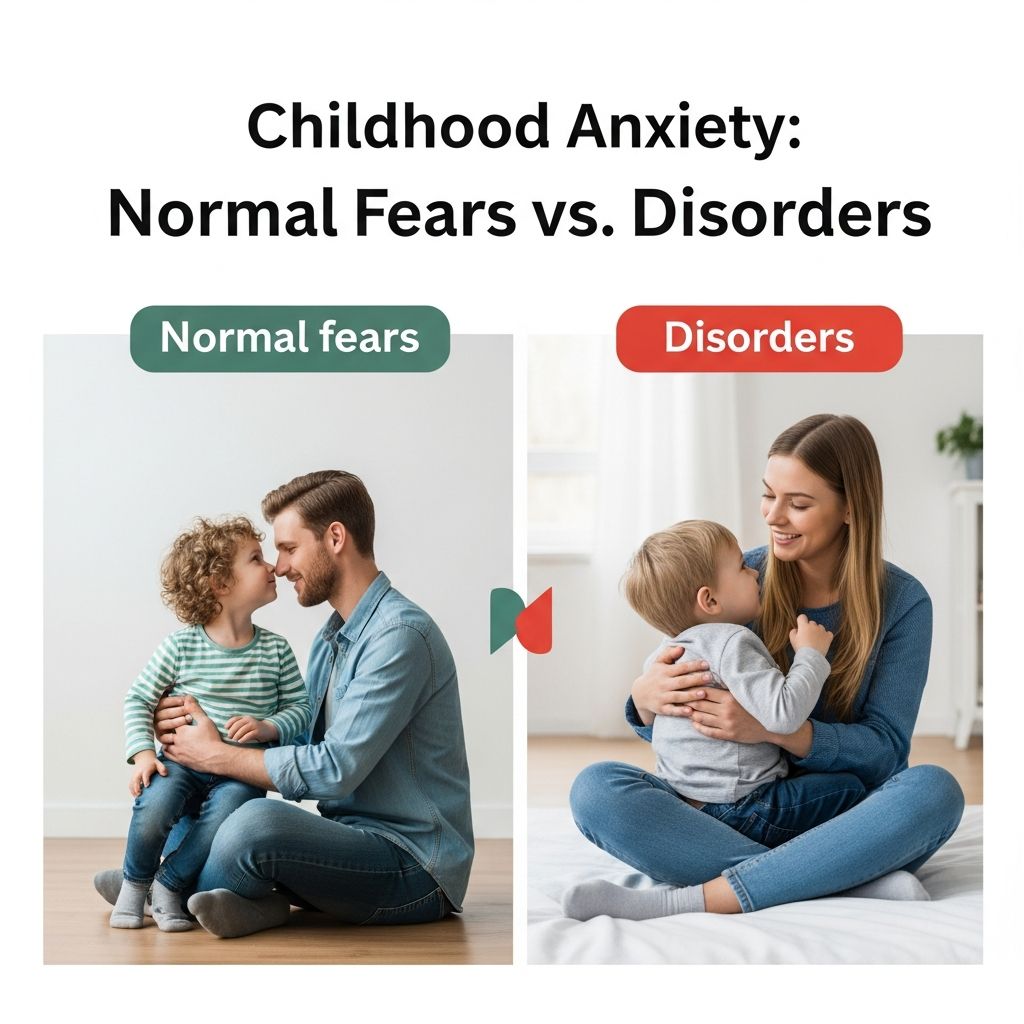
Every child experiences moments of worry or fear as they navigate the world, but knowing when these feelings cross into problematic territory is crucial for parents. Normal anxiety serves as a protective mechanism, alerting kids to potential dangers and motivating positive actions like preparing for a test. However, when fears persist, intensify, or disrupt daily life, they may signal an anxiety disorder affecting up to 1 in 5 children.
Understanding Anxiety as a Natural Response
Anxiety acts like an internal alarm system, helping children avoid harm and adapt to challenges. For instance, a toddler’s wariness of strangers prevents unsafe interactions, while a school-aged child’s concern about performance encourages studying. These responses evolve with development: infants fear loud noises and separation, preschoolers dread monsters under the bed, and teens worry about social acceptance or future prospects.
Distinguishing normal from excessive anxiety hinges on duration, intensity, and impact. Brief fears that fade with reassurance are typical, whereas persistent dread lasting six months or more, leading to avoidance or physical distress, warrants attention.
Fears by Developmental Stages
Children’s fears shift predictably as they grow, reflecting cognitive and emotional maturation. Here’s a breakdown:
- Infants and Toddlers (0-2 years): Separation from caregivers, unfamiliar faces, sudden loud sounds, or large objects. These protect against real threats during vulnerable stages.
- Preschoolers (2-4 years): Darkness, animals, sleeping alone, imaginary creatures, or burglars. Imagination fuels these, but comfort usually resolves them quickly.
- Early School Age (5-6 years): Getting lost, bugs, storms, injury, or death. Real-world awareness emerges, blending fantasy with reality.
- Middle Childhood (7-12 years): School pressures, social rejection, disasters, heights, or health issues. Performance and peer dynamics dominate.
- Adolescents (13+ years): Academic failure, social embarrassment, personal future, or global events like wars. Abstract thinking amplifies concerns.
Some kids are temperamentally more cautious, but if fears hinder play, learning, or relationships, further evaluation is needed.
Red Flags: When Anxiety Becomes Excessive
Watch for patterns indicating beyond-normal anxiety. Key indicators include:
- Persistent avoidance of age-appropriate activities, like school or playdates.
- Clinginess or constant need for reassurance from parents.
- Sleep disturbances, such as trouble falling asleep, nightmares, or bedwetting.
- Somatic complaints like frequent headaches, stomachaches, or nausea without medical cause.
- Restlessness, fidgeting, nail-biting, or other repetitive behaviors.
- Irritability, tantrums, or easy overwhelm in minor challenges.
- Catastrophic thinking, like assuming the worst outcomes or excessive ‘what if’ questions.
- Underachievement or perfectionism in school despite capability.
Physical signs during social situations—shaking, sweating, or rapid breathing—also signal deeper issues. If these persist most days for six months and impair functioning, professional assessment is advised.
| Normal Worry | Excessive Anxiety |
|---|---|
| Short-lived, eases with comfort | Lasts months, resists reassurance |
| Doesn’t stop daily activities | Leads to avoidance or distress |
| Age-appropriate fears | Outgrown fears persist intensely |
Common Anxiety Disorders in Young Children
Several disorders manifest differently by age. Early recognition enables timely support.
Separation Anxiety Disorder
Beyond typical toddler phases, this involves extreme distress when parting from parents, even for short separations like school drop-offs. Kids may refuse to attend preschool, fear harm befalling caregivers, or experience physical symptoms upon parting. It persists past age 3-4 when normal separation eases.
Generalized Anxiety Disorder (GAD)
Children with GAD fret excessively about multiple daily matters—homework, health, catastrophes—feeling restless, irritable, and fatigued. Worries intrude constantly, disrupting focus, sleep, and enjoyment, despite reassurances.
Specific Phobias
Irrational terror of objects or situations like dogs, storms, heights, or needles triggers immediate panic and avoidance. These differ from mild dislikes by their overwhelming nature.
Obsessive-Compulsive Disorder (OCD)
Repetitive rituals, such as excessive handwashing or checking, aim to quell anxiety from intrusive thoughts. In kids, it might appear as rigid routines around food or cleanliness.
Anxiety Challenges in Older Kids and Teens
As children enter school and adolescence, social and performance pressures intensify.
Social Anxiety Disorder
Intense fear of scrutiny leads to avoidance of group activities, public speaking, or eating in front of others. Kids may blush, tremble, or feel nauseous, convinced of impending humiliation. Tantrums in young ones or isolation in teens are common.
Panic Disorder
Sudden, repeated attacks mimic heart issues—chest pain, dizziness, shortness of breath—fostering fear of recurrence. Kids may avoid triggers, limiting activities.
Post-Traumatic Stress Disorder (PTSD)
After trauma like accidents, symptoms include flashbacks, hypervigilance, avoidance, and sleep issues. Early intervention prevents chronicity.
Prevalence is notable: 11% of U.S. children aged 3-17 have diagnosed anxiety, per CDC data, underscoring the need for awareness.
Strategies for Parental Support
Parents play a pivotal role in fostering resilience. Start by modeling calm responses to stress—deep breathing or problem-solving aloud. Validate feelings without amplifying fears: ‘It’s okay to feel scared; let’s figure this out together.’
Teach coping tools:
- Breathing Exercises: 4-7-8 technique—in through nose for 4, hold 7, out 8.
- Progressive Muscle Relaxation: Tense and release body parts sequentially.
- Mindfulness: Focus on present senses to ground racing thoughts.
- Positive Self-Talk: Replace ‘I’ll fail’ with ‘I can handle this.’
Encourage gradual exposure to fears, like short separations building to longer ones. Maintain routines for security, limit caffeine/sugar, and ensure physical activity. Avoid overprotection, which reinforces avoidance.
Recognizing the Need for Professional Help
Consult a pediatrician or child psychologist if anxiety:
- Persists despite home strategies.
- Causes school refusal or social withdrawal.
- Accompanies depression, self-harm thoughts, or substance use in teens.
Treatments like Cognitive Behavioral Therapy (CBT) are highly effective, teaching fear management without medication first-line for mild cases. For severe instances, SSRIs may be considered under medical supervision.
Frequently Asked Questions (FAQs)
What percentage of children experience anxiety disorders?
Up to 1 in 5 children develop anxiety disorders that interfere with life, with 11% of 3-17 year-olds diagnosed currently.
Is shyness the same as social anxiety?
No—shyness is mild discomfort; social anxiety involves intense fear, avoidance, and physical symptoms disrupting participation.
Can anxiety cause physical illness in kids?
Yes, common symptoms include stomachaches, headaches, nausea, and sleep issues, often without underlying medical causes.
How long should normal fears last?
Typical fears are fleeting, resolving with reassurance; disorders involve symptoms most days for at least six months.
What home strategies help mild anxiety?
Deep breathing, routine maintenance, gradual exposure, and modeling calm behavior empower kids effectively.
References
- Anxiety Disorders in Children — Nemours KidsHealth. 2023-10-15. https://kidshealth.org/en/parents/anxiety-disorders.html
- Anxiety in Children: Causes, Symptoms & Treatment — Cleveland Clinic. 2024-02-20. https://my.clevelandclinic.org/health/diseases/anxiety-in-children
- Quick Guide to Anxiety in Children — Child Mind Institute. 2023-05-10. https://childmind.org/guide/anxiety-in-children-quick-guide/
- Anxiety in Children: What’s Normal & When to Get Help — Aetna Health Guide. 2024-01-08. https://www.aetna.com/health-guide/kids-anxiety-whats-normal-seek-help.html
- Fear and Anxiety in Children: What’s Normal and What’s Not — Focus on the Family Canada. 2022-11-12. https://www.focusonthefamily.ca/content/fear-and-anxiety-in-children-whats-normal-and-whats-not