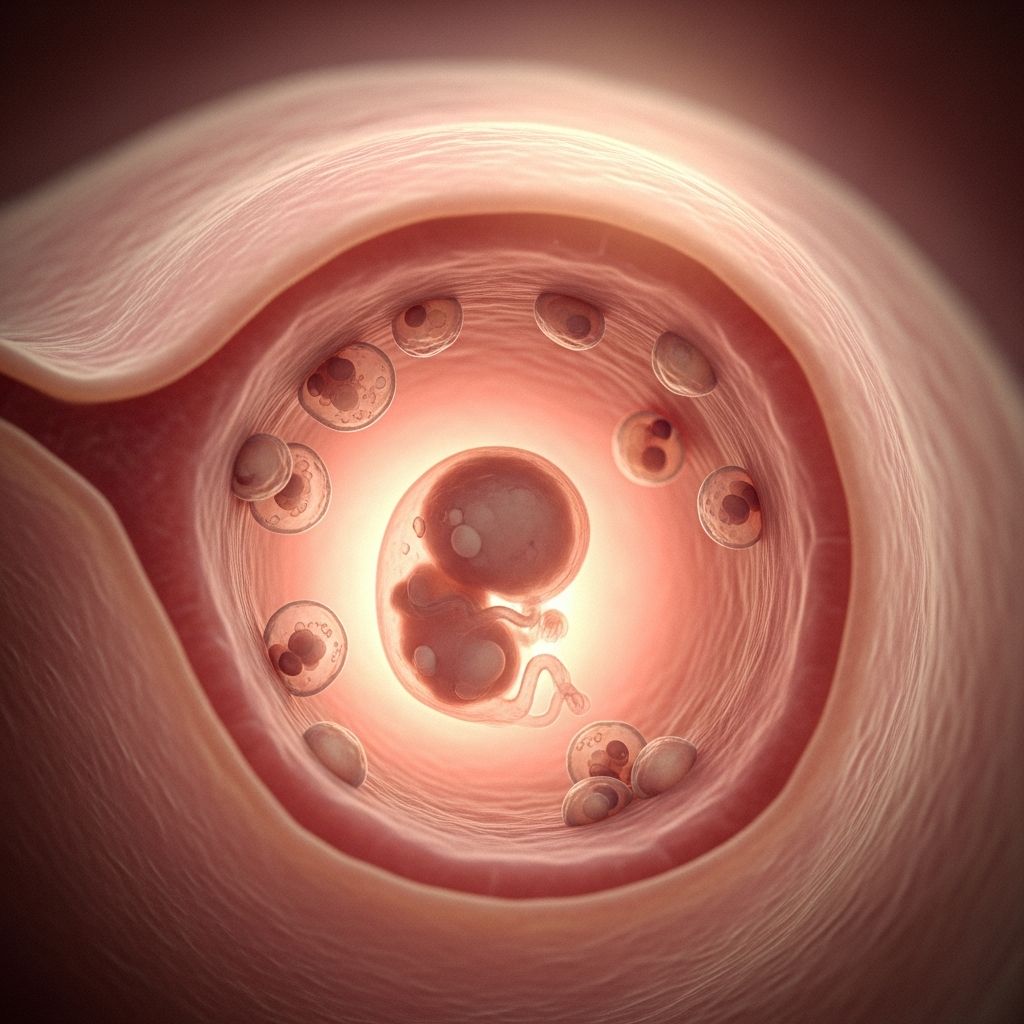
A chemical pregnancy represents one of the earliest forms of pregnancy loss, occurring shortly after implantation when hormone levels confirm conception but no viable embryo develops visible on imaging. This phenomenon affects many attempting to conceive, often passing unrecognized amid what seems like a delayed period.
Defining Chemical Pregnancy in Medical Terms
Known also as a biochemical pregnancy, this type of loss transpires before the fifth week of gestation, typically around four to five weeks from the last menstrual period. The hallmark is a positive home pregnancy test triggered by rising human chorionic gonadotropin (hCG) hormone produced post-implantation, yet the embryo fails to progress, leading to declining hCG and bleeding.
Unlike later miscarriages visible via ultrasound, chemical pregnancies evade such confirmation since the gestational sac never forms adequately. Many individuals remain unaware, mistaking it for a late period, but those testing early detect the brief hormonal surge.
Recognizing the Signs and Timeline
Symptoms mirror a heavy menstrual period: intensified bleeding with possible clots, heightened cramping, and spotting that may start lightly before escalating. The sequence unfolds rapidly—positive test one day, followed by hCG drop over days to weeks, culminating in bleeding.
- Positive pregnancy test due to initial hCG rise.
- Mild symptoms like breast tenderness or fatigue, if noticed.
- Declining hCG levels, often confirmed by blood tests.
- Bleeding heavier than usual, resolving in days.
Timeline varies but centers on implantation (6-12 days post-ovulation), with loss before ultrasound viability at 5-6 weeks.
Primary Causes Behind Chemical Pregnancies
The predominant culprit is chromosomal anomalies in the embryo, where extra or missing chromosomes (aneuploidy) halt development; this accounts for 70-75% of early losses. Fertilization succeeds, but genetic errors prevent sustained growth.
Other contributors include:
- Hormonal disruptions, such as insufficient progesterone for uterine support.
- Inadequate endometrial lining impeding implantation.
- Uterine irregularities like fibroids or atypical shapes.
Rarely, implantation occurs ectopically, outside the uterus.
Risk Factors Increasing Susceptibility
| Risk Factor | Description | Impact |
|---|---|---|
| Advanced Maternal Age | Over 35 years | Higher chromosomal error rates in eggs. |
| Thyroid Disorders | Untreated hypo/hyperthyroidism | Disrupts hormonal balance. |
| PCOS or Diabetes | Uncontrolled conditions | Affects ovulation and implantation. |
| Blood Clotting Issues | Thrombophilias | Impairs placental development. |
| Low/High BMI | Underweight or obese | Hormonal and uterine effects. |
| STIs or Endometriosis | Infections or tissue growth | Inflammation hinders implantation. |
These factors elevate odds but do not guarantee loss; most stem from embryo quality beyond control.
Diagnostic Confirmation Methods
Diagnosis relies on serial hCG blood tests showing initial rise then fall, without ultrasound evidence of pregnancy. Home tests may flip positive to negative amid bleeding. Providers differentiate from ectopic pregnancy via trends and symptoms; ultrasound rules out viability if borderline.
No tissue passes typically, unlike later miscarriages, making it “chemical”—detectable only biochemically.
Management and Medical Interventions
Most resolve spontaneously without intervention, as bleeding clears remnants. Recurrent cases (three or more) warrant investigation for underlying issues like clotting disorders or thyroid function via bloodwork, imaging, or genetic counseling.
- Monitor hCG until undetectable.
- Pain relief for cramps (ibuprofen if non-pregnant confirmed).
- Avoid pregnancy until cycle normalizes (2-4 weeks).
Treatments target risks: levothyroxine for thyroid, metformin for PCOS, or progesterone supplements in select recurrent scenarios, though evidence varies.
Emotional and Psychological Dimensions
Despite earliness, grief strikes deeply—joy of positive test shattered by loss validation. Feelings of isolation arise if dismissed as “just a period,” yet it signifies conceived life. Partners share mourning; support mitigates depression risk.
Coping strategies:
- Acknowledge emotions; journal or talk openly.
- Join groups like Share Pregnancy & Infant Loss Support.
- Seek therapy specializing in reproductive loss.
- Practice self-care: rest, nutrition, light exercise.
Fertility Prospects Post-Chemical Pregnancy
Reassuringly, chemical pregnancies rarely impair future fertility; 85-90% conceive successfully soon after. Wait one cycle for emotional/physical recovery, then resume trying. Recurrent losses (beyond two) prompt fertility evaluation, but isolated events signal robust reproductive health.
Enhance chances:
- Maintain healthy weight and diet.
- Folic acid supplementation preconception.
- Manage chronic conditions proactively.
- Track ovulation accurately.
Preventive Measures and Lifestyle Adjustments
While unpreventable genetically, optimize conditions: quit smoking/alcohol, limit caffeine, exercise moderately, control weight. Preconception checkups screen for thyroid, diabetes, clotting risks.
Frequently Asked Questions (FAQs)
Is a chemical pregnancy a real miscarriage?
Yes, it qualifies as a miscarriage since implantation and hCG production occur before loss.
How soon can I try again after a chemical pregnancy?
Most providers recommend waiting one normal cycle, but emotionally ready individuals may proceed sooner if hCG clears.
Does a chemical pregnancy mean infertility?
No, it often precedes healthy pregnancies; recurrence is uncommon without underlying issues.
Can chemical pregnancies be prevented?
Not directly, as most arise from random genetic errors, but managing risks like thyroid or clotting helps.
What if I have multiple chemical pregnancies?
Seek specialist evaluation for treatable causes like hormonal imbalances or uterine factors.
Navigating Support and Next Steps
Consult OB-GYN for personalized guidance post-loss. Resources abound: Resolve Through Share, Tommy’s research on miscarriage causes. Knowledge empowers; chemical pregnancy, though painful, frequently heralds future success.
(Word count: 1687)
References
- What is a Chemical Pregnancy? — Stony Brook Medicine. 2023. https://health.stonybrookmedicine.edu/what-is-a-chemical-pregnancy/
- What is a Chemical Pregnancy? — Pacific Northwest Fertility. 2024. https://pnwfertility.com/post/what-is-a-chemical-pregnancy
- Chemical Pregnancy: Causes, Symptoms, Risk and Treatment — WebMD. 2024. https://www.webmd.com/baby/what-is-chemical-pregnancy
- Chemical Pregnancy: Definition, Signs, Causes and Management — Tommy’s. 2023. https://www.tommys.org/baby-loss-support/miscarriage-information-and-support/types-of-miscarriage/chemical-pregnancy-information-and-support
- Chemical Pregnancy Loss — CCRM IVF. 2024. https://www.ccrmivf.com/blog/chemical-pregnancy-loss/
- Chemical Pregnancy: Causes, Symptoms & Treatment — Cleveland Clinic. 2024. https://my.clevelandclinic.org/health/diseases/22188-chemical-pregnancy