The cervix undergoes critical changes during late pregnancy to facilitate childbirth, transitioning from a firm, closed structure to a soft, thinned, and dilated state known as ripening. This process is essential for successful labor, particularly when induction is necessary due to medical reasons or post-term pregnancy.
Understanding the Cervix’s Role in Childbirth
Throughout most of pregnancy, the cervix remains long, thick, and closed to protect the fetus. As term approaches, hormonal shifts trigger enzymatic breakdown of cervical collagen, increasing water content and softening the tissue. This ripening allows effacement (thinning) and dilation, enabling the baby to pass through the birth canal.
A “favorable” cervix is soft, effaced (thinned to 50-100%), dilated (at least 2-3 cm), and positioned forward. Conversely, an “unfavorable” or unripe cervix is firm, thick, posterior, and closed, complicating induction efforts.
Assessing Cervical Readiness: The Bishop Score
Healthcare providers evaluate cervical favorability using the Bishop score, a 0-13 point system based on five factors: dilation, effacement, station (baby’s head position), cervical consistency, and position. A score of 6 or below indicates the need for ripening; scores above 8 suggest readiness for induction without prior preparation.
| Factor | 0 Points | 1 Point | 2 Points | 3 Points |
|---|---|---|---|---|
| Dilation (cm) | 0 | 1-2 | 3-4 | 5+ |
| Effacement (%) | 0-30 | 40-50 | 60-70 | 80+ |
| Station (cm) | -3 | -2 | -1/0 | +1/+2 |
| Cervical Consistency | Firm | Medium | Soft | – |
| Cervical Position | Posterior | Mid | Anterior | – |
Higher scores correlate with higher vaginal delivery rates and shorter induction times.
Medical Methods for Cervical Ripening
Proven techniques mimic natural processes using mechanical or pharmacological agents.
Prostaglandin Medications
Prostaglandins, synthetic versions of body-produced hormones, are administered vaginally (gels, inserts like dinoprostone) or orally (misoprostol). They promote collagen remodeling, effacement, and early contractions. Vaginal forms allow outpatient use in low-risk cases, ripening over 12-24 hours.
- Dinoprostone (Cervidil): Retrievable insert for controlled release.
- Misoprostol (Cytotec): Low-dose tablets, cost-effective but higher hyperstimulation risk.
Mechanical Dilatation with Foley Catheter
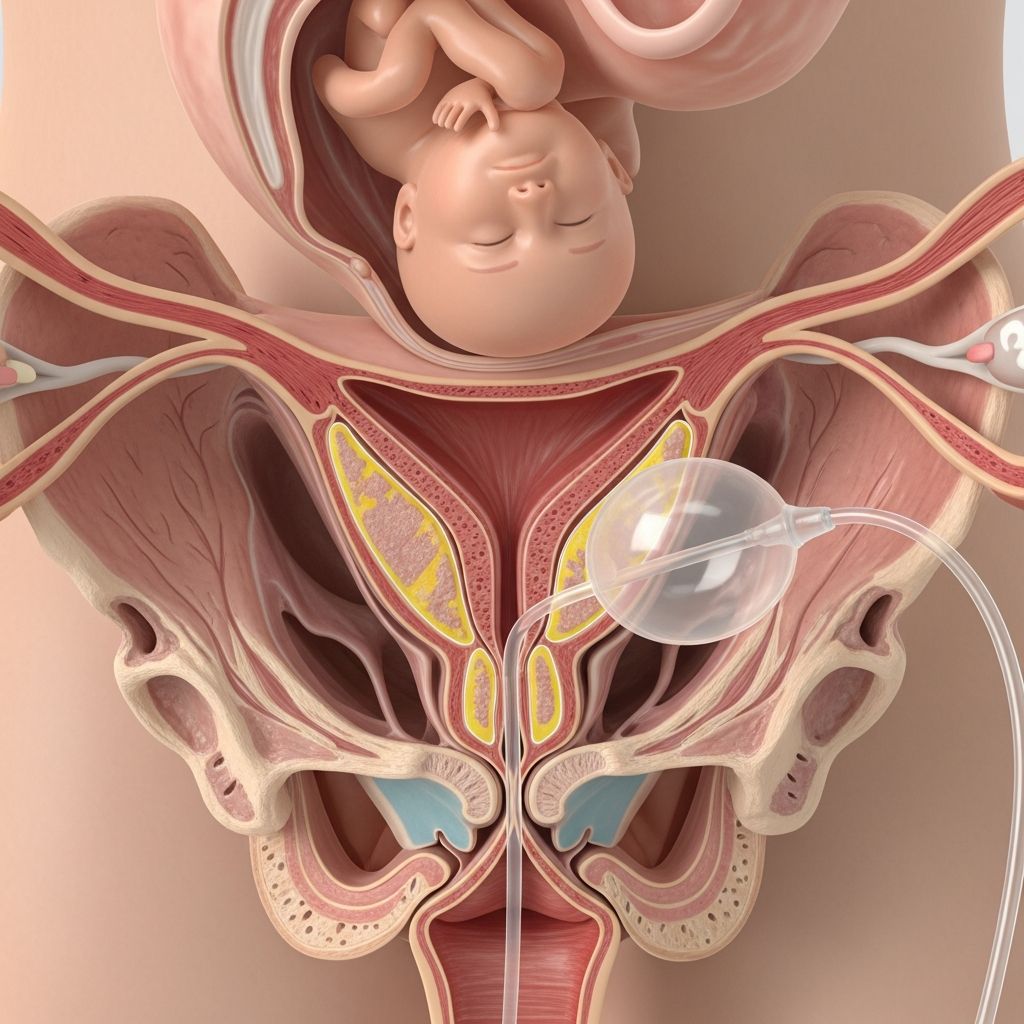
A balloon-tipped catheter is inserted through the cervix and inflated with 30-60 mL saline, applying gentle pressure to dilate internally. It falls out at 3-5 cm dilation, often triggering contractions. This non-drug method reduces infection risk and suits outpatient settings.
Natural and Non-Invasive Approaches
While not substitutes for medical intervention, evidence supports adjunctive natural methods.
Membrane Sweeping
During a vaginal exam, a finger sweeps the membranes from the lower uterus, releasing prostaglandins. Performed at 39+ weeks or term, it increases spontaneous labor odds within 48 hours (NNT=8).
Breast and Nipple Stimulation
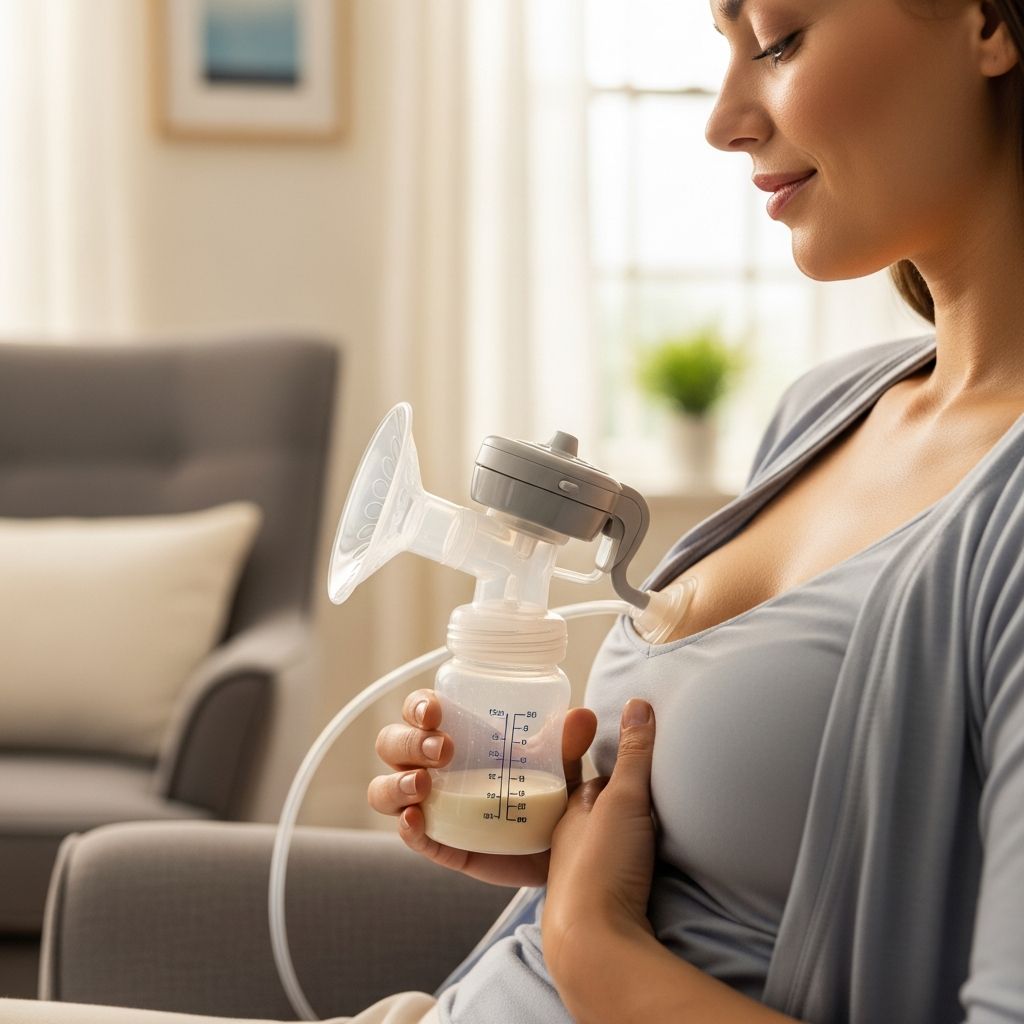
Gentle massage releases endogenous oxytocin, promoting mild contractions and ripening. A trial showed 15-20 minutes thrice daily from 38 weeks boosted vaginal births (NNT=8).
Note: Consult providers before attempting; avoid if high-risk.
When Is Cervical Ripening Indicated?
Indications include post-term pregnancy (41+ weeks), preeclampsia, gestational diabetes, oligohydramnios, or maternal requests at 39 weeks.
| Condition | Recommended Gestational Age |
|---|---|
| Post-term (>41 weeks) | 41 0/7 weeks |
| Preeclampsia | 37+ weeks |
| Chronic HTN (controlled) | 39 weeks |
| Elective (low-risk) | 39 0/7 weeks |
Elective induction at 39 weeks reduces cesarean rates in first-time mothers.
Outpatient vs. Inpatient Ripening
Low-risk patients may ripen outpatient with prostaglandins or Foley, walking freely and avoiding hospital admission until active labor. Benefits: comfort, cost savings. Requires fetal monitoring access and prompt return if contractions intensify.
- Monitor fetal movements daily.
- Report bleeding, severe pain, or reduced movements immediately.
Potential Risks and Complications
While generally safe, ripening carries risks:
- Uterine hyperstimulation: Excessive contractions risking fetal distress (more with prostaglandins).
- Infection: Rare with mechanical methods.
- Rupture of membranes: Possible with balloon.
- Failed induction: Leading to cesarean (5-10% cases).
Fetal heart rate monitoring mitigates issues. Contraindications: prior cesarean (for misoprostol), placenta previa, active genital herpes.
Patient Experiences and Preparation Tips
Many report cramping, spotting, or diarrhea post-ripening, resolving quickly. Outpatient allows home rest, light meals, showers. Pack hospital bags, arrange support. Transvaginal ultrasound predicts ripening needs (cervical length >28 mm suggests intervention).
Frequently Asked Questions (FAQs)
Can I ripen my cervix at home without medical help?
Safe natural methods like membrane sweeping (by provider) or nipple stimulation may aid, but self-administered ripening agents are unsafe and unproven. Always consult your obstetrician.
How long does cervical ripening take?
Typically 12-24 hours; some enter labor spontaneously, others need further induction.
Is cervical ripening painful?
Mild cramping common, like strong periods. Pain meds available if needed.
Does ripening guarantee vaginal birth?
No, but it improves odds, reducing cesarean risk when cervix is favorable.
Can I eat during ripening?
Low-risk outpatients often can; follow provider guidelines.
Conclusion: Empowering Informed Choices
Cervical ripening optimizes induction outcomes, balancing medical necessity with comfort. Discuss options with your care team using Bishop scoring and personal factors for best results.
References
- Labor induction – Mayo Clinic — Mayo Clinic. 2024-01-15. https://www.mayoclinic.org/tests-procedures/labor-induction/about/pac-20385141
- Induction of Labor at 39 Weeks — ACOG. 2023-10-01. https://www.acog.org/womens-health/faqs/induction-of-labor-at-39-weeks
- Cervical Ripening in the Outpatient Setting — NCBI/NIH. 2023-05-20. https://www.ncbi.nlm.nih.gov/books/NBK569286/
- Cervical Ripening and Induction of Labor — AAFP. 2022-02-01. https://www.aafp.org/pubs/afp/issues/2022/0200/p177.html
- Cervical Ripening — Greenville OB/GYN. 2024-08-10. https://greenvilleob.com/patient-education/procedure-information/cervical-ripening/
- Cervical ripening methods when induction is part of the birth plan — UT Southwestern Medical Center. 2023-11-15. https://utswmed.org/medblog/cervical-ripening-techniques/