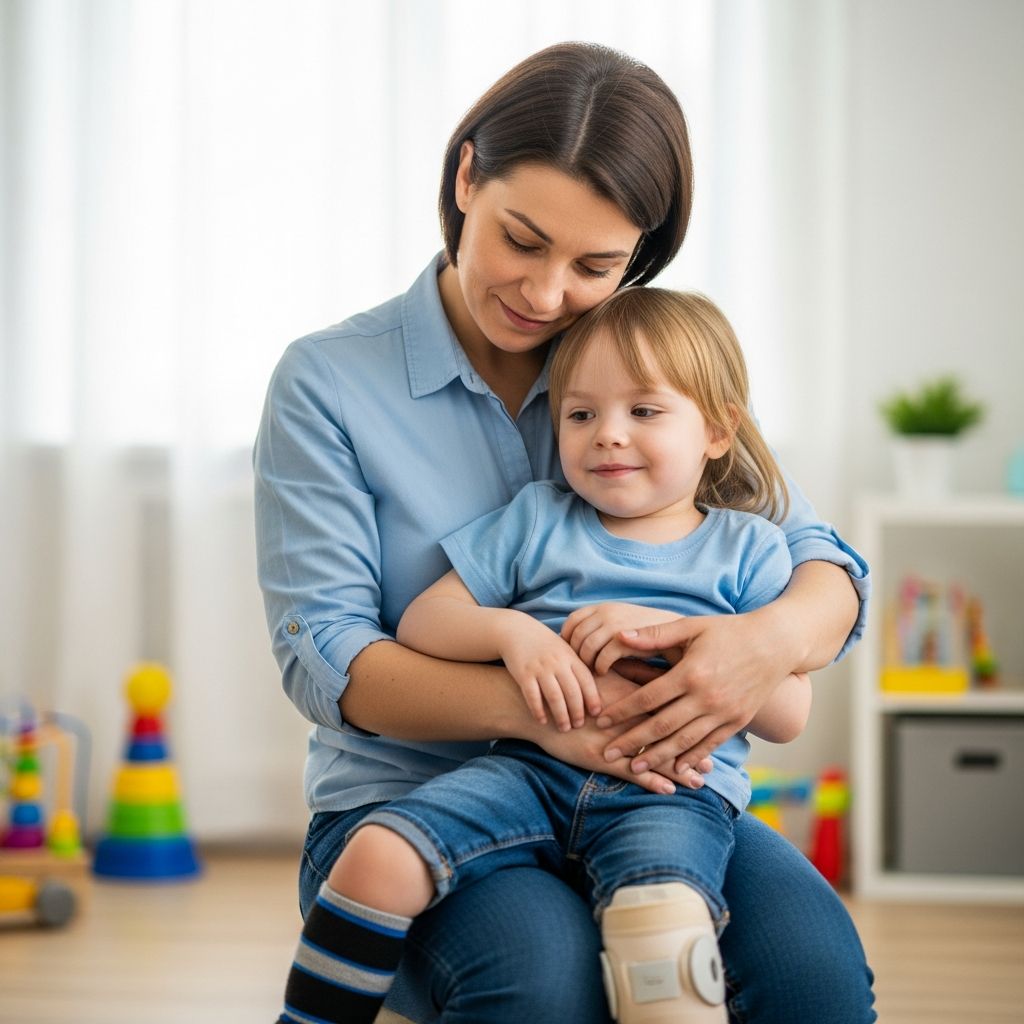
Cerebral palsy (CP) affects muscle tone, movement, and coordination due to brain damage early in life. Parents play a pivotal role in helping their children thrive by implementing tailored care strategies, accessing therapies, and building supportive environments.
Understanding Cerebral Palsy in Children
Cerebral palsy arises from non-progressive disruptions in brain development, often before or during birth, impacting motor skills and sometimes cognition or sensation. Early identification allows for interventions that maximize potential. Common types include spastic CP, causing stiff muscles; dyskinetic CP, leading to involuntary movements; and ataxic CP, affecting balance. Each child’s experience varies, influenced by the brain areas affected and severity.
Recognizing signs early is crucial. Infants might show delays in rolling over, sitting, or crawling, or prefer using one side of the body. Toddlers could have trouble walking, with scissoring legs or toe-walking. Associated issues like seizures, vision or hearing problems, or intellectual challenges may co-occur, requiring holistic assessments.
Daily Management Strategies for Families
Managing CP at home involves adapting routines to support mobility, comfort, and independence. Positioning is key: use supportive seats, wedges, or stands to prevent contractures and promote proper alignment. Encourage stretching and range-of-motion exercises daily to maintain flexibility.
- Feeding adaptations: Thickened liquids or special utensils for swallowing difficulties; consult speech therapists for safe techniques.
- Bathing and dressing: Use non-slip mats, adaptive clothing with Velcro, and lightweight materials to ease transitions.
- Sleep setups: Specialized beds or pillows to ensure restful nights and reduce reflux risks.
Nutrition plays a vital role. High-calorie, nutrient-dense foods combat growth challenges, while monitoring for constipation from limited mobility. Hydration supports medication efficacy and overall health.
Therapy Options and Their Benefits
Therapies form the cornerstone of CP management, customized to individual needs. Physical therapy (PT) strengthens muscles, improves balance, and teaches gait patterns using tools like walkers or orthotics. Occupational therapy (OT) focuses on fine motor skills, self-care, and adaptive equipment like button hooks or modified utensils.
Speech-language therapy addresses communication barriers, from articulation to alternative methods like picture boards or augmentative devices. For severe cases, it tackles feeding and oral motor control. Emerging options like constraint-induced movement therapy encourage use of affected limbs, while hippotherapy leverages horse movement for core strength and sensory input.
| Therapy Type | Primary Goals | Typical Frequency |
|---|---|---|
| Physical Therapy | Mobility, strength, posture | 2-3 sessions/week |
| Occupational Therapy | Daily living skills, hand function | 1-2 sessions/week |
| Speech Therapy | Communication, swallowing | As needed, 1-2/week |
| Hippotherapy | Balance, coordination, confidence | Weekly |
Medical Interventions and Monitoring
Regular medical oversight prevents complications. Orthopedic interventions like Botox injections relax spastic muscles, while surgery corrects bone deformities or tendon lengths. Medications manage spasticity (baclofen), pain, or seizures. Multidisciplinary clinics coordinate care among neurologists, orthopedists, and therapists.
Surveillance for hip displacement, scoliosis, or drooling is standard, with imaging like ultrasounds or X-rays guiding decisions. Respiratory support, including vests or BiPAP, aids those with weak coughs.
Fostering Independence and Skill Development
Empower your child by setting achievable goals. Break tasks into steps: from assisted reaching to independent grasping. Adaptive technology, like eye-gaze systems or power wheelchairs, opens worlds of interaction and mobility.
Incorporate play: sensory bins for tactile exploration, obstacle courses for gross motor practice. Positive reinforcement builds self-esteem, celebrating small victories like holding a spoon or saying a word.
Educational Pathways and School Support
Children with CP deserve inclusive education. Individualized Education Programs (IEPs) outline accommodations like extended test times, assistive tech, or paraprofessional aid. Early intervention services from birth to three pave the way, transitioning to preschool programs.
- Advocate for physical accessibility: ramps, adjusted desks.
- Promote social inclusion: peer buddy systems, adaptive sports.
- Monitor academic progress: address learning disabilities if present.
Transition planning for teens focuses on vocational training, independent living skills, and post-secondary options.
Emotional Well-being for Child and Family
CP’s impact extends emotionally. Children may grapple with frustration or bullying; teach coping via mindfulness or social stories. Family counseling addresses sibling dynamics, parental stress, and marital strain.
Join support groups for shared experiences and resources. Self-care for parents—respite care, exercise, hobbies—sustains long-term caregiving capacity. Celebrate family strengths, fostering resilience and joy.
Long-Term Planning and Adulthood
Think ahead: legal tools like special needs trusts protect benefits. Adult services cover housing, employment, and healthcare continuity. Many with CP lead fulfilling lives in careers, relationships, and communities.
Research advances, including stem cells and robotics, promise enhanced outcomes. Stay informed via reputable organizations.
Frequently Asked Questions (FAQs)
What causes cerebral palsy?
CP results from brain injury or malformation around birth, due to oxygen deprivation, infections, or prematurity. Not all cases have identifiable causes.
Can children with CP walk independently?
Many do with therapy and aids; outcomes vary by type and severity. About 30-50% achieve some independent walking.
How do I choose the right therapies?
Consult specialists for assessments matching your child’s needs, goals, and availability.
Are there financial supports available?
Yes, programs like SSI, Medicaid waivers, and early intervention funding assist families.
What role does nutrition play?
It supports growth, energy for therapies, and prevents issues like osteoporosis from immobility.
References
- Cerebral Palsy Overview — Centers for Disease Control and Prevention (CDC). 2024-05-15. https://www.cdc.gov/ncbddd/cp/facts.html
- Cerebral Palsy: Diagnosis and Treatment — Mayo Clinic. 2025-01-10. https://www.mayoclinic.org/diseases-conditions/cerebral-palsy/diagnosis-treatment/drc-20353999
- Management of Cerebral Palsy in Children — National Institute of Neurological Disorders and Stroke (NINDS), NIH. 2024-08-22. https://www.ninds.nih.gov/health-information/disorders/cerebral-palsy
- Family Guide to Cerebral Palsy — American Academy of Pediatrics (AAP). 2023-11-30. https://www.aap.org/en/patient-care/cerebral-palsy/
- Therapies for Cerebral Palsy — United Cerebral Palsy (UCP). 2024-03-05. https://ucp.org/resource/therapies-cerebral-palsy/