Understanding Bacterial Skin Infections in Children
Skin infections are among the most common health concerns parents face, and understanding how to identify and respond to them is essential for your child’s wellbeing. One particular type of bacterial skin infection that affects children is cellulitis, a condition that requires prompt recognition and appropriate medical treatment. Unlike some skin conditions that can be managed at home, cellulitis demands professional healthcare intervention to prevent complications and ensure proper healing.
This infection develops when bacteria penetrate beneath the skin’s outer layer and establish themselves in the deeper layers of tissue. Parents who understand the characteristics of this condition can seek timely medical care, which significantly improves outcomes and reduces the risk of the infection spreading to other parts of the body.
What Exactly Is Cellulitis?
Cellulitis represents an acute bacterial infection affecting the dermis and subcutaneous tissue layers of the skin. It is not a localized abscess or pocket of pus, but rather a spreading inflammation of the deeper skin layers. This distinction is important because it determines how healthcare providers approach treatment.
The infection typically develops following a breach in the skin’s protective barrier. This break can be obvious—such as a cut, scrape, or surgical wound—or it might be so minor that parents don’t notice it occurred. The bacteria then multiply within the tissue, triggering an inflammatory response that causes the characteristic signs parents learn to recognize.
While cellulitis can occur anywhere on the body, the lower legs are the most commonly affected areas in both children and adults. However, infections can develop on the arms, face, or any other body region where bacteria gain entry to the deeper skin layers.
Identifying the Bacterial Culprits
Two bacterial species are responsible for the majority of cellulitis cases in children. Group A streptococcus (Streptococcus pyogenes) and Staphylococcus aureus are the primary offenders. These bacteria normally live harmlessly on everyone’s skin surface, but when they penetrate deeper layers through a skin break, they can cause infection.
In recent years, healthcare providers have become increasingly concerned about methicillin-resistant Staphylococcus aureus (MRSA), a bacterial strain that resists many commonly used antibiotics. When a child has risk factors for MRSA colonization or if initial antibiotic treatment proves ineffective, doctors consider this possibility when selecting treatment options.
Less commonly, other bacteria may be responsible, particularly in children with weakened immune systems, chronic wounds, or those who have experienced animal bites. Understanding which bacteria caused the infection helps healthcare providers select the most effective antibiotic therapy.
How Skin Breaks Lead to Infection
The skin functions as the body’s primary defense system, preventing bacteria from entering deeper tissues. When this barrier is compromised, the opportunity for infection increases substantially. Parents should understand the various ways cellulitis can develop:
- Minor cuts, scrapes, or abrasions from falls or playground injuries
- Insect bites that become scratched or contaminated
- Surgical wounds or medical procedure sites
- Puncture wounds from stepping on sharp objects
- Ulcers or open sores from underlying skin conditions
- Areas affected by eczema, athlete’s foot, or other dermatological conditions
- Scratching with dirty fingernails carrying bacteria
Interestingly, cellulitis can occasionally develop without any visible skin damage, suggesting that microscopic breaks or other entry points exist. This is why parents shouldn’t dismiss symptoms simply because they can’t identify an obvious wound.
Recognizing Cellulitis Symptoms in Your Child
Parents who understand what cellulitis looks and feels like can identify the condition early and seek appropriate care. The typical presentation includes several characteristic features:
Local Skin Changes
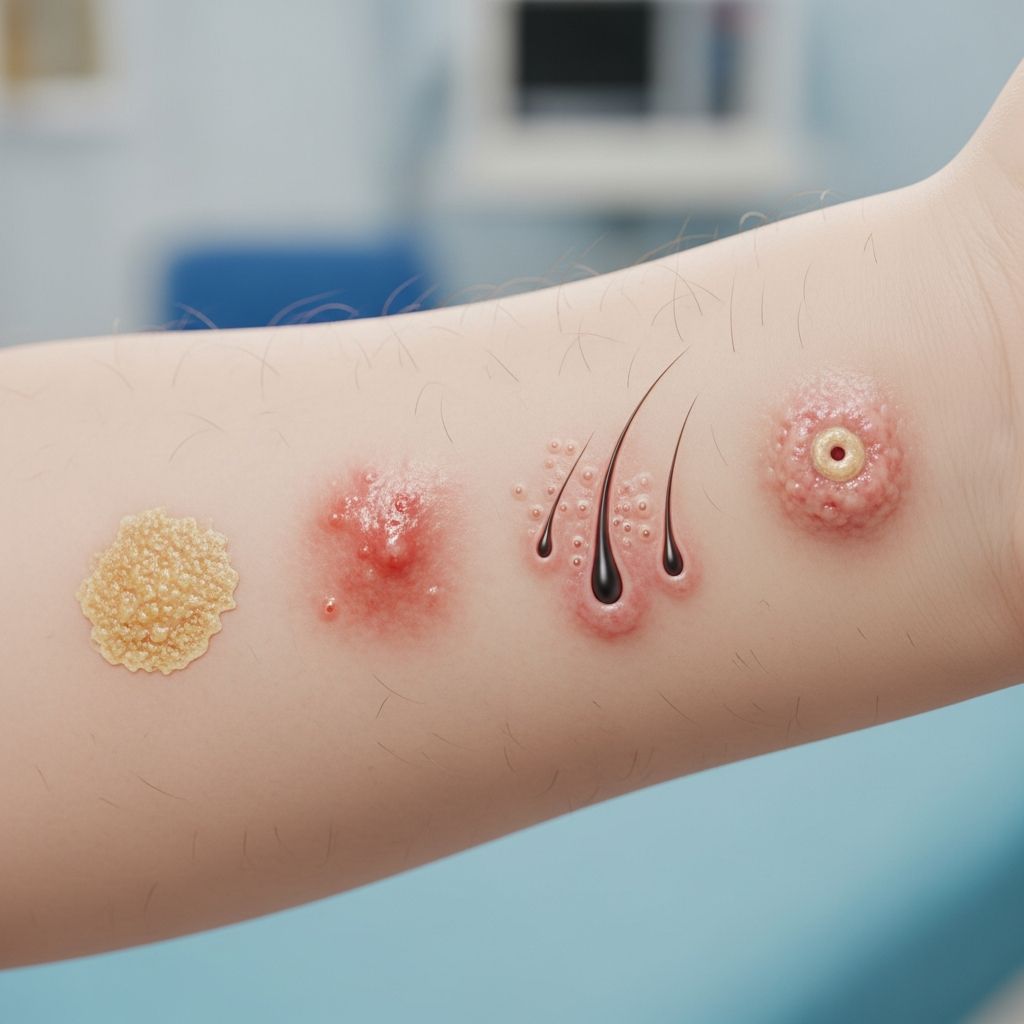
The affected area typically displays visible redness that may extend beyond the immediate infection site. This erythema often feels warm to the touch, distinguishing cellulitis from other skin conditions. The skin may appear shiny or glossy, and parents may notice pitting or dimpling of the skin surface. Swelling and puffiness develop as fluid accumulates in the tissue, and the area becomes tender or painful when touched.
Systemic Symptoms
More severe infections trigger body-wide symptoms that indicate the infection is affecting your child’s general health. These may include fever, chills, and fatigue. Some children experience nausea or a general feeling of illness. Lymph nodes near the infected area may become swollen and tender as the body’s immune system responds to the infection.
Progressive Characteristics
An important feature of cellulitis is that it tends to spread. Parents may notice the redness and swelling expanding over hours or days. The infection doesn’t remain localized but gradually involves larger areas of surrounding tissue, which is why prompt treatment becomes so important.
Risk Factors That Increase Susceptibility
Some children face higher risks of developing cellulitis. Understanding whether your child falls into a higher-risk category helps you remain especially vigilant for early symptoms.
Children with certain medical conditions are more vulnerable to cellulitis. Those with diabetes, weakened immune systems from conditions like HIV/AIDS or leukemia, or taking medications that suppress immune function face increased risk. Children with eczema, athlete’s foot, or other chronic skin conditions have more opportunities for bacteria to enter through compromised skin.
Structural or circulatory issues also increase susceptibility. Children with poor circulation in their extremities, obesity-related circulation problems, or conditions causing arm or leg swelling such as lymphedema are more prone to developing cellulitis. Those with mobility difficulties face increased risk because they’re more likely to suffer skin injuries.
Recent injuries or medical procedures create obvious entry points for bacteria. Any child with a fresh cut, burn, fracture with skin damage, or recent surgical wound should have that area monitored carefully.
When to Contact Your Healthcare Provider
Not every skin redness or minor swelling requires professional evaluation, but cellulitis definitely does. If your child shows any combination of the symptoms previously described—warmth, redness, swelling, and tenderness in an area, especially when accompanied by fever—contact your healthcare provider promptly. Early intervention can prevent the infection from advancing and spreading to other body areas.
Seek immediate medical attention if your child develops cellulitis on the face or near the eyes, as infections in these sensitive areas require careful professional management. Similarly, if your child has underlying health conditions that weaken immunity, any signs of skin infection warrant urgent evaluation.
How Healthcare Providers Diagnose Cellulitis
The diagnosis process is often straightforward. Your healthcare provider will examine the affected area visually and through careful palpation, assessing the extent of redness, swelling, warmth, and tenderness. In many cases, this clinical examination is sufficient for diagnosis.
Your provider may order blood tests or other diagnostic studies to rule out other conditions or to confirm bacterial infection. Sometimes a culture from the affected area is obtained to identify the specific bacteria causing the infection, which helps guide antibiotic selection if initial treatment proves ineffective.
Many providers mark the boundary of the red area with a pen on the skin. This marking helps you and your child’s healthcare team determine whether the infection is improving (the redness shrinking back) or worsening (the redness expanding beyond the marked boundary).
Treatment Approaches for Childhood Cellulitis
Oral Antibiotic Therapy
Most children with mild to moderate cellulitis respond well to oral antibiotics prescribed and taken at home. The specific antibiotic depends on the suspected bacteria and any known allergies your child may have. Common choices include beta-lactam antibiotics such as cephalexin, which effectively target streptococcal and staphylococcal infections.
For children with penicillin allergies, healthcare providers may select clindamycin or macrolide antibiotics as alternatives. When MRSA is a concern based on risk factors or geographical prevalence, providers may add trimethoprim-sulfamethoxazole to the treatment regimen.
The typical course of oral antibiotics lasts five to ten days, though your healthcare provider will specify the exact duration based on your child’s condition. It’s crucial that your child completes the entire course even if symptoms improve after just a few days, as stopping antibiotics prematurely can allow the infection to return.
Supportive Care Measures
Beyond antibiotics, several supportive measures help your child recover. Elevating the affected limb above heart level reduces swelling and discomfort. Rest allows the body to direct immune resources toward fighting the infection. Pain relief medication such as acetaminophen or ibuprofen can help manage discomfort while the antibiotics work.
Proper hygiene becomes important during treatment. Wash your hands before and after touching the infected area or changing any dressings. Keep the area clean and protected from further injury.
Advanced Treatment for Severe Infections
Some children require hospitalization and intravenous antibiotic therapy. This becomes necessary when the infection is severe, spreading rapidly, or accompanied by high fever or other signs of systemic infection. Children whose symptoms don’t improve with oral antibiotics may also need IV treatment. Additionally, infections involving the face or areas near vital organs often warrant hospital-based care for closer monitoring.
In rare cases where an abscess or pocket of infection develops, surgical drainage may be required to remove the accumulated fluid.
Monitoring Progress During Treatment
After starting antibiotics, symptoms typically begin improving within a few days. The redness may start receding, swelling decreases, and your child feels more comfortable. However, improvement doesn’t mean stopping antibiotics. Continue giving the full prescribed course to ensure complete eradication of the bacteria.
If the marked boundary on your child’s skin shows the redness expanding beyond the original line, or if symptoms worsen despite antibiotic treatment, contact your healthcare provider. This may indicate that the bacteria aren’t responding to the current antibiotic, requiring a change in medication.
Some children experience recurrent cellulitis. If your child develops cellulitis twice or more within a year, discuss preventive strategies with your healthcare provider, which may include longer-term antibiotic prophylaxis.
Preventing Cellulitis in Your Child
While not all cases can be prevented, several strategies reduce risk. Teach your child to wash cuts and scrapes promptly with soap and water, then apply antibiotic ointment and a bandage. Keeping wounds clean prevents bacterial colonization and reduces infection risk.
For children prone to scratching at skin conditions, keeping fingernails trimmed short and clean helps prevent introducing bacteria through scratched areas. Prompt treatment of skin conditions like athlete’s foot or eczema prevents complications that increase cellulitis risk.
Children with risk factors like diabetes or circulation problems should receive extra attention to skin care and prompt treatment of any injuries or emerging skin problems.
Frequently Asked Questions
Is cellulitis contagious from child to child?
No, cellulitis is not spread from person to person. Your child can attend school or daycare once they’re feeling well enough and treatment has begun, though check with your healthcare provider about specific return-to-activity guidelines.
How quickly does cellulitis develop after a skin injury?
Cellulitis can develop within hours to days after a skin break, depending on the bacterial load and immune response. This is why prompt wound care is important.
Can cellulitis become serious if left untreated?
Yes, untreated cellulitis can spread and lead to serious complications including sepsis, abscess formation, and lymphangitis. Prompt antibiotic treatment prevents these complications.
What should I do if my child has a wound that might be at risk for infection?
Clean the wound with soap and water, apply antibiotic ointment, and cover it with a clean bandage. Watch for signs of infection including increasing redness, warmth, swelling, or drainage, and contact your healthcare provider if these develop.
Are there specific antibiotics that work better than others for cellulitis?
Beta-lactam antibiotics like cephalexin are typically first-line choices. However, the best antibiotic depends on your child’s specific situation, bacterial type, and any allergies. Your healthcare provider selects the most appropriate option.
How long does cellulitis take to resolve with treatment?
Symptoms typically begin improving within a few days of starting antibiotics, but the complete course usually lasts five to ten days. Full healing may take longer depending on severity.
References
- Treating Cellulitis: What to Expect and When to Seek Care — Premier Surgical Network. 2024. https://www.premiersurgicalnetwork.com/blog/treating-cellulitis
- Cellulitis – StatPearls — National Center for Biotechnology Information (NCBI). 2024. https://www.ncbi.nlm.nih.gov/books/NBK549770/
- Cellulitis: Symptoms, Treatment and Causes — Healthdirect Australia. 2024. https://www.healthdirect.gov.au/cellulitis
- Cellulitis: Symptoms & Causes — Mayo Clinic. 2024. https://www.mayoclinic.org/diseases-conditions/cellulitis/symptoms-causes/syc-20370762
- Cellulitis: Diagnosis & Treatment — Mayo Clinic. 2024. https://www.mayoclinic.org/diseases-conditions/cellulitis/diagnosis-treatment/drc-20370766
- Cellulitis — NHS. 2024. https://www.nhs.uk/conditions/cellulitis/