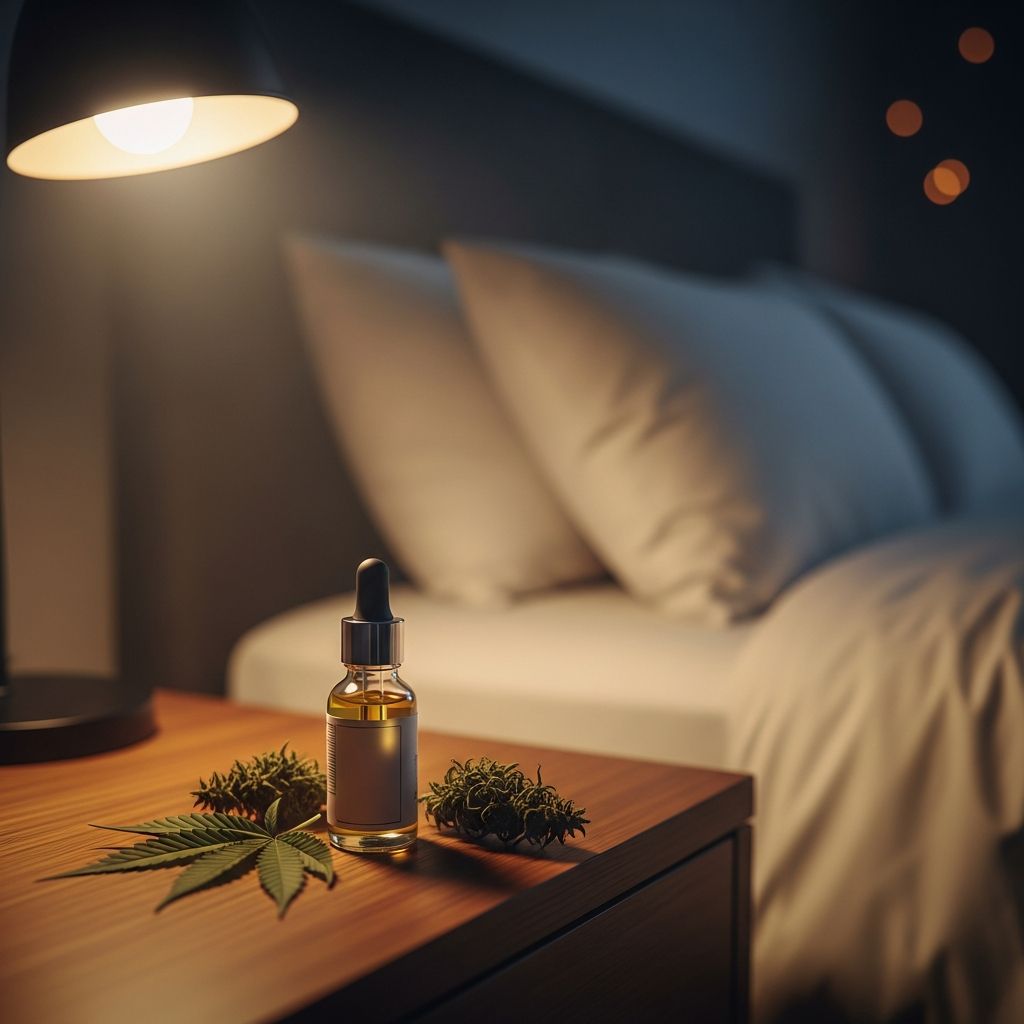
Cannabidiol (CBD), a non-intoxicating compound from cannabis, is gaining attention for its potential to support healthier sleep patterns. While not a cure-all, preliminary research indicates CBD may help with falling asleep faster, staying asleep longer, and waking refreshed, particularly for those facing insomnia or anxiety-driven sleep issues.
Understanding the Endocannabinoid System and Sleep Regulation
The body’s endocannabinoid system (ECS) plays a key role in maintaining balance across functions like mood, appetite, pain, and sleep. This network of receptors and chemicals responds to cannabinoids, helping regulate responses to stress, inflammation, and disruptions in daily rhythms.
CBD interacts with the ECS indirectly, influencing serotonin receptors linked to anxiety reduction and mood stabilization. By promoting relaxation without the psychoactive effects of THC, CBD may ease the transition into sleep, addressing common barriers like racing thoughts or physical discomfort.
Scientific Insights into CBD’s Effects on Sleep Stages
Research shows CBD’s impact on sleep varies by dose. Low doses (under 50mg) often act as stimulants, boosting alertness, while higher doses (100mg+) tend to sedate, increasing total sleep time and reducing nighttime awakenings.
In animal studies, mid-to-high doses of CBD boosted overall sleep percentage and modulated REM sleep latency. For instance, high doses delayed REM onset initially, while medium doses shortened it the next day, suggesting adaptive effects on sleep architecture. Human trials echo this: 160mg daily CBD improved sleep duration and cut arousals in insomnia sufferers.
CBD for Specific Sleep Challenges
Tackling Insomnia Symptoms
Insomnia affects millions, marked by trouble initiating or maintaining sleep. A systematic review of 34 studies found CBD, alone or balanced with THC, improved symptoms in many participants. Of hypothesis-tested trials, most reported better outcomes, though few focused solely on insomnia patients.
Subjective reports highlight quicker sleep onset (48% of users) and better overall quality (40%), often tied to anxiety relief. However, objective measures like polysomnography are needed for stronger evidence.
Easing Anxiety-Related Sleep Disruptions
Anxiety fuels poor sleep cycles, creating worry about sleeplessness. CBD’s anxiolytic properties shine here: nearly 80% of users in one study saw anxiety drop within a month, with over 65% noting initial sleep gains.
By calming the nervous system, CBD may break the insomnia-anxiety loop, fostering deeper rest without grogginess.
Potential for REM Disorders and Daytime Fatigue
Emerging data suggests CBD aids REM sleep behavior disorder and excessive daytime sleepiness by stabilizing sleep-wake cycles. It may also counter THC’s sedative hangover, promoting morning alertness.
Finding the Right CBD Dosage for Optimal Sleep
Dosing lacks consensus due to individual variability, but patterns emerge:
- Low dose (10-50mg): Energizing; best for evening wind-down without sedation.
- Medium dose (50-100mg): Balanced relaxation; suits mild insomnia.
- High dose (100-160mg+): Sedative; for severe disturbances, per studies.
Start low, titrate up, and track effects. Factors like body weight, metabolism, and condition severity influence response.
| Dose Range | Effect on Sleep | Best For |
|---|---|---|
| 10-50mg | Stimulatory/Wake-promoting | Daytime fatigue relief |
| 50-100mg | Mild sedation/Anxiolytic | Anxiety-driven wakefulness |
| 100-160mg | Strong sedation/Longer sleep | Chronic insomnia |
Note: Consult a doctor for personalized guidance, especially with medications.
Popular CBD Forms for Bedtime Use
Choosing the right product enhances efficacy:
- Oils/Tinctures: Sublingual for fast absorption (15-30min onset); favored for sleep (48% user preference).
- Gummies/Edibles: Tasty, precise dosing; slower onset (30-90min) but steady release.
- Capsules: Consistent dosing; metabolizes like food (1-2hr onset).
- Topicals: For pain-related sleep issues; localized relief without systemic effects.
Opt for third-party tested, full-spectrum products retaining beneficial terpenes, if tolerated.
Safety Profile and Side Effects of CBD for Sleep
CBD is generally well-tolerated, with low abuse risk. Common side effects include dry mouth, fatigue, or appetite changes, often dose-dependent.
Interactions: CBD may amplify sedatives or blood thinners; avoid with liver issues without medical advice. Pregnant/nursing individuals should abstain due to insufficient safety data.
- Short-term use: Safe in studies up to 160mg/day.
- Long-term: More research needed; monitor for tolerance.
Practical Tips for Integrating CBD into Your Sleep Routine
To maximize benefits:
- Time intake 30-60min before bed.
- Pair with sleep hygiene: dim lights, no screens, consistent schedule.
- Combine with relaxation practices like meditation.
- Journal sleep metrics to refine dosage.
- Source from reputable vendors with COAs.
Avoid mixing with alcohol or caffeine late-day.
Current Research Gaps and Future Directions
While promising, CBD sleep studies are limited: small samples, subjective measures, and THC combos dominate. Only two of 34 reviewed studies targeted insomnia directly. Larger RCTs with objective sleep tracking are essential.
Regulatory hurdles slow progress, but growing interest in ECS modulation could yield breakthroughs.
Frequently Asked Questions About CBD and Sleep
How quickly does CBD work for sleep?
Effects vary: tinctures act in 15-45min, edibles in 30-90min. Consistent use may enhance results over weeks.
Is CBD better than melatonin for sleep?
CBD targets root causes like anxiety; melatonin aids onset. No direct comparison; personalize based on needs.
Can CBD cause vivid dreams?
Some report REM rebound; dose tweaks help. Studies show mixed REM impacts.
Will CBD make me fail a drug test?
Pure CBD shouldn’t, but trace THC in full-spectrum may. Choose isolates for caution.
What’s the best time to take CBD for sleep?
Evening, 1hr pre-bed, aligns with natural circadian dips.
References
- Cannabis, Cannabinoids, and Sleep: a Review of the Literature — Babson KA, Sottile J, Auclair J. Curr Psychiatry Rep. 2017-04-01. https://www.med.upenn.edu/cbti/assets/user-content/documents/s11920-017-0775-9.pdf
- CBD for sleep — can it help you? — Sleepstation. Accessed 2026. https://www.sleepstation.org.uk/articles/sleep-aids/cbd-and-sleep/
- Use of Cannabidiol in the Management of Insomnia: A Systematic Review — PubMed. 2022-09-22. https://pubmed.ncbi.nlm.nih.gov/36149724/
- Cannabidiol (CBD): What we know and what we don’t — Harvard Health Publishing. 2018-08-24. https://www.health.harvard.edu/blog/cannabidiol-cbd-what-we-know-and-what-we-dont-201808242496
- Is CBD a Safe and Effective Sleep Aid? — Sleep Foundation. Accessed 2026. https://www.sleepfoundation.org/sleep-aids/cbd-for-sleep