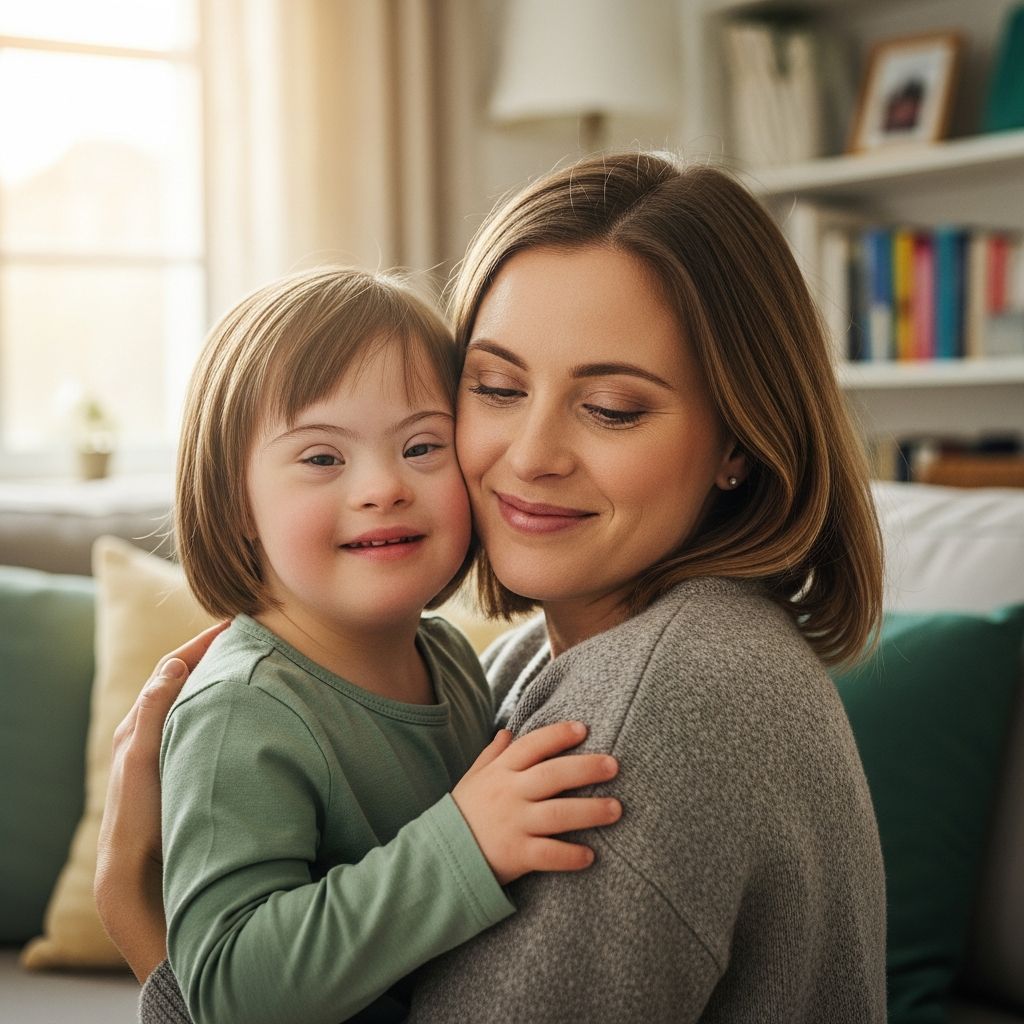
Actress Caterina Scorsone, beloved for her role as Dr. Amelia Shepherd on Grey’s Anatomy, has navigated one of life’s most profound roles off-screen: motherhood to her daughter Paloma ‘Pippa’ Michaela, who lives with Down syndrome. This personal narrative reveals how an unexpected diagnosis reshaped her world, turning apprehension into deep appreciation for her child’s unique gifts.
From Hollywood Lights to Life’s Greatest Surprise
Caterina’s career as a performer honed her ability to step into diverse characters, drawing from empathy and observation. Yet, nothing prepared her for the news in November 2016 when prenatal tests indicated her third child would be born with Down syndrome, a genetic condition caused by an extra chromosome 21. As someone who thrives on preparation, the uncertainty felt overwhelming.
Down syndrome affects approximately 1 in 700 births worldwide, according to the Global Down Syndrome Foundation, influencing physical growth, intellectual development, and health in varied ways. For Caterina, the diagnosis prompted a whirlwind of emotions—fear of the unknown mingled with love for the baby growing inside her.
Welcoming Pippa: The Moment of Truth
Pippa arrived, perfect in her individuality. Caterina recalls the birth as a pivotal moment, where medical realities met unfiltered joy. Early interventions, common for children with Down syndrome, began immediately, including therapies to support development.
- Physical therapy: Builds muscle tone and motor skills.
- Speech therapy: Aids communication development.
- Occupational therapy: Enhances daily living skills.
These supports, recommended by organizations like the National Down Syndrome Society, help children thrive. Pippa’s family embraced them, fostering her progress alongside her sisters, Eliza and Francesca.
Shattering Myths: What Down Syndrome Really Means
Initial fears often stem from misconceptions. Caterina confronted stereotypes head-on, learning that individuals with Down syndrome lead fulfilling lives with proper support. Life expectancy has risen dramatically—from 10 years in the 1960s to over 60 today, per CDC data—thanks to medical advances.
| Myth | Reality |
|---|---|
| All have severe intellectual disabilities | Abilities range widely; many achieve independence |
| They can’t learn or work | Employment rates improving; self-advocates excel |
| Health issues dominate | Manageable with routine care; joyful lives common |
This table highlights key shifts in perception, backed by advocacy groups.
The Family Bond Strengthened by Difference
Pippa’s presence has woven tighter threads among her siblings. Eliza and Francesca, now young girls, model acceptance and playfulness. Caterina notes how Pippa’s infectious laugh and determination inspire daily lessons in resilience.
Family routines adapted seamlessly: shared mealtimes, playdates, and milestones celebrated with extra cheer. Caterina’s husband, Rob Giles, a musician, brings balance, creating a nurturing home where Pippa flourishes.
Advocacy Born from Personal Experience
In honor of Down Syndrome Awareness Month, Caterina penned essays and granted interviews, amplifying voices in the community. Her People magazine feature emphasized perfection in imperfection: ‘Pippa is perfect exactly as she is.’ Platforms like GiGi’s Playhouse celebrate such stories, offering programs for achievement.
She urges preparation through connection—meeting families, joining support networks like the Global Down Syndrome Foundation.
Pippa’s Milestones: Growth and Joy
Now around 10 years old, Pippa attends school, engages in therapies, and delights in sisterly adventures. Her progress mirrors many with Down syndrome: walking, talking, forming friendships. Caterina shares anecdotes of Pippa’s sass and empathy, traits unbound by diagnosis.
‘The only way we lose sight of that perfection is to look for it somewhere else.’
—Caterina Scorsone
Navigating Challenges with Grace
Health matters like heart conditions or thyroid issues arise, but modern care mitigates them. Caterina advocates early screening and holistic wellness. Emotional hurdles, such as societal stares, teach advocacy from toddlerhood.
Parental self-care is vital; Caterina balances acting demands with family, modeling strength for Pippa.
Broader Impact: Changing Perceptions Through Stories
Caterina’s openness humanizes Down syndrome, influencing fans worldwide. Grey’s Anatomy storylines echo inclusivity, reflecting real-life advocacy. Research from the National Institutes of Health underscores inclusion’s benefits for cognitive and social growth.
Resources for Families Facing Similar Journeys
- Global Down Syndrome Foundation: Research and support.
- National Down Syndrome Congress: Policy and education.
- Local GiGi’s Playhouses: Free therapy programs.
- CDC Guidelines: Health management.
Frequently Asked Questions (FAQs)
What is Down syndrome?
A genetic condition from an extra chromosome 21, affecting development but not defining potential.
How did Caterina learn of Pippa’s diagnosis?
Through prenatal testing before birth in 2016.
Can children with Down syndrome lead independent lives?
Yes, many do with support; outcomes vary.
What therapies help most?
Early intervention therapies boost skills significantly.
How has Pippa impacted her family?
Strengthened bonds, taught acceptance and joy.
Looking Ahead: A Future of Inclusion
As Pippa grows, her family envisions endless possibilities. Caterina’s story inspires parents: embrace the unexpected, for it often reveals treasure. Awareness grows, barriers fade, and lives like Pippa’s shine brighter.
References
- Global Down Syndrome Foundation: Caterina Scorsone with Daughter Pippa — Global Down Syndrome Foundation. 2023. https://www.globaldownsyndrome.org/caterina-scorsone-with-daughter-pippa/
- National Down Syndrome Society: About Down Syndrome — NDSS. 2024-01-15. https://ndss.org/about
- CDC: Down Syndrome Facts — Centers for Disease Control and Prevention. 2025-03-10. https://www.cdc.gov/ncbddd/birthdefects/downsyndrome.html
- GiGi’s Playhouse: Grey’s Anatomy Star Shares Family Story — GiGi’s Playhouse San Diego. 2020-11-03. https://gigisplayhouse.org/sandiego/greys-anatomy-star-shares-her-family-story/
- NIH: Down Syndrome Research — National Institutes of Health. 2024-06-20. https://www.nih.gov/news-events/nih-research-matters/down-syndrome