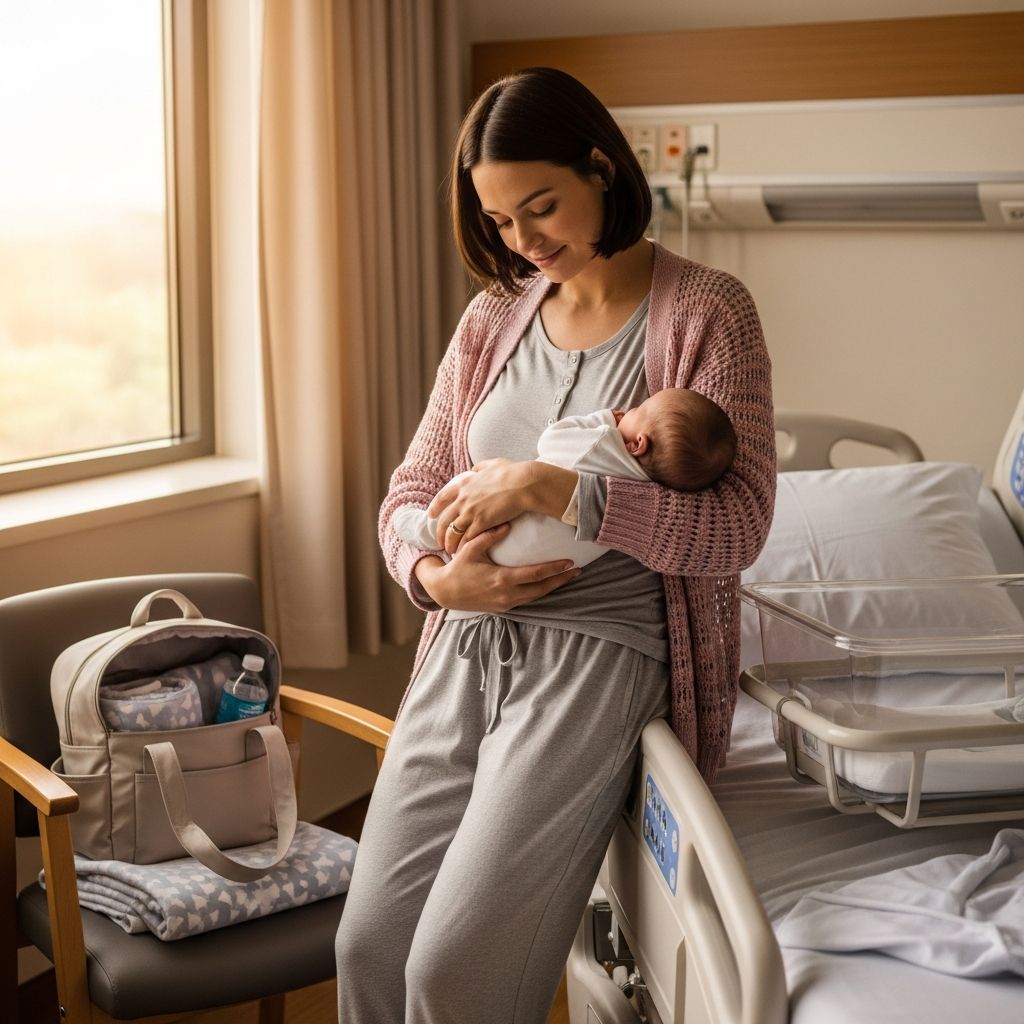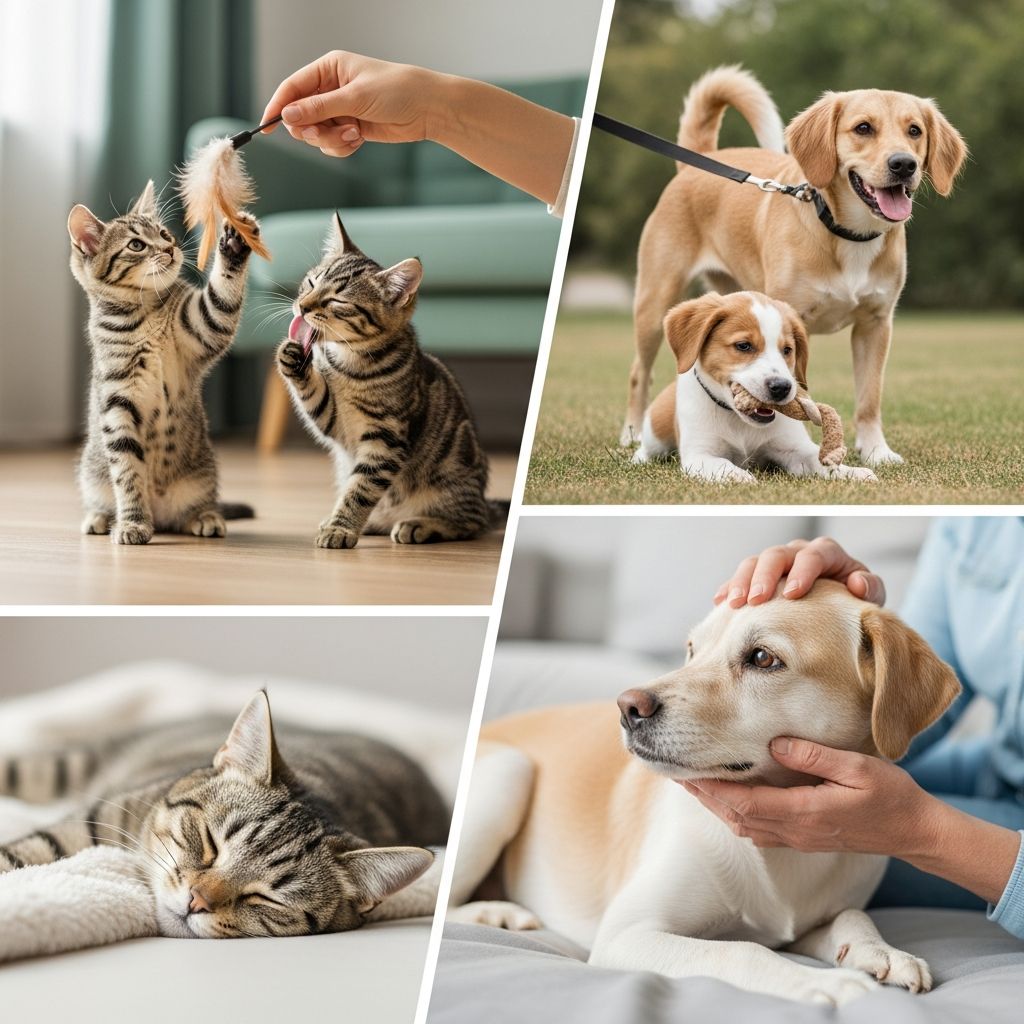
Parenting styles can be vividly illustrated through the lens of pet behaviors, where **dog parenting** embodies high-energy engagement ideal for young children, and **cat parenting** offers a subtle, available presence perfect for adolescents. This framework, introduced by child psychologist Dr. Aliza Pressman, helps parents adapt their involvement to match developmental stages, promoting emotional security and independence.
Understanding the Core Differences in Parenting Energies
The cat versus dog parenting metaphor draws from observable pet traits to describe human caregiving dynamics. Dog-style parents are overtly affectionate, constantly present, and eager to engage, mirroring a puppy’s need for play and guidance. This approach thrives with infants and toddlers who crave consistent interaction to build trust and safety.
In contrast, cat-style parents maintain a steady but unobtrusive availability, allowing children space to initiate contact. Much like a cat that lounges nearby yet remains affectionate on its terms, this style respects growing autonomy, particularly valuable during preteen and teenage years when overt attention can feel smothering.
Both styles prioritize love and support but differ in intensity and proximity. Research on attachment in human-child relationships echoes findings in pet studies, where responsive yet structured care fosters secure bonds adaptable across life stages.
When to Embrace Dog-Like Enthusiasm
For children under 10, dog parenting shines by providing the structure and warmth essential for early development. Young kids thrive on predictable routines, enthusiastic praise, and physical closeness, which reinforce neural pathways for emotional regulation and social skills.
- Daily Engagement: Incorporate playtime, storytelling, and hugs to meet their high needs for affirmation.
- Clear Boundaries: Set firm rules with immediate, positive reinforcement to teach self-control.
- Responsive Availability: Be the ‘wagging tail’—excited to see them after separations, boosting their sense of security.
Dr. Pressman emphasizes that this energetic presence acts as a safe base, from which children explore confidently. Parents using this style report fewer tantrums and stronger parent-child attachments in early years.
Transitioning to Cat-Like Independence
As children enter ages 11 to 25, shifting to cat parenting prevents relational friction. Teens seek privacy and self-discovery; persistent dog energy often leads to withdrawal or rebellion. Instead, embody calm reliability: present in the home, lightly touching base without probing.
| Age Group | Dog Traits | Cat Traits |
|---|---|---|
| 0-10 Years | High enthusiasm, constant play, direct guidance | Minimal use; supplement with structure |
| 11-18 Years | Use sparingly for crises | Subtle presence, space for initiative, non-reactive listening |
| 18-25 Years | Occasional check-ins | Full autonomy support, advisory role only |
This table highlights optimal applications, ensuring parents scale back intensity appropriately. One mother’s account illustrates the transformation: switching from chasing teens to patient waiting reduced conflicts dramatically, inviting voluntary sharing.
Blending Styles for Balanced Child-Rearing
No parent fits neatly into one category; effective caregiving often hybridizes approaches. For instance, maintain dog energy during vulnerabilities like illness or failure, then revert to cat mode for everyday interactions. This flexibility mirrors authoritative parenting research, where high responsiveness paired with expectations yields resilient outcomes in children—and even pets.
Pet parenting studies further validate this: authoritative styles in dog owners promote problem-solving and stress resilience, akin to human child benefits. Parents might assess their tendencies via self-reflection: Do you hover (dog-leaning) or observe from afar (cat-leaning)? Adjusting based on child feedback optimizes growth.
Real-Life Applications and Parental Testimonials
Consider a family with varied ages: dog style for the 5-year-old’s school prep, cat style for the 14-year-old’s late-night talks. This duality prevents exhaustion while meeting diverse needs. Testimonials abound online, with parents noting teens opening up more when not ‘pounced upon’ with reactions.
Challenges arise in transition; parents accustomed to dog energy may feel rejected. Counter this by focusing on long-term gains: independent youth who return for wisdom, not obligation. Consistency in listening—asking ‘Do you want advice or just an ear?’—builds trust profoundly.
Developmental Psychology Backing the Metaphor
Dr. Pressman’s model aligns with established theories like attachment theory, where early secure bases (dog phase) evolve into exploratory independence (cat phase). Longitudinal studies show children with adaptive parental responsiveness exhibit better mental health into adulthood.
Pet analogies extend here: dogs’ pack-oriented eagerness suits toddler mirroring, while cats’ self-reliant affection fits adolescent individuation. Though not literal, this framework demystifies age-specific needs, empowering intuitive shifts.
Common Pitfalls and How to Avoid Them
- Over-Dogging Teens: Leads to shutdown; solution: practice patient proximity.
- Premature Cat Shift: Young kids may feel abandoned; maintain engagement levels.
- Inflexibility: Rigid styles ignore child temperament; observe and adapt.
Avoiding these fosters harmony. For multi-child homes, tailor per personality—energetic kids may need sustained dog vibes longer.
Frequently Asked Questions
What age should I switch from dog to cat parenting?
Around 11 years, as preteens crave autonomy, but adjust based on your child’s cues—some toddlers need less intensity early.
Can I be both styles permanently?
Yes, blend them situationally: dog for support crises, cat for routine growth.
Does this apply to all family structures?
Absolutely; single parents, co-parents, or guardians can adapt, focusing on presence over perfection.
How do I know if my teen needs more dog energy?
Signs include withdrawal beyond normal or requests for advice—respond with warmth without overwhelming.
Is cat parenting neglectful?
No, it’s intentional availability; studies confirm it builds secure, independent attachments.
Practical Tips for Implementation
Start small: for dog days, schedule joy-filled rituals like family games. For cat phases, designate ‘open door’ hours without questions. Track progress via family meetings, celebrating adaptations. Over time, this evolves parenting into a responsive art, yielding confident adults.
Ultimately, the cat-dog spectrum underscores parenting’s dynamic nature: attune to developmental shifts for enduring bonds. Whether tail-wagging or quietly purring, your presence—calibrated right—nurtures thriving children.
References
- Cat & Dog Parenting Styles: What Are the Differences & Which One Resembles Yours? — Parent Herald. 2025-10-09. https://www.parentherald.com/articles/236591/20251009/cat-dog-parenting-styles-what-are-differences-which-one-resembles-yours.htm
- Does Your Parenting Style Give Off Cat Or Dog Energy? — Scary Mommy. 2025. https://www.scarymommy.com/parenting/cat-vs-dog-parenting-trend
- Does Your Parenting Style Actually Influence Your Pet’s Behavior? — Kinship. 2025. https://www.kinship.com/pet-behavior/nature-vs-nurture-dog-parenting