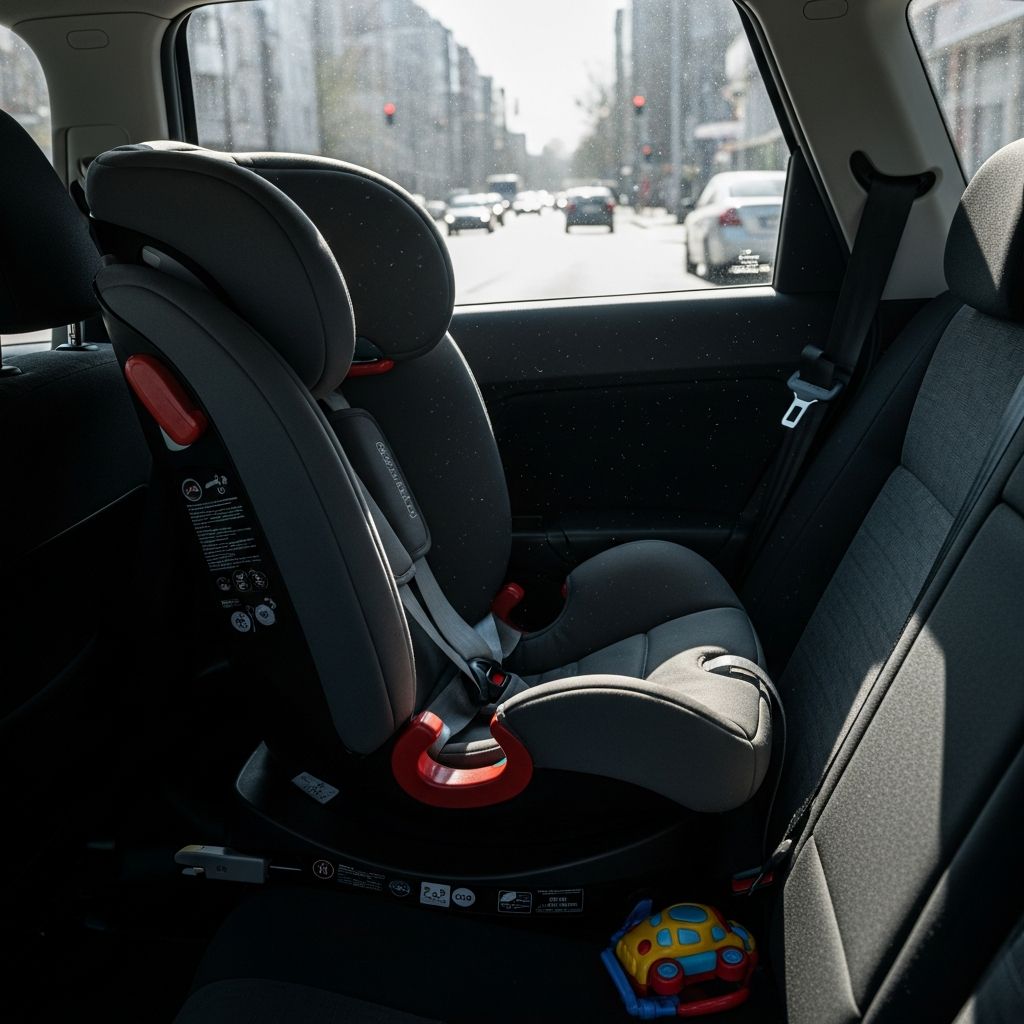
Car seats save lives, yet many parents transition children out of them prematurely, leading to preventable injuries and deaths in crashes. Official data reveals child restraints cut fatality risks by 71% for infants and 54% for toddlers, but misuse and early skipping remain rampant.
The Alarming Reality of Child Crash Statistics
Motor vehicle crashes claim hundreds of young lives yearly, with improper restraints amplifying the danger. In 2023, 555 children under 13 died in U.S. traffic crashes, 190 unrestrained, per National Safety Council data analyzed from NHTSA reports. Over 3.9 million kids aged 11 and under were in crashes from 2019-2023, yielding 516,000 injuries and 2,800 fatalities, according to AAA’s government data review.
Nearly 100,000 children suffered injuries in 2023 crashes alone. Restraint use plummets after age three: AAA found a 10% drop in safety seat and booster use between ages 3-4, continuing downward. Nearly 4 in 10 kids aged 7-11 killed in crashes were fully unrestrained; over 30% of 4-6 year-olds and 26% of 0-3 year-olds shared this fate.
Common Errors in Car Seat Installation and Use
Inspections show 67% of car seats checked in 2024 were misused, per the National Digital Car Seat Check Form database covering 91,618 checks across all states. Top issues include:
- Loose installation, failing the one-inch pinch test at the base.
- Missing top tether on forward-facing seats, critical for crash force control.
- Harness straps too loose, allowing child movement.
- 81% of forward-facing seats misused versus rear-facing ones.
Parents often rush transitions: 23% move to boosters prematurely, 89% to seat belts too soon. The American Academy of Pediatrics advises seat belts only after age 10-12 when kids fit properly.
Why Do Parents Rush Past Proper Restraints?
Several factors drive parents to skip stages. Convenience tops the list: bulkier seats crowd vehicles, and older kids resist them. Misconceptions persist, like assuming a 4-year-old fits a seat belt, ignoring that most need boosters until 4’9″ or 8-12 years.
Space constraints in smaller cars push early switches, while peer pressure or family habits normalize skipping. Cost deters upgrades, though lives outweigh expense. Fatigue from daily routines leads to shortcuts, and lack of awareness about laws—varying by state—compounds risks. Rear seating, safest for under-13s, cuts death risk 75% for under-4s and 50% for 4-8s.
| Age Group | Fatality Risk Reduction with Proper Restraint | Source |
|---|---|---|
| Infants (<1 year) | 71% in passenger cars; 58% in trucks | NHTSA |
| Toddlers (1-4 years) | 54% in passenger cars; 59% in trucks | NHTSA |
| 4-8 years (Boosters) | 45-59% injury reduction | CHOP/NHTSA |
| Older Kids (Seat Belts) | 50% death reduction when fitted | American SPCC |
Age-Appropriate Restraint Guidelines Explained
Federal standards and experts outline clear progression:
- Rear-Facing (Birth to at least 2 years): Best for head, neck, spine protection. Extend as long as seat limits allow.
- Forward-Facing (2+ years, up to weight/height limits): Use tether always. Technicians check 5x more rear-facing than these.
- Booster Seats (4-12 years, until 4’9″): Position lap/shoulder belts correctly. 4/5 parents transition too early per Safe Kids study.
- Seat Belt Only (10-12+ years): Child passes ‘5-Step Test’: sits fully back, knees bend naturally, belt low on hips/high on shoulder, no slack.
All under-13s belong in back seats, away from airbags. NHTSA rates seats; check for compatibility.
Proven Steps for Correct Car Seat Installation
Secure setup halves misuse risks. Follow LATCH for under-40lb kids or seat belt method:
- Read manual for vehicle/seat specifics.
- Disable passenger airbags if front-facing (rare).
- Tighten base—no more than 1-inch movement.
- Harness snug on chest/hips, clips at shoulders.
- Use tether anchored to vehicle point.
Free checks via CPSTs: text ‘carseat’ to 696621 or use NSC virtual sessions. Apps like NHTSA’s guide installations.
Overcoming Barriers to Consistent Use
Address hurdles head-on. Invest in compact, rotatable seats for space. Educate via pediatricians, schools. Enforce family rules: no driving with unsecured kids. State laws mandate restraints to certain ages/heights; know yours. Programs like incentives boost compliance.
Drivers’ belt use influences kids—40% of kids with unbelted adults go unrestrained. Model safety. Back seats cut serious injury risk 40% for under-16s.
Frequently Asked Questions About Child Car Safety
When can my child switch from rear-facing?
Keep rear-facing until at least age 2 or maximum seat limits. It protects the head and neck best in crashes.
Is a booster really necessary for a 5-year-old?
Yes, until 4’9″ or 8-12 years. Boosters reduce injury by 45-59%; most kids aren’t seat-belt ready earlier.
How do I know if the car seat is tight enough?
Grab belt/webbing at base; it shouldn’t move more than 1 inch side-to-side.
What if my vehicle lacks LATCH anchors?
Use seat belt installation per manual. Both methods work if done right.
Where can I get my car seat inspected?
Find certified techs at NHTSA locator or NSC virtual checks.
Building a Safer Future for Young Passengers
Progress shows: child deaths dropped since 1970s via tech and laws, saving 425 under-5 lives in 2006 alone. Yet 618,000 under-14s ride unrestrained sometimes. Commit to correct use—every trip. Pair with sober driving; 1/4 child occupant deaths involve alcohol.
Empower with knowledge: restraints work when used right. Check growth yearly, replace after crashes/expiration. Your vigilance turns stats around.
References
- Improper Use of Car Seats Continues to Lead to Child Injury and Death, Data Shows — Vision Monday. 2025. https://mobile.visionmonday.com/business/research-and-stats/article/improper-use-of-car-seats-continues-to-lead-to-child-injury-and-death-data-shows/
- Car Seat Safety Starts at Birth — and Shouldn’t End Too Soon — AAA Newsroom. 2025-08-25. https://newsroom.aaa.com/2025/09/car-seat-safety-starts-at-birth-and-shouldnt-end-too-soon/
- Car Seat Safety Tips — American SPCC. Accessed 2026. https://americanspcc.org/car-seat-safety/
- Child Restraint – Injury Facts — National Safety Council. 2023 data. https://injuryfacts.nsc.org/motor-vehicle/occupant-protection/child-restraint/
- Child Passenger Safety Statistics & Fact Sheet — RWB Fire. NHTSA data. https://www.rwbfire.org/child-passenger-safety-statistics-fact-sheet