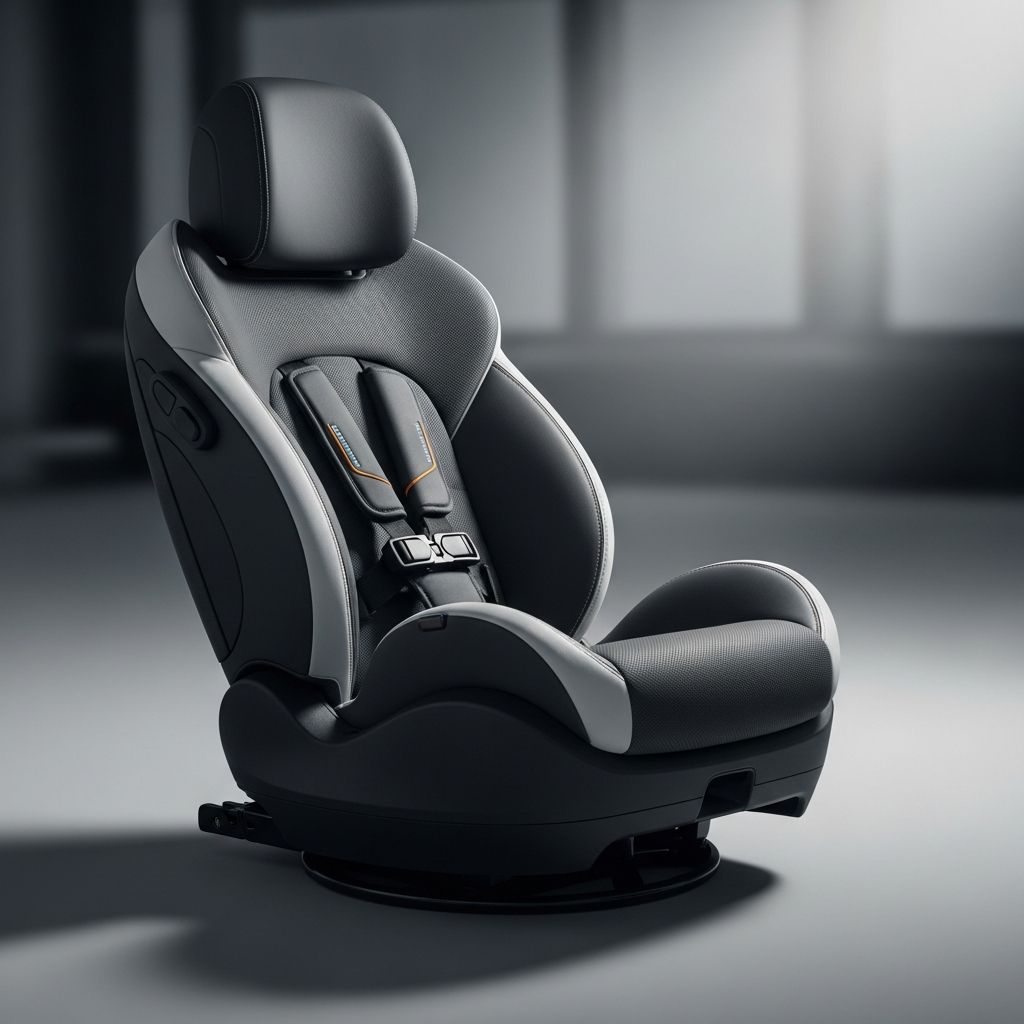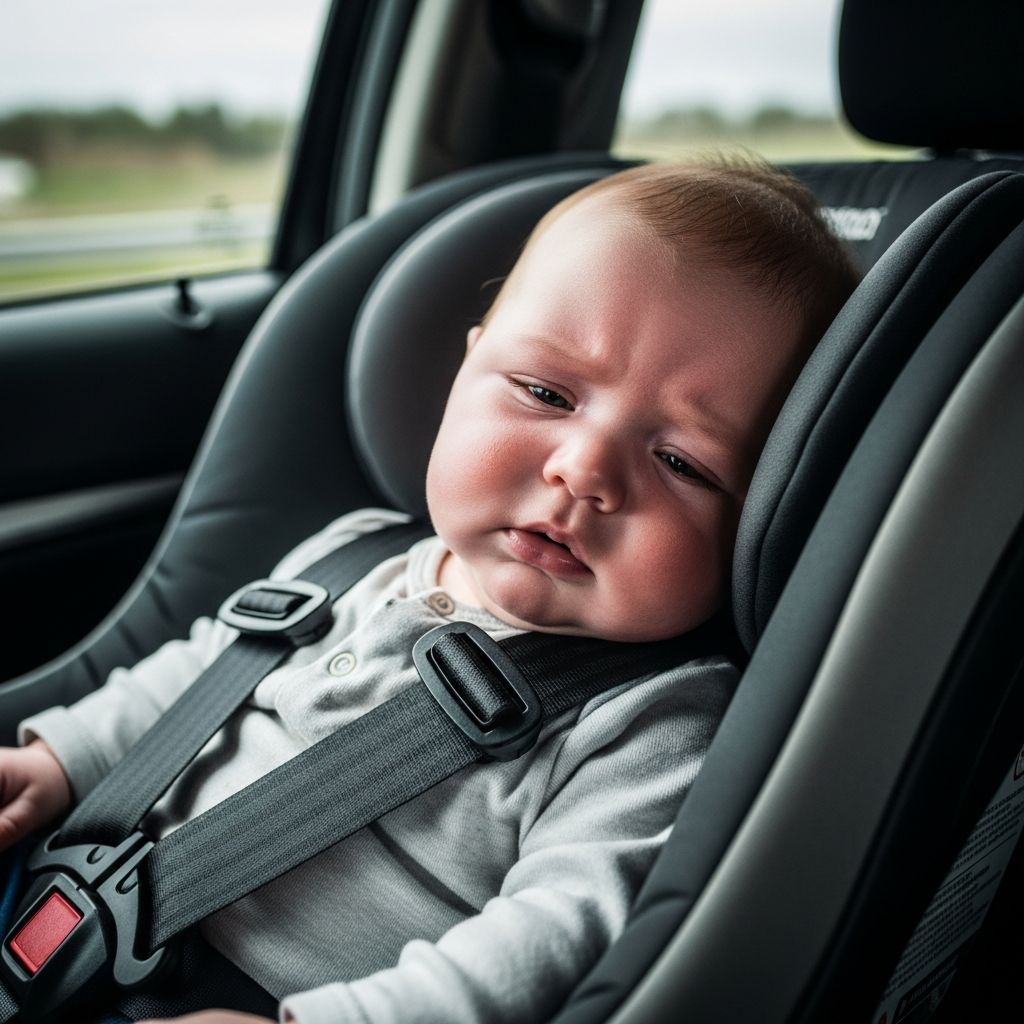
Prolonged time in car seats can lead to serious health risks for infants, including positional asphyxia and breathing difficulties, as demonstrated by recent parental oversights that sparked widespread concern.
Understanding the Incident That Raised Alarms
A parent’s decision to leave a sleeping newborn in a car seat for several hours while handling other tasks ignited online debates about infant safety. The baby remained harnessed in the device outside the vehicle, appearing peaceful at first but prompting questions about safe durations for such positioning. This event underscores a common misconception: car seats, while lifesavers in vehicles, are not ideal for extended lounging or sleep.
Experts stress that car seats are designed strictly for travel. When used beyond short trips, they can compromise an infant’s airway due to the semi-reclined position, which may cause the head to slump forward, obstructing breathing. The American Academy of Pediatrics (AAP) and other authorities warn against this practice, noting that infants under two should never exceed two hours in a car seat at a time, whether in or out of the car.
Why Car Seats Pose Risks Outside of Travel
Infants have developing neck muscles and large heads relative to their bodies, making them prone to head flexion in car seats. This can flatten the airway, reducing oxygen intake. Studies and clinical observations link such positioning to sudden infant death risks if unchecked.
- Airway Obstruction: The chin-to-chest position blocks the windpipe, especially in premature or low-toned babies.
- Positional Asphyxia: Harness straps, meant for crash protection, restrict chest expansion during prolonged use, limiting breaths.
- Overheating: Bundled clothing or blankets under harnesses interfere with fit and raise body temperature.
Healthcare providers at institutions like Children’s Hospital of Philadelphia (CHOP) advise immediate transfer to a flat, firm surface post-car rides for naps or rest. Never use aftermarket accessories like extra pillows, as they void safety certifications.
Official Guidelines for Age-Appropriate Car Seat Use
Child passenger safety evolves with growth stages. Federal and medical bodies provide clear progressions to maximize protection.
| Age/Stage | Recommended Restraint | Key Limits |
|---|---|---|
| Birth to 2+ years | Rear-facing car seat | Until max height/weight; keep as long as possible |
| 2-4 years | Forward-facing with harness | After outgrowing rear-facing; use top tether |
| 4-8+ years | Belt-positioning booster | Until seat belt fits properly (4’9″ tall) |
| 9-12+ years | Lap/shoulder seat belt | Back seat until 13; no slouching |
These align with NHTSA, CDC, and AAP policies. Rear-facing offers superior head, neck, and spine protection in crashes by distributing forces evenly.
Mastering Proper Car Seat Installation and Fit
Correct setup prevents 70-80% of misuse-related injuries. Always consult manuals for vehicle/seat compatibility.
- Positioning: Rear-facing in back seat only; never front with airbag.
- Harness Adjustment: Straps snug—no pinchable fabric; at/below shoulders; chest clip at armpits; flat, no twists.
- Securement: Less than 1-inch movement at base; use LATCH or belt; tether for forward-facing.
- Clothing: Thin layers; blanket over harness post-buckling; no bulky coats.
For preemies, hospital screenings ensure safe semi-reclined positioning; car beds may suit those needing flat travel.
Common Mistakes and How to Avoid Them
Many parents unwittingly endanger kids through errors fixable with education.
- Outgrowing seats too soon: Check ears below shell top, shoulders at harness slots.
- Loose harnesses: Test by pinching—should slip off easily if tight enough.
- Front-seat placement: Airbags pose fatal risks to rear-facing infants.
- Extended use: Limit to travel time; transfer for sleep.
- Booster transitions: Use until lap belt low on thighs, shoulder on collarbone.
NHTSA inspections reveal 46% incorrect installations; free local checks via certified technicians are recommended.
Transitioning Through Safety Stages Safely
Monitor growth monthly. Signs to upgrade:
- Rear to Forward: Exceeds rear limits; shoulders above slots.
- Harness to Booster: Ears above shell; top harness slots passed.
- Booster to Belt: Passes 5-step test: upright back, bent knees, flat feet, snug belts.
Boosters lift for proper belt geometry, reducing injury by 45% vs. seat belt alone.
Real-World Impact: Statistics and Prevention
Car crashes are a top child killer; proper restraints cut fatality risk by 71% for infants. In 2024 data, misuse contributed to thousands of injuries. Education campaigns by Safe Kids and state police emphasize checks.
Parents can prevent tragedies by attending fittings, updating seats (expire 6-10 years), and avoiding hand-me-downs without history.
Frequently Asked Questions
Can my baby sleep in the car seat at home?
No. Limit to 2 hours max; move to crib for safe sleep on back in flat position.
How long should my infant stay rear-facing?
As long as possible, up to seat limits—often 2+ years for best protection.
Is a bulky winter coat safe under the harness?
No; compresses in crash. Dress lightly, add blanket after.
When is my child ready for a booster seat?
After outgrowing forward-facing harness; use until 4’9″ for belt fit.
Where’s the safest spot in the car?
Center back seat if LATCH allows; otherwise, behind passenger for inspections.
Empowering Parents with Resources
Visit NHTSA.gov for ratings, AAP.org for policies, CDC.gov for guides. Local fire stations often host free inspections. Knowledge equips you to protect.
References
- Car Seat Safety: Newborn to 2 Years — Children’s Hospital of Philadelphia (CHOP). Accessed 2026. https://www.chop.edu/centers-programs/car-seat-safety-kids/car-seat-safety-by-age/newborn-2-years
- Child Passenger Safety — American Academy of Pediatrics (AAP). 2018-11-19. https://publications.aap.org/pediatrics/article/142/5/e20182460/38530/Child-Passenger-Safety
- Car Seats and Booster Seats — National Highway Traffic Safety Administration (NHTSA). Accessed 2026. https://www.nhtsa.gov/equipment/car-seats-and-booster-seats
- Child Passenger Safety Resources — Centers for Disease Control and Prevention (CDC). Accessed 2026. https://www.cdc.gov/child-passenger-safety/resources/index.html
- Car Seat Safety — University of Michigan Pediatric Trauma. Accessed 2026. https://pediatric-trauma.med.umich.edu/injury-prevention/car-seat-safety
- Car Safety Seats: Information for Families — American Academy of Pediatrics (HealthyChildren.org). Accessed 2026. https://www.healthychildren.org/English/safety-prevention/on-the-go/Pages/Car-Safety-Seats-Information-for-Families.aspx