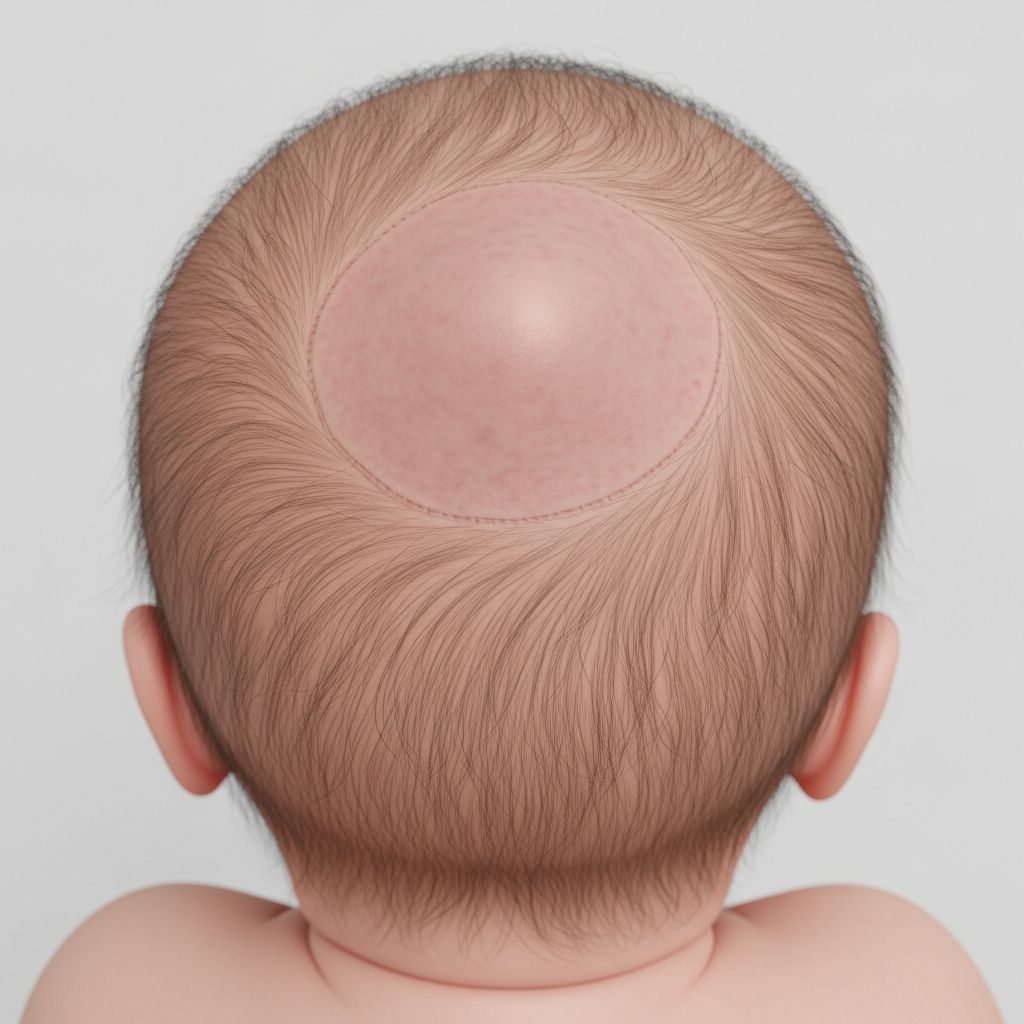
Caput succedaneum is a frequent occurrence in newborns, characterized by soft swelling on the scalp due to fluid accumulation from birth pressures. This condition typically resolves without intervention within days, offering reassurance to concerned parents.
Understanding the Nature of Caput Succedaneum
This benign scalp edema arises shortly after birth, presenting as a puffy, boggy area on the infant’s head. Unlike more serious injuries, it involves fluid buildup in the scalp’s subcutaneous tissues, crossing suture lines and the skull’s midline. The swelling feels soft and fluctuant upon palpation, distinguishing it from firmer collections.
New parents often notice this during the first examination post-delivery. The head may appear elongated or cone-shaped, a temporary adaptation to the birth canal’s forces. While alarming visually, it poses no threat to the baby’s neurological health or skull integrity.
Primary Causes Linked to the Birthing Process
The development stems from mechanical pressures during vaginal delivery. As the baby’s head navigates the birth canal, it endures compression from the uterine walls, cervix, and vaginal tissues. Prolonged labor exacerbates this, allowing fluid to accumulate beneath the scalp.
- Extended second stage of labor, increasing head compression time.
- Instrument-assisted deliveries, such as vacuum extractors or forceps, applying focused pressure.
- Premature rupture of membranes, reducing amniotic fluid cushioning.
- Oligohydramnios or macrosomia, heightening vulnerability to uterine pressures.
Primiparous mothers (first-time deliveries) face higher risks due to less pliable tissues and longer labors. Vertex presentations, the most common, position the head as the primary contact point.
Recognizing Key Symptoms in Your Newborn
Swelling appears immediately or soon after birth, often on the presenting part of the scalp. It manifests as a soft, doughy mass, sometimes with mild bruising or discoloration. The area lacks defined edges, blending into normal scalp.
Babies remain alert and active despite the cosmetic change. No fever, lethargy, or feeding issues accompany it typically. The swelling may peak 24-48 hours post-birth before receding.
| Symptom | Description |
|---|---|
| Swelling Location | Top or side of scalp, crosses suture lines |
| Texture | Soft, boggy, fluctuant |
| Color Changes | Mild bruising or ecchymosis possible |
| Resolution Timeline | Decreases within 2-3 days, fully gone in 1 week |
Differentiating from Similar Conditions
Caput succedaneum requires distinction from cephalohematoma and subgaleal hemorrhage. Cephalohematoma involves blood under the periosteum, confined by suture lines, firm to touch, and resolves slower (weeks).
| Feature | Caput Succedaneum | Cephalohematoma |
|---|---|---|
| Swelling Type | Edema (fluid) | Hematoma (blood) |
| Boundaries | Crosses sutures/midline | Bounded by sutures |
| Onset | At birth | Hours to days later |
| Resolution | Days | Weeks to months |
| Skull Fracture Risk | Low | Possible |
Subgaleal hemorrhage, rarer, involves larger fluid volumes and rapid expansion, demanding urgent care. Physical exam by a pediatrician confirms diagnosis, rarely needing imaging.
Standard Management and Home Care Strategies
Most cases self-resolve as the body reabsorbs fluid, requiring no specific therapy. Monitoring suffices: observe for size reduction and absence of worsening signs.
- Gentle handling of the head to avoid added pressure.
- Frequent position changes to promote circulation.
- Ensure proper feeding and hydration for overall recovery.
Rarely, aspiration of excessive fluid occurs if it impedes function, performed by specialists. Avoid over-the-counter remedies without guidance.
Potential Complications and Vigilance
Though benign, watch for secondary issues. Bruising breakdown elevates bilirubin, risking jaundice. Severe untreated jaundice leads to kernicterus, causing brain damage, hearing loss, or cerebral palsy.
Other concerns include localized infection, alopecia, or scarring. Macrosomic babies or those with early membrane rupture face heightened jaundice odds.
- Yellowing skin/eyes beyond 24 hours.
- Increased swelling or redness.
- Poor feeding, irritability, or lethargy.
- Fever or unusual fussiness.
Phototherapy treats jaundice effectively, using blue lights to break down bilirubin. Hospitalization follows if levels spike.
Risk Reduction During Labor and Delivery
Obstetric teams mitigate risks via vigilant monitoring. Early detection of prolonged labor prompts interventions like C-sections. Proper vacuum/forceps use minimizes trauma.
Antenatal care identifies factors: monitor fetal size, amniotic fluid, and presentation. Epidurals or positioning aids shorten labor phases.
Long-Term Prognosis for Affected Babies
Full recovery without sequelae defines the outlook. Skull reshaping normalizes rapidly; no developmental delays link to resolved caput.
Follow-ups confirm jaundice clearance and growth. Most infants thrive, with parents gaining confidence through education.
Frequently Asked Questions About Newborn Scalp Swelling
Is caput succedaneum painful for my baby?
No, babies do not experience pain from this swelling. They feed and sleep normally.
How long until the swelling disappears?
Typically 2-4 days, fully resolving in under a week.
Does it indicate birth trauma or malpractice?
Common in natural births; severe cases from mismanaged labor warrant review.
Can it recur in future pregnancies?
Not directly; risk factors like prolonged labor vary per delivery.
When should we see a doctor urgently?
If swelling grows, jaundice appears, or baby shows distress signs.
Empowering Parents with Knowledge
Armed with facts, parents navigate this transient issue calmly. Routine newborn checks ensure timely interventions. Celebrate the miracle of birth, knowing such adaptations underscore resilience.
References
- Caput Succedaneum | Symptoms, Diagnosis, and Treatment — Childbirth Injuries. 2023. https://www.childbirthinjuries.com/birth-injury/caput-succedaneum/
- Caput Succedaneum – StatPearls – NCBI Bookshelf — National Center for Biotechnology Information. 2023-10-01. https://www.ncbi.nlm.nih.gov/books/NBK574534/
- Caput Succedaneum | Causes, Symptoms & Treatment Options — Cerebral Palsy Guide. 2024. https://www.cerebralpalsyguide.com/birth-injury/caput-succedaneum/
- What Is Caput Succedaneum? — Birth Injury Center. 2023. https://birthinjurycenter.org/caput-succedaneum/
- Caput Succedaneum: What It Is, What Causes It, and More — WebMD. 2024. https://webmd.com/baby/what-is-caput-succedaneum