A tiny white spot in your mouth can make eating, drinking, and even talking miserable. Those spots are often canker sores, and they are especially common during the teen years. Understanding what they are and how to deal with them can make a big difference in how you feel and how quickly you heal.
What Exactly Is a Canker Sore?
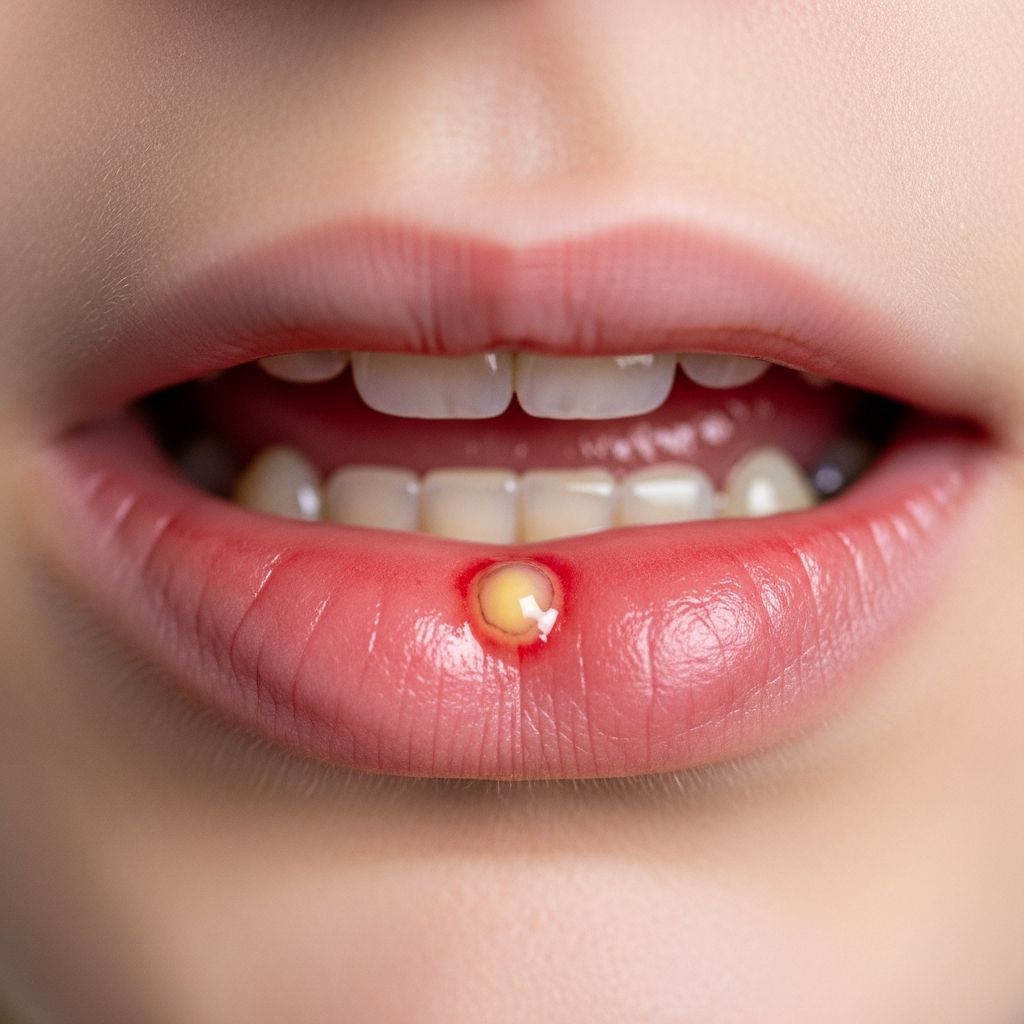
A canker sore is a small, shallow ulcer that develops on the soft tissues inside your mouth, such as the inside of your lips or cheeks, your tongue, or the area around your gums. The sore usually looks like a round or oval white or yellowish spot with a red, irritated border around it.
Unlike cold sores, canker sores do not appear on the outside of your lips and are not caused by a virus. They are not contagious, which means you cannot spread them by kissing, sharing drinks, or using the same utensils.
Where Canker Sores Usually Show Up
Canker sores typically form only on the moist surfaces inside your mouth. You might notice them more when they rub against your teeth, braces, or food.
- Inside of the lips
- Inner cheeks
- Sides or underside of the tongue
- Soft palate (back part of the roof of the mouth)
- Near the base of the gums
Types of Canker Sores
Not all canker sores are the same size or severity. Most teens get the mild form, but it helps to know the main types.
| Type | Typical Size & Number | Healing Time | Common Features |
|---|---|---|---|
| Minor | Small (a few millimeters); often one or a few at a time | About 1–2 weeks | Most common in teens; may sting but usually heal without scarring |
| Major | Larger and deeper; can be more than 1 cm | Several weeks | More painful; can leave a scar after healing |
| Clustered (herpetiform) | Many tiny spots that may merge into a larger irregular sore | 1–2 weeks | Less common; can be especially uncomfortable |
What Do Canker Sores Feel and Look Like?
Canker sores often follow a pattern, so you may be able to tell one is coming before you see it. Paying attention to early signs can help you avoid irritating the area and making the sore worse.
- Before the sore: You may feel tingling, burning, or soreness in a small spot inside your mouth.
- As it appears: A small red bump forms, then turns into an open, shallow ulcer with a pale center.
- While it heals: The sore may sting when you eat salty, spicy, or acidic foods, or when it rubs against your teeth or braces.
Most people with canker sores otherwise feel fine. If you also have fever, feel very tired, or have many large sores at once, a health professional should check what is going on.
Common Triggers and Risk Factors in Teens
Experts still do not know one single cause for canker sores, but they have identified several things that can increase your risk. These triggers can be different from person to person, and sometimes more than one is involved.
Everyday Irritation and Injuries
- Biting the inside of your cheek or lip by accident
- Scratches from braces, retainers, or sharp or broken teeth
- Rough brushing or using a toothbrush that is too hard
- Small injuries from sports, instruments (like braces on a mouthpiece), or dental work
Food and Drink Triggers
Certain foods can irritate the lining of the mouth or act as triggers in some people. Keeping track of what you eat when sores appear can help you spot a pattern.
- Very acidic foods and drinks (such as citrus fruit, some juices, and sodas)
- Spicy snacks or sauces
- Hard or sharp foods that scratch (chips, crusty bread, pretzels)
- Foods you may be sensitive or allergic to (for example, nuts or chocolate in some people)
Stress and Lack of Sleep
Emotional and physical stress can affect your immune system and the way your body repairs tissue. Big exams, major life events, or just chronic lack of sleep can make you more likely to break out in canker sores.
Nutritional Gaps
Your mouth lining needs certain vitamins and minerals to stay healthy and heal quickly. When your diet is low in these, canker sores may show up more often.
- Iron
- Vitamin B12
- Folate (folic acid)
- Zinc
Hormones and Medical Conditions
Hormonal changes, such as those around a menstrual cycle, can be a trigger for some teens. In a smaller number of people, frequent or severe canker sores are linked with other medical conditions, such as immune system disorders or gastrointestinal diseases.
Who Gets Canker Sores?
Anyone can get a canker sore, but they are especially common in teens and young adults. Some people start getting them in childhood and continue to have occasional episodes throughout life.
Canker sores tend to run in families, so if a parent or sibling gets them often, your chances are higher. Some research also suggests that females may be affected slightly more often than males, possibly due to hormone differences.
Canker Sores vs. Cold Sores
Canker sores are often confused with cold sores, but they are very different. Knowing which one you have helps you understand how they spread and how to manage them.
| Feature | Canker Sores | Cold Sores |
|---|---|---|
| Typical location | Inside the mouth only | On or around the lips and sometimes on the face |
| Cause | Not clearly known; not from a virus | Caused by herpes simplex virus |
| Contagious? | No | Yes, can spread through close contact |
| Appearance | Small white or yellow sore with red border | Fluid-filled blisters that crust over |
How Long Do Canker Sores Last?
Most minor canker sores heal on their own within one to two weeks, even if you do nothing special. During this time, the pain usually peaks in the first few days and then slowly improves.
Larger or deeper sores may take longer to heal and can leave a faint scar. If a sore is not getting better after two weeks, or keeps getting worse, it is important to get it checked.
Home Care: Easing the Pain
While you often cannot stop a canker sore once it starts, you can make it hurt less and avoid irritating it while it heals. Many of these steps are simple changes to your daily routine.
Gentle Mouth Care Routine
- Brush with a soft-bristled toothbrush to avoid scraping the sore.
- Clean your teeth gently but thoroughly twice a day.
- Avoid aggressive rinsing or swishing that could rub the sore.
- If a certain toothpaste tends to sting, ask your dentist about milder options.
Soothing Rinses
Simple mouth rinses can help keep the area clean and make it more comfortable. Always spit them out—do not swallow.
- Saltwater rinses made with warm water and a small pinch of salt.
- Plain warm water rinses after meals to remove leftover food.
- Over-the-counter mouthwashes labeled for mouth sores or sensitive mouths.
Smart Food Choices While You Heal
What you eat can dramatically change how much your mouth hurts when you have a canker sore. Choosing softer, cooler, and less irritating foods helps the sore bother you less.
- Choose soft foods such as yogurt, smoothies, scrambled eggs, and cooked pasta.
- Avoid chips, crusty breads, and other sharp or rough foods.
- Limit very spicy, salty, or acidic foods and drinks.
- Drink cool water throughout the day to stay hydrated and soothe the area.
Medical Treatments and When to Use Them
For many teens, home care is enough, but sometimes you may want extra help from a health professional or pharmacy. Talk to a parent, guardian, or trusted adult before starting medicines if you are unsure what is right for you.
Over-the-Counter Options
- Topical gels or pastes: These can coat the sore to reduce friction and may contain numbing ingredients to help with pain.
- Pain relievers: Oral pain medicines, when used according to the label or your doctor’s instructions, can reduce discomfort.
- Protective patches: Some products form a thin covering over the sore to shield it from food and braces.
Prescription Treatments
If your sores are very frequent, very painful, or slow to heal, a dentist or doctor may recommend stronger treatments. These options are not needed for everyone but can be helpful when canker sores interfere with daily life.
- Prescription-strength gels, rinses, or ointments that reduce inflammation.
- Medicated mouthwashes for people with multiple or recurring sores.
- Testing and treatment for underlying problems (such as vitamin deficiencies or other conditions) if needed.
Prevention Tips: Can You Stop Them from Coming Back?
There is no guaranteed way to prevent every canker sore, but you can lower your chances and reduce how often you get them. Small, consistent habits often work better than one-time fixes.
Protect the Inside of Your Mouth
- Use orthodontic wax on rough areas of braces or appliances.
- Wear a mouthguard if you play contact sports or grind your teeth.
- Let your dentist smooth any sharp or broken edges on teeth or fillings.
Build a Mouth-Friendly Diet
- Eat a variety of fruits, vegetables, whole grains, and protein-rich foods.
- Talk to a health professional before taking supplements for iron, B12, folate, or zinc.
- Notice if certain foods seem to trigger sores and consider cutting back on them.
Manage Stress and Sleep
Since stress can be a trigger, taking care of your mental health can also help your mouth. This does not mean stress causes every sore, but it can be one piece of the puzzle.
- Try relaxation techniques like deep breathing, stretching, or short walks.
- Keep a regular sleep schedule as often as possible.
- Talk to someone you trust if you feel overwhelmed at school or home.
When to See a Doctor or Dentist
Most canker sores are annoying but harmless and heal on their own. Still, some warning signs mean it is time to get checked out.
- Sores that are very large or deep.
- Sores that last longer than two weeks without improving.
- New sores appearing before old ones heal, over and over.
- Difficulty eating, drinking, or speaking because of the pain.
- Fever, rash, or feeling very sick along with mouth sores.
- Sores that seem to spread outside the mouth or onto the lips in an unusual way.
A health professional can rule out other conditions, suggest tests if needed, and offer treatment options that are stronger than what you can buy on your own.
Living with Recurring Canker Sores
Some teens get canker sores only once in a while, while others feel like they show up every few months. If you have frequent sores, it can help to track them and learn your patterns.
- Keep a simple log of when sores appear, what you were eating, and your stress level.
- Share this information with your dentist or doctor to look for patterns.
- Work on a long-term plan that might include diet changes, better sleep, or specific mouth products.
FAQs About Canker Sores
Are canker sores contagious?
No. Canker sores are not contagious, which means you cannot catch them or spread them through kissing, sharing food, or using the same utensils.
Do canker sores mean I have bad hygiene?
Not at all. Even people who brush and floss carefully can get canker sores. Gentle, regular cleaning may actually help them heal faster by reducing irritation and bacteria.
Can I pop or scrape a canker sore?
No. Trying to pop, poke, or scrape a canker sore will only make it more painful and may slow healing. It is better to leave it alone and use soothing methods instead.
Is it normal to get canker sores during exams or stressful times?
Many teens notice that sores show up when stress is high, sleep is short, and meals are rushed or skipped. While stress is not the only cause, it can be an important trigger for some people.
Should I stop eating certain foods completely?
Only if you notice a clear pattern that a specific food seems to bring on sores. In that case, talk to a health professional about whether to avoid that food and how to keep your diet balanced.
Can canker sores be a sign of something serious?
Most of the time they are harmless and just annoying. However, frequent, very large, or slow-healing sores can sometimes be linked to other health issues, which is why it is important to see a doctor or dentist if they are severe or keep coming back.
Key Takeaways for Teens
- Canker sores are small ulcers inside the mouth that hurt but are not contagious.
- They often heal on their own in one to two weeks, especially if you avoid irritating them.
- Injuries, certain foods, stress, and nutritional gaps can all play a role in why they appear.
- Gentle mouth care, soothing rinses, and smart food choices can make them less painful.
- If sores are very large, very frequent, or not healing, a doctor or dentist should take a look.