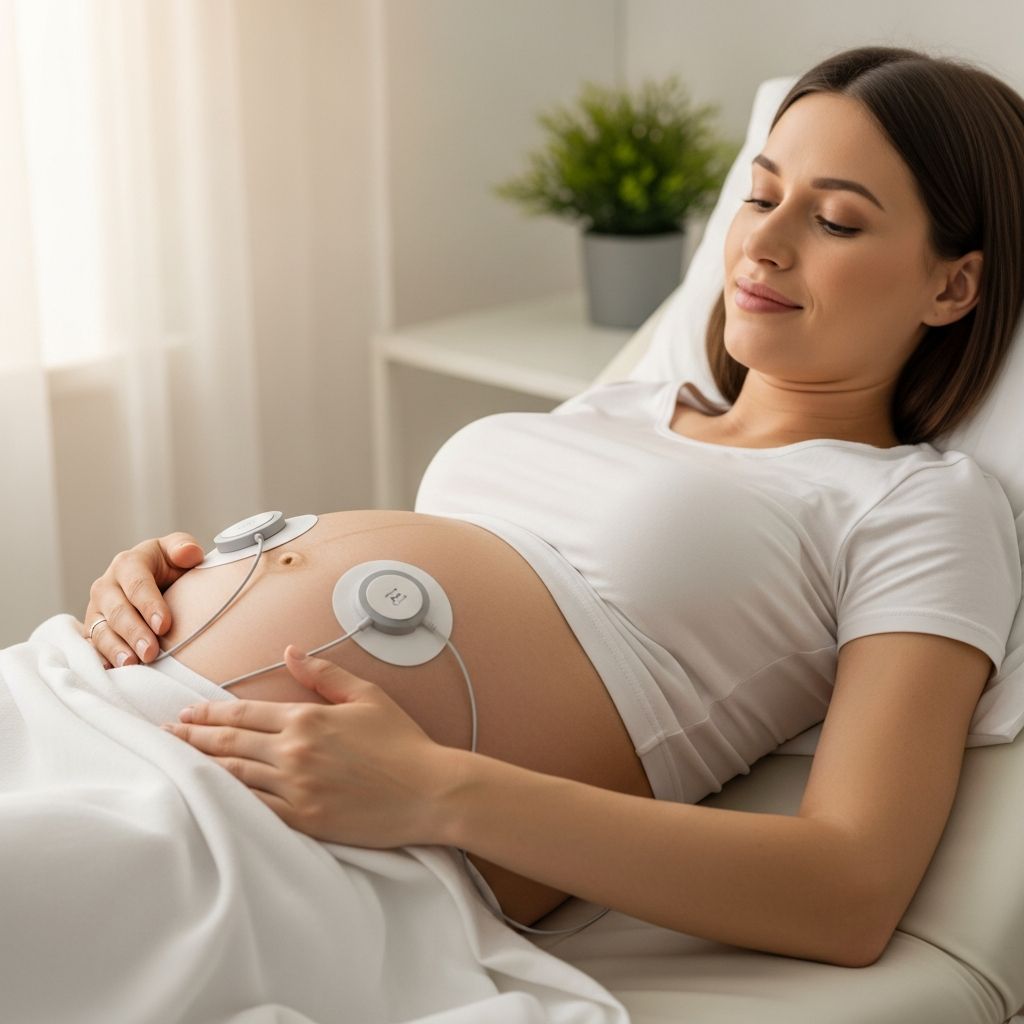
Retinol, a popular skincare ingredient prized for its anti-aging and acne-fighting properties, raises important questions for expectant and nursing mothers. While it offers benefits like smoother texture and reduced wrinkles for many users, its use during pregnancy requires careful consideration due to potential impacts on fetal development. This guide draws from medical consensus to explain why most experts advise against it, what the science says, and how to adapt your routine safely.
Understanding Retinol and Its Role in Skincare
Retinol belongs to the retinoid family, derived from vitamin A, and works by accelerating cell turnover, boosting collagen production, and unclogging pores. It’s commonly found in serums, creams, and moisturizers at concentrations from 0.1% to 1%. When applied topically, it penetrates the skin to deliver these effects, but a small portion—around 1-2%—can enter the bloodstream, potentially affecting vitamin A levels in the body.
Vitamin A is essential for vision, immune function, and growth, including fetal development. However, excessive amounts, especially synthetic forms like retinoids, can lead to hypervitaminosis A, which is toxic. During pregnancy, the placenta allows some substances to pass to the baby, heightening concerns about topical applications.
Potential Risks of Retinol During Pregnancy
The primary worry with retinol is its ability to elevate systemic vitamin A levels to teratogenic—birth defect-causing—thresholds. High doses have been linked to abnormalities in the central nervous system, heart, and limbs, a pattern known as fetal retinoid syndrome (FRS).
- Central Nervous System Issues: Microcephaly (small head size) and spinal defects from disrupted gene expression controlling brain and spine formation.
- Cardiac Problems: Congenital heart defects observed in cases of high retinoid exposure.
- Other Malformations: Thymic, renal, and parathyroid gland anomalies, though less common with topical use.
Oral retinoids like isotretinoin (Accutane) pose the highest risk, with well-documented FRS cases prompting strict pregnancy prevention programs. Topical retinol’s risk is lower due to minimal absorption, but without clear ‘safe’ thresholds, caution prevails. Studies on topical tretinoin (a stronger retinoid) show no increased malformation rates in large cohorts, yet experts err on the side of avoidance until more data emerges.
| Retinoid Type | Absorption Risk | Documented Pregnancy Risks |
|---|---|---|
| Oral (e.g., Isotretinoin) | High (100% systemic) | High: FRS with birth defects |
| Prescription Topical (e.g., Tretinoin) | Moderate | Low in human studies, animal risks |
| Over-the-Counter Retinol | Low (1-2%) | Unclear; avoidance recommended |
Accidental exposure to small amounts is unlikely to cause harm, but consistent use is discouraged. If you’ve used retinol unknowingly, consult your healthcare provider promptly.
Retinol Use While Breastfeeding
Breastfeeding mothers face similar advisories. Retinoids may transfer into breast milk, potentially affecting infant neurodevelopment. Though data is limited, the risk of vitamin A overload prompts recommendations to pause use until weaning. Opt for gentler options to maintain skin health without compromising milk quality.
Safe Skincare Alternatives for Pregnancy
Maintaining a glow during pregnancy doesn’t mean sacrificing efficacy. Several ingredients mimic retinol’s benefits without the risks:
- Bakuchiol: A plant-derived retinol alternative that smooths lines and fights acne with less irritation. Studies show comparable results to retinol.
- Azelaic Acid: Reduces inflammation and pigmentation; safe for hormonal acne.
- Glycolic Acid: Exfoliates gently at low concentrations (<10%); hydrates and evens tone.
- Vitamin C: Brightens, antioxidants protect against environmental damage.
- Niacinamide: Strengthens barrier, minimizes pores, calms redness.
Prioritize pregnancy-safe hydration with hyaluronic acid, ceramides, and peptides. Always patch-test new products and choose those labeled for sensitive or pregnancy use.
Building a Pregnancy-Friendly Skincare Routine
A simple, effective routine focuses on gentle care:
- Cleanse: Mild, fragrance-free cleanser twice daily.
- Treat: Bakuchiol or azelaic acid serum in the evening.
- Hydrate: Layer hyaluronic acid and niacinamide.
- Moisturize: Rich cream with ceramides.
- Protect: Broad-spectrum SPF 30+ daily.
Avoid physical scrubs, high-alcohol products, and essential oils like retinol companions. Pregnancy hormones can trigger melasma (dark patches), so sun protection is crucial.
When to Resume Retinol Post-Pregnancy
Wait 4-6 weeks postpartum or until breastfeeding ends before reintroducing retinol. Start low (0.1-0.3%) and build tolerance slowly to avoid irritation on postpartum skin, which may be drier. Combine with moisturizers and sunscreen.
Common Myths About Retinol in Pregnancy
- Myth: ‘Natural’ vitamin A is safe. Derivatives like retinyl palmitate can still absorb systemically.
- Myth: Only oral forms are risky. Topical absorption, though low, warrants caution.
- Myth: One use won’t hurt. Cumulative exposure matters; stop immediately.
Frequently Asked Questions
Can I use retinol if I’m trying to conceive?
Yes, stop at least one month before actively trying, as conception can occur unexpectedly.
What if I used retinol early in pregnancy unknowingly?
Single uses are low-risk; inform your doctor for monitoring, but no panic needed.
Are all vitamin A forms dangerous?
Focus on retinoids (retinol, retinaldehyde, etc.); beta-carotene from food is safe.
Is bakuchiol truly as effective as retinol?
Clinical trials indicate similar anti-aging and acne benefits with better tolerability.
Should I avoid all anti-aging products while pregnant?
No—safe options like peptides and antioxidants keep skin youthful.
Consulting Healthcare Professionals
Every pregnancy is unique; discuss your routine with an OB-GYN or dermatologist. They can tailor advice based on health history and review product labels. Prenatal vitamins provide balanced vitamin A without excess.
Pregnancy skincare prioritizes safety over perfection. By swapping retinol for vetted alternatives, you protect your baby while nurturing your skin’s natural radiance.
References
- Can You Use Retinol When Pregnant? — La Roche-Posay Australia. 2023. https://www.laroche-posay.com.au/blog/can-you-use-retinol-when-pregnant.html
- Can You Use Retinol While Pregnant? — The Bump. 2024-10-15. https://www.thebump.com/a/retinol-during-pregnancy
- Retinol Use During Pregnancy: Risks and Alternatives — Healthline. 2022-06-30. https://www.healthline.com/health/pregnancy/retinol-pregnancy
- Is Retinol Safe During Pregnancy? Dermatologist Weighs In — YouTube (Dr. Dray). 2023. https://www.youtube.com/watch?v=lHWMxb2SYqA
- Safety of skin care products during pregnancy — PMC – NIH. 2011-06-01. https://pmc.ncbi.nlm.nih.gov/articles/PMC3114665/
- Retinoid Skincare and Nursing: What New Moms Should Know — InfantRisk Center. 2024. https://www.infantrisk.com/content/retinoid-skincare-and-nursing-what-new-moms-should-know