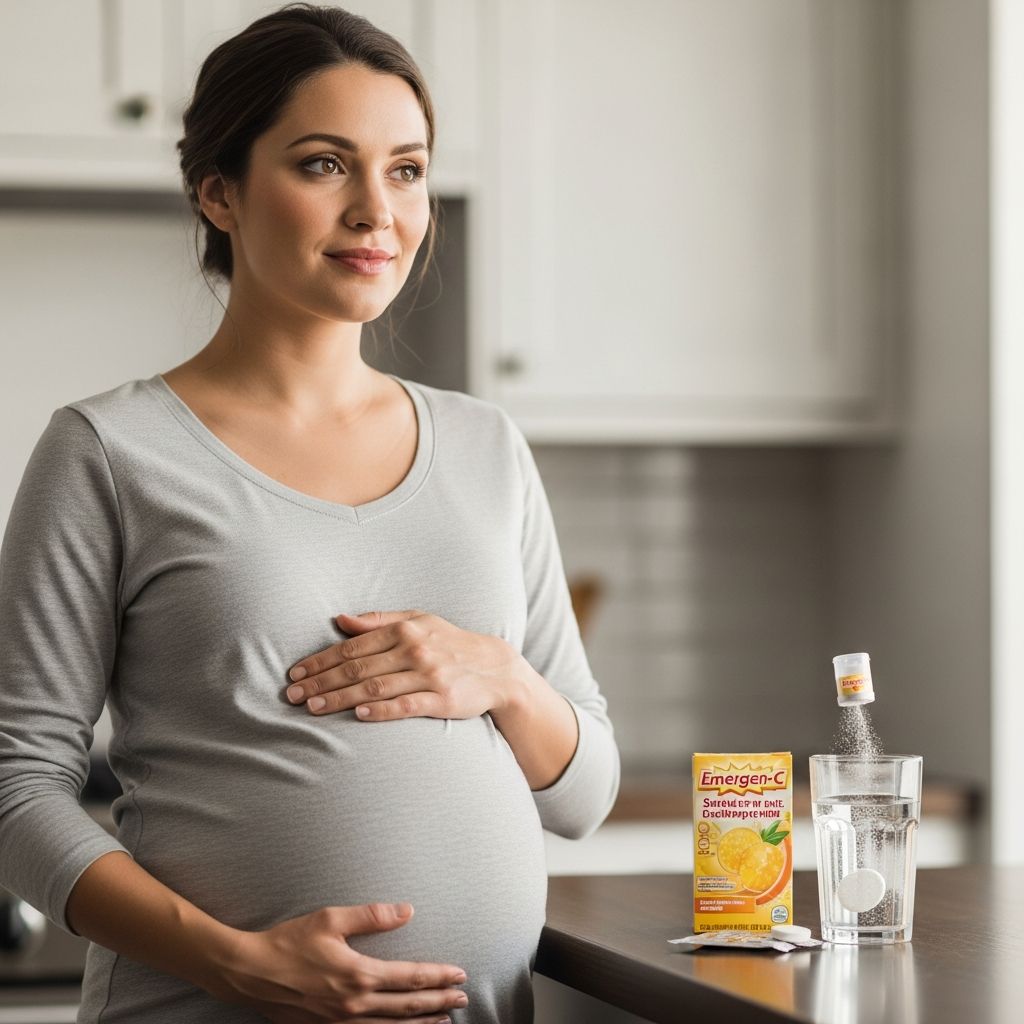
Pregnancy demands heightened attention to nutrition, as maternal intake directly influences fetal development and overall well-being. Emergen-C, a popular effervescent supplement packed with high-dose vitamin C and various B vitamins, minerals, and antioxidants, is often reached for by expectant mothers seeking an immune boost. Marketed for energy and cold prevention, it raises questions about its suitability during pregnancy. While not explicitly contraindicated, its use requires careful consideration due to the concentrated nutrients it delivers.
The supplement typically contains 1,000 mg of vitamin C per packet—far exceeding daily recommendations—alongside electrolytes like magnesium, zinc, and manganese. For pregnant individuals, the key concern is balancing supplementation with prenatal vitamins to avoid excesses that could lead to side effects. Health experts generally agree that occasional use is likely tolerable for healthy pregnancies, but routine consumption lacks robust evidence of benefit and warrants professional consultation.
Pregnancy-Specific Vitamin C Requirements Explained
Vitamin C, or ascorbic acid, plays crucial roles in collagen formation, iron absorption, and antioxidant protection, all vital during pregnancy. The Recommended Dietary Allowance (RDA) for pregnant women over 19 years is 85 mg per day, rising to 120 mg during lactation. Prenatal vitamins often provide 70-120 mg, easily met through diet alone with foods like oranges (70 mg per fruit), strawberries (98 mg per cup), or bell peppers (190 mg per medium).
The tolerable upper intake level (UL) stands at 2,000 mg daily for adults, meaning one Emergen-C packet fits within this but represents over 10 times the RDA. Exceeding needs does not proportionally enhance immunity and may cause gastrointestinal upset, diarrhea, or kidney strain in sensitive individuals. Studies suggest vitamin C supplementation beyond RDA offers minimal preventive effects against colds in the general population, with even less pregnancy-specific data.
| Nutrient | Pregnancy RDA | Emergen-C per Packet | UL |
|---|---|---|---|
| Vitamin C | 85 mg | 1,000 mg | 2,000 mg |
| Vitamin B6 | 1.9 mg | 10 mg | 100 mg |
| Zinc | 11 mg | 2 mg | 40 mg |
| Magnesium | 350-360 mg | 50 mg | 350 mg (from supplements) |
This table highlights how Emergen-C amplifies intake, potentially overlapping with prenatals. Always review labels to prevent cumulative overages.
Potential Benefits of Emergen-C for Expectant Mothers
Proponents tout Emergen-C for combating fatigue, supporting immunity amid pregnancy’s immune modulation, and aiding tissue repair. Vitamin C facilitates non-heme iron absorption, countering anemia risks—a common pregnancy issue affecting up to 40% of women globally. A review of supplementation trials indicates potential reductions in preeclampsia, growth restriction, and maternal anemia, though evidence is preliminary and doses were moderate (around 500-1,000 mg).
During cold season or travel, some find the fizzy hydration appealing for its electrolytes, mimicking oral rehydration solutions. However, no large-scale trials confirm Emergen-C specifically shortens illness duration or prevents infections in pregnancy. Its B-vitamin complex may energize, but diet and rest often suffice.
Risks and Side Effects to Watch For
While generally recognized as safe (GRAS) ingredients form Emergen-C’s base, pregnancy alters tolerances. High vitamin C can trigger nausea, heartburn, or loose stools—exacerbated by pregnancy hormones. Rare concerns include oxalate buildup risking kidney stones or interference with B12 absorption long-term.
Certain formulations contain beta-glucans from algae (BetaVia), lacking pregnancy safety data; experts advise avoidance. Vitamin A traces are minimal, below WHO’s 10,000 IU upper limit, reducing toxicity fears. No links exist to miscarriage or birth defects from occasional use, but unmonitored excess poses unknowns. Interactions with conditions like gestational diabetes or hypertension necessitate caution.
- Gastrointestinal distress: Most common, dose-dependent.
- Nutrient imbalance: If prenatals overlap heavily.
- Unknown additives: Verify flavors and sweeteners pregnancy-safe.
Comparing Emergen-C to Prenatal Vitamins and Diet
Prenatals are formulated for pregnancy, delivering balanced folic acid (600 mcg RDA), iron (27 mg), and RDA-level vitamin C without megadoses. Adding Emergen-C risks tipping scales, especially B6 (UL 100 mg; Emergen-C has 10 mg). Diet trumps supplements: a varied intake of fruits, vegetables, and whole grains meets needs naturally, promoting microbiome health and reducing processed additive exposure.
Food sources offer bioavailable nutrients plus fiber, minimizing side effects. For instance, one kiwi (93 mg vitamin C) plus broccoli (81 mg per cup) exceeds RDA without supplements.
Expert Guidelines on Usage During Pregnancy
Consensus from OB-GYNs and sources like GoodRx and Healthline: occasional Emergen-C (1 packet/day, short-term) is probably fine post-consultation, but unnecessary for most. Emergen-C’s FAQ defers to physicians for pregnant users. Prioritize bloodwork to assess deficiencies before supplementing.
Avoid daily use; opt for 3-5 days maximum during acute needs like colds. Hydrate well, as fizz increases fluid intake positively.
Natural Immune Support Strategies for Pregnancy
Forego supplements for proven methods:
- Hydration and rest: Core for recovery.
- Nutrient-rich foods: Citrus, berries, leafy greens, nuts.
- Gentle exercise: Walking boosts circulation.
- Hygiene: Handwashing prevents 20-30% of colds.
- Herbals with caution: Ginger tea for nausea; avoid echinacea/elderberry sans approval.
Probiotics from yogurt support gut immunity safely.
Special Considerations for High-Risk Pregnancies
Those with multiples, preterm history, or conditions like preeclampsia may need tailored nutrition. Supplementation shines in confirmed deficiencies, per lab results. Smokers require +35 mg vitamin C RDA due to oxidative stress.
Frequently Asked Questions About Emergen-C in Pregnancy
Is Emergen-C safe to take daily while pregnant?
No, limit to occasional use; daily risks excess vitamin C. Consult your provider.
Can Emergen-C prevent colds during pregnancy?
Unlikely; it doesn’t outperform placebo in trials for prevention or recovery.
Does Emergen-C interact with prenatal vitamins?
Possible overages in C and B vitamins; check totals against ULs.
Is it okay in the first trimester?
Occasional yes, with approval; monitor for nausea.
What if I’m breastfeeding—can I use Emergen-C?
Consult doctor; RDA rises to 120 mg, similar cautions apply.
Final Thoughts on Smart Supplementation Choices
Empower your pregnancy with informed choices: prioritize whole foods, prenatals, and lifestyle for robust health. Emergen-C serves as a short-term tool, not staple. Partner with healthcare providers for personalized advice, ensuring you and baby thrive.
References
- Can You Take Emergen-C While Pregnant? — Genesis OB-GYN. 2023. https://genesisobgyn.net/can-you-take-emergen-c-while-pregnant/
- Can You Take Emergen-C While Pregnant? Safety Reviewed — GoodRx. 2024. https://www.goodrx.com/conditions/pregnancy/take-emergen-c-while-pregnant
- Taking Emergen-C If Pregnant: What You Need to Know — Healthline. 2023. https://www.healthline.com/health/pregnancy/emergen-c-pregnant
- Vitamin C supplementation in pregnancy — PMC (PubMed Central). 2022-04-13. https://pmc.ncbi.nlm.nih.gov/articles/PMC9039972/
- FAQs — Emergen-C Official Site. 2025. https://www.emergenc.com/faqs/