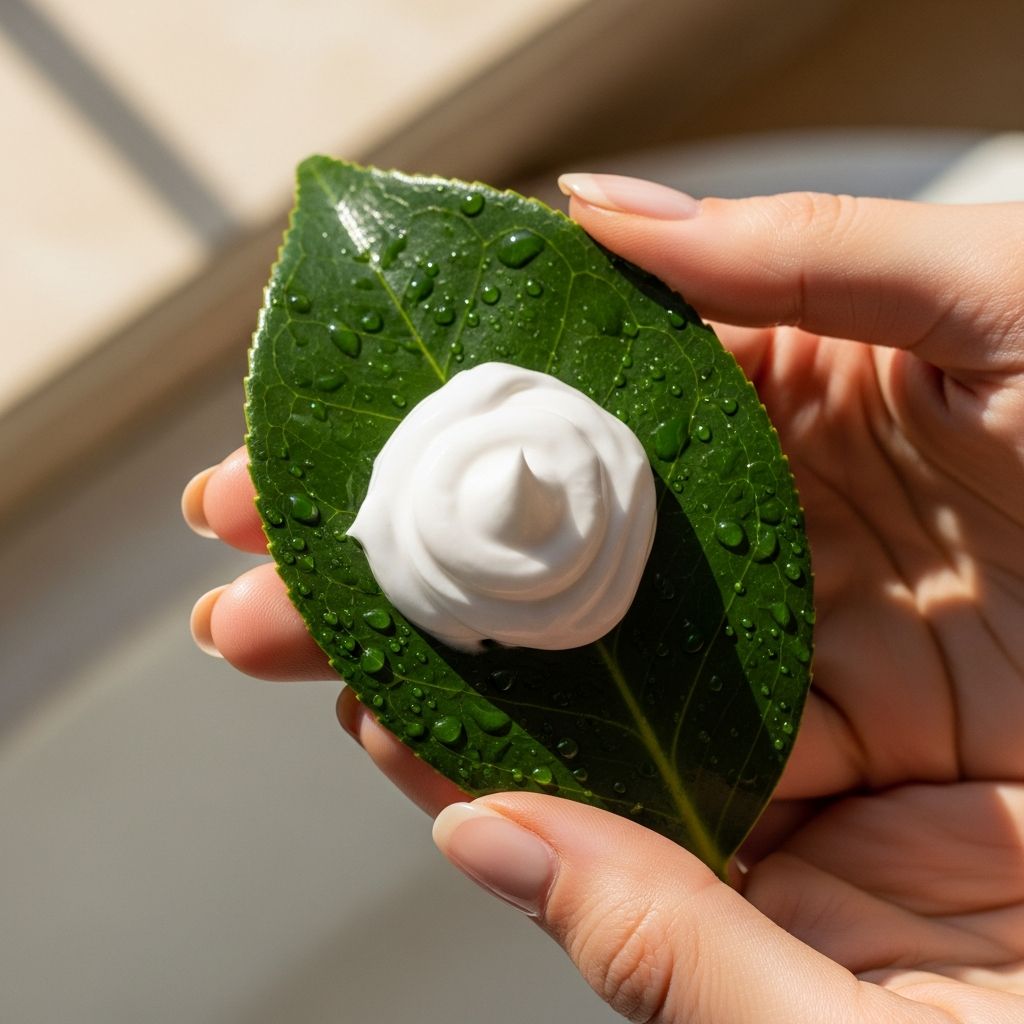
Moisturizer can be a skin savior, but using too much of it—or using the wrong one—can quietly create the very problems you are trying to fix, like dullness, clogged pores, or chronic sensitivity. Your skin thrives on balance, not endless layers of cream.
This guide explains what really happens when you over-moisturize, how to tell if your skin is becoming dependent on products, and how to design a routine that keeps your barrier strong without smothering it.
Why Your Skin Needs Moisture (But Not a Flood)
Your skin has its own built-in moisturizing system made of natural lipids, proteins, and a fine-tuned barrier that regulates water loss. When this system is supported—not replaced—it can keep your skin soft, flexible, and resilient.
Moisturizers are designed to assist this process by reducing water loss, smoothing the surface, and providing comfort when the barrier is stressed, but they were never meant to completely take over the job your skin is supposed to do for itself.
The Three Core Functions of Moisturizers
- Humectants: Ingredients like glycerin or hyaluronic acid that attract water into the skin.
- Emollients: Oils and lipids that smooth rough texture and fill in micro-cracks on the surface.
- Occlusives: Waxier or heavier components that create a light seal to slow down water loss.
Balanced formulas combine these functions so skin stays hydrated without feeling sticky, suffocated, or greasy.
What Happens When You Over-Moisturize?
Over-moisturizing does not always look dramatic; it often shows up as a slow shift in how your skin behaves. Instead of feeling steadily healthier, your complexion may become lazier, needier, or more reactive over time.
When the surface is constantly coated in heavy creams, your skin can start to rely on that external moisture instead of maintaining its own natural balance.
Subtle Signs You Are Using Too Much
- Your skin feels dry or tight again quickly unless you constantly reapply cream.
- You notice more clogged pores, blackheads, or small bumps even if you are not especially oily.
- Makeup pills, slides, or never seems to sit smoothly, no matter what primer you try.
- Your previously normal or combination skin now stings easily with new products.
- You feel you must have a thick cream at all times or your face feels uncomfortable.
How Over-Moisturizing Can Disrupt Your Skin
When you routinely create a high level of surface moisture with rich products, your skin receives the message that there is no need to work as hard to regulate water and repair its own barrier. Over time, this can lead to a weaker, more easily irritated outer layer.
Excess cream sitting on top of the skin can also trap dead cells and debris, which interferes with natural exfoliation and contributes to dullness and congestion.
| Aspect | Balanced Hydration | Over-Moisturizing |
|---|---|---|
| Skin feel | Comfortable, flexible, not tight between applications. | Initially soft, then quickly tight, greasy, or oddly dry again. |
| Texture | Smooth with natural sheen. | Dull, bumpy, or coated-looking. |
| Barrier behavior | Resilient, handles new products well. | Reactive, easily stings or flushes. |
| Pores | Stable, consistent in appearance. | More congestion, blackheads, and stubborn tiny bumps. |
| Dependence | Can skip moisturizer occasionally without crisis. | Feels miserable or tight without immediate reapplication. |
Skin Type: How Much Moisturizer Is Just Right?
The right amount of moisturizer depends heavily on your skin type and environment; what feels perfect for someone in a cold, dry climate may be far too much for someone in a hot, humid city.
Instead of copying someone else’s routine product for product, use your own skin’s feedback—shine, tightness, flaking, or clogged pores—as your primary guide.
Dry or Dehydrated Skin
Dry skin lacks oil, while dehydrated skin lacks water, and in reality many people have some degree of both. These skin types often feel rough, tight, and can show fine lines more easily.
- Choose richer creams with both humectants and replenishing lipids.
- Apply once or twice daily, focusing on slightly damp skin after cleansing.
- Avoid layering multiple heavy oils and balms on top of thick creams every night unless prescribed by a professional.
Oily or Acne-Prone Skin
Oily skin still needs moisture, but it does not need to be suffocated with occlusive formulas that trap sebum and debris. The goal is to hydrate without adding unnecessary heaviness.
- Use lightweight gels or emulsions labeled non-comedogenic.
- Once-daily moisturizing is often enough, with a second application only if you feel actual tightness.
- Skip multiple overlapping “dewy” products that all contain occlusives.
Combination and Normal Skin
Combination skin may be oily in the T-zone and drier on the cheeks, while normal skin tends to feel fairly even overall. For both, a flexible approach works best.
- Use a light lotion for the whole face, then spot-treat dry patches with a richer cream.
- In warm, humid weather, scale down to a gel or even just a hydrating serum plus sunscreen.
- In cold or windy seasons, upgrade to slightly richer textures—but still avoid piling on multiple creams at once.
Common Moisturizer Mistakes That Sabotage Your Skin
Many people do not realize that their moisturizer habits—not just their cleanser or actives—are contributing to breakouts, redness, or lingering dryness. A few simple adjustments can transform how your skin behaves.
Looking carefully at the quantity, frequency, and layering patterns of your products often reveals easy places to correct course.
Using Too Much Product Per Application
For the face, a pea-size to small grape-size amount is usually plenty, depending on texture and skin type. Applying more than that tends to sit on the surface rather than delivering extra benefits.
With thick creams and balms, start on the drier areas of your face, using whatever is left on your fingers for the oilier zones like the nose and chin.
Layering Too Many Hydrating Products
It is tempting to stack essences, serums, creams, and facial oils in the hope that more layers equal more glow. In practice, this can create a sticky film that interferes with absorption and causes congestion.
A streamlined routine with one well-formulated hydrating serum and one appropriate moisturizer is often more effective than four different products promising the same thing.
Ignoring Your Environment
Using the same heavy moisturizer year-round does not make sense if your climate changes drastically between seasons. What feels soothing in winter may feel suffocating in the summer.
Adapting to your environment—heat, humidity, wind, and indoor heating or air conditioning—helps keep your barrier stable and reduces the urge to constantly over-correct with more product.
The Skin Barrier: Your Real Best Friend
The outermost layer of the skin, often called the barrier, is made of tightly packed cells and lipids arranged like bricks and mortar. When this structure is strong, it keeps water in and irritants out.
Over-moisturizing can interfere with the skin’s normal turnover and signaling, slowly weakening this protective wall instead of supporting it.
Habits That Support a Strong Barrier
- Use a gentle, non-stripping cleanser instead of aggressive foaming washes.
- Avoid over-exfoliation with strong acids or scrubs layered with many active serums.
- Choose moisturizers that feel comfortable but not smothering; your skin should not feel coated for hours.
- Protect your skin from daily sun exposure with a broad-spectrum sunscreen.
Designing a Smart Moisturizer Routine
A good routine does not have to be complex; it just needs to be consistent and responsive to how your skin behaves. Think of moisturizer as one useful tool, not the entire toolbox.
Start with the basics, then only add steps that serve a clear purpose and truly improve how your skin looks and feels over several weeks, not just on the first night.
Morning Routine Blueprint
- Cleanse (if needed): Use a gentle cleanser, or just rinse with lukewarm water if your skin is not oily or dirty upon waking.
- Hydrating serum: Optional, but helpful for dehydrated or tight-feeling skin.
- Moisturizer: Apply a thin, even layer; focus on areas that feel drier.
- Sunscreen: Finish with broad-spectrum SPF; this step also contributes to barrier health.
Evening Routine Blueprint
- Cleanse: Remove makeup, sunscreen, and daily grime with a gentle cleanser.
- Treatment step: Use any targeted products (like retinoids or exfoliating acids) as recommended.
- Moisturizer: Use enough to feel comfortable, but not so much that your face feels greasy or slippery on your pillow.
If your skin looks dull or feels coated in the morning, consider reducing the amount or richness of your night cream.
How to Gently “Wean” Your Skin Off Moisturizer Overload
If you suspect your skin has become dependent on constant heavy moisturizing, sudden withdrawal is not the answer. Instead, reduce gradually so your skin has time to revive its own hydrating functions.
Patience is crucial; it can take several weeks for your barrier to adjust and for your skin to learn to regulate itself again.
Step-by-Step Reset Plan
- Week 1–2: Keep your current moisturizer but use a bit less and skip one application every few days when your skin feels comfortable.
- Week 3–4: Switch to a lighter formula or use your heavier cream only at night, with a gel or lotion in the morning.
- Beyond 4 weeks: Adjust frequency based on feedback—if your skin feels consistently balanced, you may not need thick creams except in harsh weather.
Throughout this process, avoid introducing multiple new exfoliants or strong actives, which can confuse the situation and stress your barrier further.
When to See a Professional
If you experience persistent redness, burning, or rash-like patches that do not improve after simplifying your routine, it is time to consult a dermatologist. Some conditions can mimic simple irritation but actually require medical treatment.
A professional can also help distinguish between skin that is truly dry, skin that is over-treated, and skin that is reacting to fragrance or another ingredient in your products.
Frequently Asked Questions
Can I really “train” my skin to need less moisturizerr?
You are not training your skin to need less care altogether; you are giving its natural barrier a chance to work properly again. By avoiding constant over-coating, you encourage your skin to regulate water loss more efficiently, so it feels comfortable with a reasonable, not excessive, amount of product.
Is it ever okay to use a very thick cream?
Yes, thick creams have a place, especially in cold climates, after procedures, or if your skin is truly dry and compromised. The key is to reserve them for situations where they are needed, instead of using them automatically every day in all seasons.
What if my skin still feels tight after moisturizing?
Persistent tightness may mean your formula is not right for your skin type or that your cleanser is too harsh. Try switching to a gentler cleanser and a moisturizer with a better balance of humectants and lipids, and give it a few weeks before judging the results.
Can over-moisturizing cause breakouts even if I am not oily?
Yes, heavy or overly occlusive products can trap dead skin and debris, leading to clogged pores and bumps even on skin that is not naturally oily. Choosing non-comedogenic, lighter textures and reducing layers often helps these breakouts resolve.
Is skipping moisturizer sometimes a bad idea?
If your skin is already dry, mature, or using strong treatments like retinoids, skipping moisturizer entirely may lead to irritation and barrier damage. The aim is not to avoid moisturizer, but to use the right amount and type for your specific needs.
When moisturizer is used thoughtfully—appropriate texture, modest amount, and flexible frequency—it becomes a powerful ally instead of a crutch. Listen to your skin’s real-time feedback and do not be afraid to simplify; often, less cream and more balance is exactly what your complexion is asking for.