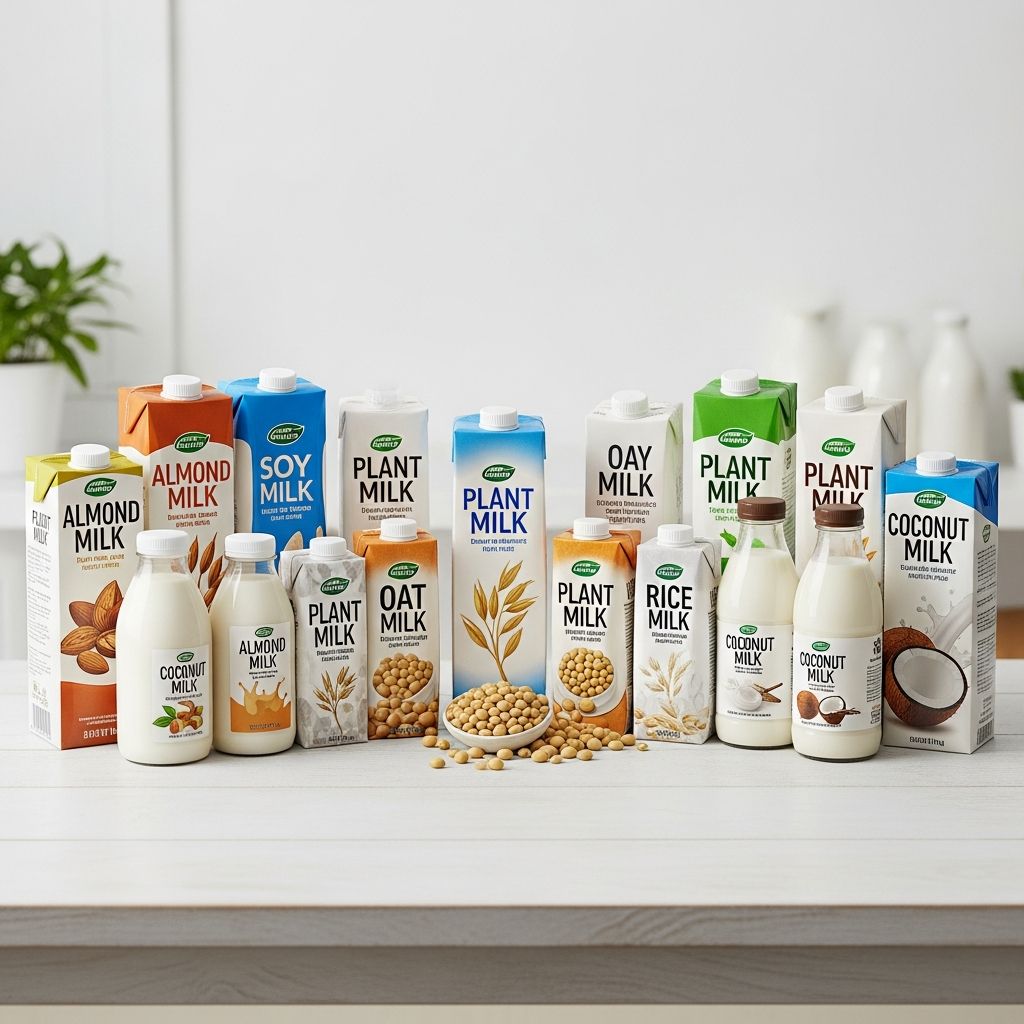
Plant-based milks have become essential in many households, offering alternatives to traditional dairy for children with lactose intolerance, allergies, or families embracing plant-forward diets. These beverages, derived from nuts, grains, legumes, and seeds, provide varied nutritional benefits tailored to growing kids’ needs.
Understanding Plant-Based Milks and Their Rise
The popularity of plant milks stems from their versatility in cereals, smoothies, and cooking, accommodating dietary restrictions while promoting sustainability. Unlike cow’s milk, which naturally contains lactose, protein, and fats from animal sources, plant milks are processed from plants like almonds, oats, soy, peas, and coconuts. Parents must evaluate these options based on fortification, as natural nutrient levels differ significantly from dairy.
For children, selecting the right plant milk ensures adequate intake of calcium, vitamin D, protein, and other essentials for bone development and overall growth. Always prioritize unsweetened varieties to avoid excess added sugars that offer no nutritional value.
Key Nutritional Factors for Children’s Health
When choosing plant milks for kids, focus on these critical nutrients:
- Protein: Vital for muscle growth and satiety; cow’s milk and soy provide about 8g per cup, while almond lags at 1g.
- Calcium and Vitamin D: Essential for strong bones; many plant milks are fortified to match dairy’s 30% RDA calcium and 20-30% vitamin D.
- Fats: Opt for polyunsaturated fats in soy and nut milks over saturated fats in coconut; zero saturated fat in almond and skim cow’s milk.
- Fiber and Carbs: Oat milk excels in fiber for digestion, but higher carbs suit active kids better than low-carb diets.
- Potassium and Omega-3s: Pea milk leads with 450mg potassium and added omega-3s for heart health.
Check labels, as fortification varies; the FDA notes plant milks from grains, legumes, nuts, and seeds aren’t inherently equivalent to dairy.
Popular Plant Milk Varieties: Pros, Cons, and Comparisons
Explore top options with a nutritional breakdown per unsweetened cup (approximate values based on fortified products):
| Milk Type | Calories | Protein (g) | Calcium (% DV) | Vitamin D (% DV) | Notable Features |
|---|---|---|---|---|---|
| Almond | 30-40 | 1 | 45 | 25 | Low cal, vitamin E, nutty flavor; thin texture |
| Oat | 100-120 | 3 | 25-35 | 20 | Creamy, high fiber, B vitamins; carb-heavy |
| Soy | 80-100 | 7-8 | 30-45 | 20-30 | High protein, low sat fat, complete amino acids |
| Coconut | 40-60 | 0-1 | 45 | 20 | Tropical taste, MCTs for energy; higher sat fat |
| Pea | 70-80 | 8 | 45 | 30 | High potassium, omega-3s, nut/soy-free |
| Cow’s (2% for ref) | 120 | 8 | 30 | 20 | Natural lactose, leucine for growth |
Almond milk suits calorie-conscious families with its lightness, ideal for smoothies. Oat milk’s creaminess mimics dairy in coffee or cereal, aiding texture transition for kids. Soy stands out for protein matching cow’s milk, perfect for active children. Coconut adds flavor to baking but watch saturated fats. Pea protein milk emerges as a hypoallergenic powerhouse.
Allergies, Intolerances, and Safe Choices for Kids
One in five children has food allergies, making plant milks crucial. Almond and coconut pose nut risks; soy affects those with legume sensitivities; oat may contain gluten traces. Pea milk avoids nuts, soy, and dairy, ideal for multiple allergies.
For lactose intolerance, all plant milks work, but ensure fortification replaces dairy’s natural nutrients. Consult pediatricians for infants under 1 year, as no plant milk fully replicates breast milk or formula.
Selecting the Best Plant Milk for Your Family
Read labels meticulously:
- Choose unsweetened to limit sugars (some sweetened almond has 16g added).
- Verify fortification for calcium, D, A, B12.
- Inspect ingredients: Short lists (e.g., oats + water) beat those with gums or oils.
- Consider taste tests: Kids prefer creamy oat or vanilla soy.
- Budget for organic if pesticides concern you in nuts/grains.
Store in fridge post-opening; shelf-stable types last longer unopened. Blend varieties for balanced nutrition, like soy for protein and almond for low calories.
Practical Uses in Family Meals and Snacks
Integrate plant milks seamlessly:
- Breakfast: Oat or soy in oatmeal or cereal for creaminess.
- Beverages: Almond in smoothies with fruits for low-cal refreshment.
- Baking: Coconut for tropical muffins; soy as egg replacer.
- Dinner: Pea milk in mashed potatoes or soups for protein boost.
- Snacks: Frozen banana ‘nice cream’ with any plant milk.
Recipe idea: Berry Protein Smoothie – Blend 1 cup soy milk, frozen berries, spinach, peanut butter. Yields 8g protein, kid-approved.
Potential Drawbacks and How to Mitigate Them
Plant milks aren’t perfect: Low protein in almond/oat requires dietary compensation via beans, nuts. Higher carbs in oat suit most but not keto families. Environmental impact varies; almond uses water heavily, soy less so.
Oxalates in almond may hinder calcium absorption—rotate options. For balanced diets, pair with whole foods; no single milk suffices alone.
Frequently Asked Questions
Can plant milks replace cow’s milk for toddlers?
Yes for ages 1+, but choose fortified high-protein like soy or pea, and consult doctors for nutrition gaps.
Which plant milk is best for baking?
Oat or soy for creaminess and structure; coconut for flavor in tropical recipes.
Are sweetened plant milks okay occasionally?
In moderation for taste transition, but prioritize unsweetened to curb sugar habits.
Is pea milk suitable for nut-allergic kids?
Absolutely—it’s nut, soy, dairy-free with excellent protein and minerals.
How do I know if a plant milk is fortified?
Check Nutrition Facts for %DV of calcium (25-50%), vitamin D (15-30%).
Building Healthy Habits with Plant Milks
Introduce gradually via familiar recipes. Track growth with pediatric checkups. Plant milks empower diverse diets, fostering health and inclusivity. With informed choices, families thrive on these versatile beverages.
References
- Non-Dairy Milk Faceoff: Comparing Nutritional Benefits and Taste — Beverage Universe. 2023. https://beverageuniverse.com/blog/post/non-dairy-milk-faceoff-comparing-nutritional-benefits-and-taste.html
- Milk Comparison Chart For Dairy/Non Dairy Milks — Bucket List Tummy. 2023. https://www.bucketlisttummy.com/nutritionalbenefitsofmilk/
- 6 Nutrients to Look for When Choosing Dairy or Plant-Based Milk — Kaiser Permanente. 2024. https://healthy.kaiserpermanente.org/health-wellness/healtharticle.plant-based-milk-alternatives
- Cow’s Milk and Milk Alternatives: Nutrition Comparison — Healthline. 2024. https://www.healthline.com/health/milk-almond-cow-soy-rice
- Milk and Plant-Based Milk Alternatives: Know the Nutrient Difference — U.S. Food and Drug Administration (FDA). 2023-10-20. https://www.fda.gov/consumers/consumer-updates/milk-and-plant-based-milk-alternatives-know-nutrient-difference