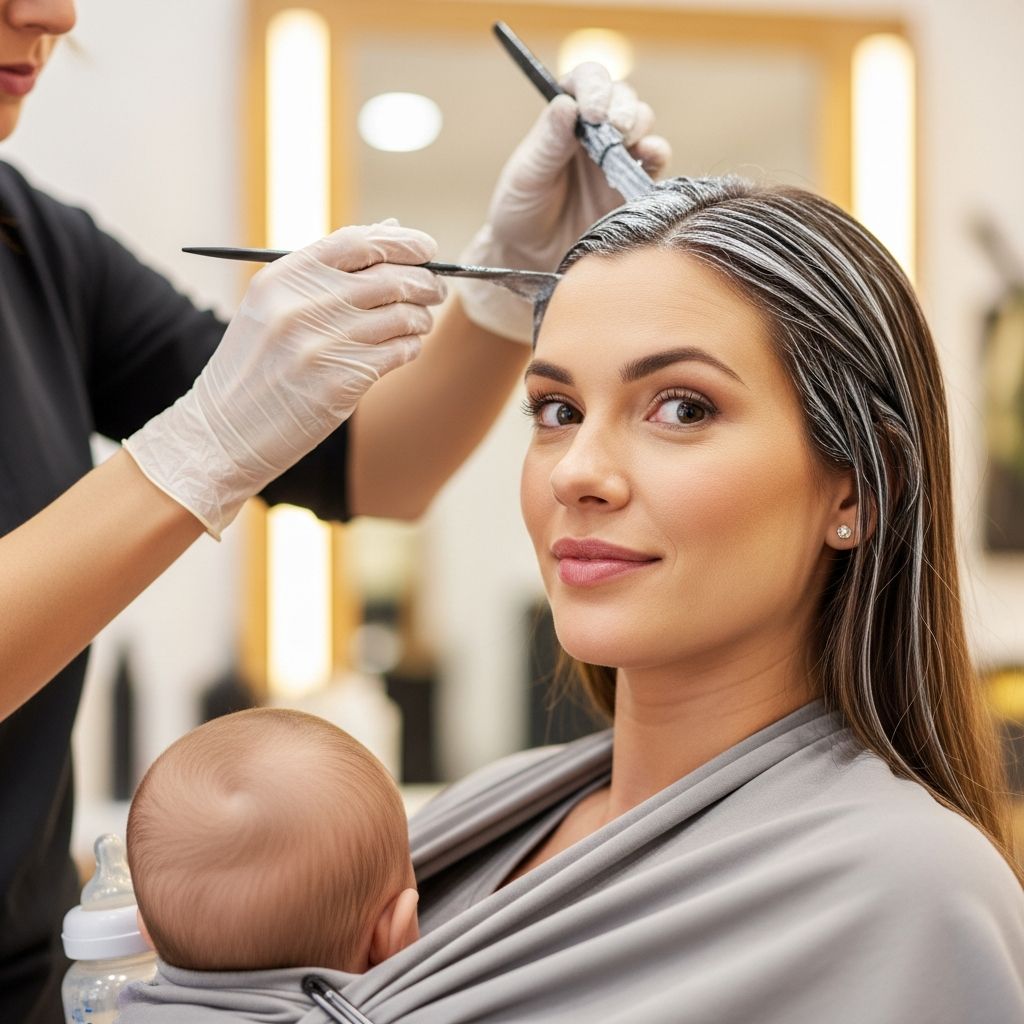
Many new mothers crave a touch of normalcy amid the demands of breastfeeding, and refreshing their hair color often tops the list. The good news is that current evidence suggests hair dye poses minimal risk to breastfed infants when used properly. This guide dives into the science, practical advice, and alternatives to help you make informed choices.
Understanding Chemical Absorption in Hair Treatments
Hair dyes contain chemicals like ammonia, hydrogen peroxide, and paraphenylenediamine (PPD) that color strands but interact minimally with the body. When applied to healthy scalps, these substances primarily coat the hair shaft rather than penetrating deeply into the skin.
Absorption occurs through the scalp’s outer layer, but studies show only trace amounts enter the bloodstream—far too little to transfer meaningfully into breast milk. For context, the journey from scalp to milk requires crossing multiple barriers, including skin, blood, and mammary glands, which dyes rarely achieve in significant quantities.
- Key factor: Healthy scalp integrity blocks most chemicals.
- Risk increasers: Open wounds, infections, or inflammation could allow deeper penetration.
- Quantity absorbed: Typically under 1% of applied dye reaches systemic circulation.
This low bioavailability explains why organizations like the American Academy of Pediatrics do not flag hair coloring as a concern for nursing mothers.
Scientific Evidence on Lactation and Hair Products
Research specifically on breastfeeding and hair dye is limited due to ethical constraints on studying lactating women, but available data is reassuring. Animal studies expose subjects to doses 100 times human levels without miscarriage links, except for formaldehyde in certain straighteners.
Human occupational studies, like those on salon workers, show no elevated risks for breastfeeding outcomes when ventilation is adequate. The National Institutes of Health notes that proper use makes significant milk contamination unlikely.
| Study Type | Finding | Source Relevance |
|---|---|---|
| Animal Exposure | No miscarriage risk at high doses | MotherToBaby Fact Sheet |
| Occupational | Minimal infant impact | NIH Guidelines |
| Dermatologist Review | Negligible blood/milk transfer | Expert Consensus |
One outlier: Weekly professional exposure abroad hinted at stillbirth risks, but this involves chronic, high-level contact unlike occasional personal use.
Practical Safety Tips for Coloring at Home or Salon
To minimize any potential exposure, follow these evidence-based steps whether DIY or professional.
- Choose well-ventilated spaces to disperse fumes, especially ammonia-heavy products.
- Wear gloves and old clothes; cover skin to prevent contact.
- Test for allergies 48 hours prior on a small patch.
- Rinse thoroughly and avoid leaving product on longer than instructed.
- Opt for ammonia-free or low-chemical formulas.
For salon visits, schedule when baby is napping or with a caregiver. At-home, enlist help to handle mixing. Post-treatment, wash hair promptly before nursing.
Comparing Hair Dye Types: Risks and Recommendations
| Dye Type | Chemical Load | Scalp Contact | Breastfeeding Safety |
|---|---|---|---|
| Permanent | High (ammonia, peroxide) | Direct | Safe with precautions |
| Semi-Permanent | Medium | Minimal | Very low risk |
| Highlights/Balayage | Low | None | Safest option |
| Henna/Natural | Very low | Variable | Ideal for sensitive scalps |
Highlights stand out as they bypass the scalp entirely, saturating only strands. Natural options like pure henna avoid synthetics altogether, though purity matters—check for additives.
Special Considerations for Postpartum Scalp Health
Postpartum hormonal shifts can cause scalp sensitivity, dryness, or conditions like seborrheic dermatitis. Treat these first to ensure a strong barrier. Avoid dyeing if you have active sores, as penetration rises.
For the first 3 months, some experts suggest delaying chemical treatments due to newborn sensitivity to smells, opting for temporary rinses instead. Always consult your lactation consultant or pediatrician if unsure.
Alternatives to Traditional Chemical Dyes
Not ready for full color? Explore these low-risk refreshes:
- Vegetable-based dyes: Henna, indigo for red/brown tones; chemical-free but patch-test.
- Heat styling: Blowouts or irons for dimension without color.
- Temporary sprays: Wash out in one shampoo, no absorption.
- Root concealers: Powders or pencils for grays.
These maintain appearance with zero systemic risk, perfect for early postpartum.
Self-Care Benefits for Breastfeeding Mothers
Beyond safety, hair refreshes boost mood and confidence—vital during sleep-deprived months. Motherhood self-care combats burnout; small indulgences like color sustain mental health without sacrificing baby’s well-being.
Balance with breastfeeding supports: Pump in advance if needed, and prioritize hydration/nutrition post-treatment.
Frequently Asked Questions
Is it safe to dye hair during the first month postpartum?
Delay if possible due to potent newborn senses and scalp recovery, but no direct milk risks per evidence. Use ventilation and mild products.
What if my baby reacts to salon smells?
Ammonia fumes can irritate; choose fragrance-free dyes or time treatments when baby is away. Shower post-color.
Can I do keratin treatments while nursing?
Avoid formaldehyde-releasing ones; they pose inhalation risks. Safer ammonia-free options exist with precautions.
How soon after dyeing can I nurse?
Immediately after thorough rinsing—chemicals don’t linger in milk. No need to pump/dump.
Are organic dyes completely risk-free?
Mostly, but verify no hidden PPD or metals. Pure plant-based are best.
Expert Consensus and When to Consult a Professional
Pediatric and dermatology experts agree: Occasional hair coloring aligns with breastfeeding. For personalized advice, discuss with your OB-GYN or a board-certified lactation consultant, especially with allergies or skin issues.
Empower your choices with knowledge—enjoy that fresh look guilt-free.
References
- Hair Treatments — MotherToBaby | NCBI Bookshelf. 2023. https://www.ncbi.nlm.nih.gov/books/NBK582739/
- Does dying hair after childbirth affect breast milk? — Vinmec International Hospital. 2023-05-15. https://www.vinmec.com/eng/blog/does-postpartum-hair-dyeing-affect-breast-milk-en
- Hair Treatment During Pregnancy — American Pregnancy Association. 2024-02-10. https://americanpregnancy.org/healthy-pregnancy/is-it-safe/hair-treatments-during-pregnancy/
- Is it safe to color hair when breastfeeding? — YouTube (Dermatologist). 2023-07-20. https://www.youtube.com/watch?v=1Myk8s2ipow
- Can I Color My Hair While Breastfeeding? — Be My Breastfriend (citing AAP/NIH). 2024. https://bemybreastfriend.com/blogs/health-wellness-breastfeeding/can-i-dye-my-hair-while-breastfeeding