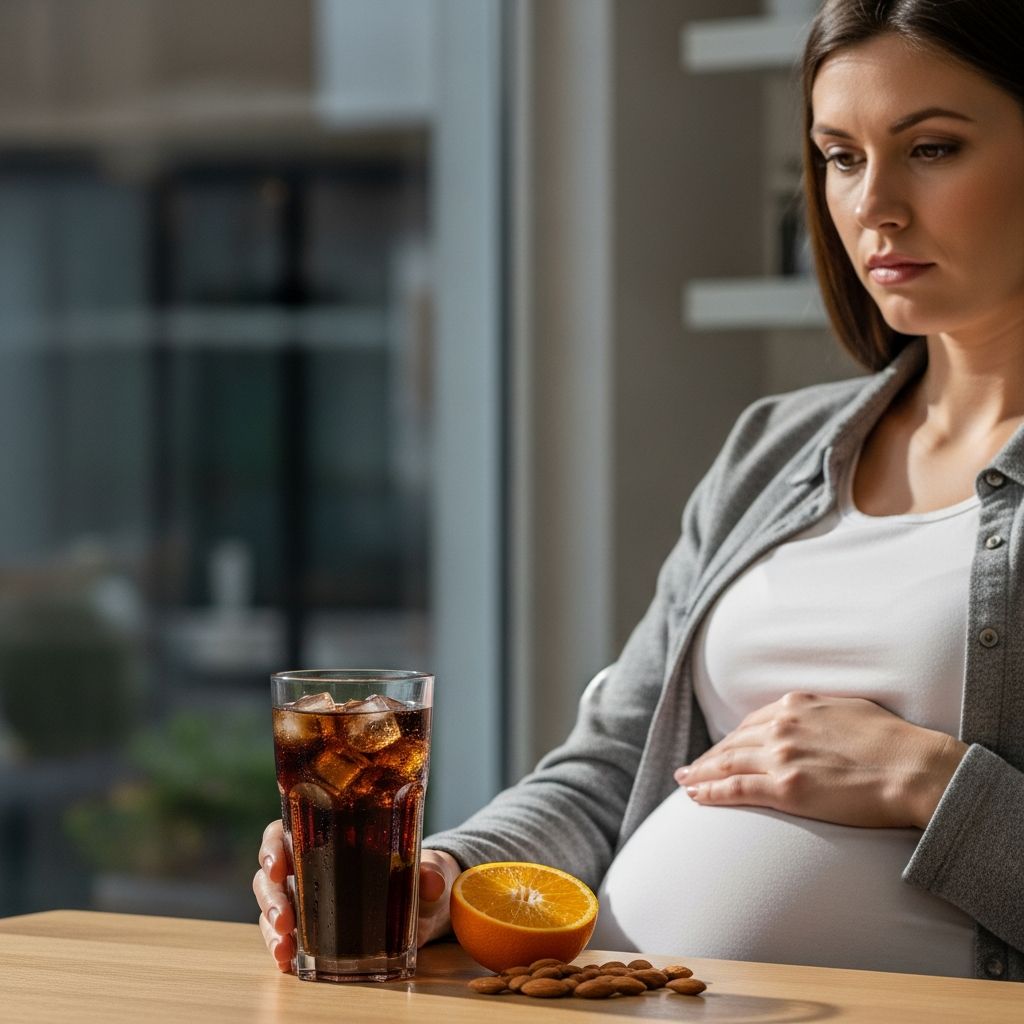
Pregnant individuals often face questions about everyday beverages like soda, balancing cravings with health concerns for themselves and their baby. While occasional consumption may not pose major issues, regular intake of sodas—whether regular, diet, or caffeine-free—carries potential risks due to caffeine, high sugar, artificial additives, and acids. Health experts recommend moderation, ideally limiting to less than one serving daily, to minimize complications like gestational diabetes, preterm birth, and childhood health issues.
Understanding Soda’s Ingredients and Pregnancy Impact
Soda typically contains carbonated water, sweeteners (sugar or artificial), caffeine in many varieties, phosphoric or citric acids for flavor, and preservatives. During pregnancy, these components can affect maternal weight, blood sugar control, fetal development, and even long-term child health. The American College of Obstetricians and Gynecologists (ACOG) advises keeping added sugars low and caffeine under 200mg daily, as excessive intake correlates with adverse outcomes.
Key concerns include:
- Caffeine: Crosses the placenta, potentially influencing fetal growth.
- Sugar: Contributes empty calories, risking excessive gestational weight gain.
- Artificial Sweeteners: Limited data on placental transfer and developmental effects.
- Acids: May exacerbate dental issues common in pregnancy.
Caffeine in Soda: Setting Safe Boundaries
Many colas and energy-like sodas pack 30-50mg of caffeine per 12-ounce serving. Research indicates that up to 200mg daily (about 4-5 cans of caffeinated soda) is generally safe, but evidence is not conclusive due to variability in studies. Caffeine readily passes through the placenta, and high doses may restrict fetal growth or increase miscarriage risk, though moderate intake shows no definitive harm.
A review of studies highlights that while low-to-moderate caffeine does not consistently link to poor outcomes, pregnant people should monitor total intake from all sources like coffee, tea, and chocolate. Opt for caffeine-free versions if cravings strike, but even these carry other risks.
The Dangers of Sugar-Loaded Sodas
Regular sodas deliver 10-12 teaspoons of sugar per can, offering no nutritional value while promoting weight gain and blood sugar spikes. Frequent consumption is linked to gestational diabetes, a condition affecting 7-10% of pregnancies, leading to complications like macrosomia (large baby) and cesarean delivery. Pre-pregnancy overweight exacerbates these risks, with sugar-sweetened beverages (SSBs) contributing to poor diet quality.
Studies reveal broader impacts:
- A 2012 analysis associated more than one daily SSB or artificially sweetened drink with elevated preterm birth risk.
- 2018 research tied high maternal sugar intake, particularly from sodas, to children’s reduced nonverbal problem-solving and verbal memory.
- A 2017 study suggested second-trimester SSB consumption increases childhood asthma odds by age 8.
Excessive gestational weight gain from SSBs also heightens preeclampsia, hypertension, and type 2 diabetes post-pregnancy. One study found mothers with high fructose intake (common in sodas) were 61-63% more likely to have children with asthma.
Diet Sodas and Artificial Sweeteners: A Mixed Picture
Diet sodas replace sugar with aspartame, acesulfame-K, or sucralose, approved by the FDA for moderate use during pregnancy. However, saccharin is discouraged due to placental crossing without sufficient safety data. Those with phenylketonuria (PKU) must avoid aspartame entirely.
While generally considered safe, emerging research questions long-term effects, as some sweeteners may alter fetal gut microbiota or metabolism. Benzene traces in certain carbonated drinks and enamel-eroding acids add concerns, especially with pregnancy’s heightened cavity risk. Fertility studies also note daily diet soda intake links to 20% reduced conception chances pre-pregnancy.
Health Risks Quantified: A Comparative Overview
The table below summarizes key risks from regular soda intake based on research:
| Risk Factor | Associated Outcome | Evidence Strength |
|---|---|---|
| High Sugar Intake | Preterm birth, gestational diabetes, childhood asthma | Strong (multiple cohort studies) |
| Caffeine >200mg/day | Fetal growth restriction | Moderate (observational) |
| Artificial Sweeteners | Potential developmental effects | Limited (ongoing research) |
| Daily SSB Consumption | Excessive weight gain, hypertension | Strong (longitudinal) |
This data underscores why health bodies urge limiting SSBs to promote optimal outcomes.
Who Should Be Extra Cautious?
Individuals with gestational diabetes, preeclampsia risk, obesity, or dental issues face amplified dangers. High SSB intake correlates with poorer neonatal outcomes like large-for-gestational-age babies and labor induction. Partners planning conception should note male SSB consumption reduces fertility by up to 33%.
Healthier Alternatives to Satisfy Cravings
Replace soda with nutrient-dense options:
- Sparkling Water: Add fresh fruit slices for natural fizz and flavor.
- Herbal Teas: Caffeine-free varieties like ginger or peppermint soothe nausea.
- Milk or Fortified Alternatives: Provide calcium and protein for bone health.
- 100% Fruit Juice: Dilute to limit sugar; prefer whole fruits.
- Infused Water: Cucumber, lemon, or mint for refreshing hydration.
Aim for 8-10 glasses of water daily, as hydration supports amniotic fluid and reduces swelling.
Practical Tips for Reducing Soda Intake
Gradual changes ease transitions:
- Track Consumption: Log daily intake to stay under limits.
- Read Labels: Choose low-sugar or natural options.
- Set Goals: Aim for soda-free days, rewarding with healthy treats.
- Consult Providers: Discuss personal risks with obstetricians.
These strategies support healthy weight management and reduce chronic disease risks.
Frequently Asked Questions About Soda in Pregnancy
Can I drink one soda a day while pregnant?
Occasional soda (1 per day or less) is generally fine, but prioritize low-sugar, low-caffeine types to avoid cumulative risks.
Is diet soda safer than regular during pregnancy?
Not necessarily; both pose issues—sugar for weight and diabetes, artificial sweeteners for uncertain long-term effects.
Does soda cause gestational diabetes?
High SSB intake increases risk by promoting insulin resistance and excess weight gain.
What if I crave soda badly?
Opt for alternatives like sparkling water with a splash of juice; cravings often pass with balanced nutrition.
Can soda affect my baby’s development?
Yes, studies link maternal SSB to preterm birth, asthma, and cognitive delays in children.
Long-Term Considerations for Family Health
Beyond pregnancy, curbing soda habits models healthy behaviors for children, reducing obesity and diabetes risks. Research shows early SSB exposure influences lifelong preferences, perpetuating cycles of poor health.
Pregnancy is an ideal time to adopt sustainable changes, benefiting maternal postpartum recovery and family wellness.
References
- Drinking Soda During Pregnancy: Safety, Side Effects & More — Healthline. 2021-03-22. https://www.healthline.com/health/pregnancy/soda-during-pregnancy
- Drinking Soda While Pregnant Could Increase Your Child’s Risk of Asthma, Study — MD Spiro. N/A. https://mdspiro.com/drinking-soda-while-pregnant-could-increase-your-childs-risk-of-asthma-study/
- One or More Sodas a Day Associated with Lower Chance of Getting Pregnant — Boston University. 2018. https://www.bu.edu/articles/2018/soda-and-fertility/
- Sugar-sweetened Beverage Intake among Pregnant and Non-Pregnant Women of Reproductive Age — PMC (Peer-reviewed). 2024. https://pmc.ncbi.nlm.nih.gov/articles/PMC10949990/
- High sugary beverage consumption during pregnancy linked to increased health risks — News-Medical.net. 2024-07-30. https://www.news-medical.net/news/20240730/High-beverage-consumption-during-pregnancy-linked-to-increased-health-risks.aspx