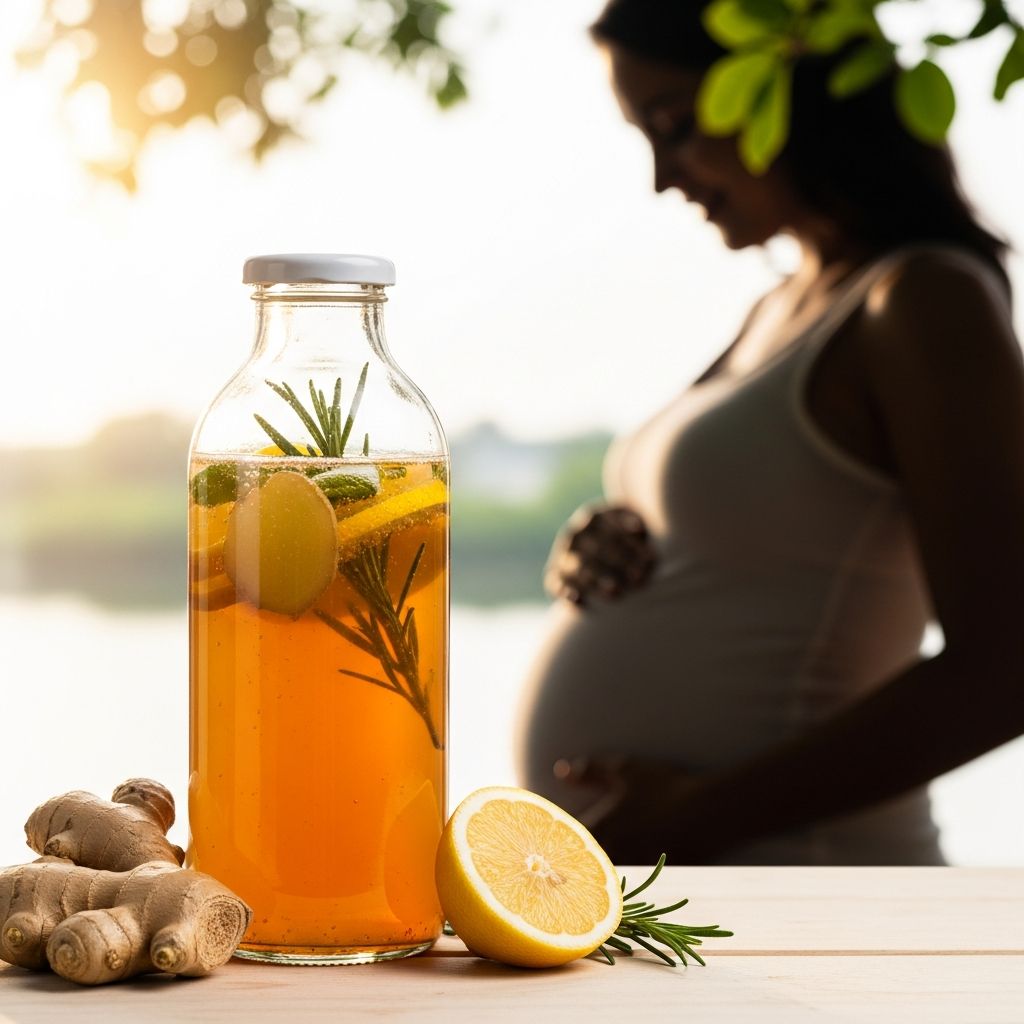
Expecting mothers often seek out fermented drinks like kombucha for their potential health perks, but concerns about safety arise due to its unique composition. While kombucha offers probiotics and antioxidants, its alcohol, caffeine, and bacterial elements prompt caution during pregnancy.
Understanding Kombucha’s Composition
Kombucha starts as sweetened tea fermented by a symbiotic culture of bacteria and yeast, known as SCOBY. This process yields a fizzy beverage rich in organic acids, vitamins, and live microbes. Key elements include trace alcohol from fermentation (typically under 0.5% ABV in commercial versions), caffeine from the tea base (around 10-25 mg per 8 oz serving), and varying sugar levels depending on the brand.
Proponents highlight benefits like gut health support from probiotics and antioxidant effects that may aid detoxification. However, these advantages are weighed against pregnancy-specific vulnerabilities, where even minor exposures can amplify risks.
Primary Risks for Pregnant Women
Pregnancy alters immune function, metabolism, and fetal development, making certain beverages riskier. Here’s a detailed look at kombucha’s concerns:
- Alcohol Exposure: No safe alcohol threshold exists during pregnancy. Even low levels (0.5% ABV) in kombucha can accumulate, potentially leading to fetal alcohol spectrum disorders (FASDs), preterm birth, or developmental issues.
- Caffeine Content: With guidelines capping intake at 200 mg daily, kombucha’s caffeine can contribute significantly, especially alongside coffee or tea. Excess links to low birth weight and miscarriage risks.
- Bacterial Contamination: Unpasteurized kombucha risks harmful pathogens like listeria, heightened in pregnancy due to lowered immunity.
- High Acidity: pH levels (2.5-3.5) may exacerbate heartburn, nausea, or digestive woes common in pregnancy.
- Sugar Overload: Flavored varieties add calories, risking gestational diabetes or excessive weight gain.
| Risk Factor | Typical Level in 8 oz Kombucha | Pregnancy Concern |
|---|---|---|
| Alcohol | 0.5% ABV or less | FASDs, preterm birth |
| Caffeine | 10-25 mg | Low birth weight |
| Acidity (pH) | 2.5-3.5 | Heartburn, nausea |
| Sugar | 2-10g | Weight gain, diabetes risk |
This table summarizes key metrics, underscoring why moderation—or avoidance—is advised.
Commercial vs. Homemade Kombucha
Store-bought kombucha undergoes regulation, limiting alcohol to 0.5% ABV and often pasteurization to kill bacteria. Yet, experts still recommend skipping it due to residual alcohol and caffeine.
Homemade versions pose greater dangers: alcohol can exceed 3% ABV, and improper brewing invites mold or pathogens. Pregnancy heightens listeria risks, making homebrew a clear no-go.
Potential Upsides and Why They Fall Short
Kombucha’s probiotics may support digestion, a boon amid pregnancy constipation. Antioxidants could benefit liver function and reduce fatigue. Research hints at blood sugar regulation, relevant for gestational diabetes prevention.
However, risks eclipse these. Pasteurized options lose live probiotics, negating gut benefits, while unpasteurized ones introduce contamination hazards. Safer probiotic sources exist via diet or supplements.
Trimester-Specific Considerations
Risks vary by stage:
- First Trimester: Critical organ formation heightens alcohol and caffeine sensitivity. Avoid entirely to prevent miscarriage or defects.
- Second Trimester: Fetal growth accelerates; contamination risks listeria, which can cross the placenta.
- Third Trimester: Focus on birth weight and development; excess caffeine or sugar may contribute to complications.
Healthier Alternatives to Kombucha
Craving fizz or probiotics? Opt for these:
- Pasteurized fruit juices or sparkling water for hydration without risks.
- Herbal teas like ginger or peppermint to soothe nausea.
- Yogurt or kefir (pasteurized) for probiotics.
- Water infused with cucumber, lemon, or mint.
- Probiotic supplements vetted by your doctor.
These maintain nutrition without alcohol, caffeine, or bacterial threats.
Expert Consensus and Official Stance
Organizations like ACOG limit caffeine to under 200 mg/day but don’t specifically address kombucha. Experts universally advise against it, citing combined risks. Consult your OB-GYN for personalized guidance, especially if craving it post-accidental sip—small amounts rarely cause harm, but consistency matters.
Frequently Asked Questions
Is any kombucha safe during pregnancy?
No, due to alcohol and caffeine; even low-risk commercial types are discouraged.
What if I drank kombucha before knowing I was pregnant?
One small serving is unlikely to harm; monitor health and discuss with your provider.
Does pasteurized kombucha eliminate risks?
It reduces bacteria but retains alcohol and caffeine—still not recommended.
Can kombucha help with pregnancy constipation?
Probiotics might, but safer options like fiber-rich foods or approved supplements work better.
What’s the alcohol content in store-bought kombucha?
Legally under 0.5% ABV, but no safe level exists in pregnancy.
Final Thoughts on Staying Safe
Prioritizing caution with kombucha protects maternal and fetal health. Focus on a balanced diet, hydration, and professional advice for a thriving pregnancy. (Word count: 1678)
References
- Drinking Kombucha During Pregnancy – Safety, Benefits & Risks — BumpBoxes. 2023. https://bumpboxes.com/blog/nutrition/drinking-kombucha/
- Kombucha: Ingredients, Health Benefits, and Risks — WebMD. 2024-01-15. https://www.webmd.com/diet/the-truth-about-kombucha
- Can You Drink Kombucha While Pregnant? — MiracleCord. 2024. https://miraclecord.com/news/kombucha-while-pregnant/
- Is Kombucha Safe to Drink While Pregnant? — Happiest Baby. 2023-10-01. https://www.happiestbaby.com/blogs/pregnancy/kombucha-during-pregnancy
- Can You Drink Kombucha While Pregnant? — The Bump. 2024. https://www.thebump.com/a/can-you-drink-kombucha-while-pregnant