Pre-ejaculate, often called precum, is a common concern for those relying on non-hormonal birth control or practicing withdrawal. While it serves a natural purpose during arousal, its potential to carry sperm makes it a notable factor in unintended pregnancies. This article examines the biological realities, statistical probabilities, influencing variables, and protective measures based on scientific evidence.
Understanding Pre-Ejaculate: Composition and Function
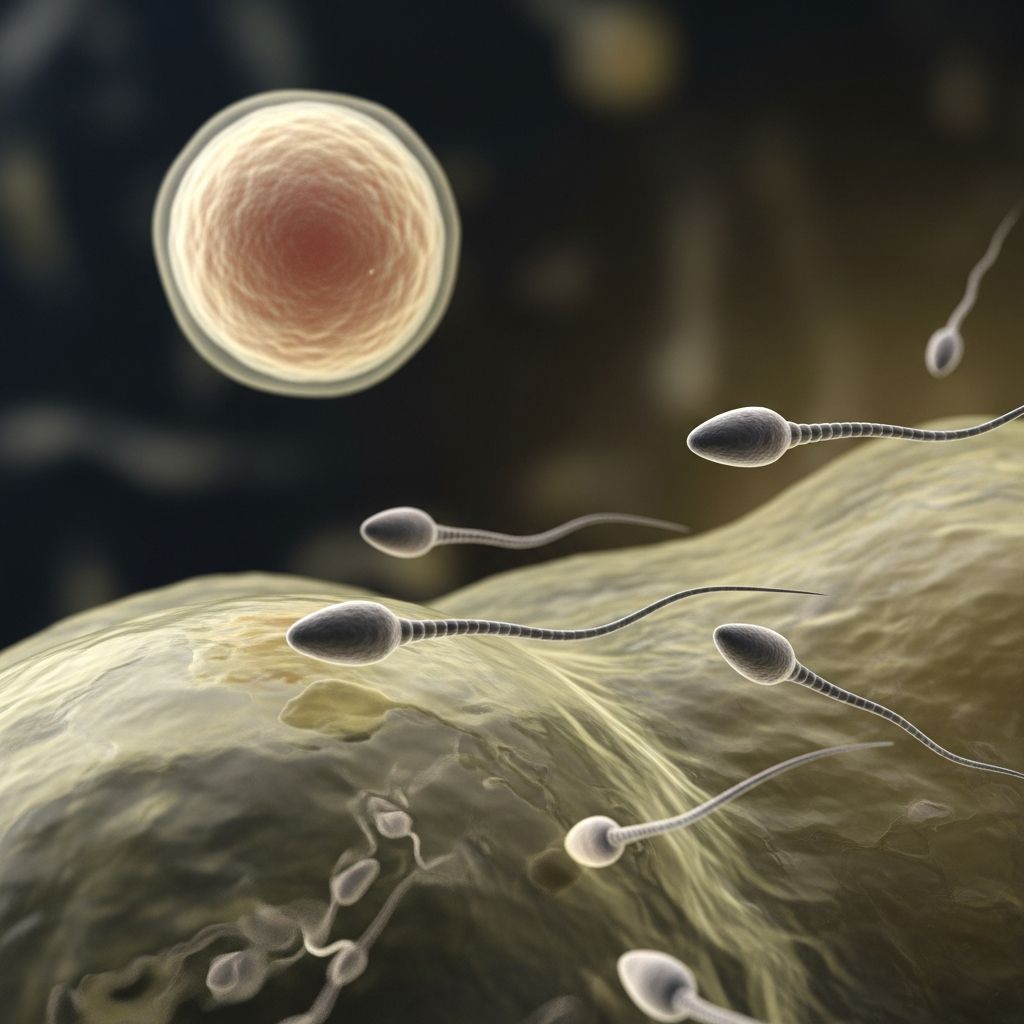
Pre-ejaculate is a clear, viscous fluid secreted by the Cowper’s glands in males during sexual excitement, prior to orgasm. Its primary roles include lubricating the urethra for smoother semen passage and neutralizing acidity to protect sperm viability. Unlike semen, which originates mainly from the testes and prostate, pre-ejaculate does not inherently produce sperm. However, contamination can occur as it travels through the urethra, potentially mixing with residual or migrating sperm cells.
Research indicates variability in sperm presence. One study found motile spermatozoa in pre-ejaculatory samples from participants who had urinated beforehand, challenging the notion that voiding clears the urethra completely. This suggests sperm may originate freshly rather than solely from leftovers.
Scientific Evidence on Sperm in Pre-Ejaculate
Multiple studies have analyzed pre-ejaculate for sperm content, revealing inconsistent but concerning results. In a key investigation, 16.7% of healthy men showed sperm in their pre-ejaculate samples. Another examination detected sperm in 41% of samples from 27 men, though quantities were generally low. A review of six studies up to early 2025 reported sperm detection rates from 13% to 41% in four cases, with none in two others, possibly due to collection timing during arousal phases.
Sperm in these fluids is often described as low in count and potentially less motile or viable, reducing but not eliminating fertilization potential. Experts emphasize that even minimal viable sperm—one is sufficient—poses a risk if it reaches a fertile environment. Factors like arousal stage influence this: later phases near orgasm increase likelihood of sperm leakage.
Factors Influencing Pregnancy Probability from Pre-Ejaculate
- Male Physiology: Individual differences in urethral residue or gland activity affect sperm contamination rates.
- Female Cycle Timing: Ovulation windows amplify risks; sperm survival up to five days extends vulnerability.
- Intercourse Dynamics: Volume of pre-ejaculate entering the vagina and cervical mucus receptivity play roles.
- Prior Ejaculation: Recent activity without urination heightens residual sperm chances, though studies dispute full clearance by urination.
During ovulation, when an egg is viable, even low-sperm pre-ejaculate elevates odds, though still comparatively low. On periods, probabilities drop further due to distance from ovulation—typically seven-plus days—and sperm lifespan limits, rendering it improbable but feasible for irregular cycles.
Effectiveness of the Withdrawal Method
The pull-out or withdrawal method depends on ejaculating outside the vagina, but pre-ejaculate undermines it. Typical-use failure rates stand at 20-27 pregnancies per 100 users annually, akin to 1 in 5 women. Perfect use fares better but remains unreliable due to pre-ejaculate unpredictability and timing errors. Health authorities classify it as high-risk compared to barrier or hormonal options.
| Method | Perfect-Use Failure Rate (% per year) | Typical-Use Failure Rate (% per year) |
|---|---|---|
| Withdrawal | 4 | 20-27 |
| Condoms | 2 | 13 |
| Pill | 0.3 | 7 |
| IUD | 0.1-0.8 | 0.1-0.8 |
This table highlights withdrawal’s inferiority, sourced from aggregated clinical data.
Debunking Common Misconceptions
Myths persist: “Urinating clears all sperm”—disproven by studies finding sperm post-urination. “Precum never causes pregnancy”—contradicted by documented cases and stats. Non-penetrative contact risks are minimal but not zero if fluids transfer near the vulva. Awareness of these corrects overconfidence in natural methods.
Pregnancy Detection After Potential Exposure
Symptoms like missed periods, nausea, or breast tenderness warrant testing. Home urine tests detect hCG reliably post-first missed period day; blood tests identify earlier. Confirm via ob-gyn around eight weeks for viability checks. Early prenatal care optimizes outcomes if positive.
Superior Contraception Alternatives
For minimal pregnancy risk:
- Long-Acting Reversibles: IUDs (hormonal/copper) offer <1% failure.
- Hormonal: Pills, patches, rings suit routine users.
- Barriers: Condoms prevent STIs too.
- Fertility Tracking: Apps monitor cycles but pair with barriers.
Consult providers for personalized fits, considering STI protection.
Frequently Asked Questions
Can pre-ejaculate alone cause pregnancy without full ejaculation?
Yes, if it contains viable sperm and contacts the vagina during a fertile window.
Does urinating before sex prevent sperm in precum?
No, studies show sperm persistence post-urination.
What are the odds during ovulation versus periods?
Higher near ovulation; very low on periods but possible with short cycles.
Is withdrawal a safe primary birth control?
No, 20-27% typical failure rate makes it unreliable.
How soon can I test after exposure?
Wait until missed period for accuracy; blood tests detect sooner.
Empowering Reproductive Decisions
Knowledge of pre-ejaculate risks empowers proactive choices. Combine cycle awareness with reliable contraception for peace of mind. Regular health discussions ensure tailored strategies amid evolving research.
References
- Can Precum Get You Pregnant? — The Bump. 2023. https://www.thebump.com/a/can-you-get-pregnant-from-precum
- Can you get pregnant from precum? — Clearblue. 2024. https://www.clearblue.com/am-i-pregnant/can-you-get-pregnant-from-precum
- Can You Get Pregnant From “Precum”? Understanding the Risks — Hello Clue. 2025-01-15. https://helloclue.com/articles/sex/can-you-get-pregnant-from-pre-cum
- What are the chances of getting pregnant from precum? — Flo Health. 2024. https://flo.health/menstrual-cycle/health/ovulation/getting-pregnant-from-precum-while-ovulating
- Chances of Getting Pregnant From Precum — American Pregnancy Association. 2023. https://americanpregnancy.org/getting-pregnant/can-you-get-pregnant-with-precum/
- Pre-ejaculate & Pregnancy Myths — The Turek Clinic. 2023. https://www.theturekclinic.com/blog/myths-surrounding-pre-ejaculate-and-pregnancy/
- Sperm content of pre-ejaculatory fluid — PMC/NIH (Peer-reviewed). 2011-03-08. https://pmc.ncbi.nlm.nih.gov/articles/PMC3564677/