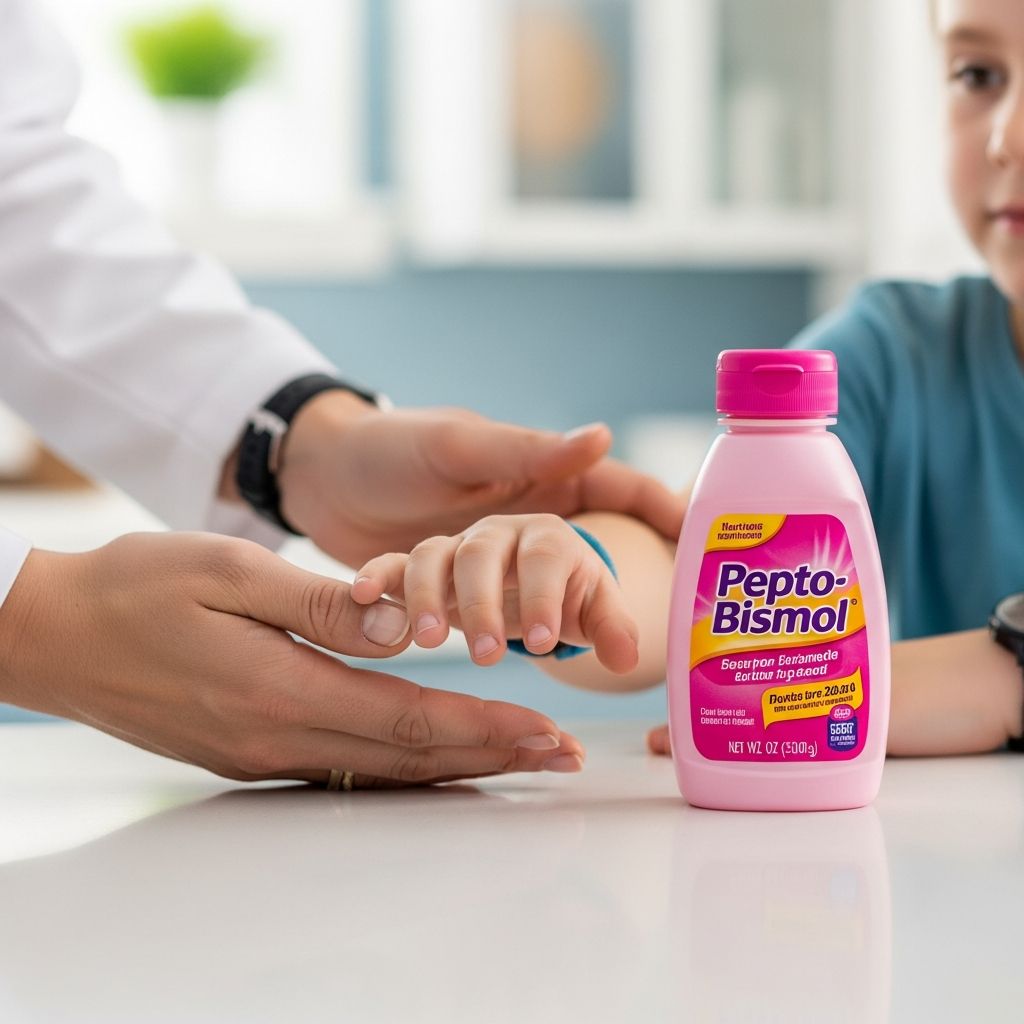
Navigating Gastrointestinal Solutions for Young Children
Parents often find themselves in situations where their child experiences stomach discomfort, indigestion, or digestive upset. When these moments arise, many caregivers immediately think of familiar over-the-counter remedies they’ve used themselves. One such product that frequently comes to mind is Pepto-Bismol, a widely recognized pink liquid that has been a staple in medicine cabinets for decades. However, when it comes to administering this medication to children, understanding the appropriate age restrictions and safety protocols becomes critically important. Not all medications formulated for adults are suitable for young bodies, and Pepto-Bismol is a prime example of a product that requires careful consideration before use in pediatric populations.
Age-Based Suitability and Product Formulations
The question of whether Pepto-Bismol can be given to children does not have a one-size-fits-all answer. The appropriateness of this medication depends entirely on your child’s age and the specific product formulation being considered. The original adult formulation of Pepto-Bismol, including the Original Strength Liquid variety, is only recommended for children aged 12 years and older. This age threshold exists due to the medication’s active ingredient and its potential risks in younger populations.
For children between the ages of 2 and 11 years, a specially formulated alternative exists: Pepto Kids. This product has been developed specifically with younger children in mind, taking into account their different physiological needs and metabolic capabilities. The formulation of Pepto Kids differs from the adult version in important ways designed to maximize safety while still providing relief from digestive discomfort. Parents seeking solutions for children under 12 should prioritize this pediatric-specific option rather than attempting to adjust adult dosages.
For infants and toddlers under 2 years of age, even Pepto Kids is not recommended. If a child younger than 2 experiences digestive issues, consulting with a pediatrician becomes essential to identify safe alternatives or determine whether treatment is even necessary, as many infant digestive issues resolve independently.
Understanding the Active Ingredient and Associated Risks
The reason for age restrictions on regular Pepto-Bismol lies in its active ingredient: bismuth subsalicylate. This compound shares chemical similarities with aspirin, a well-known anti-inflammatory medication that carries specific risks for children. The concern centers on a serious but rare condition called Reye’s syndrome, a potentially life-threatening illness that can develop in children given aspirin-like products during or following certain viral infections.
Reye’s syndrome presents a particular danger when children with chicken pox or flu-like symptoms are exposed to aspirin or aspirin-related compounds. For this reason, children and teenagers who currently have or are recovering from these viral illnesses should absolutely avoid regular Pepto-Bismol products. Even teenagers aged 12 and older, who might otherwise use adult Pepto-Bismol formulations, should not receive this medication if they’re dealing with chicken pox or influenza-like symptoms.
The risk of Reye’s syndrome, while rare, is serious enough that medical professionals and product manufacturers take it very seriously. Parents should monitor for behavioral changes, persistent nausea, and vomiting when their children are taking any bismuth subsalicylate product, and should contact a healthcare provider immediately if these symptoms occur, as they may signal the early stages of this condition.
Proper Dosing Guidelines for Pepto Kids
When administering Pepto Kids to children within the appropriate age range, precise dosing becomes paramount. The correct dose for Pepto Kids depends on two factors: the child’s age and their weight. These parameters work together to determine the appropriate quantity of medication to administer.
For children aged 2 to 5 years, the maximum allowance in a 24-hour period is 3 tablets or the equivalent liquid dose. Children aged 6 to 11 years can receive up to 6 tablets in a 24-hour period. The specific dosing chart printed on the back of Pepto Kids packaging provides detailed guidance for individual doses based on weight ranges within each age group.
It’s important to understand that these maxima represent the ceiling for a full day, not the amount to give at each administration. Individual doses should be spaced appropriately throughout the day as needed, never exceeding the daily limit. The product label should always be consulted to determine proper spacing between doses.
| Age Group | Weight Range | Dosing Form | Maximum Daily Dose |
|---|---|---|---|
| 2-5 years | 24-47 pounds | Chewable tablets | 3 tablets in 24 hours |
| 6-11 years | 48-95 pounds | Chewable tablets | 6 tablets in 24 hours |
| 12+ years | 96+ pounds | Regular Pepto-Bismol products | As directed on adult label |
Dosing Information for Standard Pepto-Bismol in Appropriate Ages
For children aged 12 and older who can use regular Pepto-Bismol products, dosing follows the standard adult guidelines. When using the liquid form, adolescents aged 12 to 11 years typically take 1 tablespoon (15 mL), while those 10 to 12 years old also use 1 tablespoon. For liquid formulations in children aged 5 to 9 years (if using a formulation approved for this age), the usual dose is 1.5 teaspoons (7.5 mL). Younger children aged 2 to 4 years, if prescribed by a physician, take 1 teaspoon (5 mL).
For adolescents 12 and older using caplet forms, the typical dose is 2 caplets every 30 minutes as needed, with a maximum of 8 caplets in 24 hours. These should be taken with water and not chewed. The maximum duration for any Pepto-Bismol use should not exceed 2 days without consulting a healthcare provider about persistent symptoms.
Critical Safety Precautions and When to Avoid Use
Beyond age considerations and dosing accuracy, several important safety precautions must be observed. The most critical restriction involves avoiding Pepto-Bismol during or immediately after viral illnesses. Children and teenagers with chicken pox or flu-like symptoms should not receive this medication in any form. This precaution extends to the recovery period following these illnesses, as the risk of Reye’s syndrome can persist during early recovery stages.
Parents should always read medication labels thoroughly before administration. Labels contain vital information about appropriate use, potential side effects, and contraindications specific to each product formulation. When in doubt about whether a child can safely take a medication, consulting with a pediatrician or pharmacist provides professional guidance tailored to the individual child’s health status.
Medications should be stored safely out of children’s reach in their original containers with labels intact. This ensures proper identification and prevents accidental overdosing. If a child accidentally ingests more Pepto-Bismol than recommended, contacting Poison Control can help determine whether emergency care is needed and what steps to take.
Comparing Product Options and Alternatives
Parents have several options when addressing children’s digestive complaints, and understanding the differences helps in making informed choices:
- Pepto Kids: The safest choice for children aged 2-11, specifically formulated for younger bodies with appropriate ingredient concentrations
- Regular Pepto-Bismol: Suitable only for children 12 years and older, not to be used during viral illnesses
- Children’s Antacids: Alternative products formulated for children over 2 years addressing heartburn and upset stomachs without bismuth subsalicylate
- Natural remedies: Including ginger ale, clear broths, and rest, which may resolve mild digestive upset without medication
When Professional Medical Consultation Becomes Necessary
While over-the-counter digestive remedies can address minor, occasional discomfort, certain situations warrant professional evaluation. Parents should contact their pediatrician if:
- A child’s digestive symptoms persist beyond 2 days despite treatment
- Symptoms worsen despite appropriate medication use
- The child has a fever accompanying digestive symptoms
- There are signs of dehydration, including decreased urination or dry mouth
- The child has any underlying medical conditions affecting digestion or medication metabolism
- The child takes other medications that could interact with Pepto-Bismol
- Behavioral changes, severe nausea, or persistent vomiting develop during treatment
A pediatrician can properly diagnose the underlying cause of digestive distress and recommend the most appropriate treatment approach. Sometimes what appears to be simple indigestion may indicate something requiring different management.
Managing Expectations and Understanding Limitations
Parents should understand that over-the-counter digestive medications are designed to provide symptom relief rather than cure underlying conditions. Pepto-Bismol and similar products work by reducing inflammation and settling the stomach, but they don’t address infections, allergies, or other serious conditions that might cause digestive symptoms. This is why dosing restrictions exist for 2 days maximum—longer use suggests the need for professional evaluation.
Additionally, different children may respond differently to the same medication. What works effectively for one child might not be as helpful for another, or might cause unexpected reactions. Keeping a record of how your child responds to medications helps identify patterns and informs future decisions.
Important Reminders for Parents
Proper medication administration requires attention to several key points. Always use the measuring device provided with liquid medications rather than household spoons, which vary in size. Keep product labels accessible for reference regarding dosing, frequency, and maximum daily amounts. Store all medications in original containers with labels intact. Never mix different medications without consulting a healthcare provider about potential interactions.
When traveling or away from home, bring medications in their original labeled containers. This ensures that anyone supervising your child can identify what medication has been given and in what quantities. Dated logs of medication administration help prevent accidental overdosing, particularly when multiple caregivers are involved.
Frequently Asked Questions
Can I give my 8-year-old regular Pepto-Bismol instead of Pepto Kids?
No. Regular Pepto-Bismol is only approved for children 12 and older. Pepto Kids is specifically formulated for children aged 2-11 and is the appropriate choice for your child’s age group.
What should I do if my child accidentally takes too much Pepto-Bismol?
Contact Poison Control immediately. They can assess whether your child requires emergency care and provide specific guidance based on the amount ingested and your child’s age and weight.
Can I use Pepto-Bismol if my child has the flu?
No. Children with flu-like symptoms or those recovering from the flu should not use any form of Pepto-Bismol due to the risk of Reye’s syndrome. Consult your pediatrician for alternative treatments.
How long can my child take Pepto-Bismol?
Pepto-Bismol should not be used for more than 2 days without consulting a healthcare provider. If symptoms persist beyond this timeframe, professional evaluation is necessary to determine the underlying cause.
Are there side effects I should watch for?
While Pepto Kids is generally well-tolerated, watch for behavioral changes, persistent nausea, or vomiting, which could indicate Reye’s syndrome. Contact your pediatrician if these symptoms occur.
Can my 13-year-old use regular Pepto-Bismol?
Yes, adolescents 12 and older can use regular Pepto-Bismol products following adult dosing guidelines on the label. However, they should still avoid it if they have or are recovering from chicken pox or flu-like illness.
References
- Pepto-Bismol Official FAQ – Is it Safe to Give Pepto Bismol to Kids? — Procter & Gamble. 2025. https://pepto-bismol.com/en-us/faq/children-recommendation
- Pepto-Bismol Dosage Information — Pharmasave. 2025. https://pharmasave.com/medication-lookup/pepto-bismol/
- Is Pepto Bismol Safe? — Poison Control (American Association of Poison Control Centers). 2024. https://www.poison.org/articles/is-pepto-bismol-safe-224
- Bismuth Subsalicylate (Oral Route) – Side Effects & Dosage — Mayo Clinic. 2024. https://www.mayoclinic.org/drugs-supplements/bismuth-subsalicylate-oral-route/description/drg-20068521
- Pepto Kids Chewable Tablets — DailyMed (U.S. National Library of Medicine). 2024. https://dailymed.nlm.nih.gov/dailymed/fda/fdaDrugXsl.cfm?setid=673c45dc-84fd-5b45-e053-2a91aa0adea8
- Medicines That Are Unsafe for Children to Consume — St. Hope Pediatrics (Offering Hope 4 Kids). 2023. https://www.offeringhope4kids.org/blog/medicines-that-are-unsafe-for-children-to-consume
- Pepto-Bismol Dosage Guide: Tablets and Liquid Form — GoodRx. 2025. https://www.goodrx.com/bismuth-subsalicylate/dosage