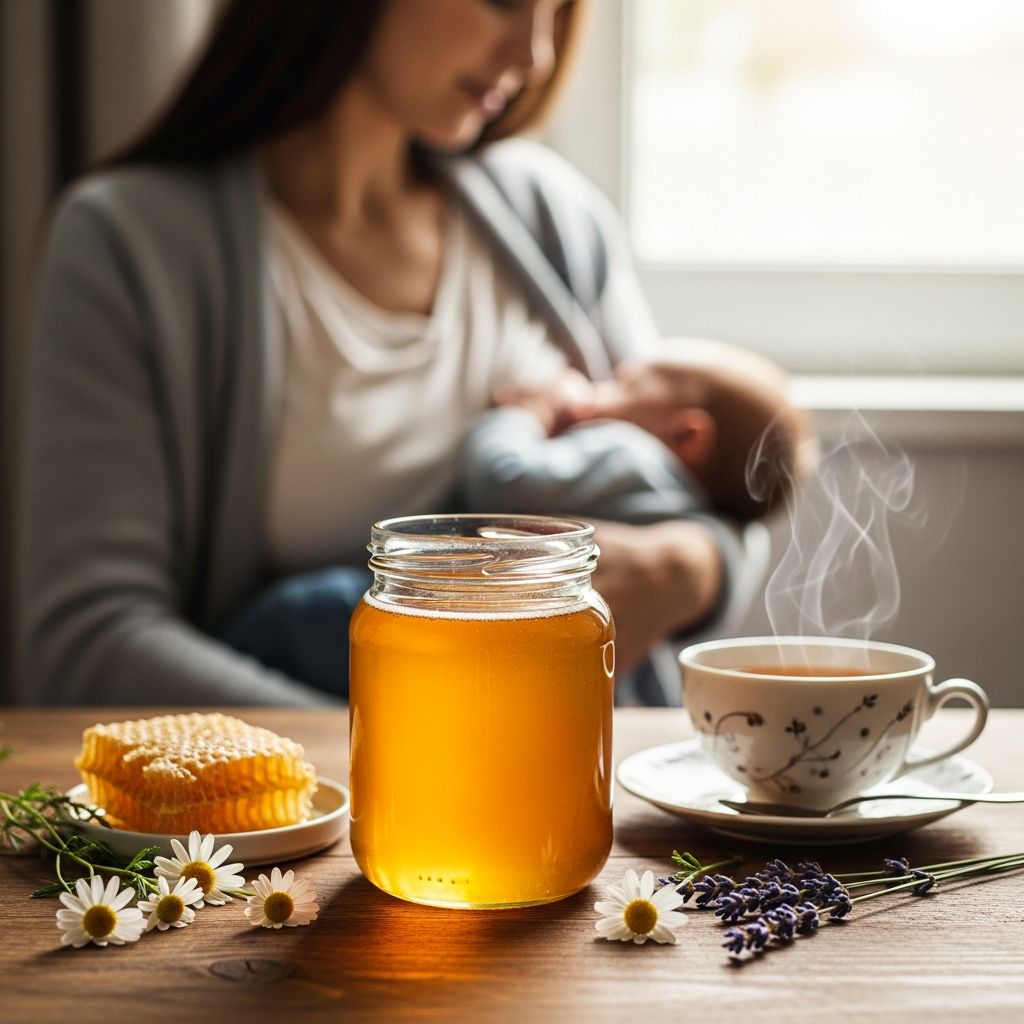
Breastfeeding mothers often wonder about including natural sweeteners like honey in their diets due to concerns over infant safety. The good news is that honey poses no risk to nursing infants when consumed by moms, as botulism spores do not pass into breast milk. This comprehensive guide explores the science, benefits, practical tips, and delicious ways to incorporate honey while nursing.
Understanding the Honey-Botulism Connection
The main hesitation around honey stems from its potential to carry Clostridium botulinum spores, which can lead to infant botulism in babies under 12 months. These spores thrive in an infant’s immature gut, producing toxins that cause symptoms like muscle weakness, constipation, poor feeding, and floppy tone. Health authorities worldwide, including those in Canada, strongly advise against giving honey directly to infants.
However, this risk applies only to direct consumption by babies. Adults, including lactating women, have mature digestive systems that neutralize these spores effectively. Digestion breaks them down completely, preventing any transfer to breast milk. Pediatric experts confirm that mothers can eat honey freely without endangering their nurslings.
Scientific Assurance for Nursing Mothers
Research and medical guidelines consistently support honey’s safety for breastfeeding women. For instance, neonatologists note no documented cases of botulism transmission via breast milk from maternal honey intake. The adult gut’s acidic environment and robust flora inhibit spore germination, ensuring safety.
Even medical-grade honeys, used topically for sore nipples, are deemed low-risk if cleaned off before feeds. Manufacturers recommend rinsing nipples post-nursing to remove saliva, minimizing any theoretical exposure. Studies on parental knowledge highlight honey’s risks solely for direct infant ingestion, not maternal diets.
Health Advantages of Honey During Lactation
Honey offers more than just sweetness; it’s packed with antioxidants, enzymes, and trace nutrients that support maternal wellness. Key perks include:
- Antibacterial Power: Natural compounds combat infections, aiding new moms prone to colds.
- Anti-Inflammatory Effects: Soothes sore throats and boosts recovery from delivery strains.
- Energy Lift: Provides quick, natural sugars for milk production demands without refined sugar crashes.
- Nutrient Boost: Contains vitamins like B6 and C, plus minerals supporting lactation hormones.
Moderation keeps benefits optimal—aim for 1-2 tablespoons daily amid a varied diet. Unlike artificial sweeteners, honey’s natural profile aligns with breastfeeding nutrition goals.
Choosing Top-Quality Honey for Your Diet
Not all honey is equal. Opt for raw, unprocessed varieties to maximize benefits and avoid additives. Here’s a comparison of honey types suitable for nursing moms:
| Honey Type | Key Features | Best For | Potential Drawbacks |
|---|---|---|---|
| Raw Local Honey | Minimally heated, pollen-rich | Immune support, allergies | May crystallize |
| Manuka Honey | High antibacterial UMF rating | Sore throats, wounds | Higher cost |
| Organic Honey | Pesticide-free, tested | General use | Availability varies |
| Processed Honey | Clear, heated | Baking | Reduced nutrients |
Steer clear of imported honeys without clear sourcing, as they risk contaminants like heavy metals or pesticides. Check labels for purity certifications.
Smart Precautions in a Breastfeeding Household
While moms can indulge safely, household vigilance prevents accidental infant exposure. Essential steps include:
- Store honey jars high and locked away from crawling explorers.
- Wash hands thoroughly after handling honey before baby contact.
- Clean prep surfaces and utensils separately from infant foods to avoid cross-contamination.
- Avoid mouth kisses or sharing spoons with babies under one year.
- Scrutinize labels on cereals, yogurts, or snacks for hidden honey.
If symptoms like lethargy or feeding issues arise in your baby, consult a pediatrician immediately, though maternal honey intake isn’t the cause.
Delicious Ways to Add Honey to Nursing Meals
Incorporate honey creatively to enhance flavor and nutrition. Try these lactation-friendly ideas:
- Morning Yogurt Parfait: Layer Greek yogurt, fresh berries, oats, and a honey drizzle for sustained energy.
- Herbal Tea Sweetener: Stir into lactation teas with fenugreek or fennel for milk-boosting hydration.
- Nut Butter Toast: Spread almond butter on whole-grain bread, top with honey and chia seeds.
- Smoothie Booster: Blend banana, spinach, milk, and honey for a nutrient-packed drink.
- Baked Oatmeal: Mix into oats with cinnamon, nuts, and fruit for grab-and-go breakfasts.
These options satisfy cravings while delivering antioxidants and natural sweetness.
Special Considerations for Health Conditions
Mothers with diabetes should monitor blood sugar, as honey impacts glucose like other sugars—pair with proteins or fats. Those with allergies or gut sensitivities might start small. Always personalize with a healthcare provider, especially if on medications.
For sore nipples, topical medical honey can heal cracks faster than lanolin, but wipe off pre-feed. This dual use underscores honey’s versatility in lactation support.
Common Myths Debunked
Misinformation persists. Here’s the truth:
- Myth: Honey flavors or taints breast milk. Fact: No evidence; milk taste remains neutral.
- Myth: All honey carries botulism risk. Fact: Spores are rare and harmless to adults.
- Myth: Limit to avoid baby allergies. Fact: Honey allergies are uncommon; no transmission link.
Frequently Asked Questions
Can breastfeeding moms eat honey daily?
Yes, in moderation (1-2 tbsp/day) as part of a balanced diet. It supports energy without risks.
Does honey increase milk supply?
No direct evidence, but its nutrients aid overall lactation health.
Is raw honey better than pasteurized while nursing?
Raw retains more enzymes and antioxidants, but both are safe.
What if my baby is premature?
Moms can still eat honey; consult pediatrician for preemies’ unique needs.
Can I use honey in baby’s food after 6 months?
No—wait until 12 months minimum to avoid botulism.
Empowering Your Breastfeeding Journey
Honey enhances rather than hinders nursing. By selecting quality sources, following precautions, and getting creative in the kitchen, moms can enjoy its perks confidently. Prioritize whole foods, hydration, and professional advice for thriving lactation.
References
- Honey and Breastfeeding: A Comprehensive Guide for Nursing Mothers — Honey Mama Lactation. 2023. https://www.honeymamalactation.com/blog/honey-and-breastfeeding-a-comprehensive-guide-for-nursing-mothers
- Can I Eat Honey While Breastfeeding? — KeepsakeMom. 2023. https://www.keepsakemom.com/blog/can-i-eat-honey-while-breastfeeding/
- Is Medical-Grade Honey Safe while Breastfeeding? — InfantRisk Center. 2023. https://infantrisk.com/content/medical-grade-honey-use-while-breastfeeding
- Exploring parents’ knowledge, attitudes and practices on honey and infant botulism — PMC (Peer-reviewed). 2024. https://pmc.ncbi.nlm.nih.gov/articles/PMC11983526/
- Navigating the Sweet Debate: Can You Feed Raw Honey to Your Baby — Heavens Honey Inc. 2023. https://heavenshoneyinc.com/blogs/blog/navigating-the-sweet-debate-can-you-feed-raw-honey-to-your-baby
- Infant botulism — Health Canada (Government). 2023-10-25. https://www.canada.ca/en/health-canada/services/food-safety-vulnerable-populations/infant-botulism.html