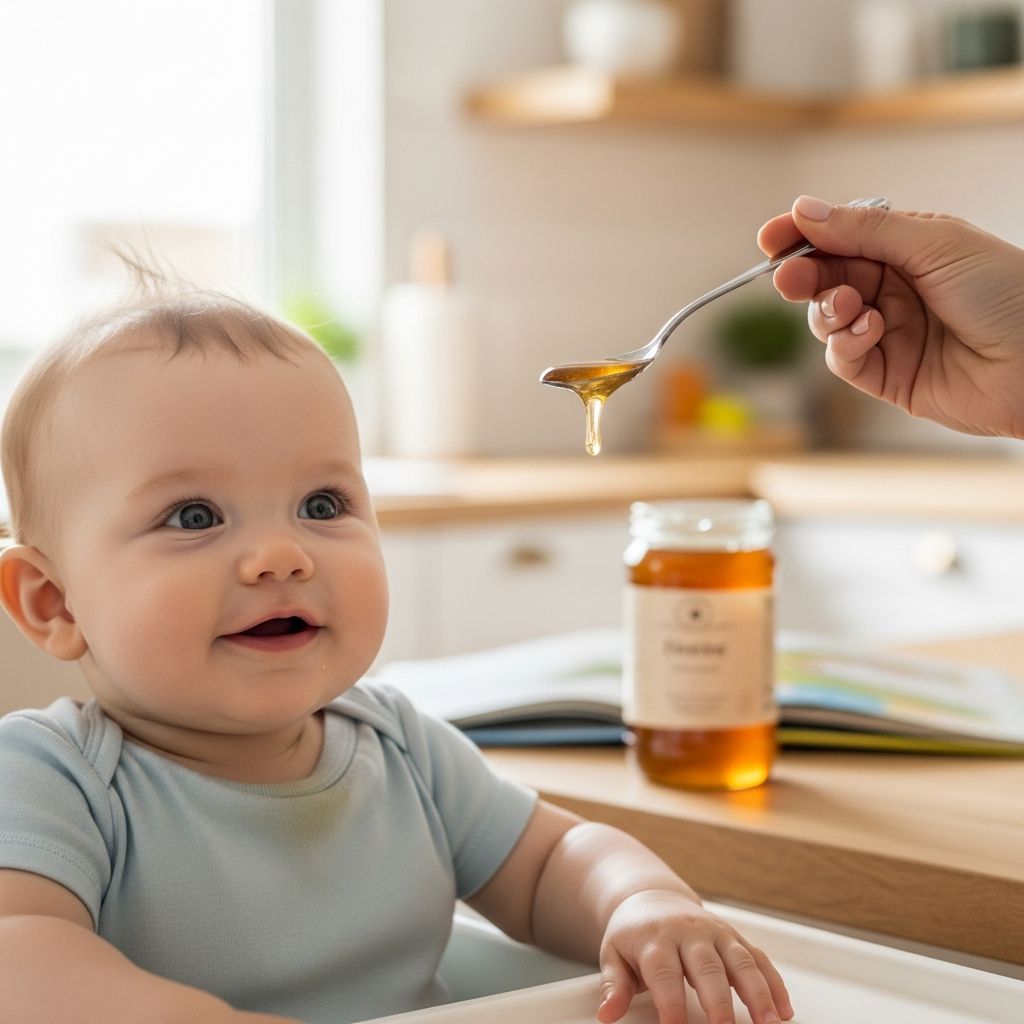
Honey is a natural sweetener cherished for its flavor and potential health benefits, but it presents a significant danger to infants under 12 months due to the risk of infant botulism caused by Clostridium botulinum spores. Health authorities universally recommend waiting until a child’s first birthday before introducing honey in any form.
Understanding Infant Botulism: The Hidden Danger in Honey
Infant botulism is a rare yet potentially life-threatening condition that arises when babies ingest spores of the bacterium Clostridium botulinum, which can germinate in their immature digestive systems and produce neurotoxins leading to muscle paralysis. Unlike adults, whose mature gut flora prevents spore germination, infants lack this protective barrier, making their intestines an ideal environment for bacterial growth.
These spores are naturally present in the environment, including soil and dust, and bees can inadvertently carry them into hives during nectar collection, contaminating honey. Surveys indicate that 2% to 25% of honey samples may contain these spores, underscoring why even a small exposure warrants caution. In the United States, approximately 100-110 cases occur annually, with about 20% linked to honey consumption.
Why Infants Under 12 Months Are Vulnerable
A baby’s gastrointestinal tract undergoes critical development during the first year, gradually acquiring beneficial bacteria that inhibit harmful pathogens like C. botulinum. Babies younger than six months face the highest risk, as their gut microbiome is least mature. This vulnerability explains why organizations like the CDC explicitly advise against giving honey to children under 12 months, including in foods, water, formula, or pacifiers.
International data supports this: In Texas, cases spiked with honey pacifiers from Mexico, averaging 7-8 cases yearly from 2013-2017. Ireland’s Food Safety Authority notes honey as the only implicated food, with rare clusters tied to its use. Canada’s health guidelines echo that honey is the sole food linked to cases there.
Recognizing Symptoms of Infant Botulism
Symptoms typically emerge 10-30 days after spore ingestion, starting subtly before progressing to severe issues. Early detection is vital for prompt treatment with antitoxins like Baby BIG.
- Constipation: Often the first sign, lasting several days.
- Lethargy and weakness: Baby appears floppy, listless, with poor head control.
- Feeding difficulties: Weak suck, trouble swallowing, excessive drooling.
- Neurological signs: Weak cry, drooping eyelids, shallow breathing.
- Severe progression: Muscle paralysis, respiratory failure requiring hospitalization.
If symptoms appear after possible honey exposure, seek emergency care immediately—call 911 for breathing issues.
Myths and Misconceptions About Honey Safety
| Myth | Fact | Source |
|---|---|---|
| Cooked or pasteurized honey is safe for babies. | Spores are heat-resistant and survive cooking or pasteurization. Avoid honey in baked goods like crackers or breads. | |
| Raw honey is riskier than processed. | All honey types can contain spores; no form is safe under 12 months. | |
| A little taste won’t hurt. | Even tiny amounts pose risks; no safe threshold exists. | |
| Breastfeeding moms can’t eat honey. | Mothers can consume honey safely; spores don’t pass via breast milk. |
Safe Sweeteners and Alternatives for Babies
Until 12 months, prioritize breast milk, formula, or age-appropriate purees without added sugars. For soothing coughs or fussiness, use saline drops, humidifiers, or consult pediatricians—never honey on pacifiers.
- Mashed fruits like bananas or apples for natural sweetness.
- Plain yogurt (after 6-8 months, if no dairy issues).
- Vegetable purees with mild flavors.
After 12 months, introduce honey sparingly as part of a balanced diet, ensuring it’s pasteurized for general safety.
Global Guidelines and Statistics on Botulism Prevention
Health bodies worldwide align on the 12-month rule:
- CDC (USA): No honey before 12 months in any form.
- Texas DSHS: Alerts on honey pacifiers; coordinates antitoxin.
- FSAI (Ireland): 2-7% honey contamination rate.
- Health Canada: Honey only post-1 year.
- UCLA Health: No honey, not even a taste.
Prevention through education has kept cases rare, but vigilance remains key.
Frequently Asked Questions About Honey and Babies
Can babies under 6 months have any honey products?
No, infants under 12 months, especially under 6 months, should avoid all honey due to peak vulnerability.
What if my baby accidentally eats honey?
Monitor for symptoms up to 30 days; contact a doctor if any appear, but most exposures don’t lead to illness.
Is honey safe in teething biscuits or cereals?
Avoid products listing honey; spores persist despite processing. Check labels carefully.
When exactly can I start giving honey?
After 12 months, when gut flora matures sufficiently.
Are there honey alternatives for soothing sore throats in babies?
Yes, hydration, cool liquids, or pediatrician-approved remedies; avoid honey.
Long-Term Feeding Tips Post-12 Months
Once safe, honey offers antioxidants and can aid digestion in moderation. Limit to 1-2 teaspoons daily to prevent excess sugar intake. Combine with fruits, oats, or yogurt for nutritious snacks. Always consult pediatricians for personalized advice, especially with allergies or digestive concerns.
Empowering parents with knowledge ensures safe, joyful mealtimes. By adhering to these guidelines, you protect your little one from preventable risks while paving the way for diverse, healthy eating habits.
References
- Infant Botulism and Risk of Honey Pacifiers — Texas Department of State Health Services. 2018-11-16. https://www.dshs.texas.gov/news-alerts/infant-botulism-health-alert-nov-16-2018
- Why Can’t Babies Have Honey? — Blueberry Pediatrics. Recent (post-2022 update inferred). https://www.blueberrypediatrics.com/health-tips/why-cant-babies-have-honey
- Infant Botulism and Honey — Food Safety Authority of Ireland. Recent. https://www.fsai.ie/business-advice/running-a-food-business/food-safety-and-hygiene/microbiological-hazards/infant-botulism-and-honey
- When Your Baby Can Have Honey — Cleveland Clinic. Recent. https://health.clevelandclinic.org/when-is-it-safe-to-give-honey-to-my-baby
- Infants under 1 should not have honey — UCLA Health. Recent. https://www.uclahealth.org/news/article/infants-under-1-should-not-have-honey
- Foods and Drinks to Avoid or Limit — Centers for Disease Control and Prevention (CDC). Recent. https://www.cdc.gov/infant-toddler-nutrition/foods-and-drinks/foods-and-drinks-to-avoid-or-limit.html
- Infant botulism — Government of Canada, Health Canada. Recent. https://www.canada.ca/en/health-canada/services/food-safety-vulnerable-populations/infant-botulism.html