Human breast milk is often called “liquid gold” for babies, but that does not mean it is a miracle drink for grown-ups. Adult interest in drinking breast milk has grown through online forums, fitness communities, and curiosity, yet science and safety concerns paint a more complicated picture. This article explores what breast milk actually does, how adult bodies use it, where real risks lie, and what healthier, more practical options adults have instead.
Why Breast Milk Is Perfect for Babies
Breast milk is a biologically tailored food created specifically for human infants. It contains a carefully balanced mix of carbohydrates, fats, proteins, vitamins, minerals, immune factors, hormones, and living cells that help newborns survive and thrive during their earliest months of life. The composition even changes over time and within a single feeding to match a baby’s developmental stage and moment-to-moment needs.
- Early breast milk (colostrum) is dense in antibodies and immune molecules that help protect newborns from infections when their own defenses are immature.
- Mature milk continues to supply energy, essential nutrients, and diverse bioactive compounds that support gut health, brain development, and immune maturation.
- Breastfeeding is not just nutrition; it is a relationship and a process, helping regulate a baby’s temperature, stress responses, and bonding with the parent.
All of this makes breast milk uniquely powerful for babies. It does not, however, automatically follow that adults benefit in the same way, because adult bodies and digestive systems work very differently.
What’s Actually in Breast Milk?
At a basic nutritional level, breast milk provides energy from fats and lactose (a sugar), along with complete proteins and a range of vitamins and minerals. But its most striking features are the specialized components designed around infant biology and immunity.
- Macronutrients: Fat provides much of the calorie content and is vital for infant brain development, while lactose supplies energy and supports certain gut bacteria. Protein content is relatively modest compared with cow’s milk, reflecting infants’ needs.
- Immune and bioactive factors: Antibodies, immune cells, antimicrobial peptides, oligosaccharides (complex sugars), and enzymes help protect against infections and shape the early microbiome.
- Hormones and signaling molecules: Components such as growth factors and hormones influence organ development, appetite regulation, and metabolic programming during infancy.
Many of these elements are fragile and adapted to the physiology of newborns, including their immature gut barrier and developing immune system. Adult digestive systems tend to break down complex proteins and other molecules more aggressively, which limits how many of these special properties can survive the journey through an adult gut.
How Adult Bodies Handle Breast Milk
When an adult drinks breast milk, the body mainly treats it as another source of calories, fats, and proteins. Most immune proteins and growth factors are digested into smaller fragments, which means they are unlikely to function as they do in infants. Adults also do not need the same immunological protection or developmental signals that infants require.
- Nutrient value: From a purely nutritional standpoint, an adult can obtain equivalent or better nutrition from varied foods such as dairy products, fortified plant milks, lean proteins, whole grains, and vegetables.
- Lactose tolerance: Many adults have some degree of lactose intolerance, which can lead to gas, bloating, or diarrhea when consuming milk, including human milk.
- Immune benefits: Claims that adult consumption dramatically boosts immunity are speculative; the evidence is limited and does not justify treating breast milk as an immune supplement for healthy adults.
The bottom line: adult physiology does not turn breast milk into a superfood. For most grown-ups, it behaves more like a slightly unusual dairy product than a medicinal elixir.
Popular Reasons Adults Want to Drink Breast Milk
Despite the lack of strong evidence, adults are drawn to breast milk for a variety of reasons. These motivations often reflect broader cultural trends around “natural” health, biohacking, and unconventional fitness strategies.
- Fitness and muscle building: Some athletes and bodybuilders believe breast milk is a superior protein source that might enhance muscle gain or recovery.
- Immune support or disease prevention: Others hope to harness the immunological power of breast milk to ward off illness or help with chronic conditions.
- Sexual curiosity or intimacy: In relationships, breast milk may become part of sexual exploration, intimacy, or fetish behavior.
- Alternative medicine appeal: People interested in natural or traditional remedies sometimes see breast milk as a holistic, non-pharmaceutical treatment.
These motivations can feel compelling on a personal level, but they should be weighed against the real-world risks, ethical issues, and the absence of solid evidence for clear adult health benefits.
Safety Concerns: Infection, Contamination, and Unknowns
The largest red flag around adult breast milk consumption is safety. Human milk is a bodily fluid, and like blood or semen, it can transmit infectious diseases. It is not inherently dangerous, but the context in which it is obtained and stored makes a huge difference.
| Risk Category | Examples | Why It Matters |
|---|---|---|
| Infectious diseases | HIV, hepatitis viruses, other blood-borne infections, certain bacterial infections | These pathogens can be present in milk and transmitted to the consumer if the donor is infected. |
| Bacterial contamination | Food-borne bacteria from unclean equipment, improper storage, or shipping | Can lead to gastrointestinal illness, fever, or more serious complications, especially in raw, unpasteurized milk. |
| Chemical and drug exposure | Medications, nicotine, alcohol, environmental toxins, recreational drugs | Many substances consumed by the lactating person can pass into milk and may not be safe for another adult to ingest. |
| Unregulated online sales | Milk bought from strangers through online marketplaces | Little to no screening, uncertain origin, and often poor handling practices increase both infection and contamination risks. |
Milk banks that serve vulnerable infants pasteurize and rigorously screen donations, but this process is designed to protect medically fragile babies, not to supply adults. Adults seeking milk from informal sources—friends, acquaintances, or strangers online—often bypass these safeguards completely.
Is It Ever Medically Useful for Adults?
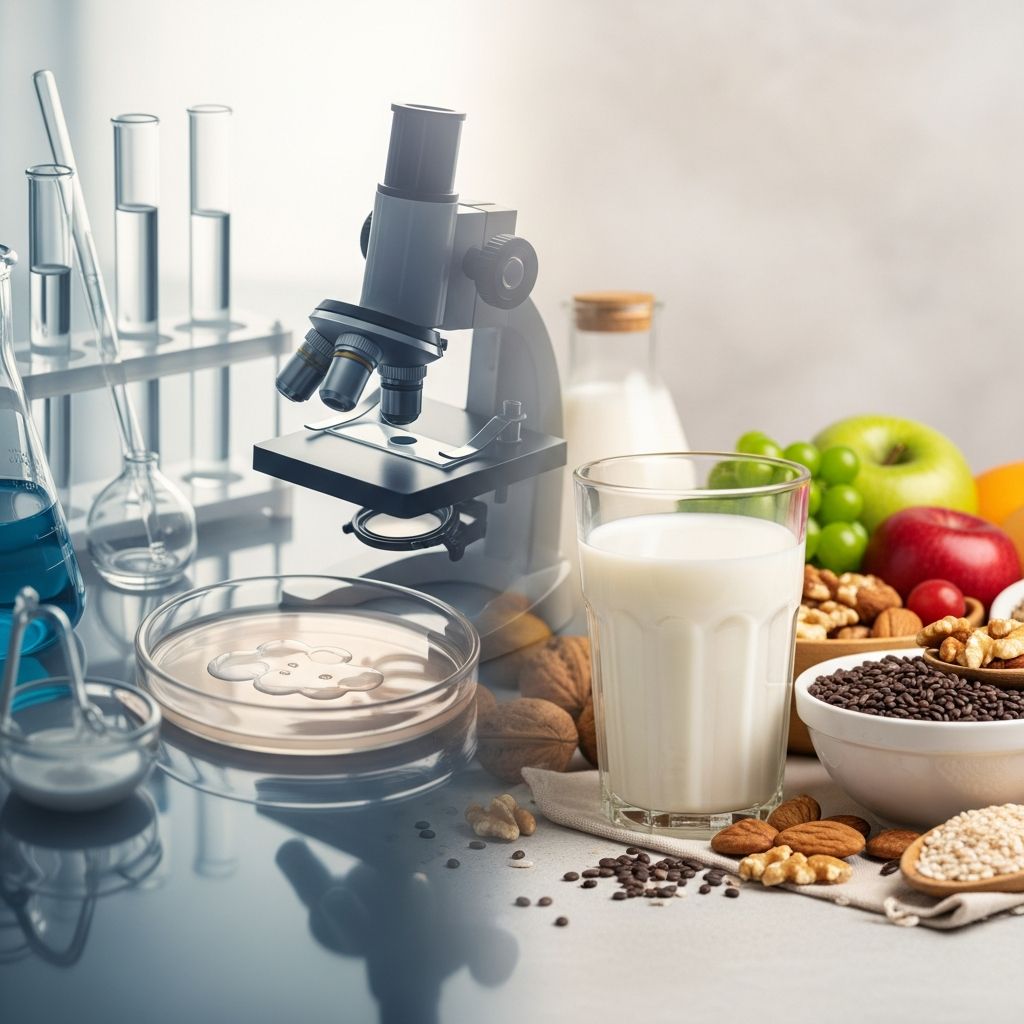
There is research interest in components of human milk for possible medical applications, especially in laboratories and specialized clinical settings. Scientists have studied certain bioactive molecules for potential roles in cancer therapy, infection control, and tissue healing. In addition, breast milk has been used in some traditional or experimental topical applications, such as putting small amounts on minor skin irritations or eye issues.
- Experimental and early-stage research: Much of the work on breast milk components is performed in test tubes or animal models, not as people drinking milk as a home remedy.
- Topical versus oral use: Some reported uses involve applying milk directly to the skin or eyes rather than ingesting it, and even these practices should be discussed with a health professional.
- Limited clinical evidence: There are few robust, large-scale clinical trials showing clear benefits for adults who consume breast milk for disease treatment.
In other words, while human milk is scientifically fascinating and might inspire new therapies, this does not translate into a recommendation for healthy adults to drink breast milk to self-treat illness.
Breast Milk as a Fitness Shortcut? A Reality Check
The idea of breast milk as a secret weapon for muscle gain or performance sounds dramatic, but it does not hold up well when compared with ordinary, legal sports nutrition. For most adults, the goals are to get enough protein, carbohydrates, and micronutrients, then support recovery and consistent training.
- Protein quality: Human milk contains high-quality protein, but in relatively modest amounts per volume compared with standard protein shakes, dairy products, or fortified plant-based drinks.
- Cost and access: Sourcing enough breast milk to meaningfully affect daily protein intake is expensive, impractical, and often ethically fraught, whereas whey, casein, or plant proteins are widely available.
- Evidence gap: There are no strong data showing that adult athletes who drink human milk outperform those using more conventional nutrition strategies.
If the goal is more strength, speed, or muscle, adults are better off focusing on structured training, adequate rest, and proven nutrition rather than chasing a novelty that adds risk without clear reward.
Ethical and Emotional Dimensions
Even when safety and logistics are addressed, breast milk for adults raises sensitive ethical and emotional questions. Human milk is not just another commodity; it is tied to caregiving, bodily autonomy, and power dynamics. These issues are especially important when milk is bought or requested from people under financial pressure.
- Commodifying the body: Paying for breast milk can blur the line between consensual exchange and exploitation, particularly if the seller feels compelled by economic hardship.
- Impact on infants: In households with limited supply, prioritizing adult consumption could potentially reduce what is available for the baby, who actually needs it most.
- Privacy and consent: Sharing breast milk, especially beyond a close, informed relationship, involves intimate bodily material; all parties should clearly understand the risks, motivations, and boundaries.
These considerations may not have a single right answer, but they deserve serious thought before treating human milk as just another health product or performance supplement.
Breastfeeding Parents and Partners: Relationship Questions
Some of the most common real-world scenarios involve a breastfeeding parent and an adult partner who is curious about tasting or occasionally drinking milk. In these cases, the questions shift from marketplace ethics to relationship dynamics, consent, and comfort levels within the family.
- Mutual agreement: Any sharing of breast milk between partners should be fully consensual and free of pressure on the lactating person.
- Baby’s needs first: If there is any difficulty with supply, the infant’s nutritional needs take clear priority over an adult’s curiosity or desire.
- Communication about boundaries: Some breastfeeding parents may feel fine about occasional partner consumption; others may find it invasive or uncomfortable. Open communication is essential.
From a strictly medical standpoint, if both partners are healthy, monogamous, and screened when appropriate, the risks in this specific context are lower than with anonymous or online sources. Still, adults should recognize that there is no medical necessity driving this choice.
Better Ways for Adults to Support Health
If the interest in breast milk comes from a desire to improve health, immunity, or performance, there are far safer and more effective strategies. Evidence consistently supports a mix of nutrition, movement, sleep, and preventive care as the backbone of adult wellness.
- Balanced diet: Emphasize fruits, vegetables, whole grains, lean proteins, healthy fats, and sufficient hydration. These provide the micronutrients and macronutrients needed without unusual risks.
- Exercise and recovery: Regular strength and cardiovascular training, combined with adequate sleep and rest days, promote fitness, resilience, and longevity.
- Evidence-based supplements: When needed, adults can consider items like vitamin D, omega-3s, or protein powders, ideally with guidance from a healthcare professional.
- Preventive healthcare: Vaccinations, routine screenings, and early intervention for emerging issues do far more for long-term health than unproven remedies.
Viewed against these options, breast milk is a costly and risky detour rather than a rational centerpiece of an adult wellness plan.
Key Takeaways for Adults Considering Breast Milk
For adults, the question is less “Can this be done?” and more “Is this wise, safe, or necessary?” In most circumstances, the answer to those deeper questions leans toward caution. Breast milk remains a remarkable, irreplaceable food for infants and a subject of legitimate scientific interest, but its role in adult diets is at best marginal and at worst hazardous.
- Breast milk is specialized for babies, not formulated as a performance drink or medicine for adults.
- Health and fitness benefits claimed for adult consumption are unproven and can be matched or exceeded with standard nutrition and training.
- Risks include infections, contamination, drug and toxin exposure, and ethical concerns around sourcing.
- Partners who are curious should prioritize open communication, informed consent, and the baby’s needs.
For most grown-ups, the most respectful and rational approach is to let breast milk do what it does best: nourish infants. Adults are usually better served by well-supported health habits and medical care rather than chasing the mystique of “liquid gold.”
FAQs About Adults Drinking Breast Milk
Is it physically harmful for a healthy adult to drink breast milk once or twice?
For a healthy adult receiving milk directly from a trusted, healthy partner, a small amount is unlikely to cause immediate harm, assuming there are no infections or harmful medications involved. The bigger concerns arise when consumption is frequent, when there is any uncertainty about health status, or when milk is obtained from unregulated sources such as strangers online.
Can drinking breast milk strengthen an adult’s immune system?
While breast milk is critical for shaping an infant’s immune system, adults already have mature immune defenses and a very different physiology. The complex immune proteins and cells in breast milk are mostly broken down during adult digestion, so there is no robust evidence that drinking it meaningfully boosts adult immunity.
Is breast milk better than protein shakes for building muscle?
From a muscle-building standpoint, breast milk does not outperform well-formulated protein shakes or whole-food protein sources. Protein supplements are more concentrated, easier to dose, widely tested for safety, and far more practical and ethical to obtain than breast milk.
What if an adult has a medical condition and wants to try breast milk as a natural remedy?
Self-treating medical conditions with breast milk is not supported by strong evidence and may delay proper diagnosis or proven treatments. Anyone considering this approach should discuss it with a qualified healthcare professional, who can explain safer, evidence-based options.
Is it okay for a partner to drink breast milk during intimacy?
Within a consensual relationship, occasional partner consumption is a personal choice, provided both adults understand the potential risks and there are no infections or medications that could be transmitted. The infant’s nutritional needs and the breastfeeding parent’s comfort and boundaries should always come first.