Fever in babies signals the body’s defense against infection, but managing it requires caution to avoid discomfort or complications. While baths offer a non-medication cooling option, their effectiveness varies, often working best alongside medications like acetaminophen. This guide draws from clinical studies and health authorities to explain proper techniques, limitations, and holistic care strategies for febrile infants.
Understanding Fever in Infants
A baby’s normal temperature ranges from 97.7°F to 99.5°F (36.5°C to 37.5°C), measured rectally for accuracy in young children. Fevers above 100.4°F (38°C) in newborns under 3 months or 102°F (38.9°C) in older infants warrant prompt attention, as they may indicate serious infections.
Fevers serve a purpose by enhancing immune response, making babies feel uncomfortable through chills, irritability, or lethargy. Parents often seek quick relief, turning to baths as a traditional remedy. However, evidence shows physical cooling methods like sponging provide temporary relief rather than sustained reduction.
Does Bathing Actually Lower a Baby’s Temperature?
Clinical research reveals mixed results on baths for fever reduction. A randomized trial of 20 children aged 5-68 months compared acetaminophen alone to acetaminophen plus a 15-minute tepid sponge bath. The bath group cooled faster initially but showed no significant difference over two hours (P=0.871), with higher discomfort including crying and shivering (P=0.009).
Another study on cold water sponging versus acetaminophen in febrile children found sponging dropped temperatures rapidly within 30 minutes (1.63°C mean reduction, 70.73% afebrile), but effects waned (0.39°C by 120 minutes). Acetaminophen offered gradual, sustained cooling, with 78.57% afebrile by 120 minutes.
Health guidelines confirm lukewarm baths or sponge baths can aid cooling, especially with medication, but warn against cold baths that trigger shivering and rebound fever.
Recommended Bath Techniques for Fever Relief
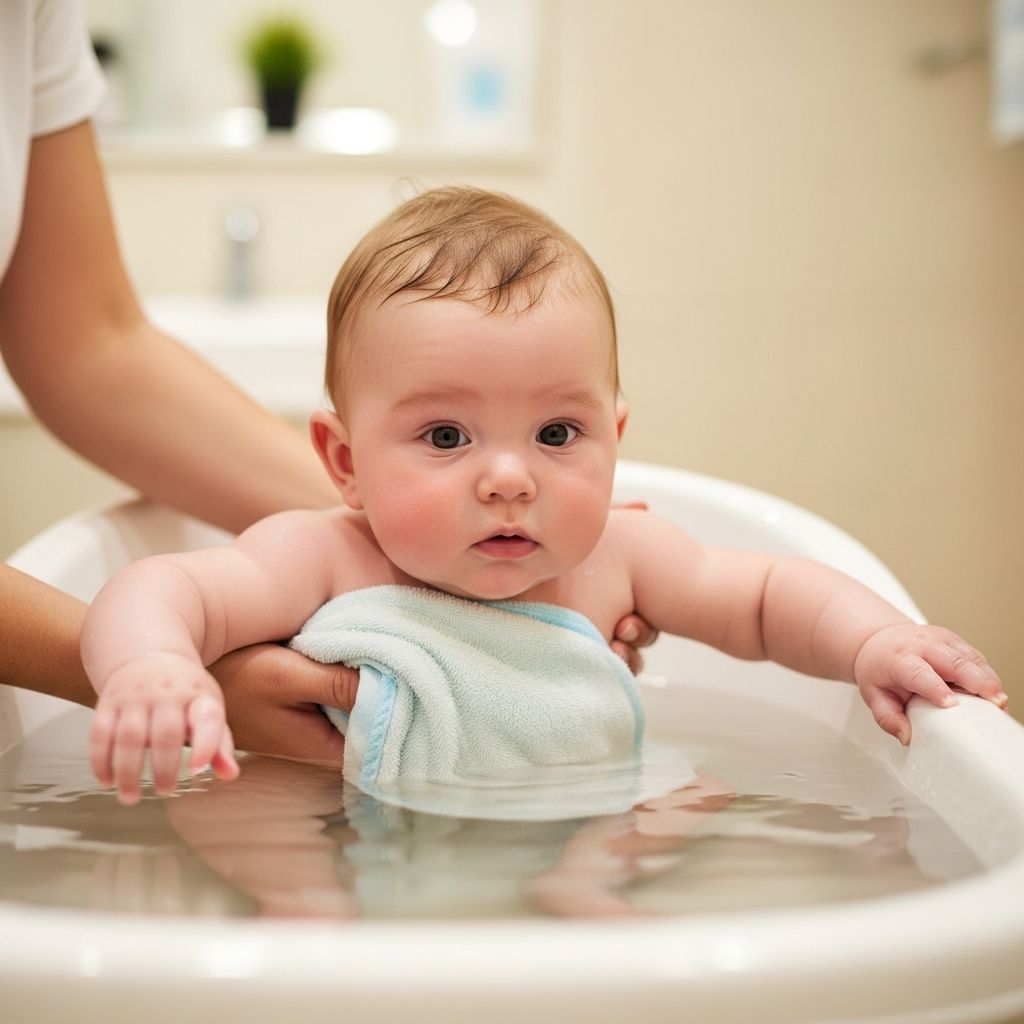
Use lukewarm water (around 92°F-98°F or 33°C-37°C) to gently lower skin temperature without shocking the body. Here’s a step-by-step approach:
- Undress the baby and place in a shallow tub or use sponge cloths on arms, legs, torso, and neck.
- Sponge or soak for 10-20 minutes, refreshing water as it warms.
- Avoid rubbing; let water evaporate naturally for cooling effect.
- Pat dry gently and dress in lightweight clothing.
- Recheck temperature after 15 minutes; repeat if above 103°F (39.4°C).
Combine with acetaminophen (15 mg/kg dose) for better outcomes, as baths alone may not sustain cooling.
Dangerous Bathing Mistakes to Avoid
| Common Error | Why Avoid | Safe Alternative |
|---|---|---|
| Cold water or ice baths | Causes shivering, raising core temperature via muscle activity | Lukewarm water only |
| Alcohol rubs | Toxic if absorbed through skin; irritates and ineffective | Plain water sponging |
| Hot baths | Increases body heat, worsening fever | Test water on wrist |
| Prolonged sessions | Leads to chilling, discomfort, or hypothermia risk | Limit to 20 minutes |
Studies emphasize tepid or lukewarm methods over cold to minimize distress.
Medication and Bath Combinations
Acetaminophen is first-line for fever discomfort, acting centrally to reset the body’s thermostat. Pairing it with sponging accelerates initial cooling without added risks. Follow dosing by weight, not age:
- 0-3 months: Consult doctor before any medication.
- 3-6 months: 40-80 mg every 4-6 hours.
- Max 5 doses/day.
Avoid ibuprofen under 6 months or aspirin due to Reye’s syndrome risk.
Hydration and Comfort Beyond Baths
Fever increases fluid loss; dehydration exacerbates symptoms. Offer frequent breast milk, formula, or electrolyte solutions (Pedialyte for 6+ months). Babies under 1 year avoid plain water.
Additional comforts:
- Light clothing and room temperature 68-72°F (20-22°C).
- Cool cloths on forehead or neck for soothing.
- Rest in a quiet environment; soft foods if appetite returns.
When to Contact a Pediatrician
Not all fevers need baths or meds; monitor for red flags:
- Infants <3 months with any fever ≥100.4°F (38°C).
- Fever >104°F (40°C) or lasting >3 days.
- Accompanied by stiff neck, rash, breathing difficulty, persistent vomiting, or lethargy.
Seek immediate care if baby is inconsolable or dehydrated (dry diapers, sunken fontanelle).
Evidence from Key Studies
Tepid Sponge Bath Study (1997): No long-term benefit over acetaminophen alone; increased distress.
Cold Sponging vs. Paracetamol (2014): Rapid but short-lived cooling; paracetamol superior for sustained effect.
Guidelines from MedlinePlus and Nationwide Children’s reinforce lukewarm methods as adjuncts, not primaries.
Frequently Asked Questions (FAQs)
Can I give my baby a bath if they have a fever of 101°F?
Yes, a lukewarm sponge bath can provide comfort alongside medication, but monitor closely.
How long after a bath should I recheck temperature?
Wait 15 minutes; repeat if still high.
Is it safe to use cold water for faster cooling?
No, it causes shivering and rebounds fever.
What if the fever returns right after the bath?
Normal; medication provides lasting relief.
Should I wake a sleeping baby for a fever bath?
No, if comfortable and hydrated, let rest.
Long-Term Fever Prevention Tips
Vaccinations, hand hygiene, and avoiding sick contacts reduce infection risks. Track fevers with reliable thermometers (rectal for infants).
For recurrent fevers, consult for underlying issues like UTIs or immune concerns.
References
- The efficacy of tepid sponge bathing to reduce fever in young children — J Sharber. 1997-03. https://pubmed.ncbi.nlm.nih.gov/9115527/
- Comparison of Cold Water Sponging and Acetaminophen in Control of Fever in Children — PMC. 2014. https://pmc.ncbi.nlm.nih.gov/articles/PMC3894045/
- When your baby or infant has a fever — MedlinePlus. https://medlineplus.gov/ency/patientinstructions/000319.htm
- Fever — Nationwide Children’s Hospital. https://www.nationwidechildrens.org/conditions/fever
- Sponge Bath for a Child’s Fever — Kaiser Permanente. https://healthy.kaiserpermanente.org/health-wellness/health-encyclopedia/he.sponge-bath-for-a-childs-fever.not59770