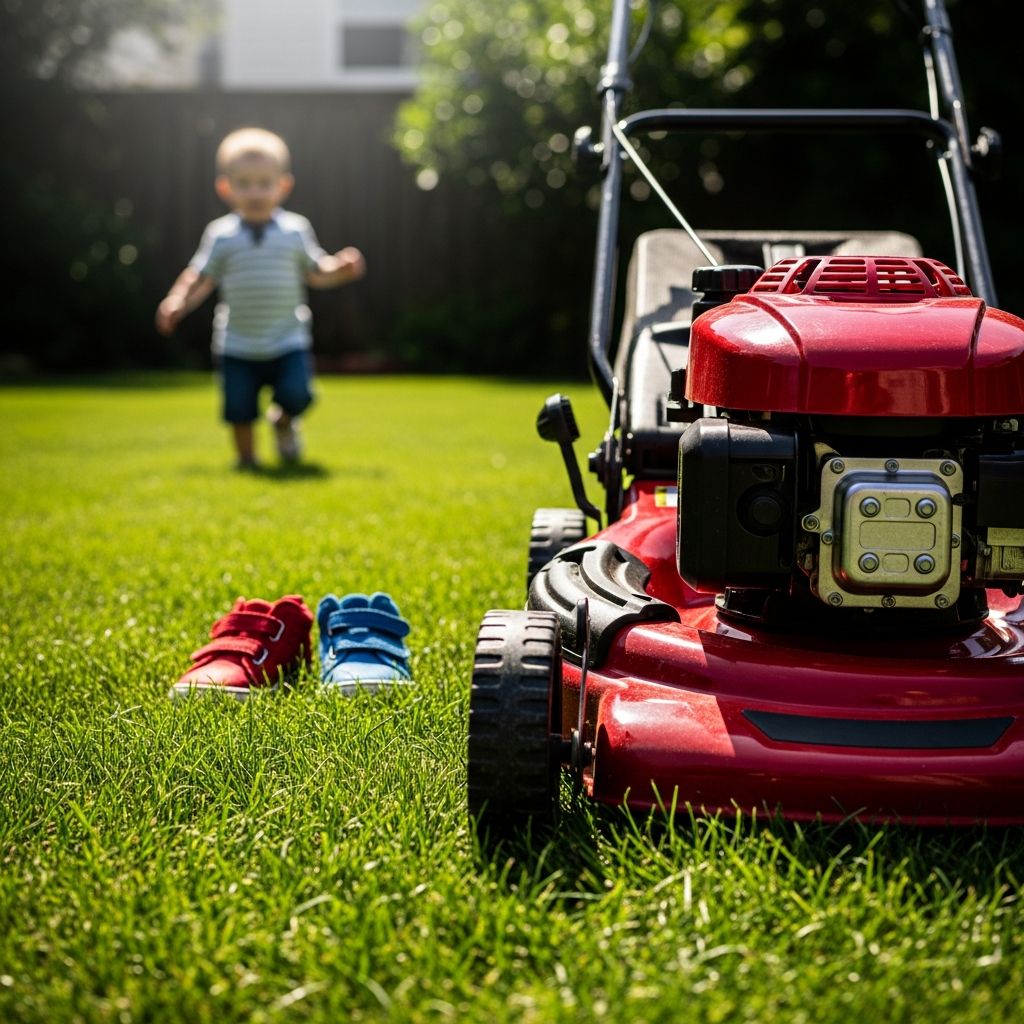
The toddler years can feel like a whirlwind of big feelings, constant movement, and rapid growth. This stage is challenging, but it is also a powerful opportunity to build trust, cooperation, and lifelong emotional health. With a calm, connection-based approach, everyday struggles become chances to teach skills rather than to control behavior.
Understanding the Toddler Mind
Toddlers are not miniature adults. Their brains are still developing the ability to manage impulses, tolerate frustration, and express needs in words. What looks like defiance is often a young child overwhelmed by emotions or limits they do not yet understand.
When parents remember that behavior is communication, it becomes easier to respond with curiosity instead of anger. Your toddler’s outbursts, clinginess, or refusal are signals about needs, not personal attacks.
Key Features of Toddler Development
- Rapid brain development, especially in areas that handle self-control and emotional regulation.
- Growing independence: wanting to “do it myself” while still needing a great deal of support.
- Limited language and problem-solving skills compared to the size and intensity of their feelings.
Core Principles of Calm Toddler Parenting
Effective parenting in the toddler years rests on a few core ideas: connection before correction, firm but kind boundaries, and viewing misbehavior as a lack of skills rather than a lack of respect.
These principles allow you to guide your child without harshness, while still holding clear expectations that keep everyone safe and respected.
Connection Before Correction
- Get down to your child’s eye level before giving instructions or feedback.
- Use your toddler’s name, gentle touch, and warm tone to get their attention first.
- Acknowledge feelings before you set or reinforce a limit.
Firm, Kind Boundaries
- State rules clearly and simply: “Hands stay on the table,” “We walk inside.”
- Follow through consistently without threats or bribes.
- Offer limited choices within your boundaries to reduce power struggles.
Common Toddler Challenges and Gentle Solutions
Almost every toddler family wrestles with the same set of issues: tantrums, hitting, saying “no,” and testing limits. Preparing for these challenges makes them less alarming and more manageable.
The goal is not to eliminate all difficult behavior, but to respond in ways that slowly teach self-control and empathy.
Tantrums: What They Really Mean
A tantrum is a nervous system overload, not a deliberate strategy. Your toddler’s brain temporarily “goes offline,” which is why reasoning rarely works mid-meltdown.
Rather than seeing tantrums as misbehavior to punish, approach them as emotional storms your child cannot yet manage alone.
How to Handle Tantrums Calmly
- Stay as calm as you can; your steadiness is the anchor.
- Ensure safety by moving objects or gently guiding your child to a safe space.
- Use simple, validating language: “You’re so upset that… I’m right here.”
- Hold limits while offering comfort: “We can’t have the cookie. You’re sad about that. I’ll sit with you.”
- After the storm passes, briefly revisit what happened and practice a better way together.
Hitting, Biting, and Pushing
Aggressive behavior in toddlers often appears when they are tired, overwhelmed, or unable to express themselves. It is not a sign you are raising a mean child; it is a sign your child needs help with impulse control.
Your job is to stop the hurt quickly while calmly teaching safer ways to express frustration.
Steps to Respond to Aggression
- Physically block the behavior: gently hold the hand or move between children.
- State the limit: “No hitting. Hitting hurts.”
- Name the feeling: “You were mad when he took your toy.”
- Show what to do instead: “Say, ‘Mine,’ or come get me for help.”
- Repair when possible: guide your toddler to offer a gentle touch or a simple “sorry” when ready.
Positive Discipline Tools for Everyday Life
Discipline means “to teach,” not “to punish.” Toddlers learn best from repetition, modeling, and natural consequences, not from shame or fear.
Positive discipline preserves your relationship while still providing clear structure, which is exactly what young children need to feel safe.
Respectful, Effective Strategies
- Routines: Predictable patterns for mornings, meals, and bedtime cut down on power struggles.
- Limited choices: “Red cup or blue cup?” gives a sense of control within your boundary.
- Transition warnings: “Five more minutes, then we clean up,” helps toddlers shift activities.
- Natural consequences: If a toy is thrown, it is put away for a short time, calmly and consistently.
- Modeling: Show the words and actions you want your child to copy, such as asking for a turn.
Supporting Emotional Development
Emotional intelligence begins in the toddler years. Children learn what to do with their feelings by watching how the adults around them respond to both their emotions and their own.
The more a toddler experiences acceptance and guidance around feelings, the more likely they are to grow into a child who can self-soothe, empathize, and problem-solve.
Teaching Feelings in Simple Ways
- Use everyday moments to name emotions: “You look proud,” “You seem frustrated.”
- Read picture books that show faces and feelings, talking briefly about what each character might feel.
- Offer simple coping tools like deep breaths, hugging a stuffed animal, or squeezing playdough.
Play: The Work of Toddlers
Play is how toddlers explore the world, practice new skills, and process their experiences. When you see your child stacking blocks, feeding a doll, or splashing in water, you are watching real learning in action.
You do not need elaborate toys or constant entertainment. What matters is space, time, and your warm presence.
Simple, Powerful Play Ideas
- Open-ended toys like blocks, nesting cups, and simple cars or animals.
- Pretend play with dolls, stuffed animals, play kitchens, or cardboard boxes.
- Outdoor play: running, climbing, digging in dirt or sand, collecting leaves and rocks.
- Creative play: crayons, large paper, nontoxic paint, or musical instruments like shakers and drums.
Creating Routines That Work
Routines are more than schedules; they are a series of predictable steps that help toddlers know what to expect. Predictability lowers anxiety and often reduces challenging behavior.
Think of routines as a rhythm you return to, not a rigid timetable that must be followed minute-by-minute.
Sample Daily Rhythm Table
| Time Block | Possible Activities |
|---|---|
| Morning | Wake up, cuddle, breakfast, get dressed, short playtime, outing (park, errands, playgroup). |
| Midday | Lunch, quiet play, nap or rest time, simple household tasks together. |
| Afternoon | Outdoor play, snack, creative activity (drawing, music, pretend play). |
| Evening | Dinner, tidy-up together, bath, stories, bedtime routine. |
Sleep Struggles and Calmer Bedtimes
Sleep is a frequent battleground in toddler families. As independence grows, many children resist going to bed or staying in bed, even when they are clearly tired.
A soothing, consistent routine combined with empathy and clear limits builds a more peaceful end to the day.
Building a Soothing Bedtime Routine
- Keep bedtime roughly the same each night to help your child’s body clock.
- Dim lights and reduce stimulation 30–45 minutes before sleep.
- Follow the same simple sequence every night, such as: bath → pajamas → snack or water → brushing teeth → story → cuddles → lights out.
- Respond to fears or separation anxiety with reassurance and presence, not punishment.
Mealtimes, Picky Eating, and Power Struggles
Toddlers often go through phases of picky eating. Appetite can vary from day to day, and a sudden refusal of familiar foods can be developmentally normal.
Shifting mealtimes away from battles over bites and toward calm exposure to a variety of foods helps build a positive relationship with eating.
Healthy Mealtime Habits
- Offer regular meals and snacks rather than constant grazing.
- Serve a small selection of simple foods, including at least one item your child usually accepts.
- Avoid pressure, bribing, or forcing; your job is to decide what and when, while your toddler decides whether and how much.
- Model trying new foods yourself and keep the mood light and pleasant.
Toilet Learning with Respect
Toilet learning is not a race. Readiness varies widely, and pushing too hard, too early can create resistance and stress for everyone.
Look for signs such as staying dry for longer periods, noticing a wet or dirty diaper, and showing interest in the bathroom before shifting away from diapers.
Steps for Gentle Toilet Learning
- Let your child observe you or older siblings using the toilet and talk simply about what is happening.
- Introduce a child-size potty or a seat insert and step stool so they feel secure.
- Practice sitting on the potty without pressure to “produce” anything at first.
- Celebrate effort and progress, not perfection; accidents are handled calmly, as part of learning.
Taking Care of Yourself as a Parent
Caring for a toddler is physically and emotionally demanding. Parents often feel touched out, exhausted, or guilty for longing for a break.
Meeting your own basic needs is not selfish; it is an essential part of being able to show up with patience and warmth for your child.
Realistic Self-Care Ideas
- Build in short pauses: two minutes of deep breathing while your child plays nearby can help reset your nervous system.
- Accept and ask for help from friends, family, or community resources when available.
- Lower perfectionistic standards for housework during intense seasons and prioritize rest when possible.
- Connect with other parents who understand the joys and struggles of this stage.
Frequently Asked Questions About Toddlers
Is my toddler “spoiled” if I comfort them during a tantrum?
No. Comforting a distressed toddler teaches that emotions are safe and manageable. Responding with calm presence helps build the very self-control you want them to develop.
What if my toddler never seems to listen?
Listening improves when toddlers feel connected and when instructions are simple, specific, and delivered at their level. Make eye contact, use short phrases, and give one instruction at a time rather than calling out from across the room.
Should I use time-outs with my toddler?
Traditional time-outs that isolate and shame can be confusing and frightening for young children. A more helpful approach is a “time-in,” where you stay close, keep the boundary, and support your child in calming down.
How can I tell what behavior is normal and what is a concern?
Frequent tantrums, testing, and clinginess are common in toddlerhood. If you notice that your child rarely makes eye contact, shows little interest in others, or seems far behind in communication or movement, consult your pediatrician or a child development professional.
Will gentle parenting make my toddler entitled or unruly?
Gentle parenting is not permissive parenting. It combines empathy with firm boundaries and clear expectations, teaching responsibility and respect through connection rather than fear.
Growing Together Through the Toddler Years
The toddler stage is loud, messy, and full of learning—for both children and adults. When you lead with connection, maintain consistent limits, and allow room for big feelings, you create a foundation of trust that will support your child long after these early years have passed.
Perfection is not required. What matters most is your willingness to keep showing up, repairing when things go wrong, and choosing relationship over control whenever you can.