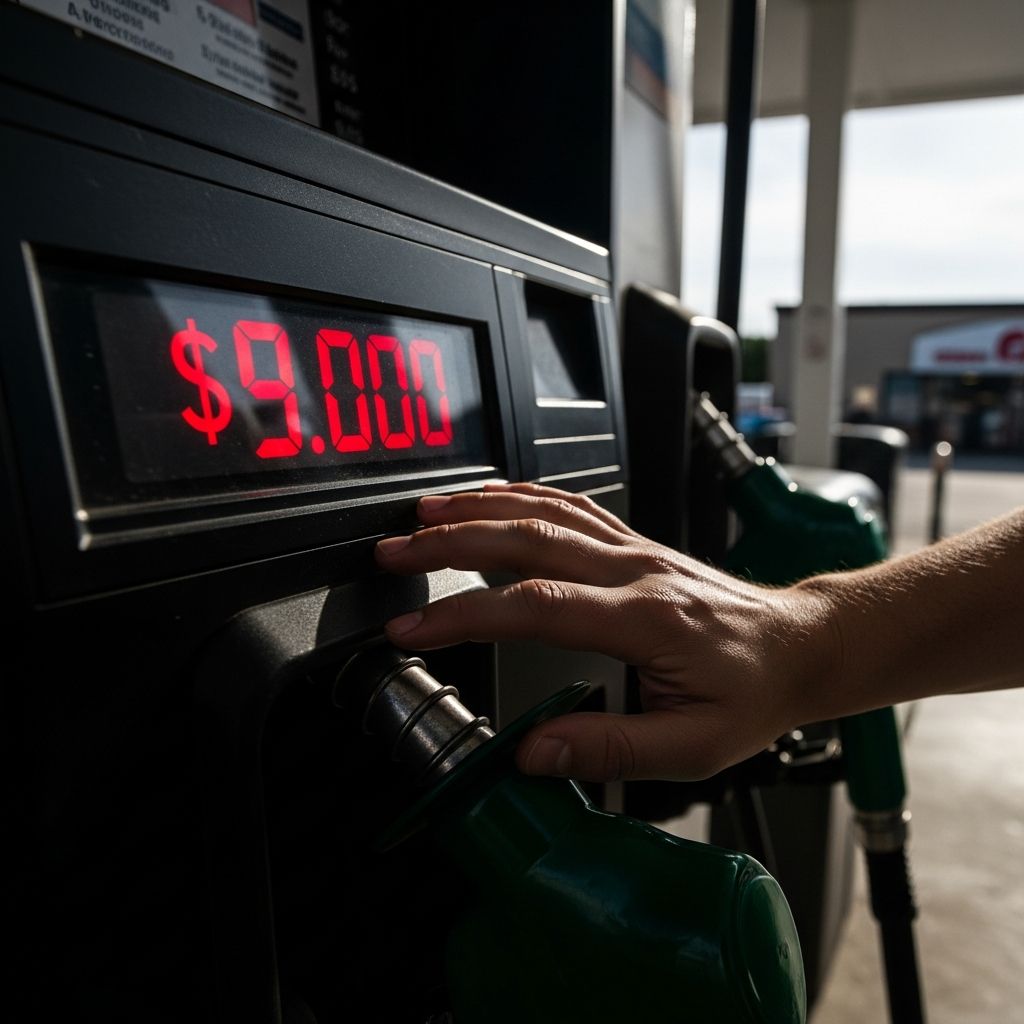
In early 2026, a routine stop at a Los Angeles gas station turned into a social media phenomenon when prices soared to nearly $9 per gallon. This jaw-dropping display, captured on TikTok, has fueled widespread discussions about affordability, energy policy, and the harsh realities of driving in high-cost states.
The Moment That Went Viral
The incident unfolded at a busy pump in California, where a driver pulled up expecting standard rates but faced a digital sign flashing unprecedented figures. Videos shared across platforms showed stunned reactions—mouths agape, phones out recording—as the reality sank in. Within hours, the clip amassed millions of views, transforming a local gripe into a national conversation.
Social media users didn’t hold back. Comments ranged from disbelief (‘Is this real life?’) to anger (‘How are families supposed to survive?’), amplifying the story’s reach. This wasn’t isolated; it tapped into growing frustrations with volatile fuel markets, especially in California, known for some of the nation’s steepest prices.
Why California? Unpacking the Price Surge
California’s gas prices have long outpaced the national average due to a mix of state-specific factors. Stricter environmental regulations require unique fuel blends, produced by fewer refineries, which drives up costs. Add in high taxes—among the highest in the U.S.—and logistical challenges like supply chain disruptions, and prices can spike dramatically.
In March 2026, a perfect storm hit: refinery maintenance shutdowns coincided with increased global oil demand and seasonal travel surges. Reports indicate one Los Angeles station pushed the envelope to nearly $9/gallon, stunning locals accustomed to $5–$6 norms. Economists note this as a temporary peak, but it highlights systemic vulnerabilities.
- Regulatory Burden: California’s Low Carbon Fuel Standard adds premiums to comply with emissions goals.
- Tax Impact: State excise tax sits at 57.9 cents per gallon, plus cap-and-trade fees.
- Supply Constraints: Limited in-state refining capacity means reliance on imports, vulnerable to disruptions.
- Demand Pressure: High population density and car dependency amplify consumption.
Driver Reactions: From Shock to Survival Strategies
For everyday commuters, the $9 sight was more than a photo op—it was a budget buster. Parents shared stories of skipping extracurriculars to save on gas, while gig workers like Uber drivers calculated lost earnings. One viral commenter quipped, ‘Filling up my tank just cost me a week’s groceries.’
Many adapted quickly:
| Strategy | Description | Potential Savings |
|---|---|---|
| Carpooling | Share rides with neighbors or apps | 30–50% per trip |
| Public Transit | Use buses, trains, or e-bikes | Up to 70% monthly |
| Fuel-Efficient Driving | Avoid idling, maintain tire pressure | 10–20% efficiency gain |
| Gas Apps | Hunt deals via GasBuddy or similar | 20–40 cents/gallon |
| EV Switch | Transition to electric vehicles | 50–80% long-term |
These tactics reflect a broader shift, with surveys showing 40% of Californians considering vehicle changes due to costs.
Economic Ripples: Beyond the Pump
High gas prices don’t stop at the tank—they cascade through the economy. Transportation costs inflate grocery bills (trucking fuel), dining out (delivery fees), and even remote work viability. In California, where 85% of households own cars, the impact is profound.
Small businesses feel it too: food trucks raise menu prices, rideshare drivers cut hours, and tourism dips as visitors balk at fill-up fees. A 2026 analysis from the U.S. Energy Information Administration projects that sustained high prices could shave 0.5% off state GDP growth.
Government Response and Policy Debates
State officials scrambled post-viral storm, with Governor’s office issuing statements on monitoring markets and potential tax suspensions. Critics argue for deregulation, pointing to Texas’s lower prices (around $3/gallon), while environmentalists defend rules protecting air quality.
Proposed fixes include:
- Expanding refinery capacity with incentives.
- Temporary gas tax holidays, as seen in past crises.
- Accelerating EV infrastructure via federal grants.
- Import pipelines to diversify supply.
Debate rages: short-term relief vs. long-term sustainability.
Social Media’s Role in Amplifying Crises
TikTok turned a pump price into a movement, showcasing platforms’ power in 2026. Hashtags like #GasStationShock trended, spawning memes, challenges, and calls for boycotts. This mirrors past virals—like 2022’s shortage panics—proving user-generated content shapes public discourse faster than news cycles.
Pros: Raises awareness, pressures policymakers. Cons: Can incite hoarding or misinformation. Experts recommend verifying clips before sharing.
Looking Ahead: Predictions for Fuel Prices
Analysts forecast California’s averages stabilizing at $6–$7 by mid-2026, barring hurricanes or geopolitics. Global factors like OPEC cuts and EV adoption (now 15% of new sales) offer hope. Yet, climate goals may keep premiums elevated.
Individuals can prepare:
- Track prices via apps for dips.
- Build emergency fuel budgets.
- Explore hybrids for transitional savings.
Frequently Asked Questions (FAQs)
Why is gas so much more expensive in California?
Unique fuel standards, high taxes, limited refineries, and high demand create a perfect storm, often 50–100% above national averages.
Is the $9/gallon price real or edited?
Videos from multiple angles confirm it at one LA station in March 2026, though not statewide.
What can I do to save on gas right now?
Combine errands, drive smoothly, keep tires inflated, and use loyalty programs for discounts.
Will prices drop soon?
Likely yes, with refinery restarts, but volatility persists due to seasonal and global factors.
Should I switch to electric?
If feasible, yes—long-term savings outweigh upfront costs, especially with rebates.
Broader Lessons from the Viral Pump
This episode underscores energy dependence in modern life. As prices fluctuate, resilience—through policy, tech, and habits—becomes key. The TikTok wave didn’t just shock; it mobilized, reminding us social media can drive change alongside outrage.
References
- $9 gas alert: Viral station in California leaves drivers stunned as prices increase — The Economic Times. 2026-03 (approx.). https://economictimes.com/news/international/us/9-gas-alert-viral-station-in-california-leaves-drivers-stunned-as-prices-increase/articleshow/129847645.cms
- California Gasoline Prices — U.S. Energy Information Administration (EIA). 2026-04-01. https://www.eia.gov/petroleum/gasdiesel/
- State Motor Fuel Taxes — U.S. Government Accountability Office (GAO). 2025-12-15. https://www.gao.gov/products/gao-26-106297
- California’s Unique Gasoline Market — California Energy Commission. 2026-02-28. https://www.energy.ca.gov/data-reports/energy-almanac/transportation-fuel-data/gasoline-data
- Impact of Fuel Prices on Household Budgets — Federal Reserve Bank of San Francisco. 2026-01-20. https://www.frbsf.org/research-and-insights/publications/economic-letter/2026/01/impact-fuel-prices-household-budgets/