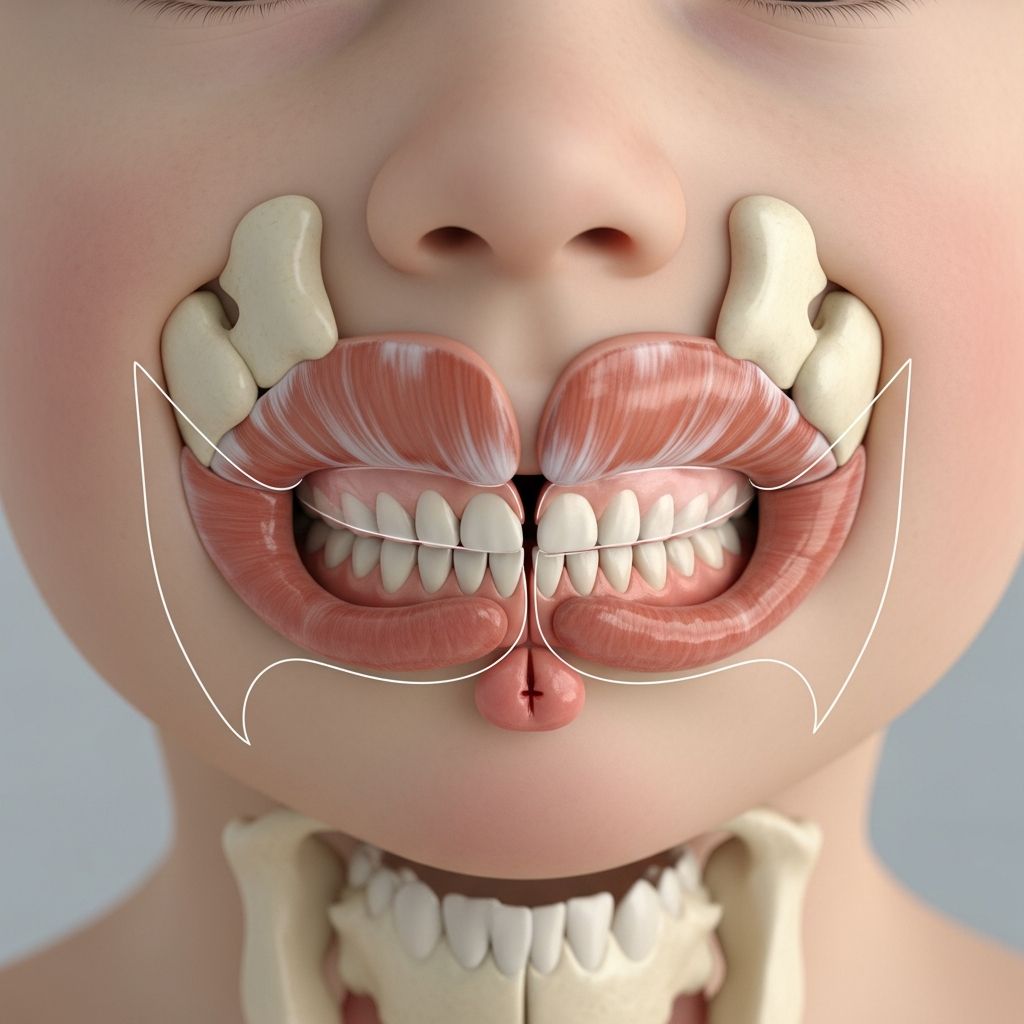
Calcium is one of the key building blocks of your child’s growing body. It supports strong bones and teeth, steady heartbeats, muscle movement, and healthy nerve function. Understanding how much calcium your child needs, where to find it, and how to make it part of everyday meals can set them up for healthier years ahead.
Why Calcium Matters So Much in Childhood
During childhood and the teen years, bones are constantly growing longer, wider, and denser. Calcium is the mineral that helps create this sturdy bone structure, almost like bricks in a wall. If kids do not get enough calcium while bones are forming, they may miss the opportunity to reach their strongest possible bone mass.
Calcium also plays a role well beyond the skeleton. It helps muscles contract and relax, allows nerves to pass messages, and supports normal blood clotting. The body keeps a steady level of calcium in the blood, and if the diet is short on calcium, the body may pull it out of bones, slowly weakening them over time.
- Strong bones and teeth for growth and daily activities.
- Support for muscles, heart rhythm, and nerve signaling.
- Protection against weak bones and fractures later in life.
How Much Calcium Do Kids Need?
Calcium needs change as children grow. Younger kids need enough for steady growth, while tweens and teens require extra calcium during their rapid growth spurts. Meeting these needs consistently is more important than focusing on a single high-calcium meal or day.
The table below gives a general idea of typical daily calcium targets. Exact recommendations can vary slightly by country and health organization, so use this as a guide and discuss specifics with your child’s healthcare provider if you have questions.
| Age Range | Approximate Daily Calcium (mg) | Notes |
|---|---|---|
| 1–3 years | 700 mg | Focus on small, frequent servings of calcium-rich foods. |
| 4–8 years | 1,000 mg | School-age kids benefit from calcium at meals and snacks. |
| 9–18 years | 1,300 mg | This is the peak bone-building period; needs are highest. |
Remember that these totals include calcium from all sources: foods, drinks, and any supplements your child might take under medical guidance. A varied, well-planned diet can usually meet these needs without supplements for most children.
Top Everyday Food Sources of Calcium
Many families think of milk first when they hear “calcium,” but there are many other options. Both dairy and non-dairy foods can contribute important amounts of calcium to your child’s daily intake. Combining several different sources often makes it easier to reach the daily goal.
The list below offers common kid-friendly foods that provide calcium, along with suggestions for how to use them in meals and snacks.
Calcium-Rich Dairy Foods
- Milk (cow’s or fortified alternatives): Use in cereal, smoothies, or as a drink with meals.
- Yogurt: Choose plain or lower-sugar options; add fruit, nuts, or granola for texture.
- Cheese: Include slices with sandwiches, cubes in lunchboxes, or shredded cheese on soups and baked dishes.
Non-Dairy Sources of Calcium
- Fortified plant milks: Many soy, oat, almond, and pea milks add calcium and vitamin D; shake well before serving to redistribute added minerals.
- Calcium-fortified orange juice: Serve in moderation, as juice is still a concentrated source of sugar.
- Leafy greens: Options like kale, bok choy, and collard greens offer calcium along with fiber and vitamins.
- Tofu made with calcium: Check the label; some brands use calcium salts that increase the calcium content.
- Canned fish with soft bones: Salmon or sardines with edible bones provide both calcium and healthy fats.
- Nuts and seeds: Almonds, chia seeds, and sesame seeds (or tahini) contribute smaller but useful amounts.
Practical Ways to Boost Calcium in Your Child’s Day
It is not always easy to convince kids to drink a glass of milk or try a new leafy green. Instead of focusing on a single food, aim to include a few calcium-rich options across the day. Small changes in routine can add up to a big difference.
Use the ideas below as a menu of simple strategies you can mix and match based on your child’s preferences and any dietary restrictions in your family.
Simple Meal and Snack Ideas
- Offer oatmeal made with milk instead of water, topped with fruit and a sprinkle of nuts.
- Serve vegetable sticks with yogurt-based dips or hummus made with tahini.
- Top pasta, chili, or casseroles with shredded cheese or crumbled firm tofu.
- Blend smoothies using milk or fortified plant beverages, plus yogurt and fruit.
- Add leafy greens to soups, stir-fries, or egg dishes for an extra dose of calcium.
Habits That Support Better Calcium Intake
- Pair calcium-rich foods with vitamin D sources, such as fortified milk or safe sun exposure, to support absorption.
- Keep pre-cut, calcium-rich snacks (like cheese cubes, yogurt cups, or fortified plant-milk popsicles) easy to grab.
- Reduce sugary drinks that displace milk or fortified beverages at meals.
- Involve kids in planning and preparing meals so they are more invested in trying new foods.
Calcium, Vitamin D, and Physical Activity: A Bone-Health Trio
Calcium does not work alone. For bones to use calcium effectively, the body also needs vitamin D. Vitamin D helps the intestines absorb calcium from food and supports proper bone mineralization. Without enough vitamin D, even a calcium-rich diet may not fully protect bones.
Weight-bearing physical activity is the third piece of the puzzle. Activities such as walking, running, dancing, skipping, and sports that involve jumping and quick changes in direction stimulate bones to become stronger and denser. Together, calcium, vitamin D, and regular movement create a powerful foundation for lifelong bone health.
- Offer calcium-rich meals and snacks spread throughout the day.
- Ensure children get safe sun exposure and/or vitamin D from foods or supplements as advised by a healthcare professional.
- Encourage at least an hour of active play or exercise most days of the week.
Recognizing Possible Signs of Low Calcium Intake
Mild calcium shortfalls often do not show obvious symptoms right away. Instead, the body quietly borrows calcium from bones to keep blood levels stable. Over time, this can leave bones thinner and more fragile, increasing the risk of fractures later in life.
In more serious cases, low calcium levels in the blood may cause noticeable symptoms that need prompt medical attention. These symptoms can also be caused by other conditions, so professional evaluation is important rather than self-diagnosing.
- Muscle cramps or spasms, especially in the hands, feet, or face.
- Tingling feelings around the mouth or in fingers and toes.
- Unusual irritability, fatigue, or trouble concentrating.
- Frequent fractures or slow recovery after minor falls or bumps.
If you notice symptoms that concern you or know your child avoids most calcium-rich foods, contact a pediatrician or dietitian. They can check overall nutrition, growth patterns, and, if needed, blood levels or bone health.
What About Calcium Supplements for Kids?
Many children can meet their calcium needs through food and drink alone, especially when families are intentional about offering a variety of sources. Supplements are tools that may help in certain situations, but they are not automatically necessary for every child and should be used thoughtfully.
Healthcare professionals might discuss supplements if a child has a medically restricted diet, strong dairy intolerance, or significantly low intake of calcium-rich foods. In these cases, dose, timing, and type of supplement all matter to avoid getting either too little or too much.
- Always talk with a pediatrician before starting any supplement, including chewable or gummy calcium products.
- Keep supplements out of children’s reach and treat them like medication, not candy.
- Remember that “more” is not always better; excessive calcium may cause side effects or interfere with other nutrients.
Helping Picky Eaters Get Enough Calcium
Many parents worry about calcium when children are picky about foods like milk or yogurt. The good news is that calcium can be hidden in many familiar dishes, making it easier to meet needs without pressure or mealtime battles. Gradual, low-stress exposure to new foods usually works better than strict rules.
Offering choices within a structured routine allows kids to feel some control while still ensuring they see calcium-rich foods often. Repeated, relaxed exposure over time is more important than immediate acceptance.
- Blend calcium-rich ingredients into smoothies, soups, and sauces where flavors are mild and textures are familiar.
- Use fun shapes and presentations, such as cheese cutouts, yogurt parfaits in clear glasses, or colorful veggie wraps with cheese or tofu.
- Pair new foods with long-time favorites, like adding a small amount of shredded cheese to a beloved pasta dish.
- Offer a “try a bite” approach without forcing an entire serving, and praise willingness to taste.
Frequently Asked Questions About Calcium for Kids
1. Can my child get enough calcium without drinking cow’s milk?
Yes, it is possible for children to meet their calcium needs without cow’s milk, but it takes more planning. Fortified plant milks, tofu made with calcium, leafy greens, fortified juices, nuts, seeds, and canned fish with soft bones can all contribute meaningful amounts of calcium. Reading labels, rotating different calcium-rich foods, and planning meals ahead of time make it more realistic to reach daily goals without traditional dairy.
2. When should I worry that my child is not getting enough calcium?
It is helpful to review a typical week of meals and snacks and count how many calcium-rich foods appear each day. If your child rarely eats or drinks these foods, or avoids entire food groups that normally provide calcium, it is a good idea to discuss this with a pediatrician or dietitian. Concerns such as slow growth, frequent fractures, ongoing fatigue, or muscle cramps make that conversation especially important.
3. Does my child need vitamin D if they are already eating a lot of calcium?
Calcium and vitamin D work together, so getting enough of both is essential for strong bones. Even a calcium-rich diet cannot fully support bone health if vitamin D is very low. Because vitamin D can be hard to obtain from food alone and sun exposure varies, many healthcare providers check vitamin D levels or recommend a supplement, particularly in regions with limited sunlight or for children who spend most time indoors.
4. Can children get too much calcium?
Yes, more calcium is not always better. Very high intakes, usually from excessive supplements rather than food, may cause constipation, stomach upset, or affect how the body handles other minerals such as iron and zinc. Sticking close to age-appropriate recommendations and using supplements only under medical supervision help ensure that calcium intake stays in a safe and helpful range.
5. How can I track my child’s calcium intake without becoming obsessed?
Instead of counting every milligram, aim for patterns. Offer a calcium-rich food or drink at most meals and at least one snack, and rotate choices so your child does not get bored. Checking labels for calcium content and occasionally reviewing a day or two of eating can provide reassurance that your child’s usual diet is on track without turning mealtimes into math lessons.
Focusing on everyday habits that deliver steady calcium, enough vitamin D, and plenty of physical activity can help your child build the strongest bones possible. With a bit of planning and creativity, even busy families and picky eaters can find a routine that keeps bones healthy now and in the years to come.