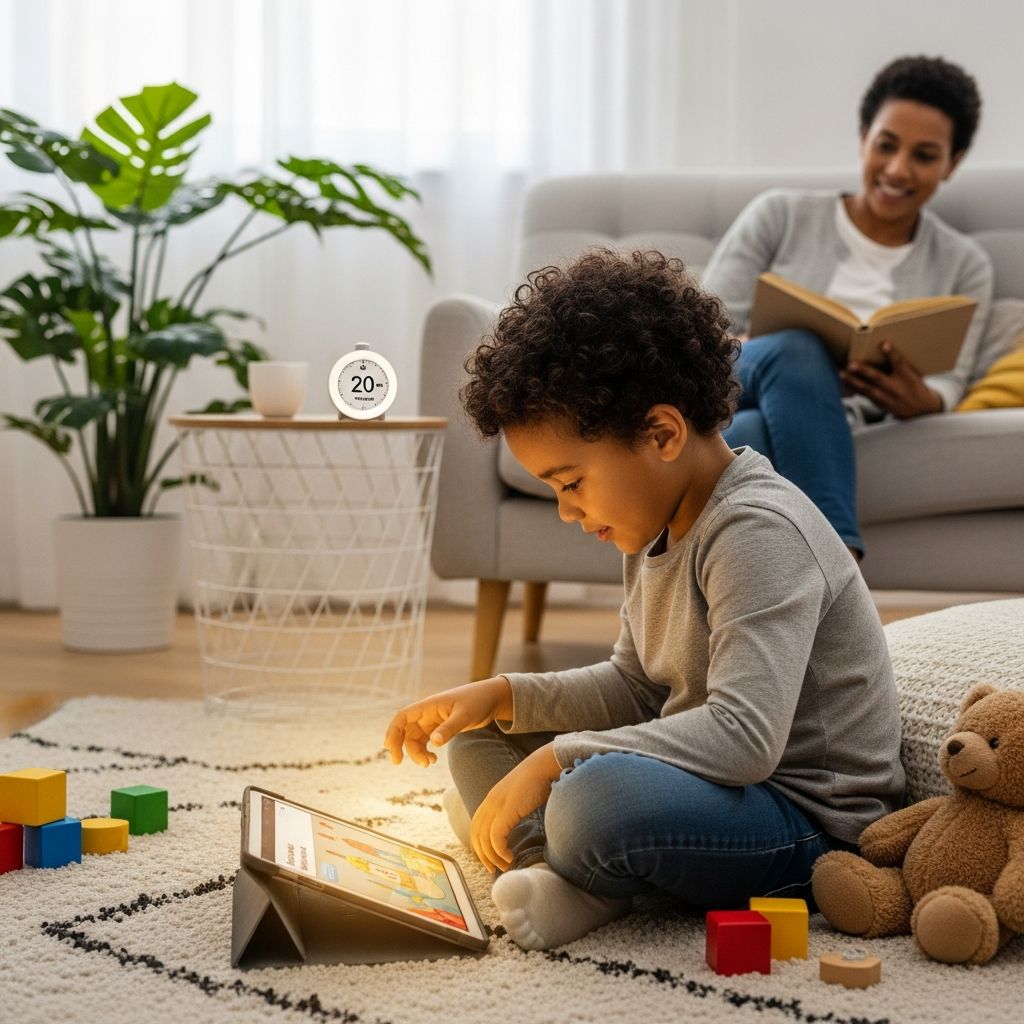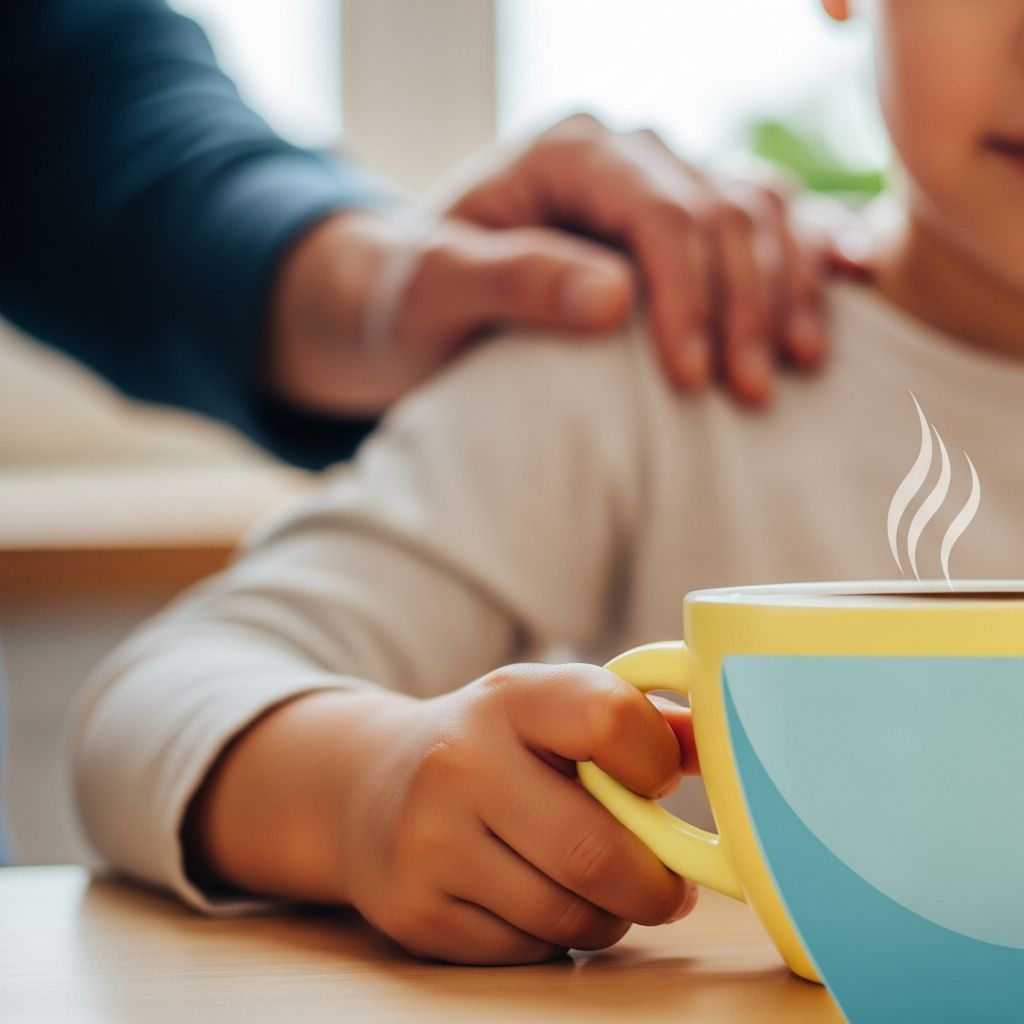
Caffeine is everywhere: in morning coffees, fizzy sodas, icy teas, and brightly colored energy drinks that seem designed to catch kids’ eyes. For growing children and teens, though, even modest amounts of caffeine can affect sleep, mood, concentration, and long-term health.
This guide explains how caffeine works in a child’s body, where it hides, what risks it carries, and how parents can set realistic, healthy limits without constant battles.
What Exactly Is Caffeine?
Caffeine is a naturally occurring stimulant found in plants like coffee beans, tea leaves, cacao, and kola nuts. It is also added to many soft drinks, energy drinks, and over-the-counter medicines.
In the body, caffeine:
- Blocks adenosine, a chemical that promotes sleep and relaxation in the brain.
- Triggers the release of stress hormones such as adrenaline.
- Stimulates the central nervous system, making people feel more alert and awake.
For adults, small to moderate amounts may be tolerated fairly well. Children, however, are more sensitive to the same dose because of their smaller body size and developing brains.
Why Children Are More Sensitive to Caffeine
Kids’ bodies process caffeine differently from adults. Several factors make them more vulnerable:
- Lower body weight: A can of soda or an energy drink delivers a much higher dose of caffeine per kilogram of body weight for a child than for an adult.
- Developing brain: Brain structures and sleep-wake systems are still maturing throughout childhood and adolescence, and caffeine can interfere with those processes.
- Greater sleep needs: Children and teens require more sleep than adults; anything that reduces sleep quantity or quality can impact behavior, school performance, and health.
A comprehensive research review has found that caffeine use in children can alter sleep patterns, emotional balance, and potentially growth and development when intake is moderate to high.
Common Sources of Caffeine in Kids’ Diets
Many parents think first of coffee, but that is often not the main source of caffeine for children. Popular products can contain surprisingly high amounts:
- Cola and other soft drinks
- Energy drinks and energy “shots”
- Iced and hot teas (especially black and some green teas)
- Chocolate bars, hot chocolate, and chocolate-flavored desserts
- Flavored coffee drinks, including blended or sweetened coffees sold in cafés
- Some pain relievers and cold medicines that include caffeine as an active ingredient
Because caffeine amounts vary widely by brand and portion size, checking labels for “caffeine” or “energy blend” and being cautious with unlabelled drinks (like coffee-shop beverages) is important.
How Caffeine Affects a Child’s Body
Even small doses of caffeine can produce noticeable physical effects in kids and teens. Professional organizations and health agencies highlight several short-term side effects:
- Faster or irregular heartbeat
- Elevated blood pressure
- Rapid breathing or feeling “out of breath”
- Stomach upset, nausea, or diarrhea
- Jitteriness and restlessness
- Headaches
- Reduced appetite
Caffeine can stay in a child’s system for many hours, so an afternoon drink may still be active at bedtime, making it harder to fall asleep and stay asleep.
Behavior, Mood, and School Performance
Caffeine is sometimes used by older kids and teens to “push through” homework or late-night studying. Yet the same stimulant properties that temporarily increase alertness can also disturb emotional balance and concentration over time.
Research and expert reviews have identified several concerns:
- Sleep disruption leads to daytime sleepiness, difficulty focusing in class, and poorer academic performance.
- Increased anxiety and nervousness, especially at higher doses or in children who are already prone to anxiety.
- Mood changes, including irritability and emotional swings.
- Higher levels of stress and depressive symptoms associated with frequent consumption of caffeinated sodas and energy drinks.
One systematic review concluded that children appear especially sensitive to changes in sleep and mood from caffeine, with negative effects more pronounced at moderate to high intake levels.
Sleep: The Hidden Casualty of Caffeine
Sleep is a cornerstone of healthy development. For children and adolescents, insufficient or poor-quality sleep is linked to problems with learning, behavior, weight, and mental health.
Caffeine interferes with sleep by:
- Delaying the time it takes to fall asleep.
- Reducing total sleep duration.
- Disrupting deep, restorative sleep stages.
Even low doses taken later in the day can be enough to disturb a child’s normal sleep–wake cycle. When kids sleep poorly, they may feel even more tired the next day, leading them to reach again for caffeinated drinks—a cycle that becomes hard to break.
Potential Long-Term Risks
The long-term effects of regular caffeine use in children are still being studied, but existing evidence raises several concerns:
| Area of concern | How caffeine may contribute |
|---|---|
| Growth and development | Disturbed sleep and possible effects on metabolism may indirectly affect healthy growth in some children. |
| Mental health | Higher intake of caffeinated sodas and energy drinks has been linked with increased stress, anxiety, and depressive symptoms. |
| Heart rhythm | Energy drinks in particular have been associated with abnormal heartbeats in children and adolescents, which may be dangerous for those with underlying heart conditions. |
| Dependence and withdrawal | Regular use can lead to caffeine dependence; stopping suddenly may cause headaches, irritability, and fatigue. |
Caffeine and Sugar: A Problematic Combination
Many caffeinated drinks also contain large amounts of sugar. This pairing can be especially harmful for children:
- Extra calories from sugary beverages raise the risk of unhealthy weight gain and obesity.
- Tooth decay increases as sugar feeds bacteria that damage tooth enamel.
- Blood sugar swings can worsen mood and energy ups and downs.
Some energy drinks add not only sugar and caffeine but also other stimulants, increasing the overall strain on a child’s heart and nervous system.
Are There Any Situations Where Caffeine Helps Children?
For most healthy children, experts do not recommend caffeine. However, in medical settings, carefully controlled caffeine can sometimes be used as a treatment. For example:
- Very premature infants may receive caffeine under close medical supervision to treat certain breathing problems.
- Some research explores caffeine as part of treatment strategies for specific conditions such as attention-deficit/hyperactivity disorder (ADHD), but this is not standard practice and should never be attempted without a specialist’s guidance.
These medical uses involve precise dosing and monitoring that cannot be replicated with everyday drinks or over-the-counter products.
How Much Caffeine Is Too Much for Kids?
Unlike for adults, there is no universally accepted “safe” daily caffeine limit for children. Health organizations generally advise minimizing or avoiding caffeine in kids and teens, especially from energy drinks.
Key expert points include:
- Children do not need caffeine for energy; regular sleep and balanced nutrition should be the primary focus.
- Energy drinks are considered inappropriate for children and adolescents because of their high caffeine levels and added stimulants.
- Even low daily doses can affect sleep and mood in sensitive children.
Parents who permit occasional caffeine use may choose small amounts (for example, a limited portion of soda at a special event) and avoid daily intake.
Practical Tips to Cut Back on Caffeine
Reducing caffeine does not have to mean sudden bans that lead to conflict and withdrawal symptoms. A gradual, supportive approach tends to work best.
1. Take Inventory
- List all drinks and foods your child consumes that may contain caffeine.
- Pay attention to serving sizes: large bottles and café drinks often contain multiple “servings.”
2. Reduce Slowly
- Cut back by one caffeinated drink every few days rather than all at once.
- Mix caffeinated sodas with caffeine-free versions, gradually increasing the proportion of the caffeine-free drink.
- Choose smaller cup sizes for any remaining caffeinated beverages.
3. Offer Appealing Alternatives
- Chilled water with fruit slices (like orange, lemon, or berries).
- Milk or fortified plant-based milks for extra calcium and vitamin D.
- Caffeine-free herbal or fruit teas served hot or iced.
- Sparkling water with a splash of 100% fruit juice.
4. Protect Sleep
- Set a “no caffeine in the afternoon or evening” rule.
- Establish a consistent bedtime and wake time, even on weekends.
- Limit screens before bed, since blue light and stimulating content can also disrupt sleep.
5. Model the Habits You Want to See
- Let your child see you choosing water or other non-caffeinated options, particularly later in the day.
- Avoid describing coffee or energy drinks as something you “need to function”; instead, emphasize rest, healthy meals, and movement.
When to Call Your Child’s Doctor
Occasional mild caffeine intake is unlikely to cause serious harm in most healthy children. However, you should contact a healthcare professional if your child:
- Has a known heart condition and consumes caffeinated or energy drinks.
- Develops chest pain, fainting, or heart palpitations after drinking caffeinated beverages.
- Shows persistent anxiety, mood changes, or sleep problems that may be linked to caffeine.
- Experiences significant headaches, shakiness, or irritability when caffeine is reduced.
Your child’s doctor can help evaluate symptoms, rule out other causes, and create a gradual reduction plan if needed.
Frequently Asked Questions (FAQs)
Q1: Is decaf coffee or tea okay for kids?
Decaffeinated drinks contain much less caffeine than regular versions but are not always completely caffeine-free. An occasional small serving may be reasonable for many children, especially if it replaces a highly caffeinated beverage. Parents should still be cautious with added sugar and cream and should avoid making decaf a daily necessity.
Q2: Are energy drinks worse than regular soda?
Energy drinks typically contain far more caffeine per serving than regular sodas and often include additional stimulants and large amounts of sugar. Professional groups and health agencies specifically advise that children and adolescents avoid energy drinks because of the risk of heart rhythm problems, anxiety, and sleep disruption.
Q3: Can caffeine stunt a child’s growth?
Current research does not show that caffeine directly stops bones from growing. However, it can disturb sleep and may indirectly affect growth and weight when consumed regularly in moderate to high amounts. A systematic review found that caffeine use in children can influence growth and development mainly through these indirect pathways.
Q4: My teen uses caffeine to study. Is that safe?
Teens often turn to caffeine to stay awake for homework or exams, but this can backfire. Caffeine does not replace sleep and may decrease sleep quality, which is crucial for memory and learning. Over time, reliance on caffeinated drinks to study can increase anxiety, reduce focus, and promote a cycle of fatigue and dependence.
Q5: What withdrawal symptoms might kids have when cutting back?
Children who regularly consume caffeine may feel tired, irritable, or have headaches when it is reduced suddenly. These symptoms are usually temporary and milder when caffeine is tapered gradually instead of stopped all at once.
References
- Caffeine and Kids — Columbia University Irving Medical Center. 2022-06-06. https://www.cuimc.columbia.edu/news/caffeine-and-kids
- Caffeine Consumption in Children: Innocuous or Deleterious? — Riesenhuber et al., Nutrients (MDPI). 2020-04-18. https://www.ncbi.nlm.nih.gov/pmc/articles/PMC7177467/
- The Young and the Restless: Why Kids Should Avoid Caffeine — Cleveland Clinic. 2023-05-23. https://health.clevelandclinic.org/is-caffeine-bad-for-kids
- The Effects of Caffeine on Kids: A Parent’s Guide — HealthyChildren.org (American Academy of Pediatrics). 2023-10-02. https://www.healthychildren.org/English/healthy-living/nutrition/Pages/the-effects-of-caffeine-on-kids-a-parents-guide.aspx
- Should kids have caffeine? — Children’s Hospital of Richmond at VCU. 2022-01-11. https://www.chrichmond.org/blog/details/should-kids-have-caffeine
- Spilling the Beans: How Much Caffeine is Too Much? — U.S. Food and Drug Administration. 2018-12-12. https://www.fda.gov/consumers/consumer-updates/spilling-beans-how-much-caffeine-too-much