Expectant mothers often wonder about balancing their love for coffee or tea with the health of their growing baby. Major health organizations recommend limiting caffeine to less than 200 milligrams per day during pregnancy to avoid potential complications, though some studies suggest even lower amounts for optimal safety.
Why Monitor Caffeine During Pregnancy?
Caffeine, a natural stimulant found in coffee, tea, chocolate, and some medications, crosses the placenta and affects the fetus differently than adults. The baby’s immature liver processes it slowly, leading to prolonged exposure. This can elevate maternal blood pressure and heart rate while acting as a diuretic, potentially causing dehydration—effects best minimized during pregnancy.
Research links high intake to risks like reduced fetal growth, low birth weight, preterm birth, miscarriage, and stillbirth. For instance, the World Health Organization advises pregnant women with over 300 mg daily to reduce intake to lower pregnancy loss and low birth weight risks. While moderate levels (under 200-300 mg) show no clear harm in many studies, caution prevails due to conflicting data.
Official Recommendations on Daily Limits
Guidelines vary slightly but converge on moderation:
- American College of Obstetricians and Gynecologists (ACOG): Less than 200 mg/day, not linked to miscarriage or preterm birth, though fetal growth concerns linger.
- March of Dimes: Cap at 200 mg/day, equivalent to about 1.5 8-oz cups of coffee.
- World Health Organization (WHO): Reduce if exceeding 300 mg/day to prevent fetal growth issues.
- American Pregnancy Association: Aim below 200 mg; some suggest under 150 mg as ideal.
- PubMed Central Review: Under 300 mg/day unlikely to harm pregnancy or neurodevelopment.
A recent analysis in BMJ Evidence-Based Medicine argues for zero caffeine, citing associations with miscarriage, stillbirth, and low birth weight even at low doses, urging guideline revisions.
Caffeine Content in Everyday Foods and Drinks
Knowing exact amounts helps track intake. Caffeine varies by brew strength, brand, and serving size. Here’s a breakdown:
| Item | Serving Size | Caffeine (mg) |
|---|---|---|
| Brewed Coffee | 8 oz | 95-165 |
| Decaf Coffee | 8 oz | 2-5 |
| Espresso | 1 oz | 47-64 |
| Latte | 8 oz | 63-126 |
| Black Tea | 6 oz | 45 |
| Green Tea | 6 oz | 40 |
| Cola (e.g., Dr. Pepper) | 12 oz | 37 |
| Big Gulp Coke | 32 oz | 92 |
| Chocolate Ice Cream (e.g., Ben & Jerry’s Coffee Buzz) | 8 oz | 72 |
| Baker’s Chocolate | 1 oz | 26 |
| Excedrin | 1 capsule | 65 |
A standard 12-oz coffee might hit 140-200 mg, nearing the daily limit alone. Energy drinks often exceed 200 mg per can, making them risky.
Potential Health Risks of Excess Caffeine
While low doses appear safe, higher amounts pose concerns:
- Fetal Growth Restriction: Caffeine may restrict blood flow to the placenta, slowing growth. Studies show links above 300 mg/day.
- Miscarriage and Stillbirth: Heavy use (500 mg+) slightly raises miscarriage risk; some data suggest no safe threshold.
- Preterm Birth and Low Birth Weight: Observational studies associate intake over 200 mg with these outcomes.
- Maternal Effects: Increased urination leads to dehydration; withdrawal causes headaches, fatigue, and irritability.
- Childhood Issues: Possible links to acute leukemia, though evidence is preliminary.
Conflicting studies exist—some find no risks under 300 mg—but experts err on caution, especially since caffeine metabolizes slower in pregnancy.
Practical Strategies to Cut Back Safely
Reducing caffeine gradually prevents withdrawal. Start weeks before conception or upon positive test.
- Switch to decaf versions of coffee and tea.
- Dilute drinks with milk or water.
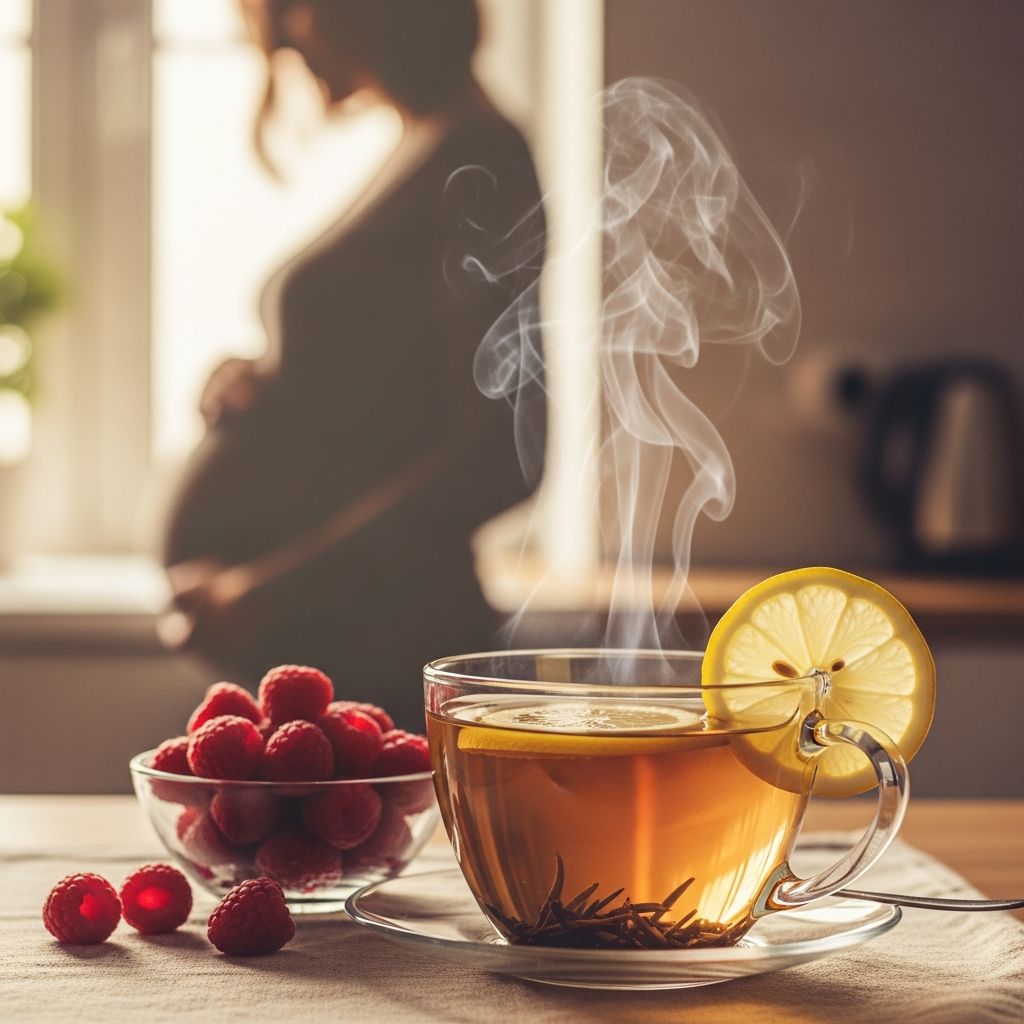
- Opt for herbal teas like peppermint or ginger (caffeine-free).
- Track intake using apps or journals.
- Replace with water, sparkling water, or fruit-infused drinks for hydration.
Aim for under 200 mg: one small coffee plus tea might fit, but check labels on meds and chocolate.
Healthy Alternatives to Keep Energy Up
Bump-friendly boosts include:
- Hydration: 8-10 glasses of water daily combats fatigue.
- Nutrient-Rich Snacks: Nuts, yogurt, or bananas for steady energy.
- Light Exercise: Walking or prenatal yoga improves circulation.
- Sleep Hygiene: Naps and consistent bedtime routines.
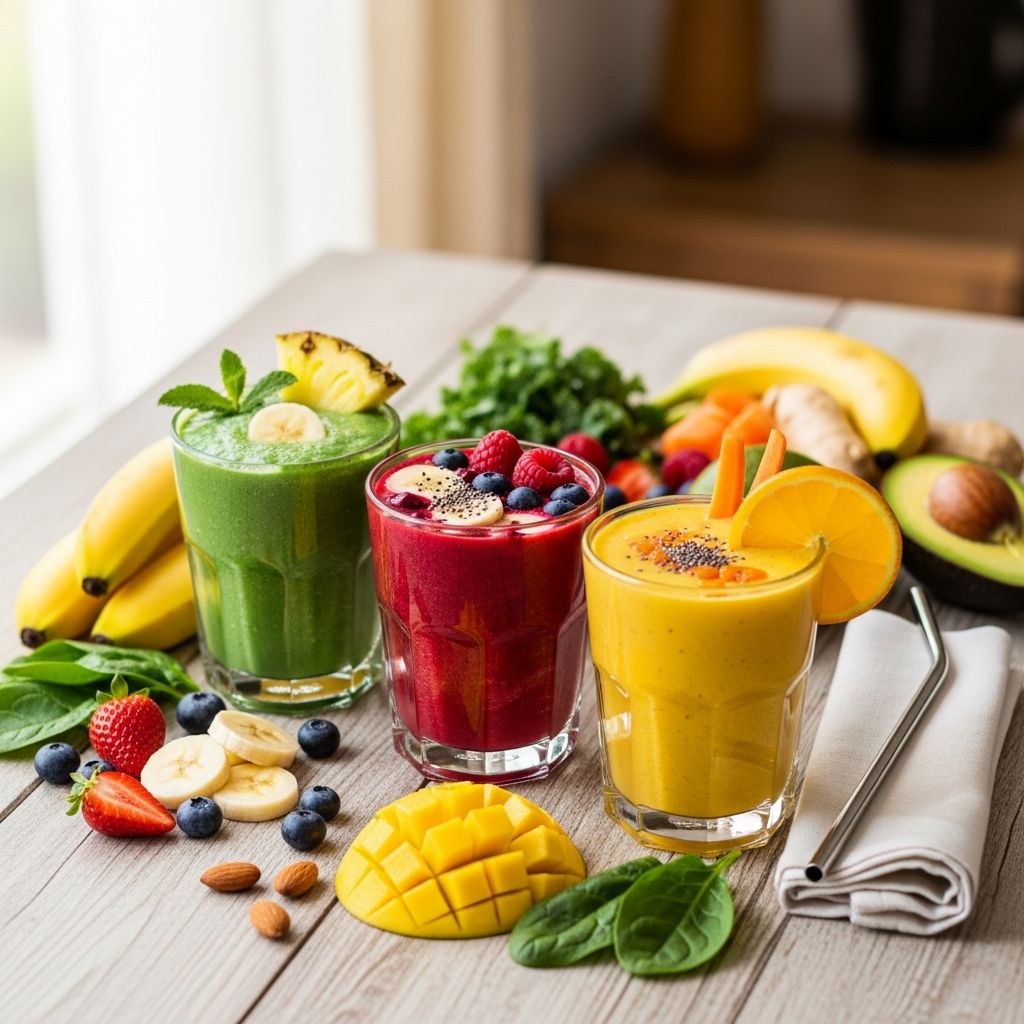
- Caffeine-Free Options: Chicory root coffee, rooibos tea, or golden milk (turmeric latte).
These sustain energy without risks, supporting overall pregnancy wellness.
Caffeine and Breastfeeding: Post-Pregnancy Advice
Small amounts pass into breast milk, but the American Academy of Pediatrics deems moderate caffeine safe. Limit to 2-3 cups daily; preterm or newborn babies process it slowly, possibly causing fussiness. Monitor baby’s cues and reduce if needed.
Frequently Asked Questions
Is any caffeine safe during pregnancy?
Most guidelines allow up to 200 mg/day, but some research suggests avoiding it entirely for zero risk.
How much coffee is too much?
One 12-oz cup (about 200 mg) hits the ACOG limit; avoid more to stay safe.
Does decaf have caffeine?
Yes, 2-5 mg per 8 oz—minimal but not zero.
Are energy drinks okay?
No, often over 200 mg plus other stimulants; best avoided.
What if I get withdrawal headaches?
Taper slowly over weeks; use acetaminophen if approved by your doctor.
Can caffeine cause birth defects?
Recent studies show no strong link at moderate levels.
This guide empowers informed choices. Consult your healthcare provider for personalized advice, as individual factors like metabolism vary.
References
- Less is best with caffeine, energy drinks during pregnancy — UT Southwestern Medical Center. 2023. https://physicianresources.utswmed.org/news/less-is-best-with-caffeine-energy-drinks-during-pregnancy
- Caffeine While Pregnant — American Pregnancy Association. 2023. https://americanpregnancy.org/healthy-pregnancy/is-it-safe/caffeine-and-pregnancy/
- Caffeine During Pregnancy — MyHealth Alberta. 2023. https://myhealth.alberta.ca/Health/pages/conditions.aspx?hwid=tn7380
- Restricting caffeine intake during pregnancy — World Health Organization. 2023-08-09. https://www.who.int/tools/elena/interventions/caffeine-pregnancy
- Caffeine in pregnancy — March of Dimes. 2020-04. https://www.marchofdimes.org/find-support/topics/pregnancy/caffeine-pregnancy
- Is caffeine consumption safe during pregnancy? — PubMed Central. 2013. https://pmc.ncbi.nlm.nih.gov/articles/PMC3625078/
- Limiting your caffeine intake in pregnancy — Tommy’s. 2023. https://www.tommys.org/pregnancy-information/calculators-tools-resources/check-your-caffeine-intake-pregnancy
- No safe level of caffeine consumption for pregnant women — BMJ Group. 2020-08-24. https://bmjgroup.com/no-safe-level-of-caffeine-consumption-for-pregnant-women-and-would-be-mothers/